


Sebastiano Pigazzi
I like to explore: I think it’s essential for anyone doing this job
“For an actor, keeping some privacy is key. Otherwise, what you do on screen gets confused with who people think you are”
There’s something about Sebastiano Pigazzi that escapes quick labels: his surname, to start with, evokes Italian vibes and cinematic echoes, but his voice — calm, American — tells a different story. Born in 1996 and raised between the United States and the quiet weight of a significant family legacy (he’s Bud Spencer’s nephew), Pigazzi has carved his path step by step, avoiding shortcuts and leaning more towards hard work than nostalgia. After debuting in Luca Guadagnino’s We Are Who We Are, he returned to the spotlight with And Just Like That…, playing Giuseppe, an Italian poet who captures Anthony Marentino’s heart. Now, as the third season of the series premieres, Pigazzi opens up with irony and restraint: about the craft of acting, his roots, his love for theater, but also the challenge of choosing a steep path, balancing Shakespeare and silence, all while dodging the long shadow of his grandfather. With the grace of someone who’s in no rush, and a voice that speaks for itself.
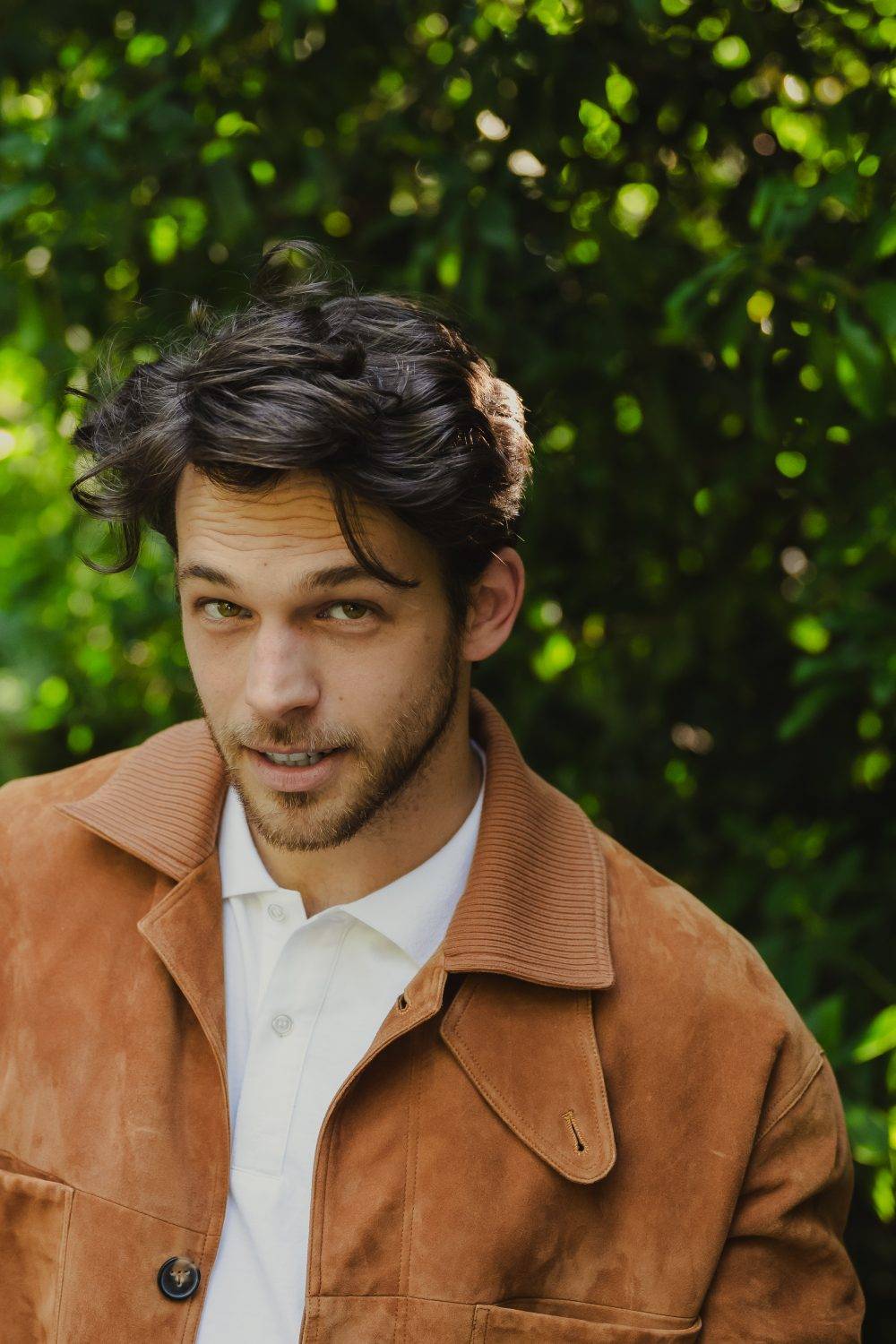
In And Just Like That…, you play Giuseppe, a poet who enters Anthony’s life. How did you prepare for this role, and what struck you the most about your character?
He’s a very mature person for his age. Above all, he’s someone who can quietly fit into a complicated group full of nuances. Which is kind of what I had to do too, stepping onto the set of such an iconic series. How did I prepare? Well, it’s complicated. But honestly, we all know someone like that, right? Those real people who stick with you. I made a mix: some people I knew, some input from the directors, and I put together Giuseppe.
Jumping into the universe of Sex and the City, so iconic and beloved, must have been quite a challenge. How was it to join such a close-knit cast under the world’s gaze?
Lightly. I try not to overthink it, really. The more I can be “ignorant” in the best way—meaning open and fresh—the better. That way I can just experience everything naturally. In the end, they’re normal people too. When I’m on set, that’s how I see them. And I can talk to them just like you would with anyone else.
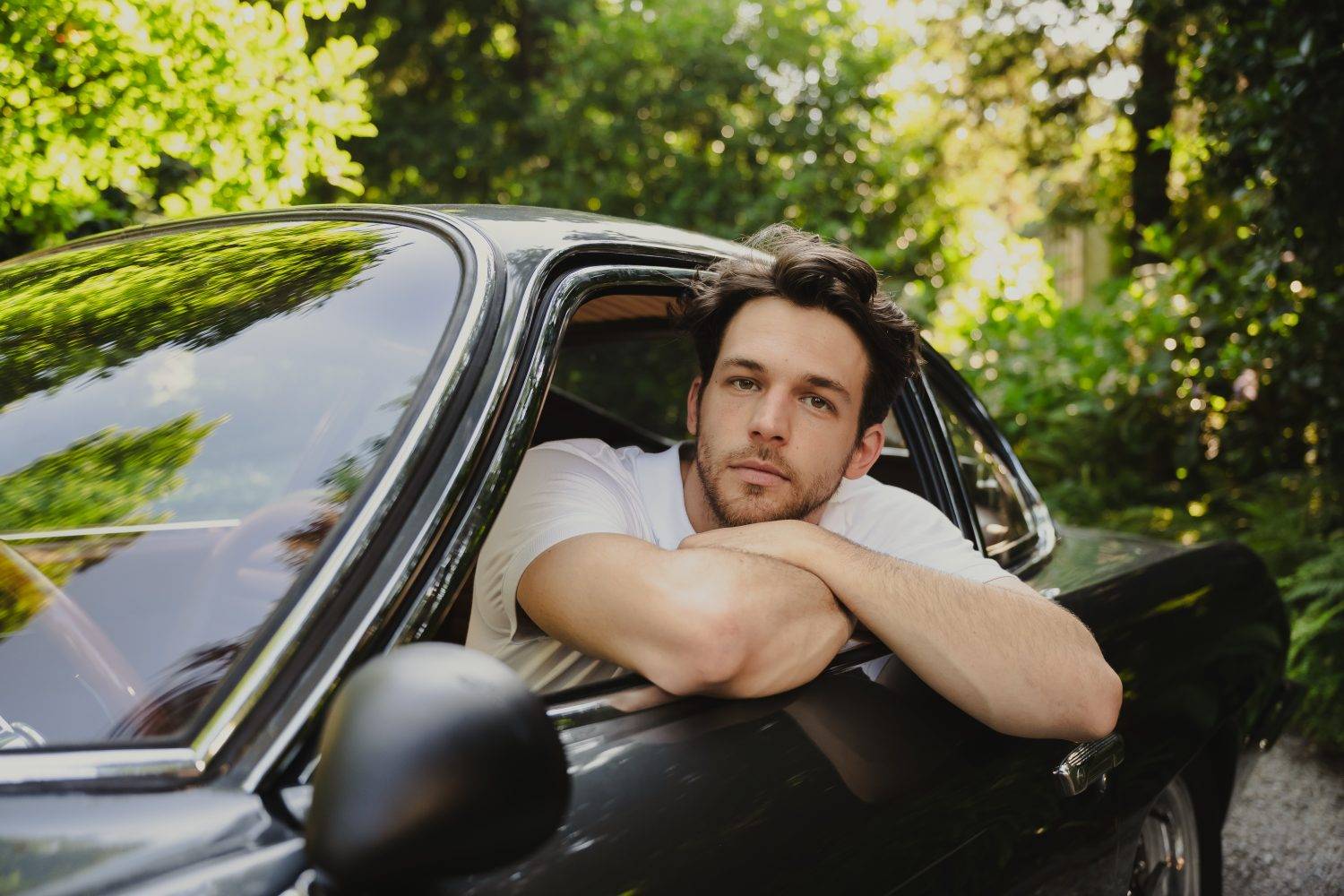
Your big debut was with Luca Guadagnino. What did that experience leave you with?
I immediately understood what it means to work with great actors and great directors. It’s a whole different thing. Seriously. It’s like moving from the classroom to the field. You can take courses all you want, but it’s on set that you really learn: what you can do, what you shouldn’t do, how much freedom you actually have. It was a real crash course. And it also gave me a friendship with Luca.
Are you still close?
Yes, we have a good relationship.
You grew up away from Italy, but you carry a surname that immediately evokes an icon of popular cinema. What’s your relationship with Bud Spencer’s legacy?
It’s an honor, of course. Although… sometimes it’s a burden. Especially when people think I got the role because of connections. I wish! If they’d helped me at home to become an actor, do you think I would complain? No way. Zero shortcuts. So yeah, it’s a big thing, but it has nothing to do with what I do today.
You mentioned that your family was initially skeptical about your choice to become an actor. Has anything changed today?
Well… not really. They’re still skeptical. It’s just that, let’s say, now they bug me a little less. But if I stay still for a few days, I already hear the whispers. It’s normal, really. In the end, it’s also what keeps you grounded.
You’ve worked in theater, film, and TV. Is there a medium you feel closer to, or do you enjoy continuing to explore?
I really like exploring. I think it’s fundamental for anyone doing this job. But if I had to choose, I’d say film and theater are my two great loves. Maybe theater has something extra for me… both as an actor and as a director. It gives me the chance to create something more personal, more my own.
In an era when social media exposure seems part of an actor’s job, you are quite reserved. Is it a form of protection or a deliberate choice?
I don’t know. Honestly, I’m just not into it. I think it’s important, especially for an actor, to have a certain degree of privacy. Otherwise, what you do on screen risks getting confused with the idea people have of you. And it ends up being like “that’s the guy who grabs coffee down the street from me.” No, you need to keep some distance.
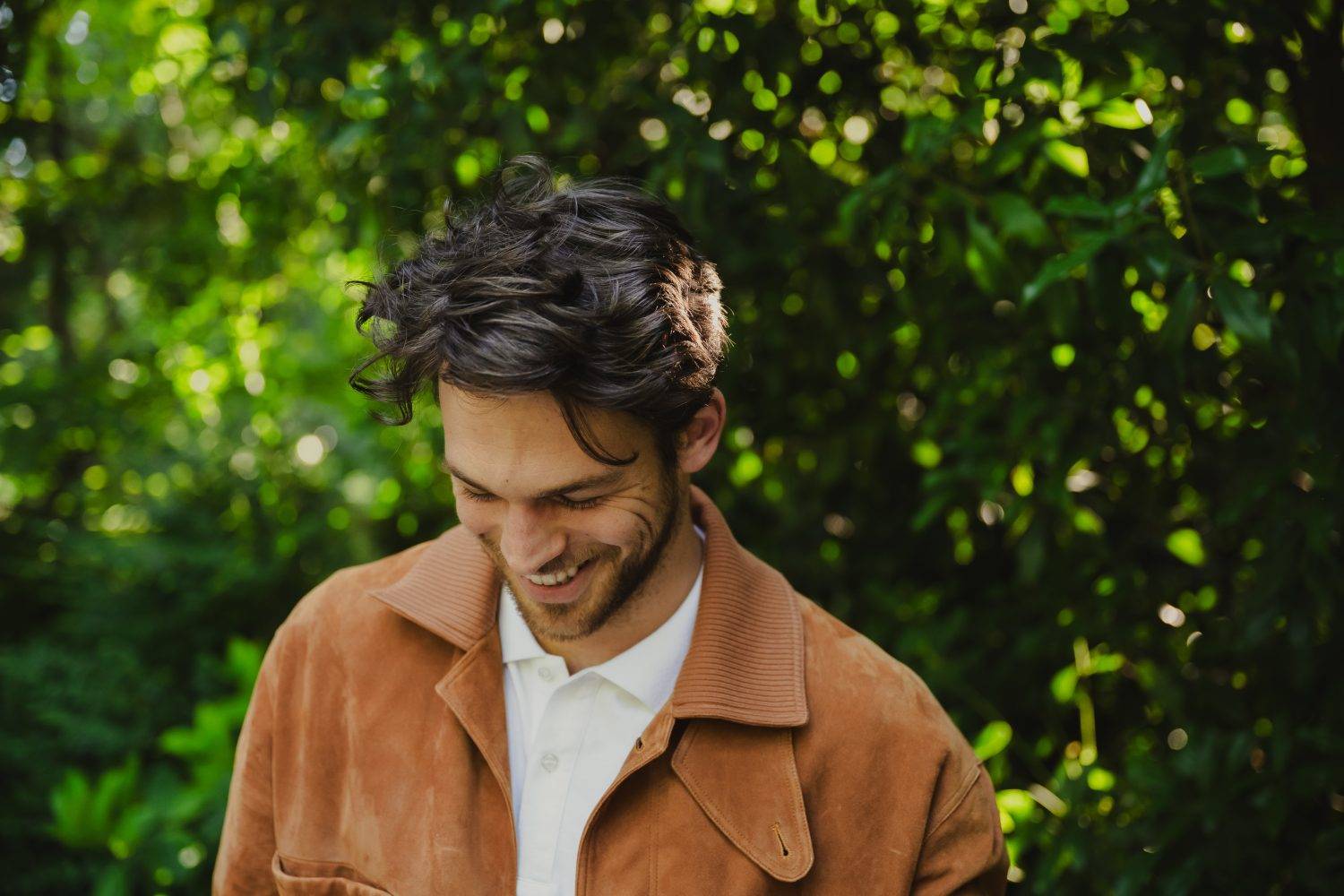
Is there a place, a city, somewhere you feel particularly inspired?
Actually, I change them often. Every place is special for a while, then I get bored. So I look for another. That’s how it works for me.
In hell, they always show the same movie. Which one is it?
Ah, tough one… “Inception.” I know a lot of people loved it, but it didn’t really do it for me.
Looking ahead: is there a professional dream you haven’t achieved yet? A role, a director, a story you’d like to take on??
There are many. But if I have to pick one name: Paul Thomas Anderson. And yes, I’d like to direct a movie. It’s been a dream of mine for a while.
What did you dream of doing at 15?
I think I wanted to be an actor even then. But I tried to postpone the decision as much as possible, just in case I developed a different passion. It never came. At fifteen, I was a mess—I just played video games. Maybe that’s what I really wanted: to just play.
Let’s finish with a game: your house is on fire, but you can only save one thing. What do you take with you?
A photo. One of my great-grandfather with Orson Welles. I’m a huge Welles fan, and when I found that photo—which I didn’t even know existed—it was an insane moment. I framed it right away.
Interview: Germano D’Acquisto
Portraits: Ludovica Arcero
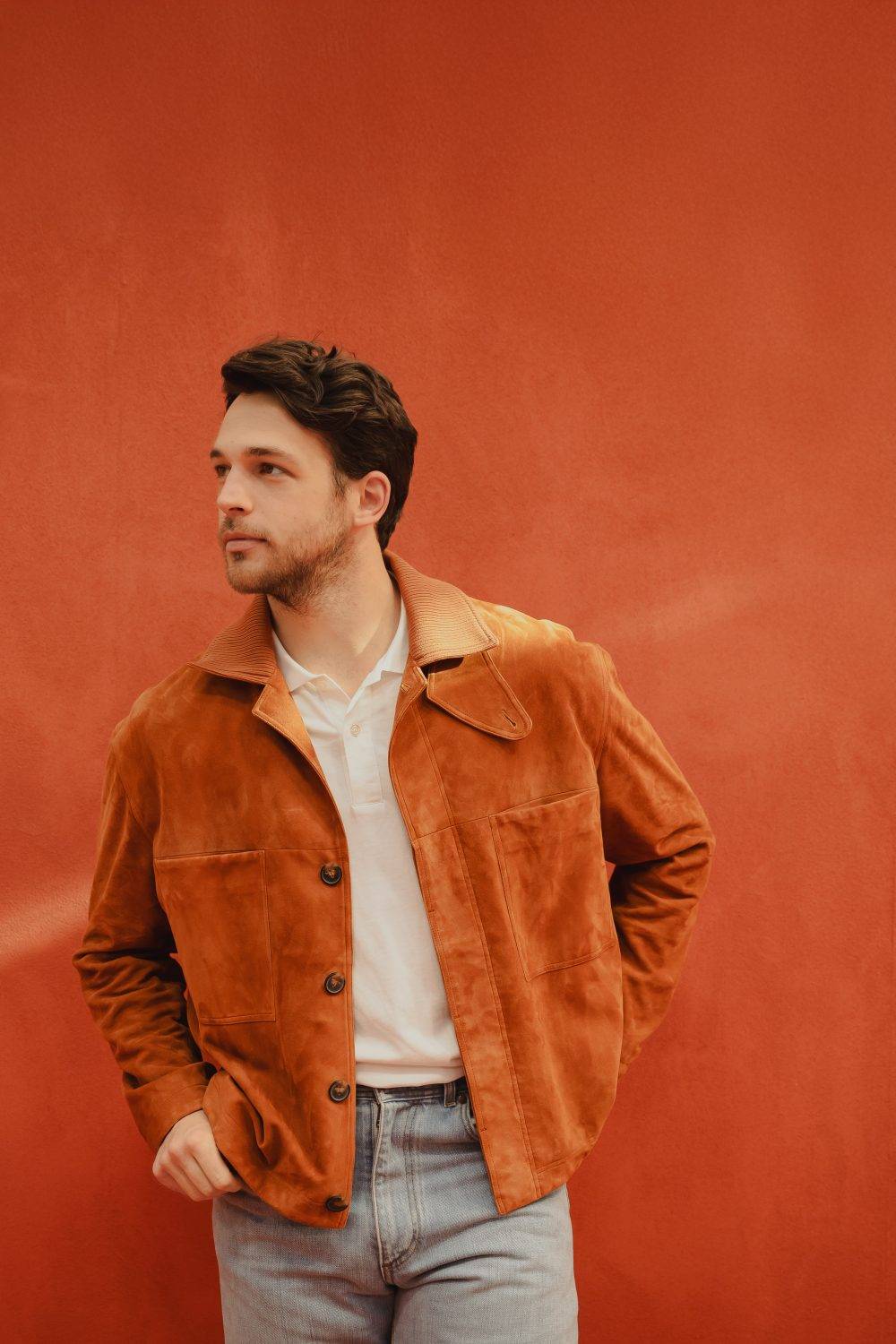
Total Look: Tod’s


