


KAWS
My characters are my way of communicating, allowing me to create universal connections without language barriers
«I try to be authentic. I don’t want eternally happy heroes, but figures that spark a dialogue about the human condition»
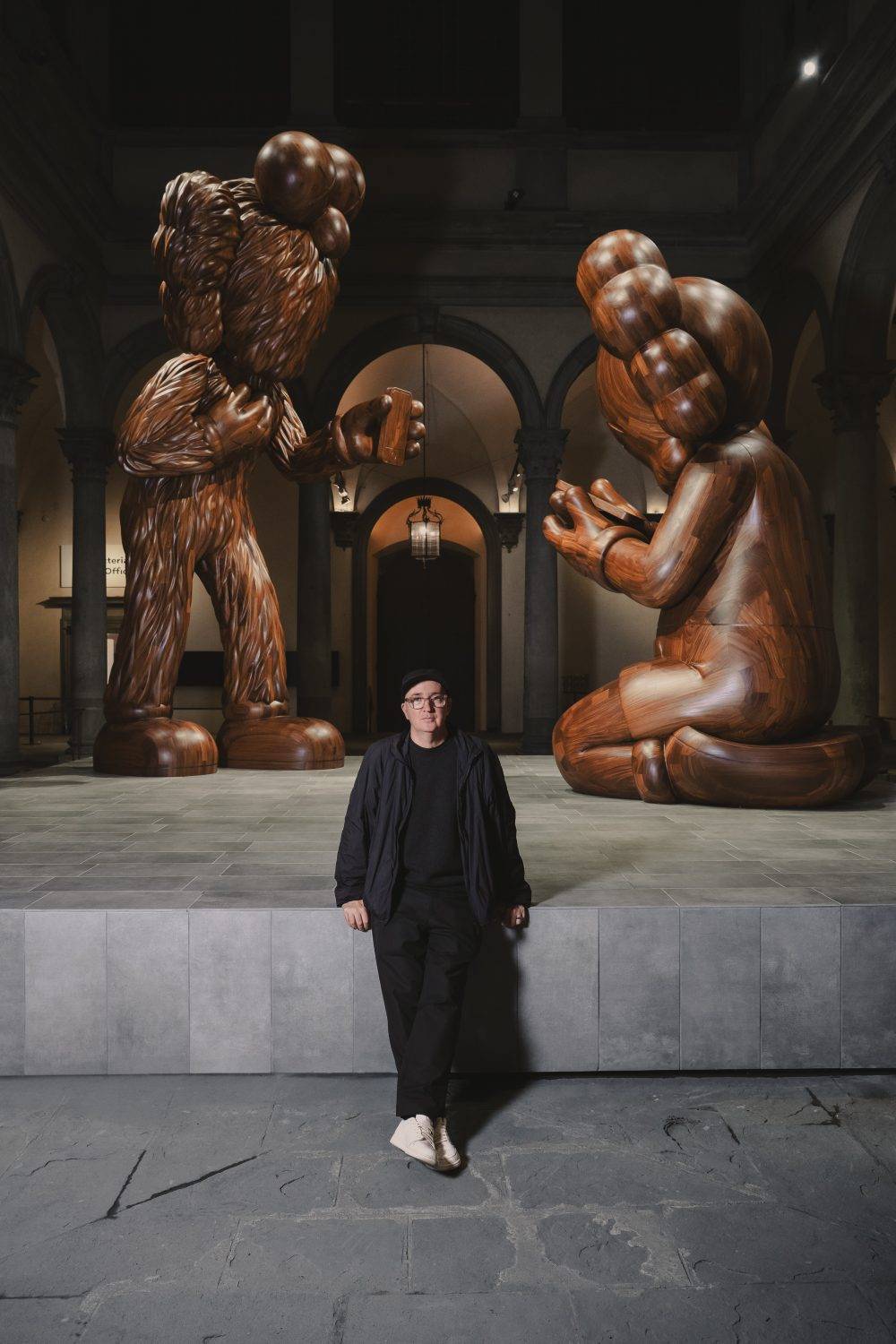
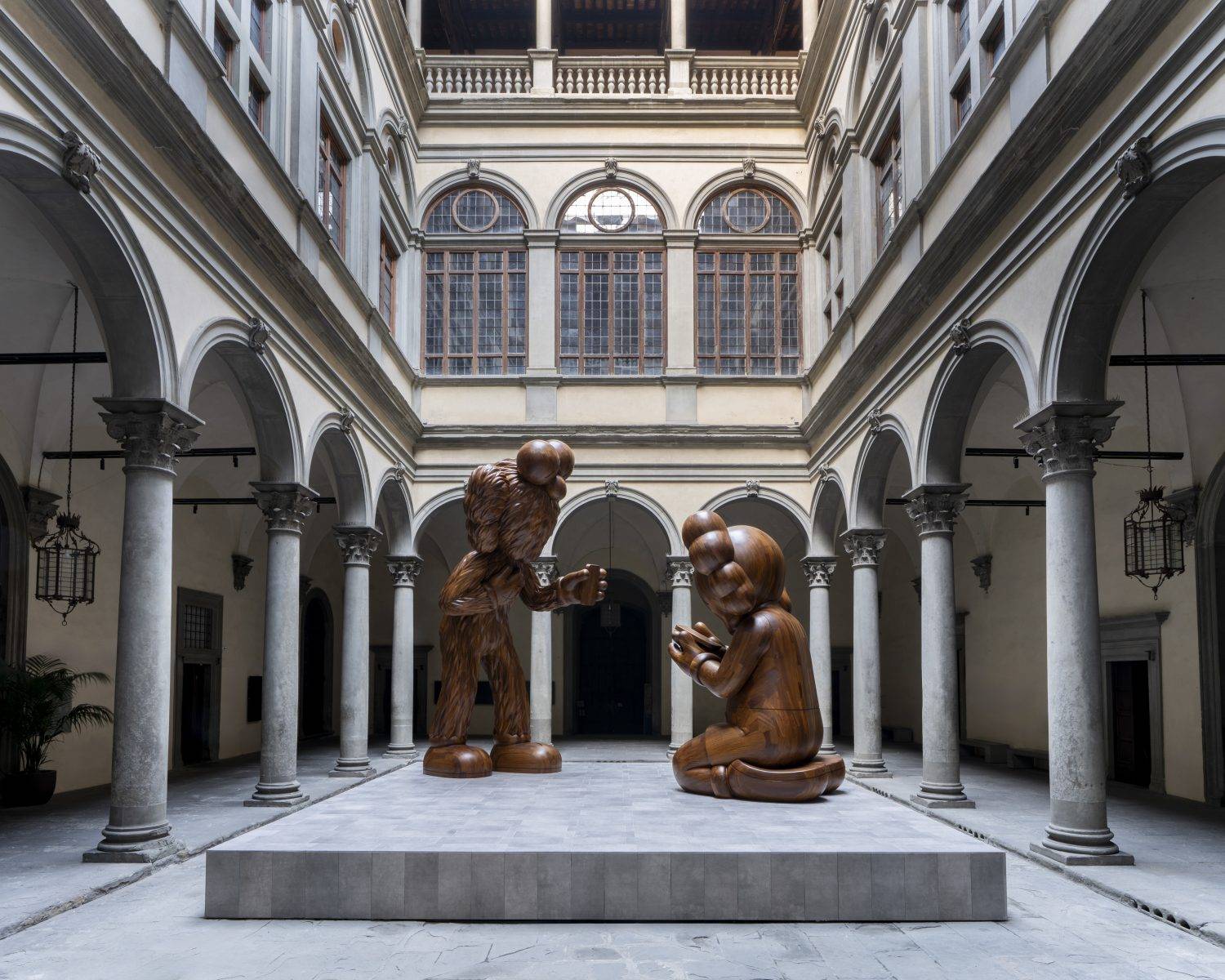
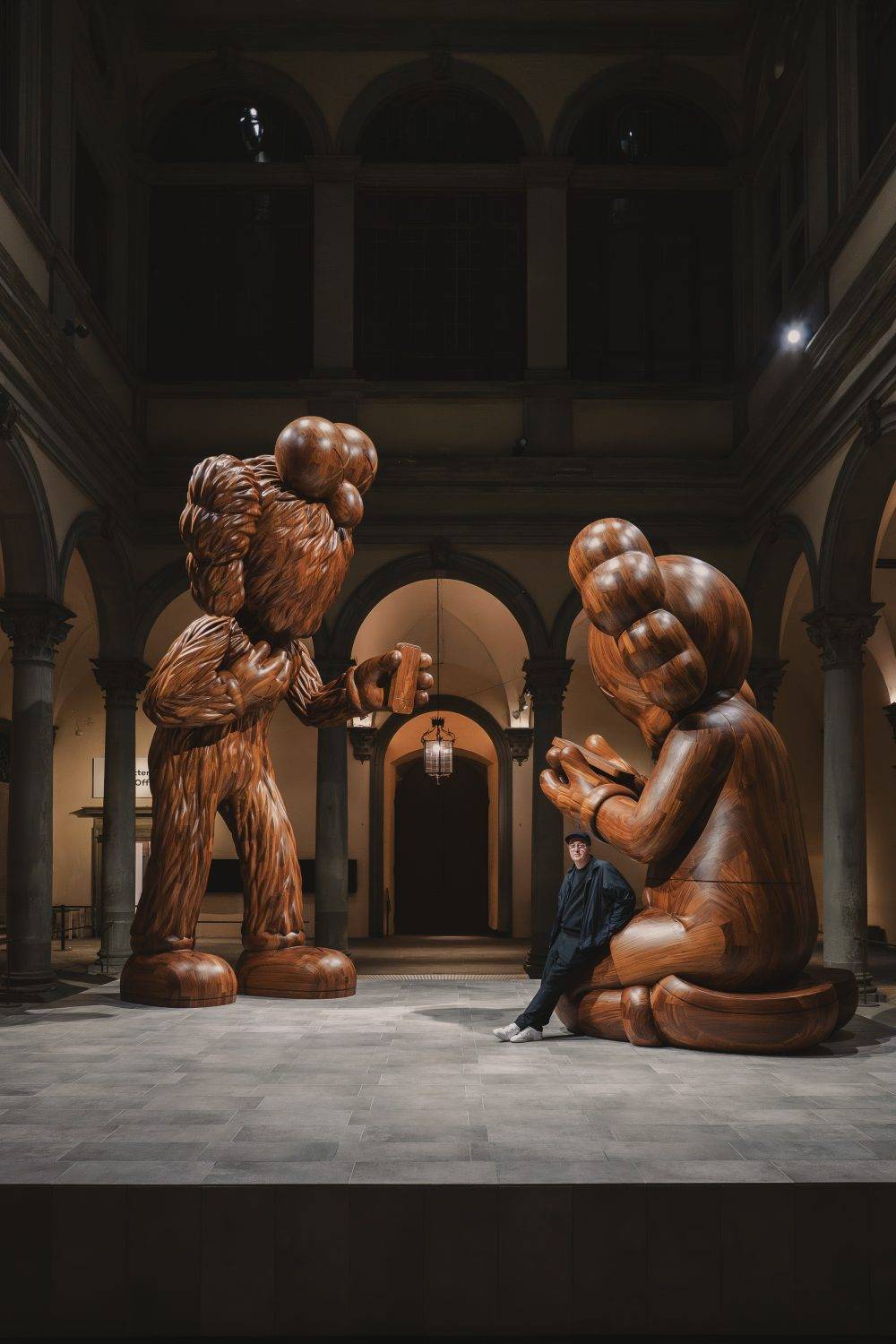
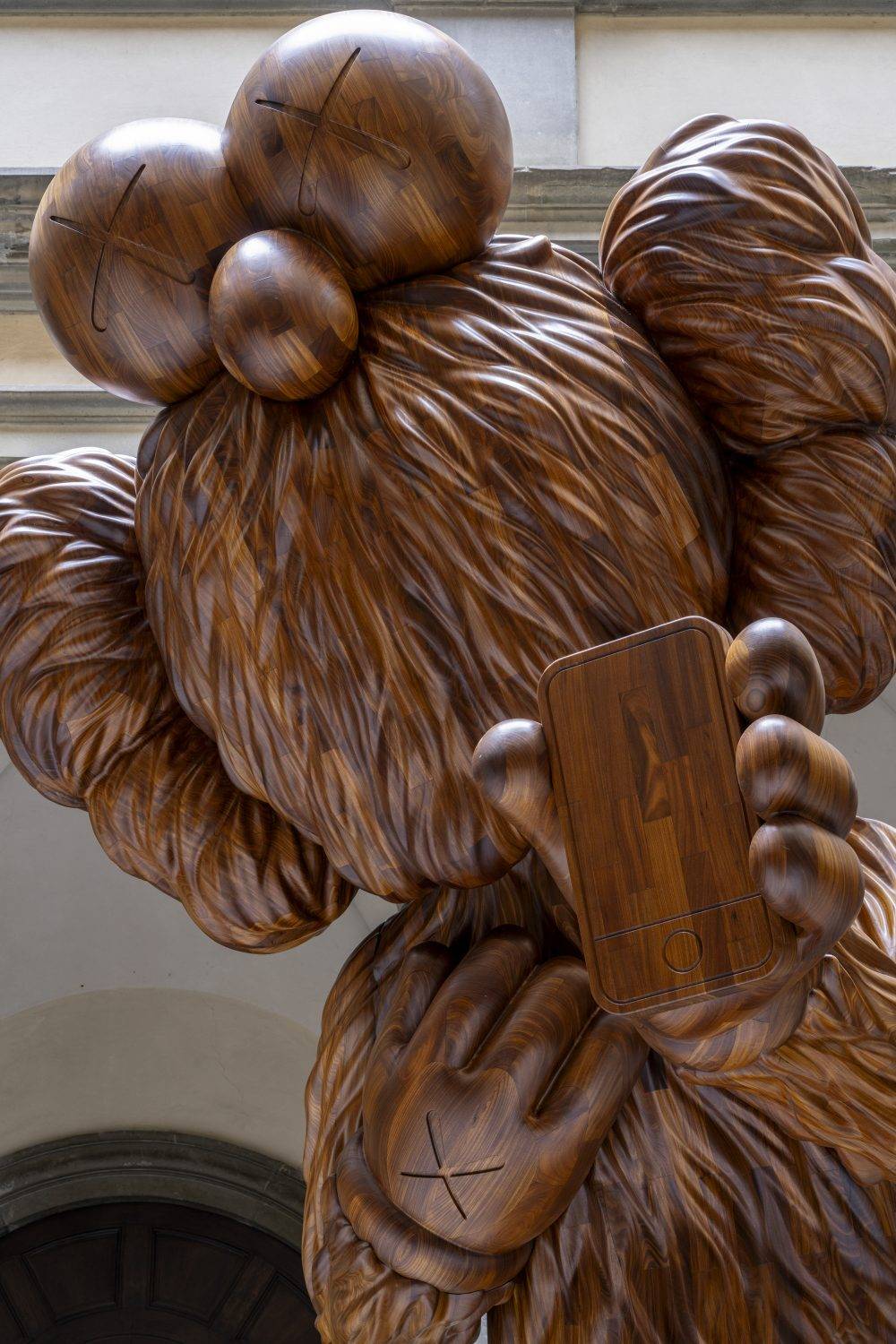
In the Renaissance courtyard of Palazzo Strozzi, among ancient stones and arches that tell centuries of history, stands THE MESSAGE, a new site-specific installation by KAWS, the American artist who has transformed play and design into a universal language of contemporary art. Born in Jersey City in 1974, Brian Donnelly – his real name – moved from graffiti, billboards, and urban playgrounds to create iconic figures like Companion and Chum, characters that are at once collectible toys and sophisticated commentaries on contemporary society. While their crossed-out eyes evoke melancholy, fragility, and a sense of precariousness, their familiar forms recall the cartoons of our childhood, creating an emotional short-circuit that blends nostalgia and unease. From Manhattan to Tokyo, from floating sculptures in Hong Kong to capsule collections with Dior and Uniqlo, KAWS has broken down barriers between art, fashion, and pop culture, making art accessible to audiences from 9 to 99 years old. At Palazzo Strozzi, the dialogue with history is direct: THE MESSAGE reinterprets the theme of the Annunciation, in parallel with the exhibition dedicated to Beato Angelico, creating an unprecedented encounter between Renaissance iconography and the contemporary sensibility of an artist who speaks directly to the present. Here, Companion and Chum are no longer just collectible characters, but interpreters of a shared time, suspended between wonder, irony, and reflection on the human condition, balanced between the ancient gaze of the palazzo and the hyperconnected world that surrounds us…..
Let’s start with your artist name, KAWS. What does it mean and why did you choose it??
KAWS
It comes from my graffiti days. Using an artist name creates a distance between me and my work, making it more accessible and universal. I like that it allows me to work almost in third person, and I’ve kept it ever since.
From graffiti to some of the world’s major museums: how did you experience that journey?
KAWS
When I was young, I didn’t make a distinction between “high” and “low” art. Painting on the streets was my way to express myself and connect creatively with peers. Over time, new opportunities came along, I experimented with different materials, and I took advantage of each chance as it came, like here at Palazzo Strozzi.
Was there a turning point that made you an internationally recognized artist?
KAWS
I don’t think there was a single turning point. I’m grateful for the opportunities and projects I’ve had, but in the studio I just focus on doing the best I can with what’s in front of me, without thinking about reaching a particular milestone.
Your work spans art, design, fashion, and pop culture. How do you see the boundaries of art?
KAWS
There aren’t really any boundaries. Everything we experience can be part of an artistic encounter: a piece of clothing, an object, a watch—anything can inspire. I enjoy exploring different worlds and constantly learning new things.
Your characters, like Companion, BFF, and Chum, are central. What do they represent?
KAWS
They are my way of communicating. Creating characters allows people to relate to them anywhere, without language barriers, and to convey universal emotions.
Some critics see fragility and anxiety in your characters. Do you agree?
KAWS
I try to be authentic. I don’t want to make eternally happy heroes, but figures that open a dialogue about the human condition, reflecting the moment we live in.
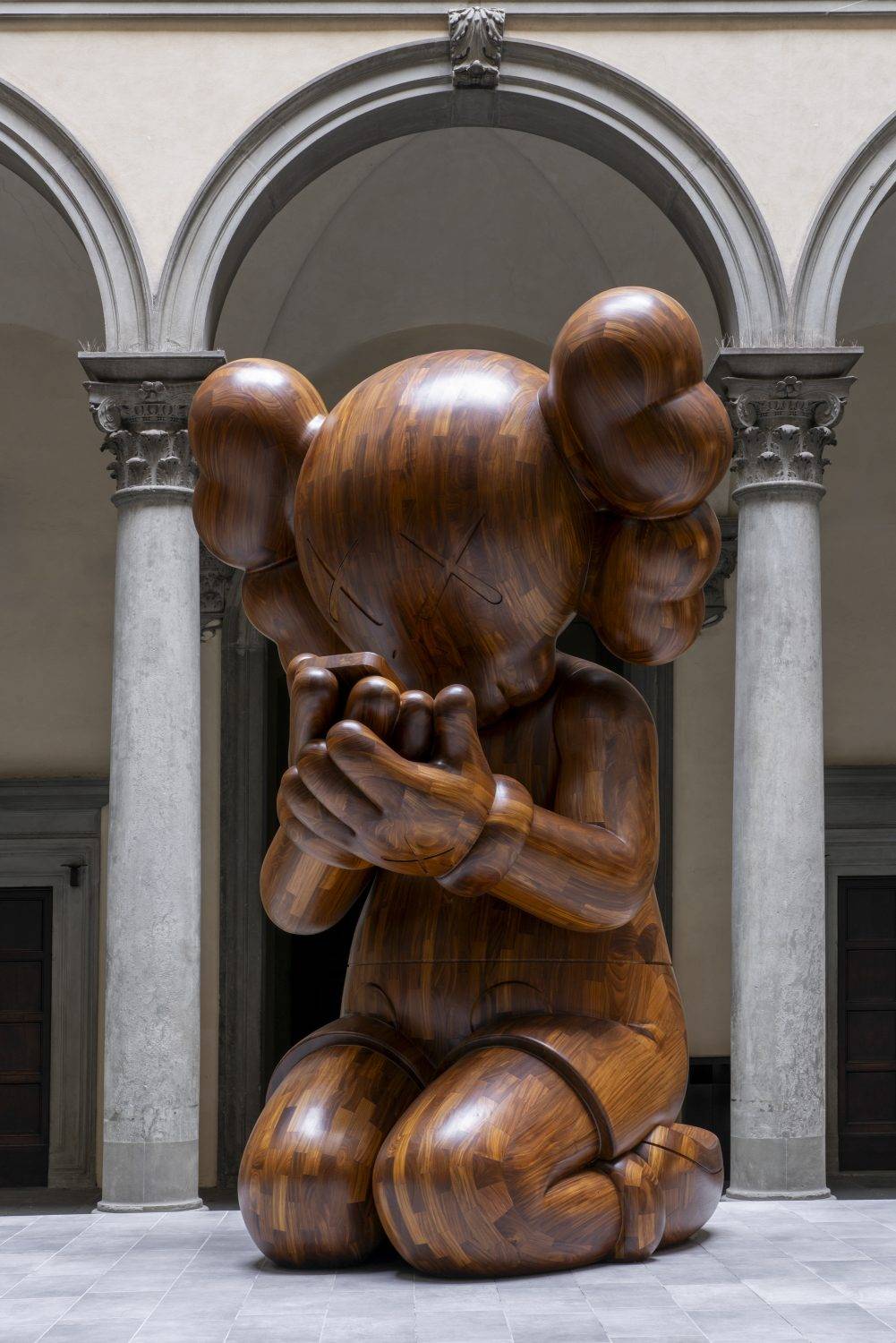
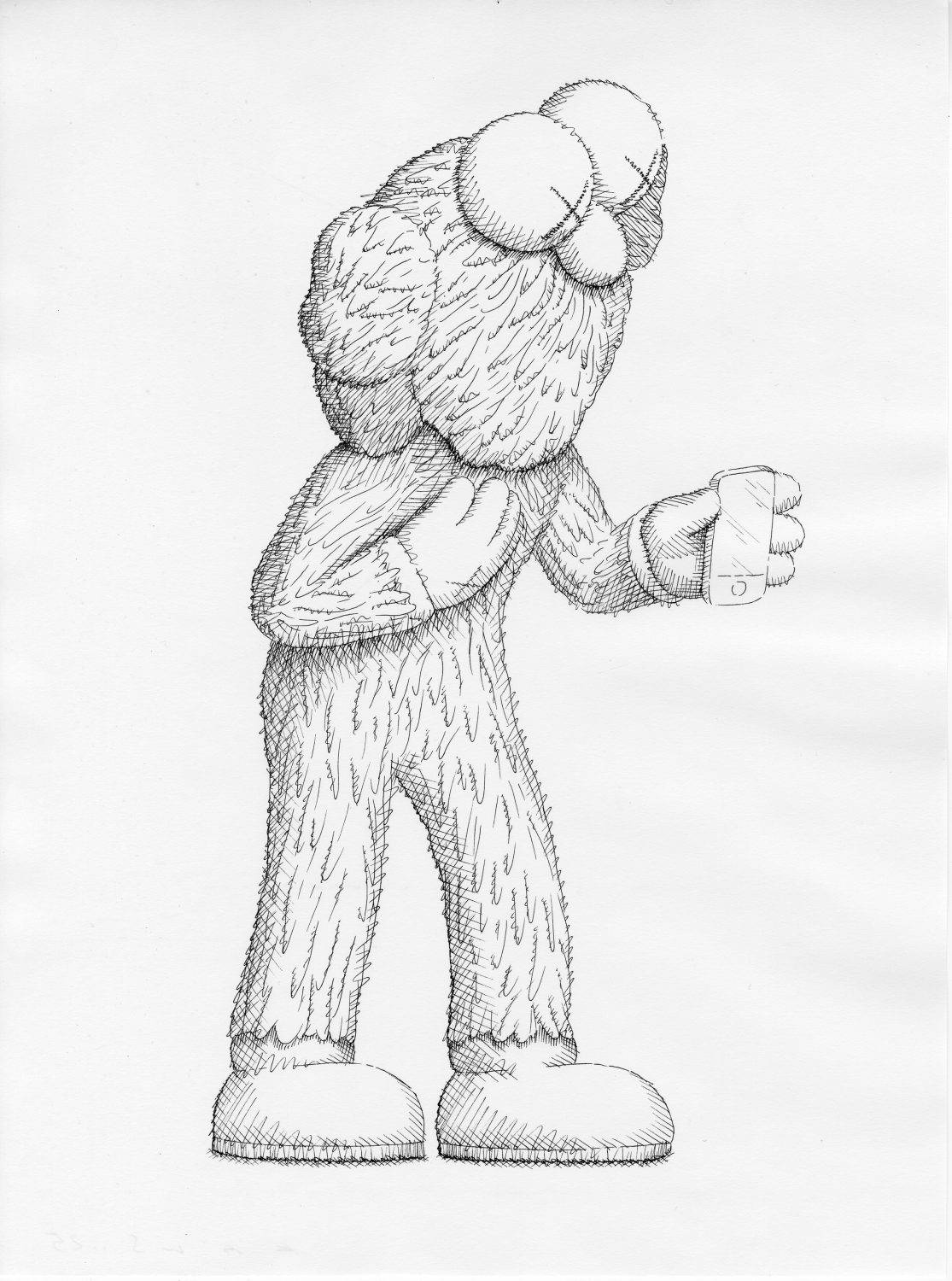
In many works, like the sculptures here in the courtyard, the characters hold smartphones. Why?
KAWS
It’s inevitable. Smartphones are part of our lives and communication. The sculpture reflects our time, without judgment.
You often reference classical iconography, like in your work Gone. How do you relate to this historical language?
KAWS
Gone came from the grief over my father. The Renaissance reference is conscious but personal. For this installation, the wood gives warmth and interacts with the architecture of the courtyard, creating a dialogue with the space.
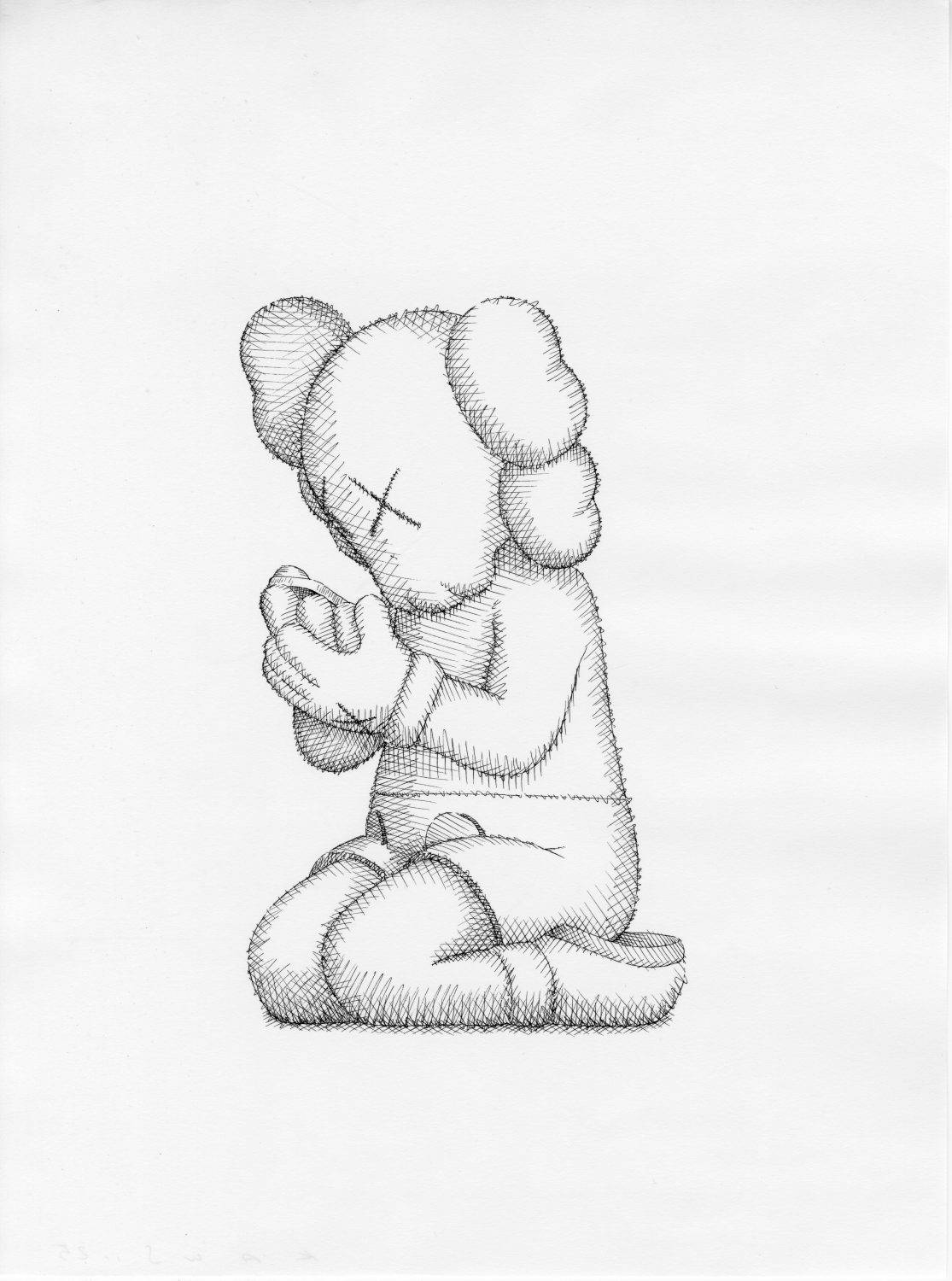
Why wood?
KAWS
I choose materials based on the space and the work. Wood gives vulnerability to monumental sculptures, while inflatables allow large-scale but temporary installations.
What has been the most technically challenging project for you?
KAWS
Every project has its challenges. The installation in Victoria Harbor, Hong Kong, was complicated: transport, assembly, government permits, daily maintenance… every difficulty is part of the creative process.
Your work has also entered the digital world, with the Fortnite exhibition. How did that experience come about?
KAWS
Before the Serpentine show, I collaborated with Travis Scott on a Fortnite concert. I transferred the exhibition into the game and reached millions of people. It was a unique blend of museum and video game worlds.
Your work recalls Pop Art and the idea of democratizing art. Can you tell us about OriginalFake and your dialogue with Warhol?
KAWS
As a young person, I was fascinated by graphics and magazines. I wanted to create work that could be widely shared, both on a monumental scale and as small objects to interact with daily.
You are also a collector. How do you choose works and what does collecting art mean to you?
KAWS
Collecting is a way to understand and learn from other artists. It helps me observe different paths and create a continuous learning space.
Interview with Arturo Galansino, General Director of the Palazzo Strozzi Foundation
Portraits: Ludovica Arcero
Installation Views: Ela Bialkowska, OKNO studio © KAWS
Drawings: Courtesy of Palazzo Strozzi


