When Strozzi Meets Manzoni at BKV: The Baroque Confronts the Void
Milan, Thursday evening: Via Fontana suddenly becomes a crossroads of eras. At BKV Fine Art, Bernardo Strozzi – Piero Manzoni. Presenza Assenza takes the stage. Two artists separated by four centuries — one a Baroque Genoese, the other a Conceptual Milanese — face each other as if in an experiment of aesthetic physics. The exhibition, realized in collaboration with the Piero Manzoni Foundation, is one of those that compel you to rethink everything: painting, matter, time, even the word “presence.”
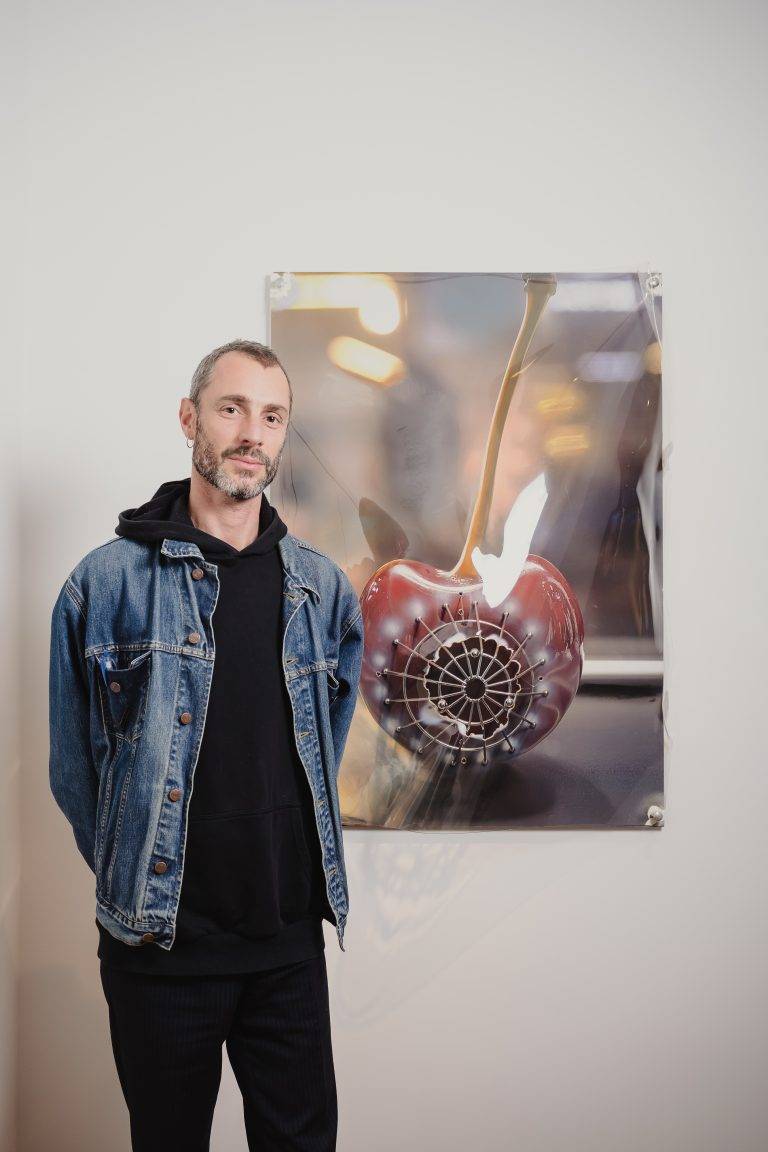
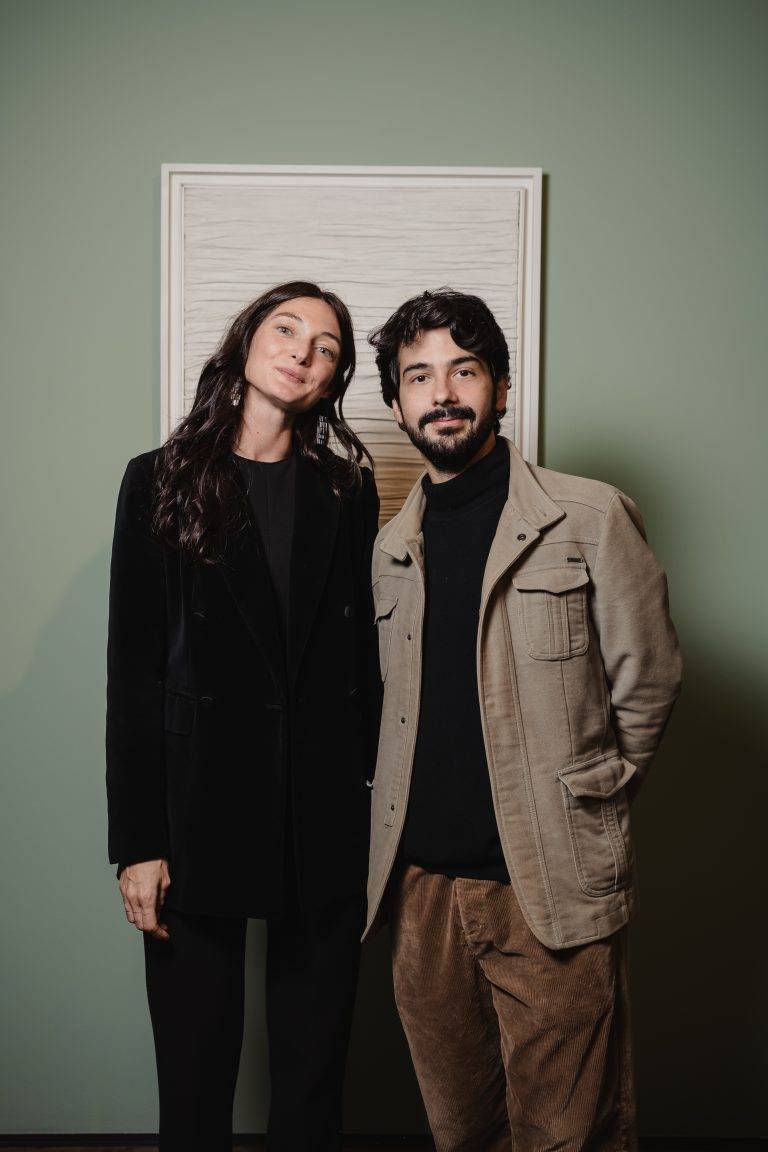
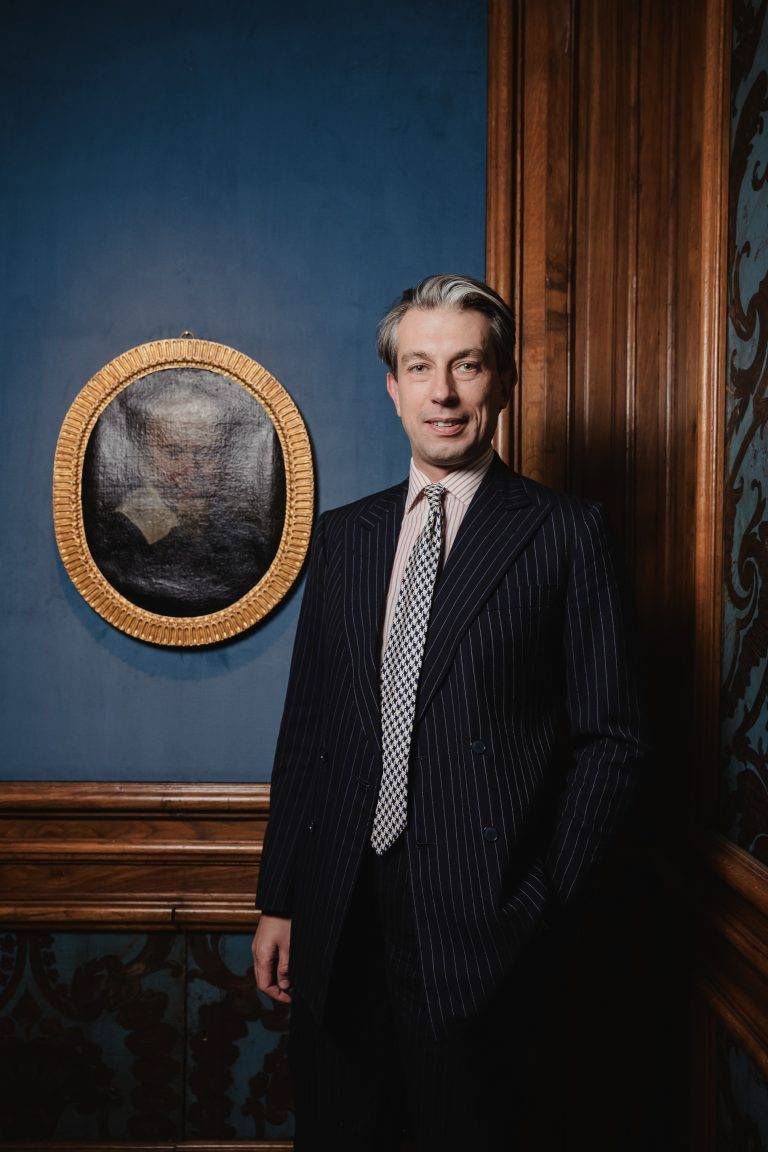
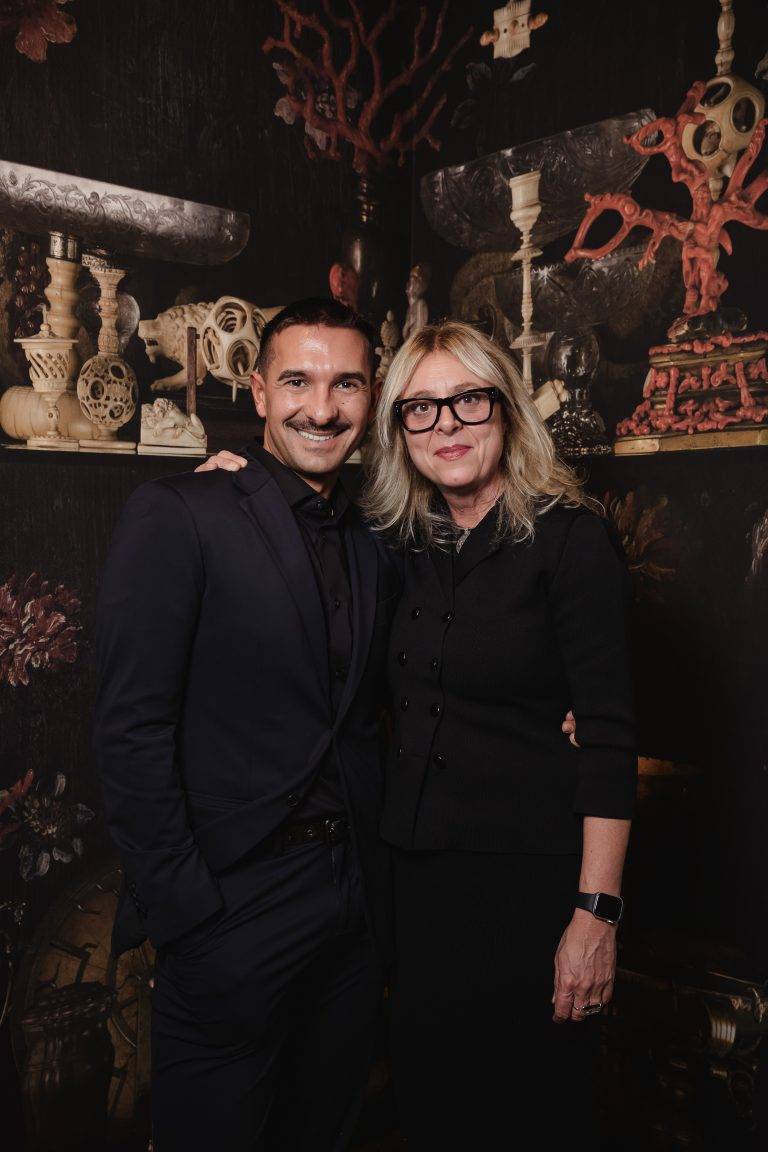
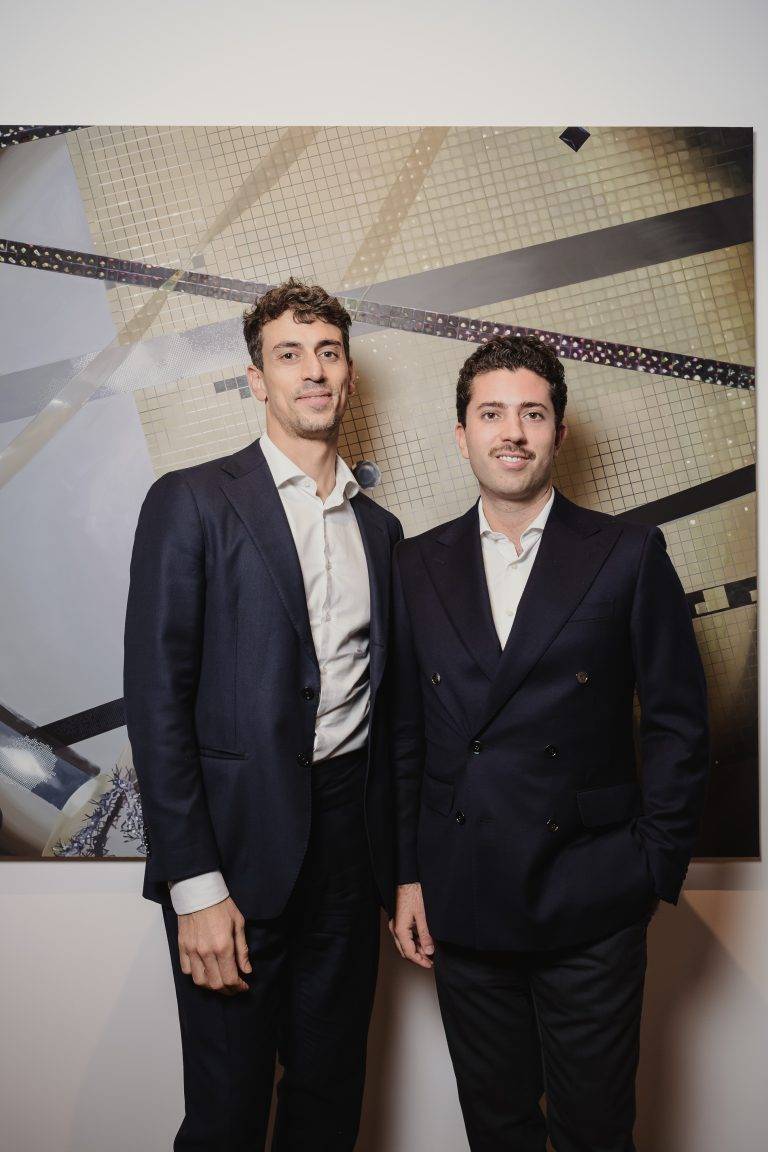
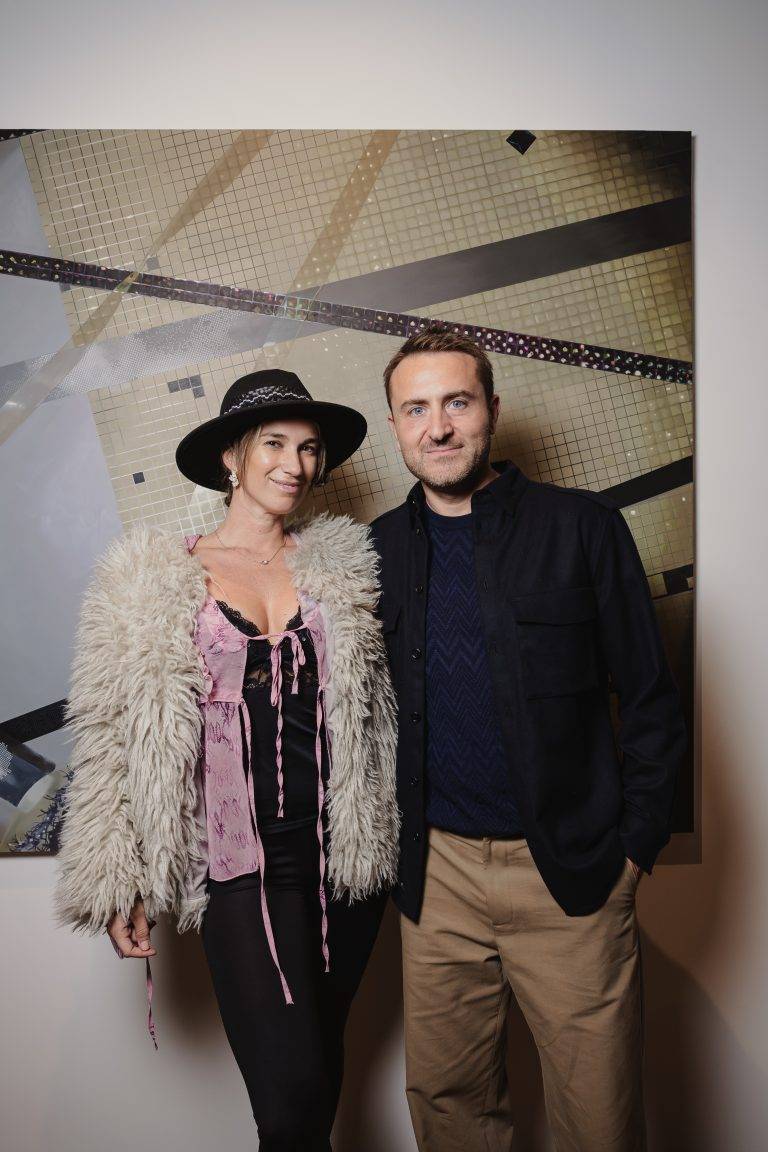
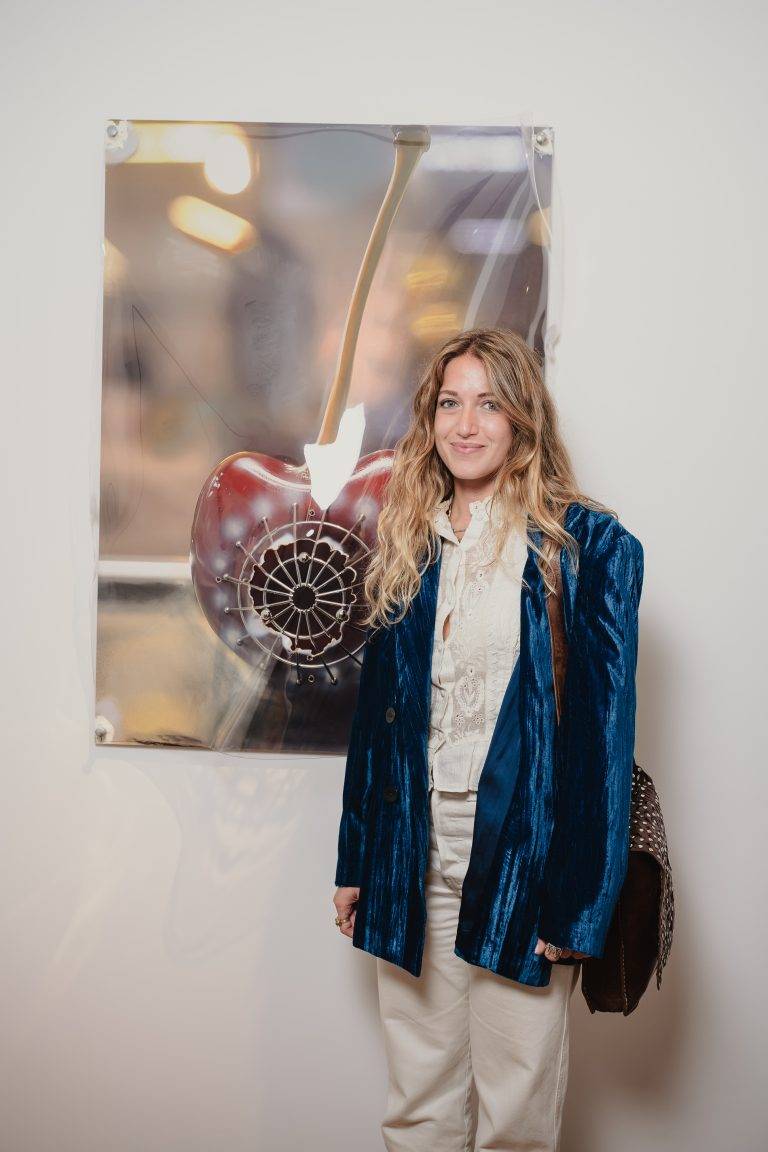
At the opening, among the gallery’s founders — Massimo Vecchia, Paolo Bonacina, and Edoardo Koelliker — a diverse crowd moved through the rooms: curators, collectors, enthusiasts, and a few nostalgics of the gesture. Everyone seemed to be asking the same question: how can Strozzi’s Baroque opulence coexist with Manzoni’s radical minimalism? The answer, as always, lies in the tension.
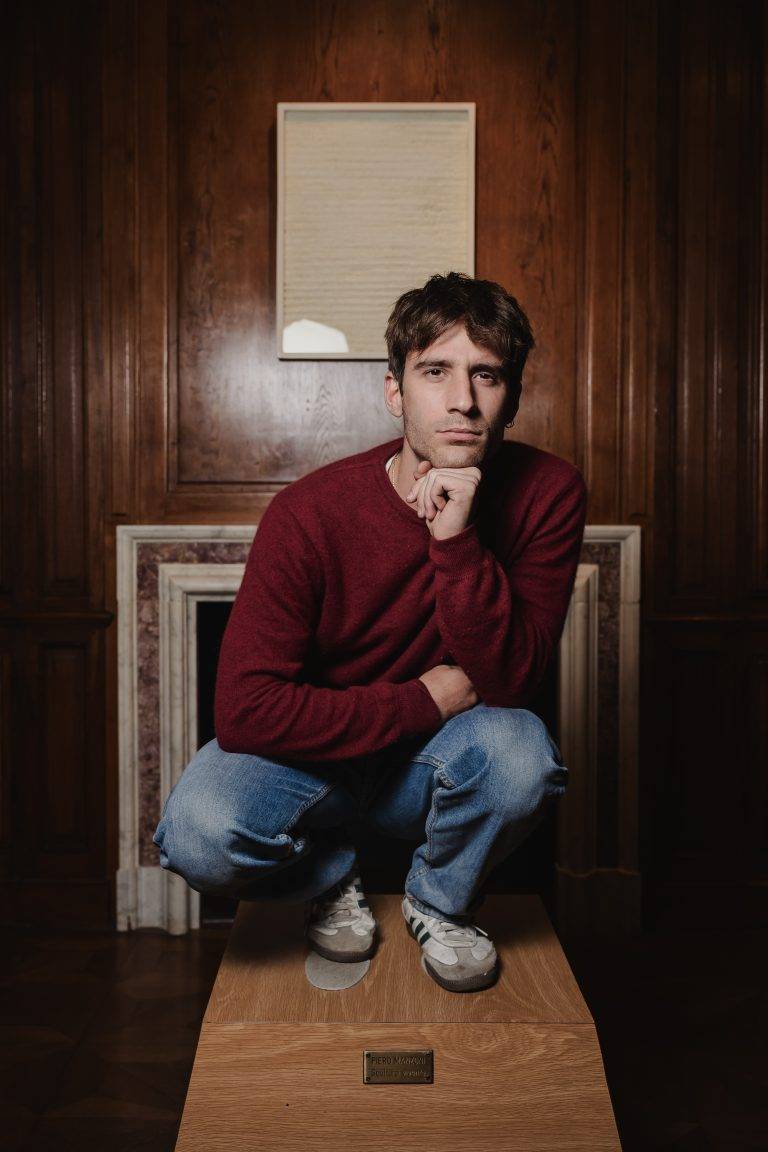
Presenza Assenza works because it doesn’t seek balance — it seeks friction. On one side, Strozzi’s feverish canvases, where matter feels alive, tactile, almost carnal; on the other, Manzoni’s Achromes, surfaces that reject color to become mental spaces, fertile voids. Strozzi shapes light as if it were clay; Manzoni erases it until it becomes absolute. Both self-taught, both rebellious, both allergic to imposed form. There’s a point where Strozzi’s brush and Manzoni’s gesso seem to meet — a short circuit between instinct and idea, devotion and disillusion. The first turns pathos into painting, the second turns painting into concept. Between them, four hundred years of questions about art and its meaning, reopened here with disarming ease.
Completing the dialogue, in the adjoining space, is Cabinet, curated by Giovanna Manzotti from an idea by Edoardo Koelliker. On view from October 17 to December 19, 2025, the project intertwines works from the Scarzella and Koelliker Collections in a journey inspired by the ancient Wunderkammern — chambers of wonder where time collapsed and objects coexisted beyond any chronology. Here, the word cabinet becomes a contemporary device for interpreting reality free of temporal or stylistic boundaries, an imaginative exercise that extends the conversation between ancient and modern initiated by Strozzi and Manzoni.
For those passing through Via Fontana, two suggestions: don’t miss Strozzi’s Martyrdom of Saint Ursula, where light vibrates like an invocation, and take a moment before any of Manzoni’s Achromes — because in that seemingly neutral surface lies everything: silence, rebellion, and the vertigo of emptiness. Presenza Assenza is a challenge to perception — proof that between a Baroque and a Conceptual, something strikingly alive, and profoundly contemporary, can emerge.
Text: Germano D’Acquisto
Photos: Ludovica Arcero