Valerio Berruti at Palazzo Reale: A Journey Through Childhood, Art and Music
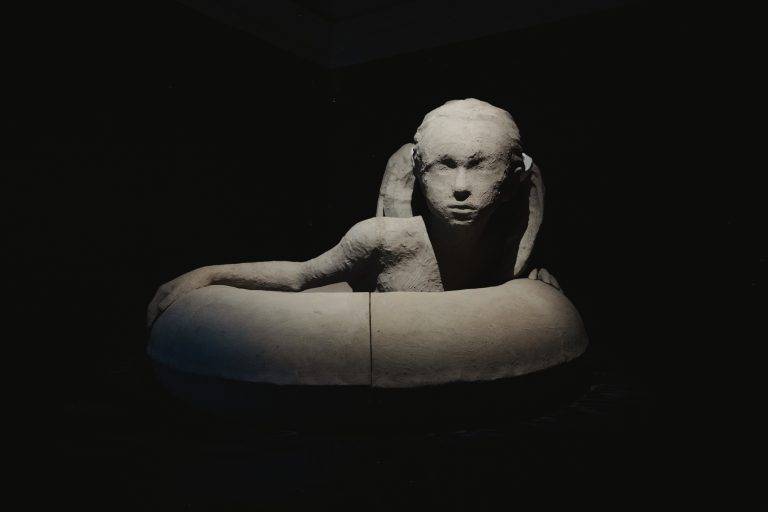
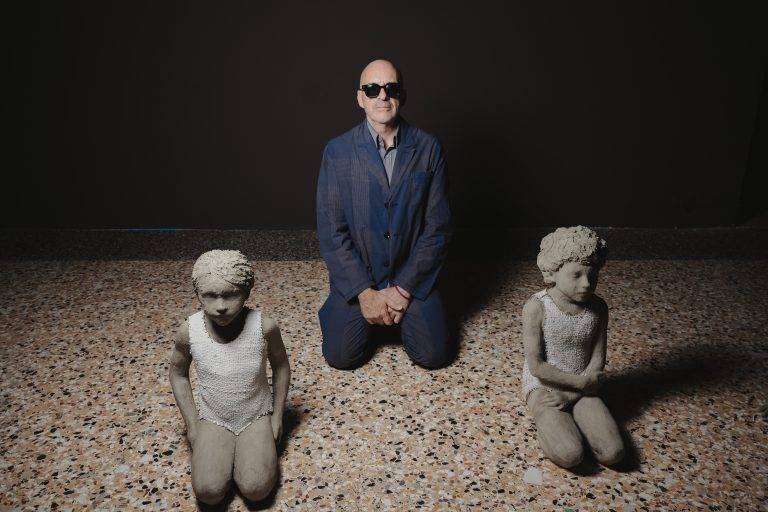
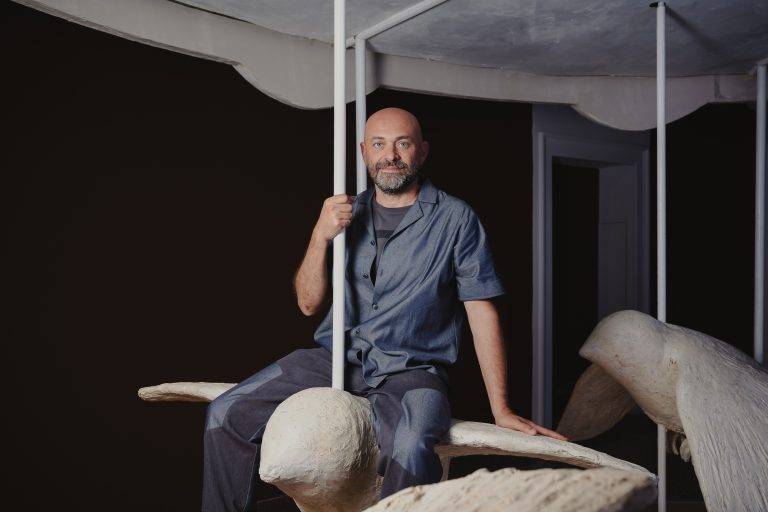
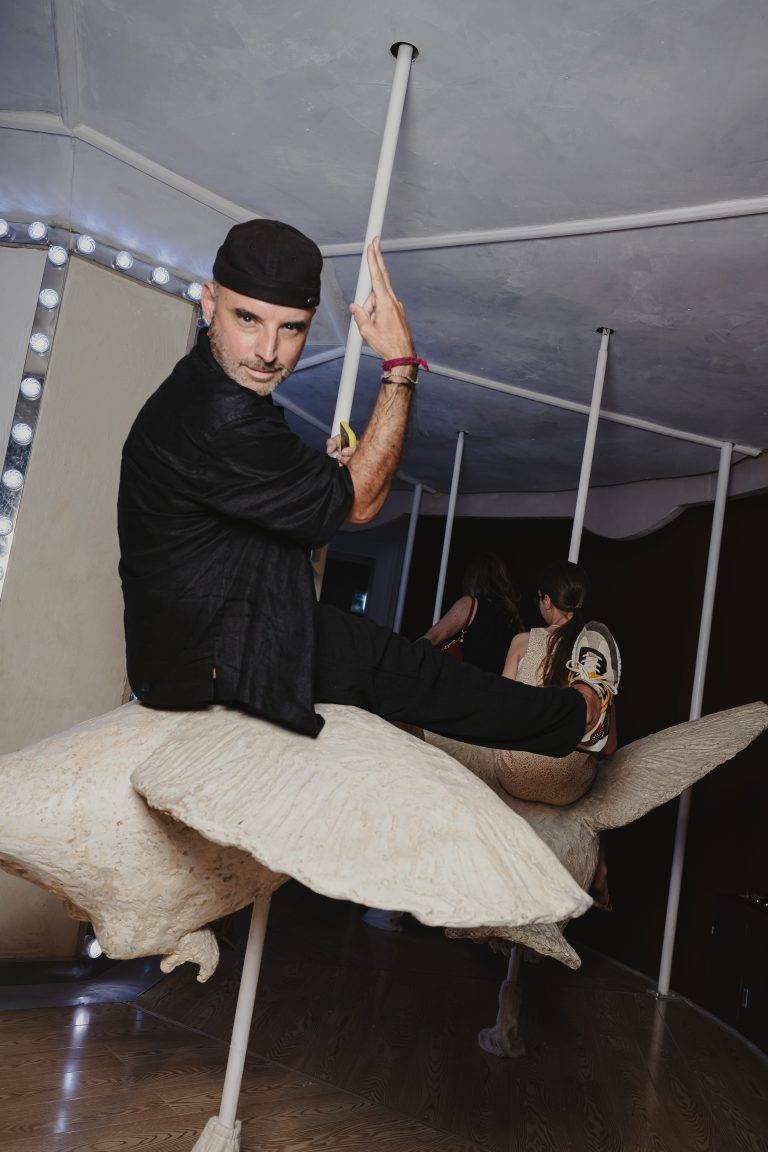
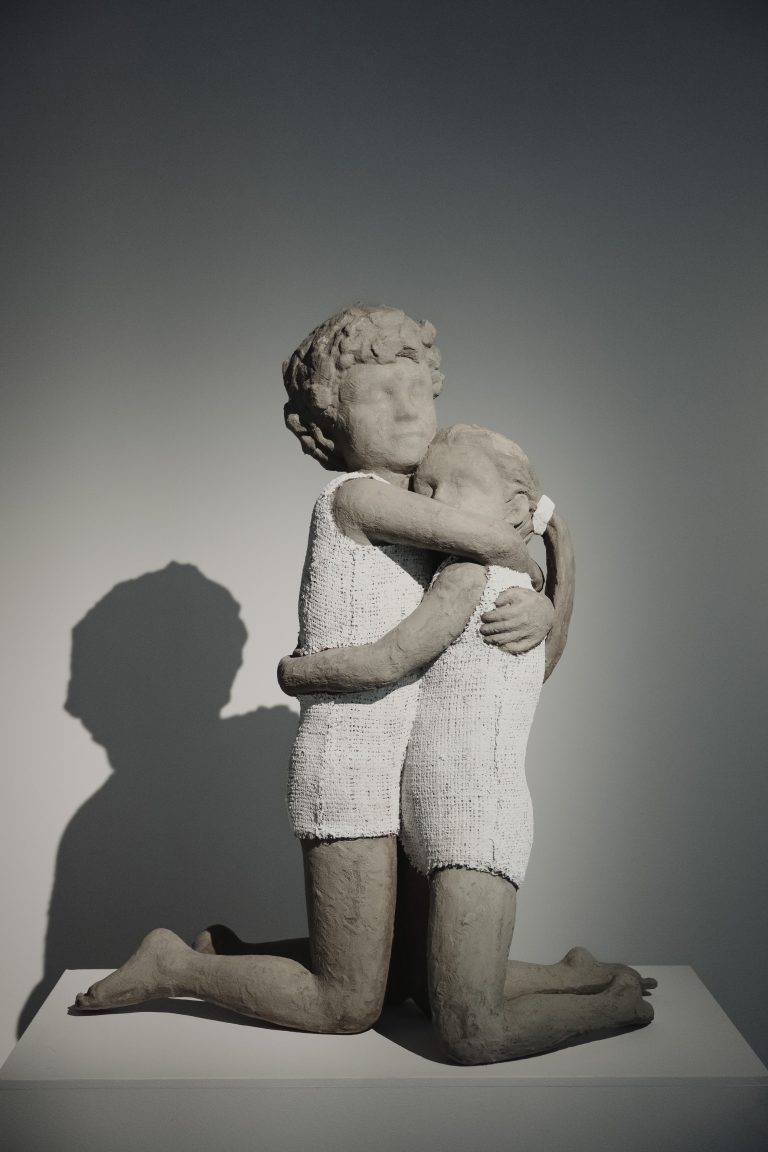
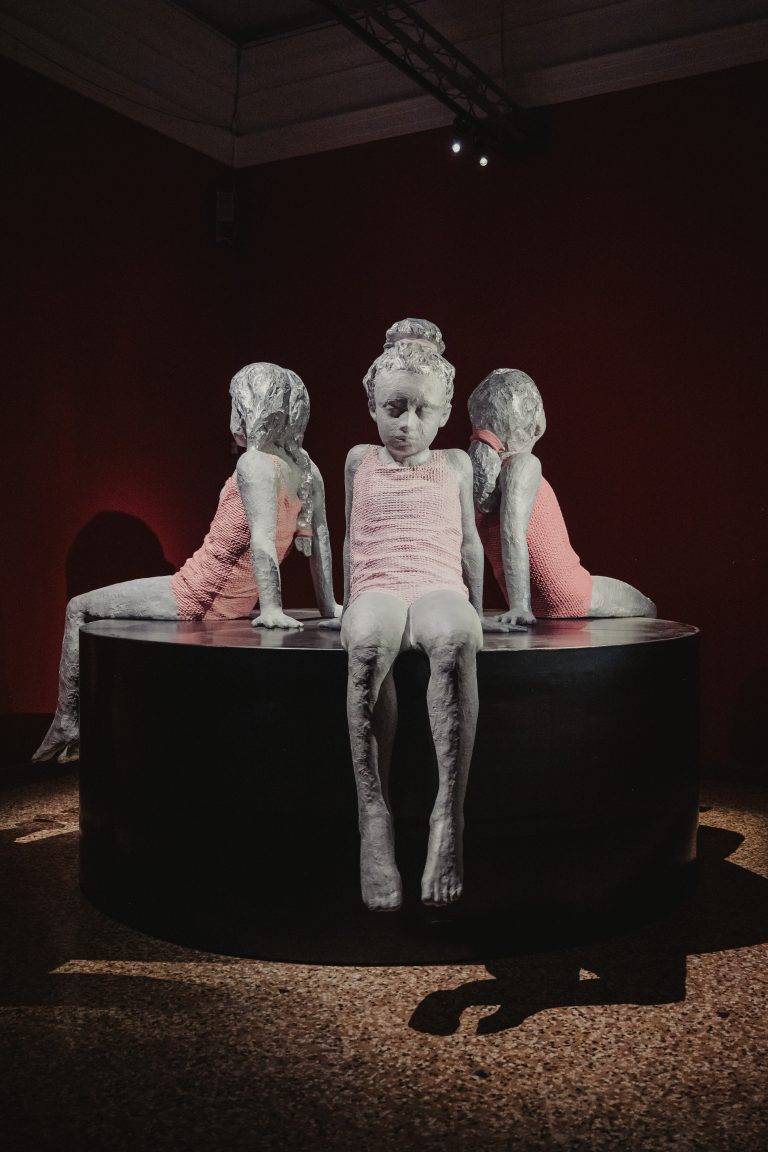
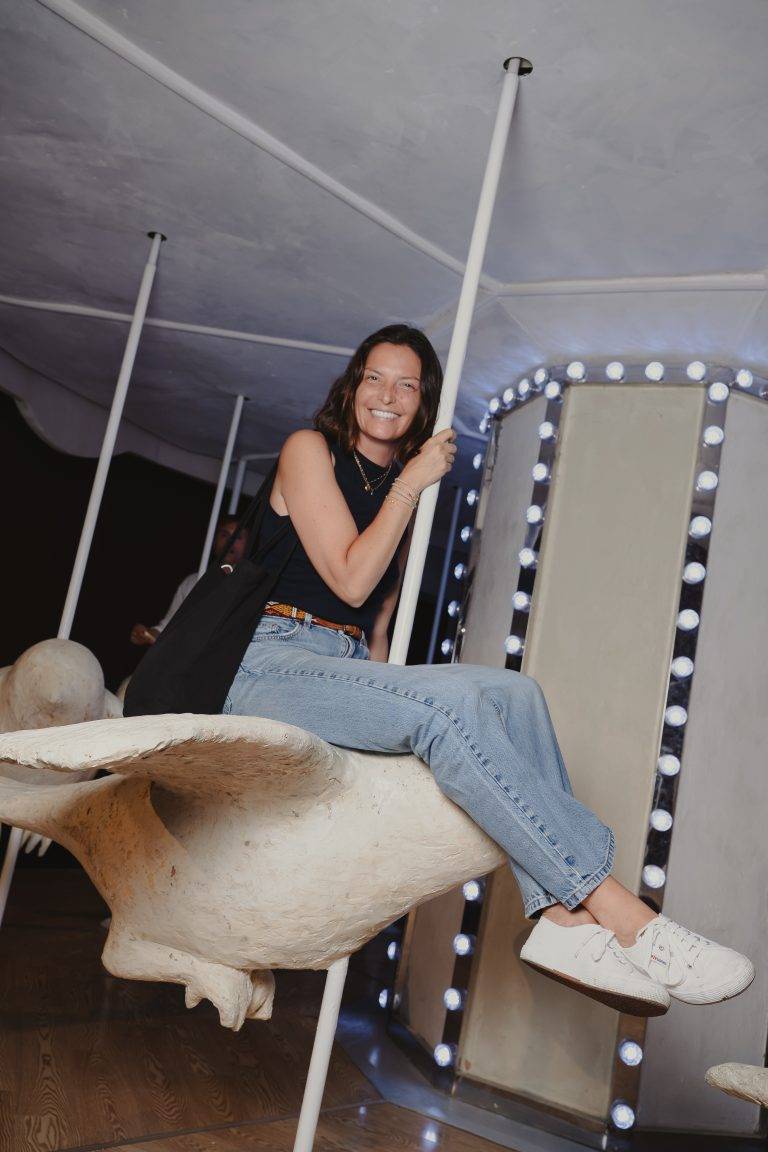
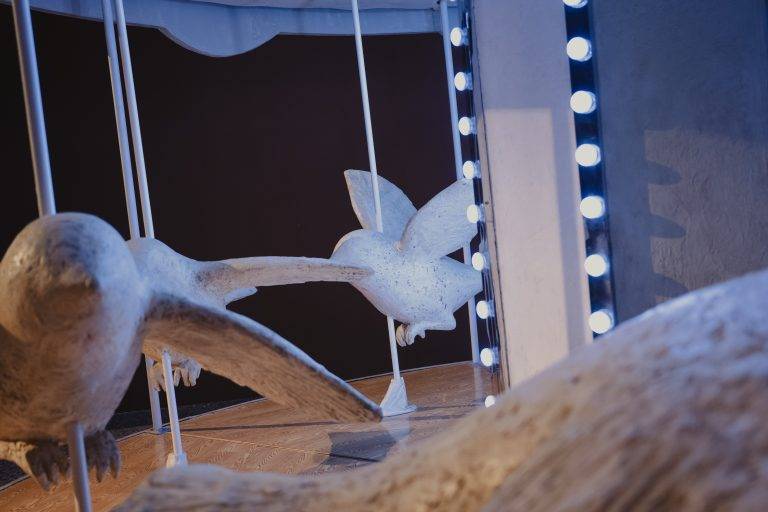
There is something deeply subversive in Valerio Berruti’s work. Not for the rhetoric of childhood—which certainly runs through all of his production—but for the way he turns it into a poetic detonator and a social mirror, overturning the codes of nostalgia into a political gesture, and innocence into responsibility. With the exhibition More than kids, on view at Palazzo Reale until November 2, Berruti doesn’t just exhibit—he stages. Or better yet, directs. And he does so with the ambition of a total filmmaker, building a visual and sonic journey that moves between monumental sculptures, video animations, frescoes, and immersive installations. Like La giostra di Nina—set to music by Ludovico Einaudi—an actual carousel visitors can ride, suspended between play and gravity.
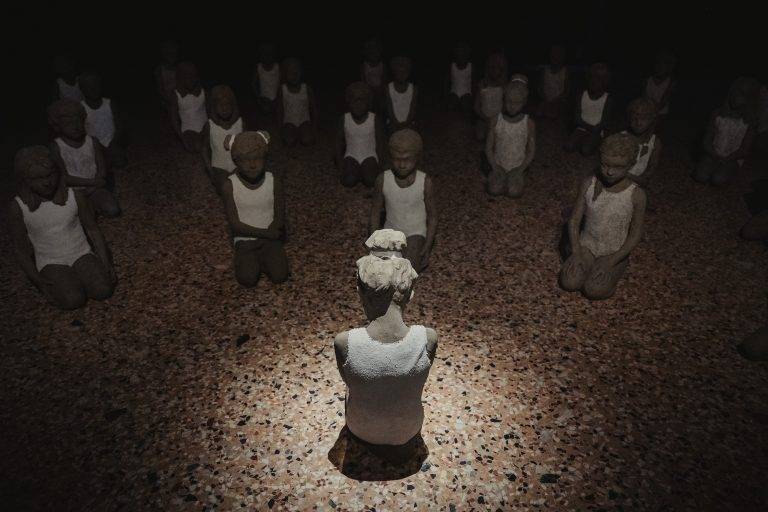
The show is curated by Nicolas Ballario, who pushes the reading of the exhibition beyond its apparent figurative delicacy: “It’s not about childhood, but about what childhood forces us to see.” Berruti’s suspended figures—children balanced between time and space—are collective archetypes, silent prophecies, identities to be deciphered. Some float, some lie on scorched earth, some invite us to silence. All of them question us. And if the question is “are we still in time to change things?”, the uncomfortable answer lies in our own reactions.
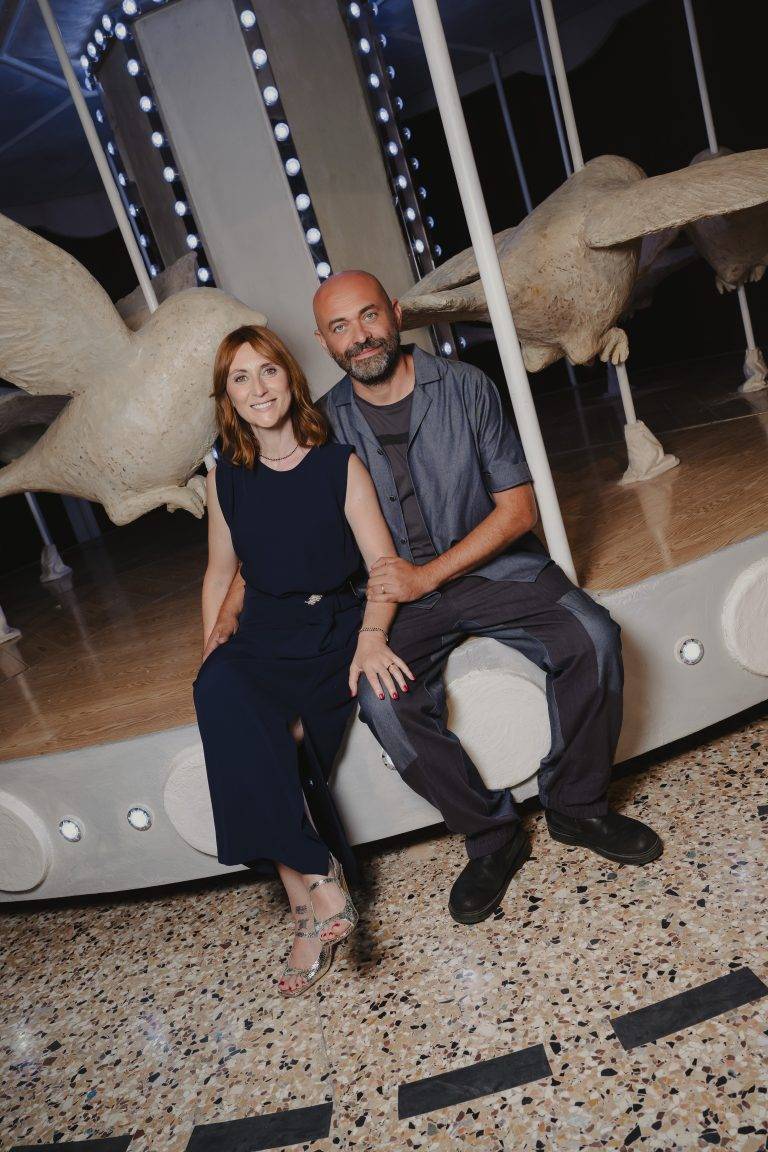
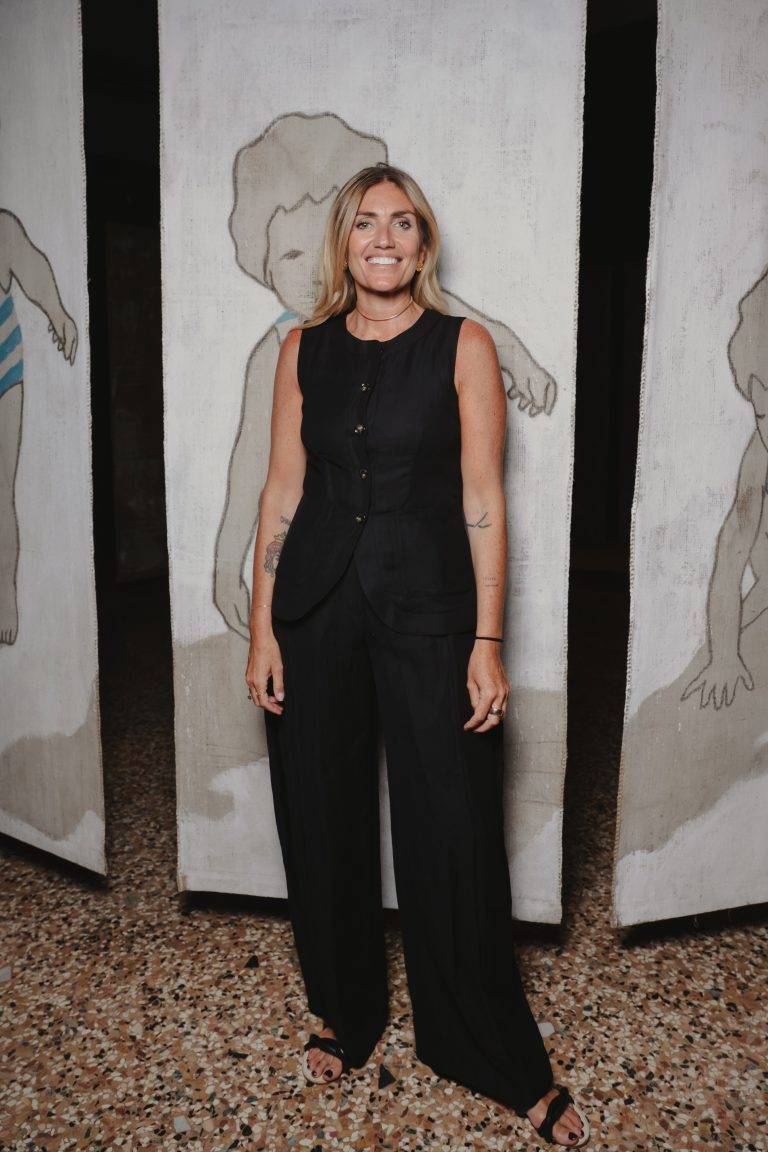
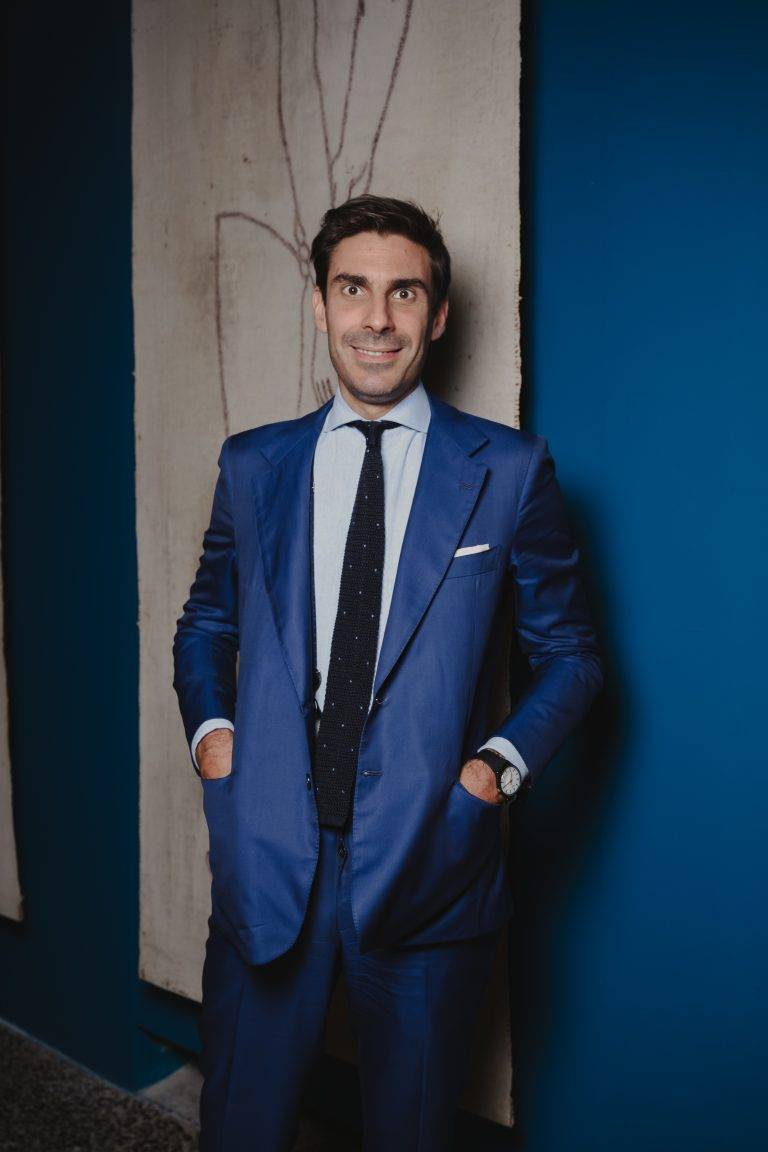
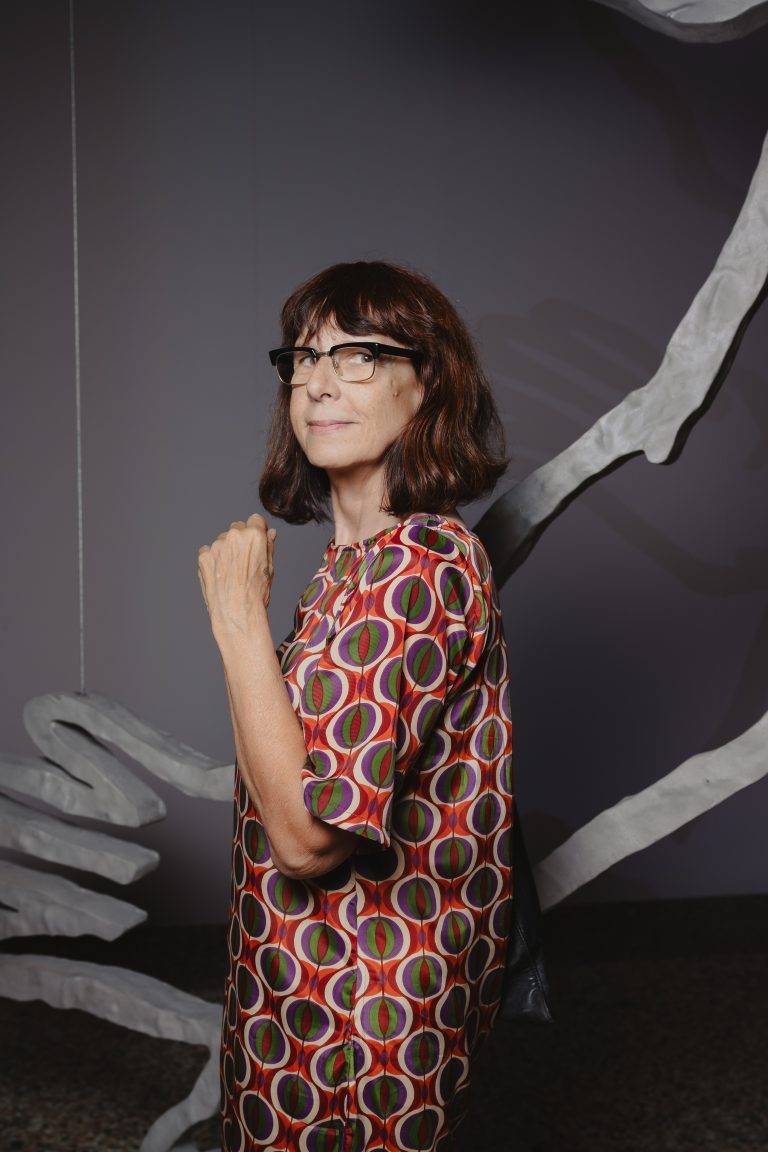
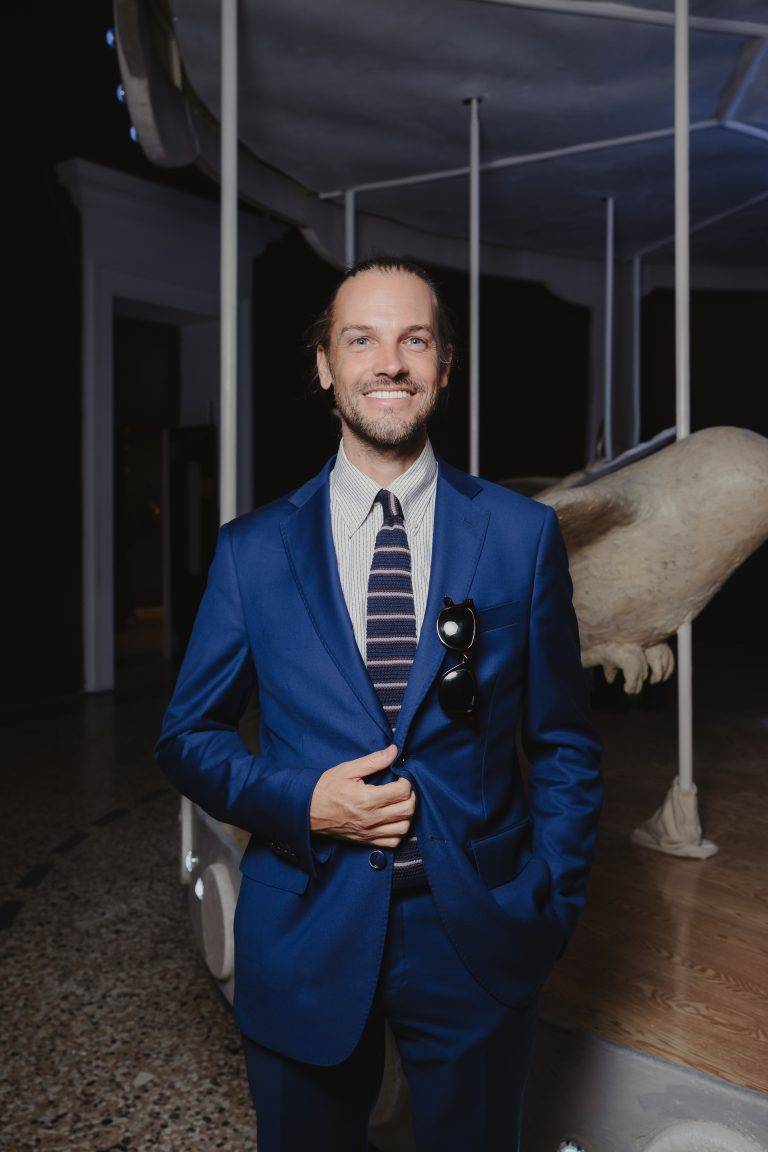
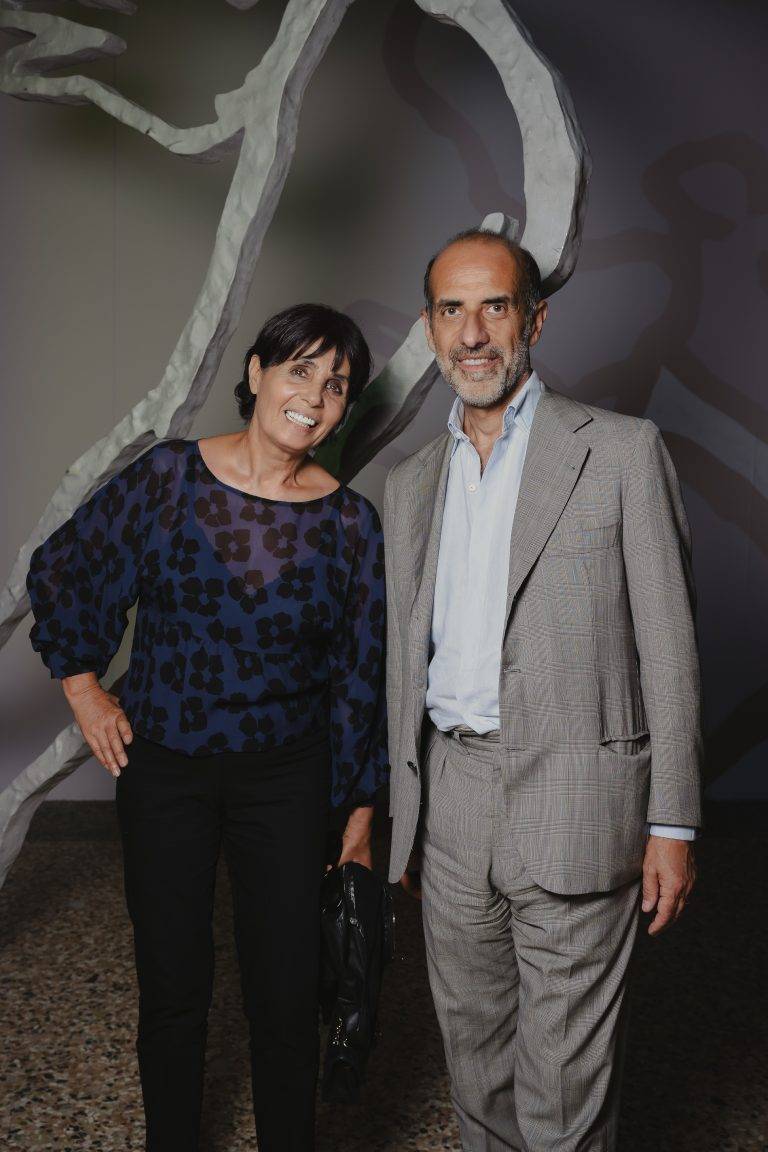
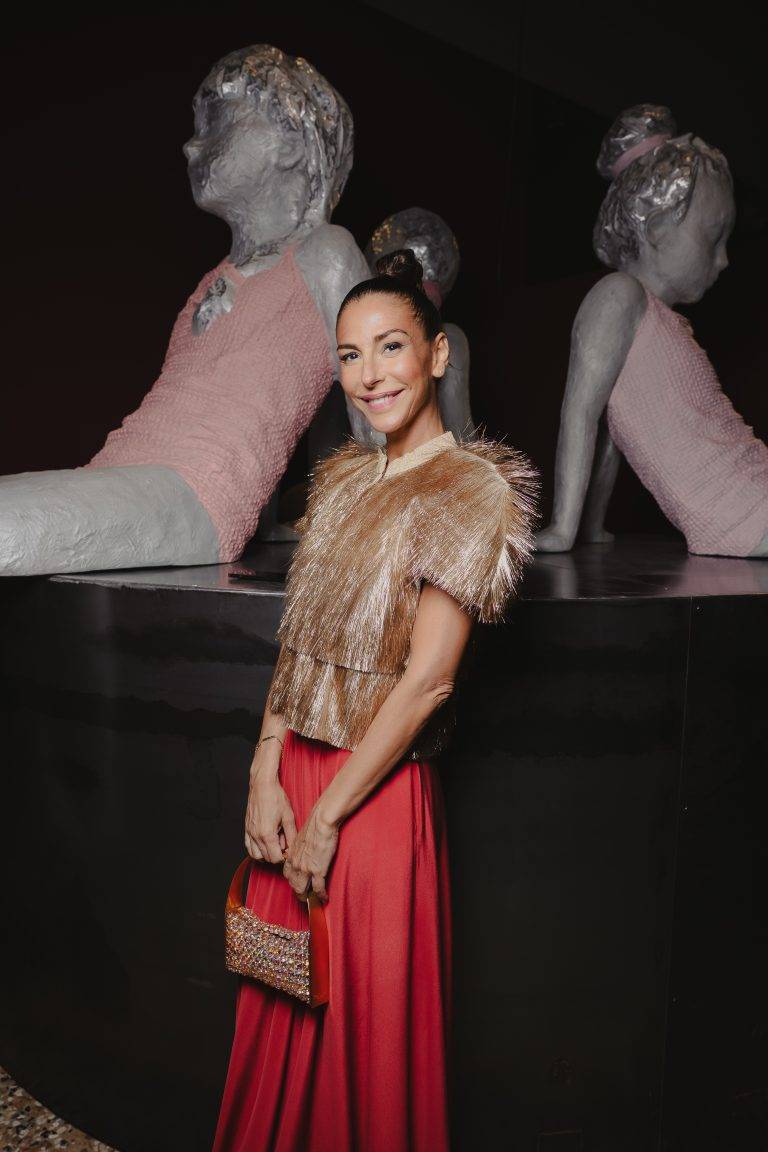
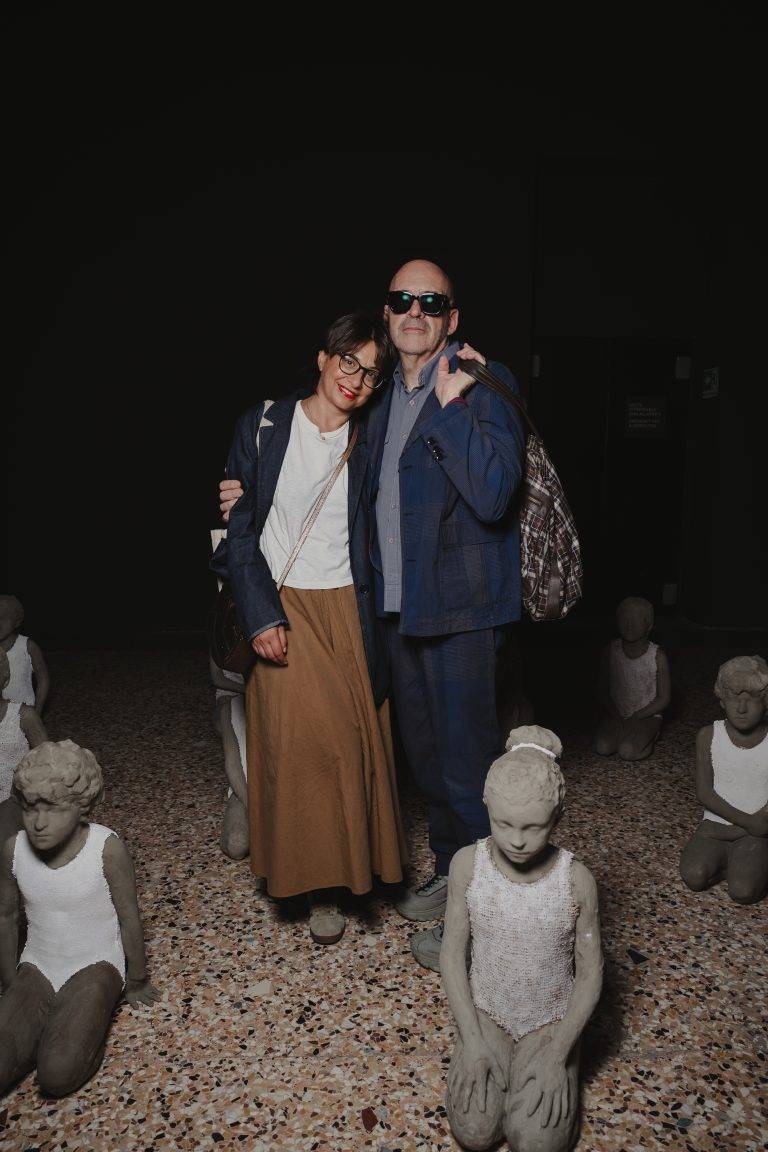
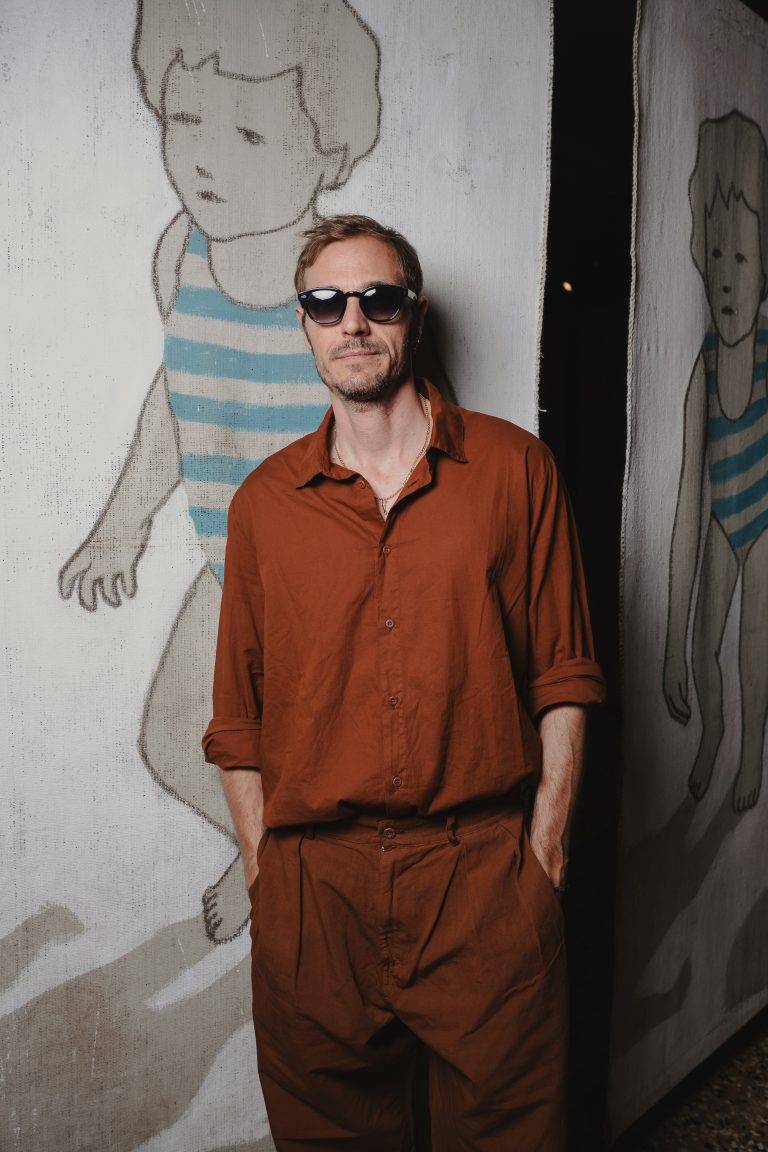
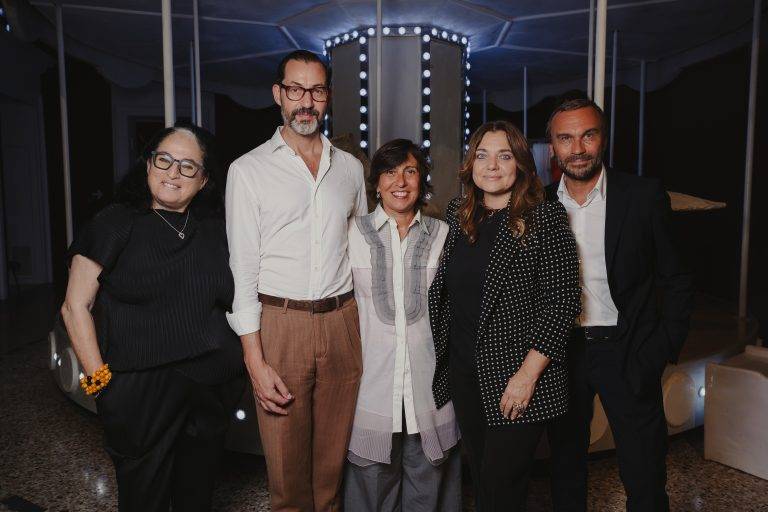
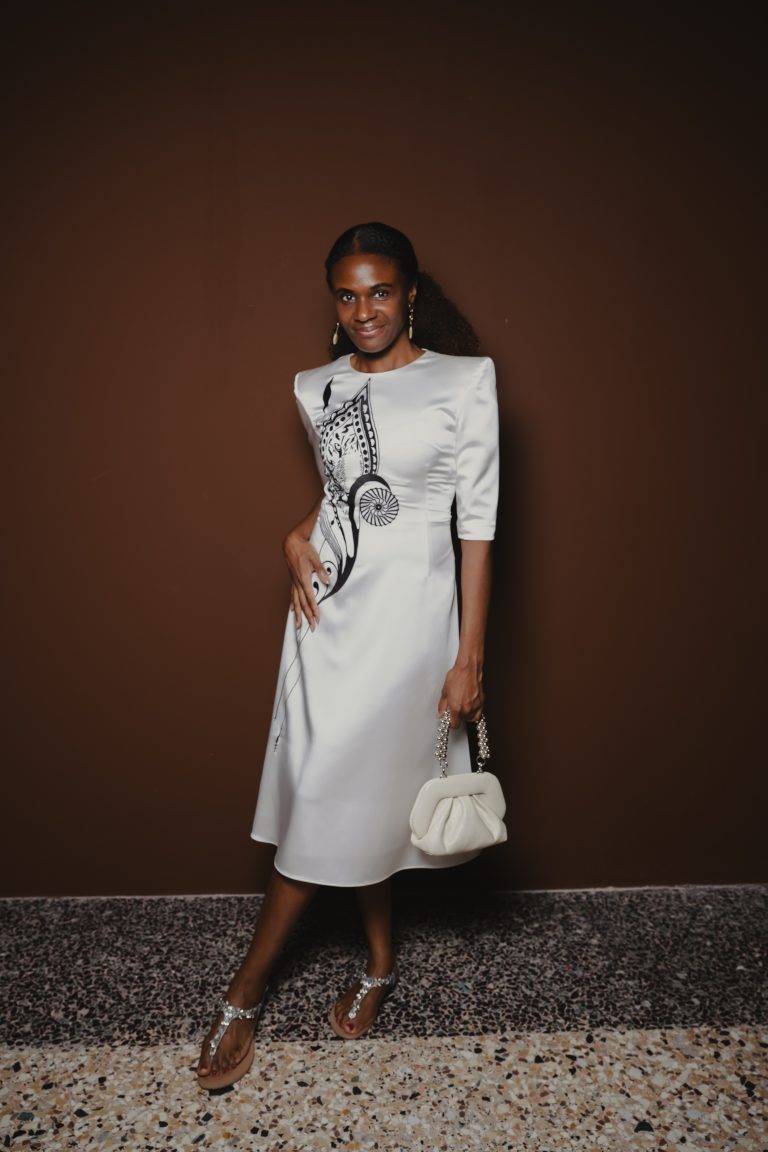
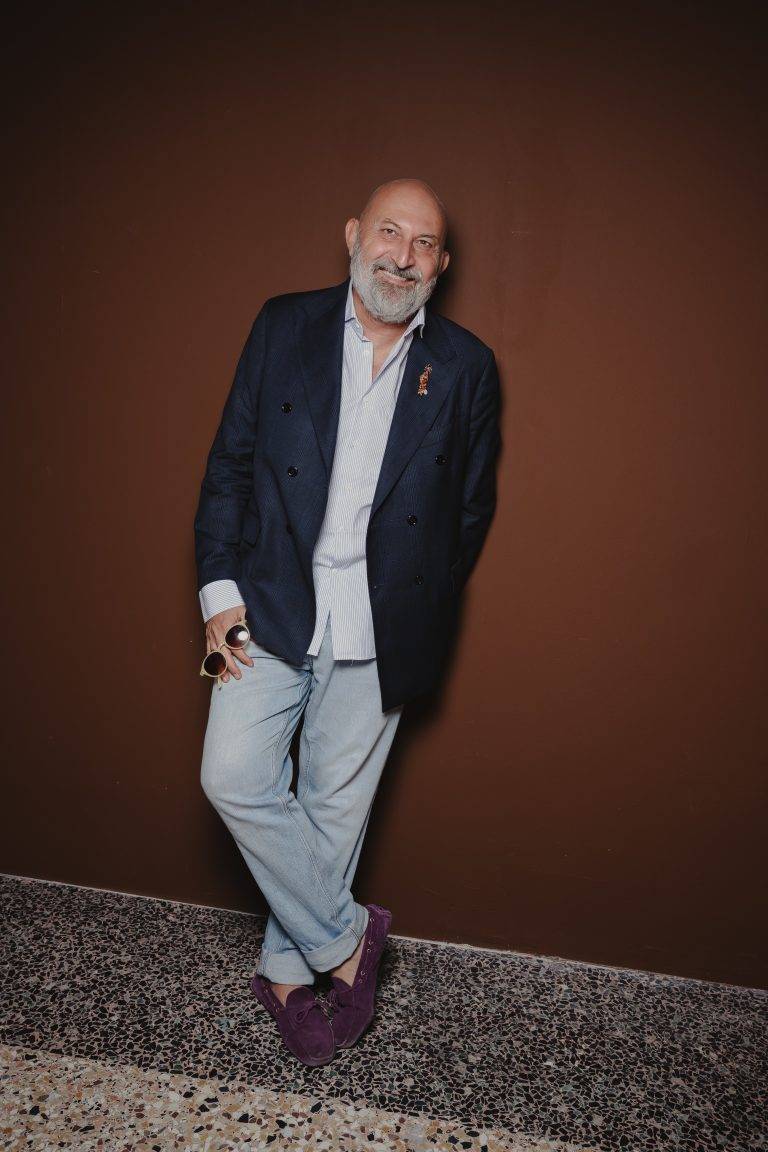
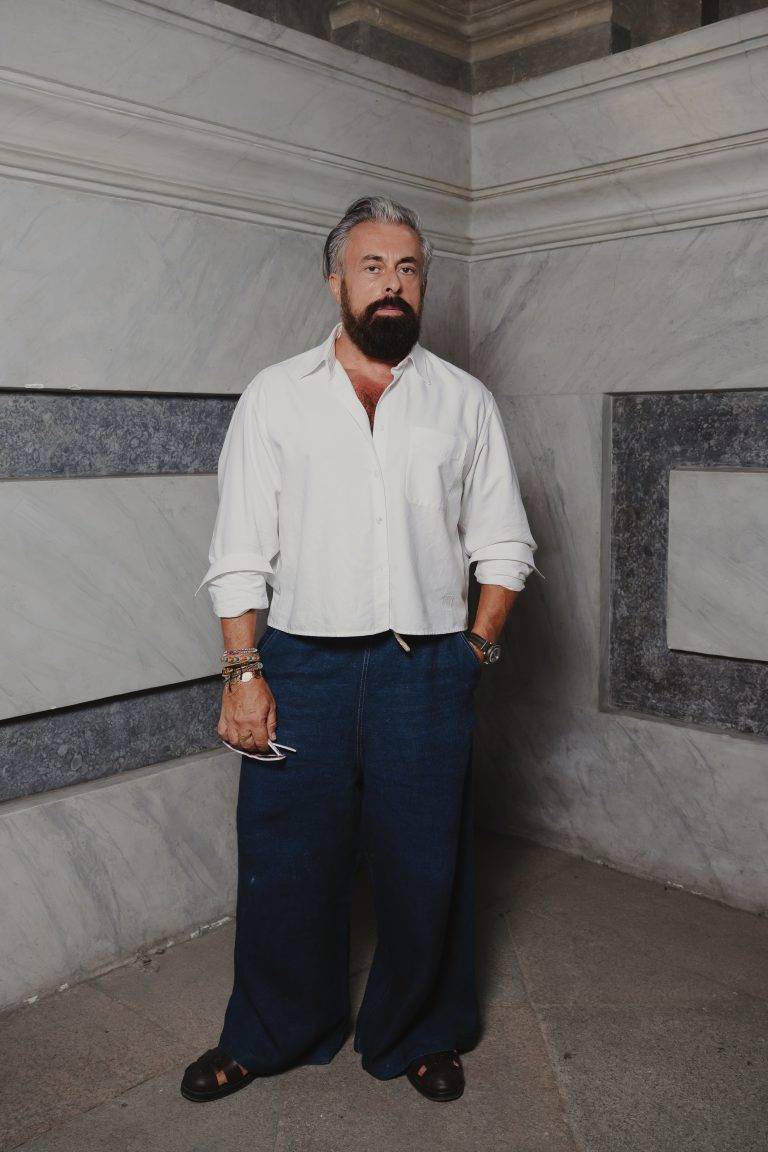
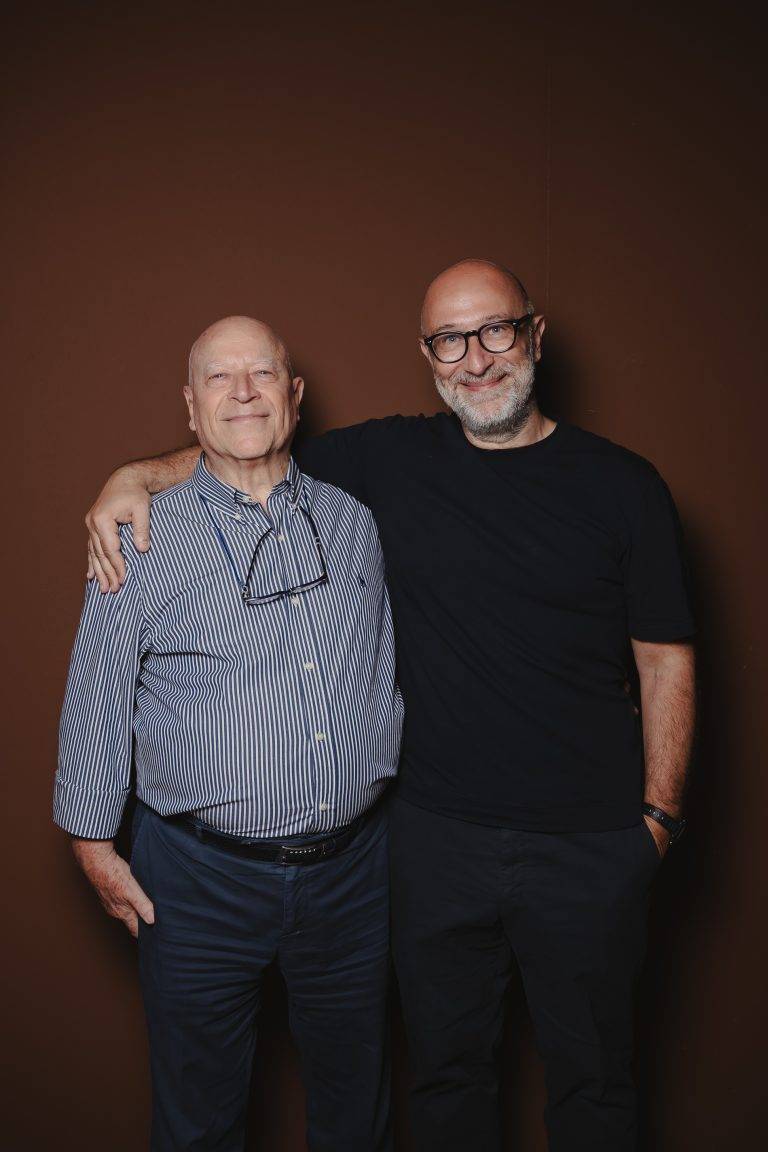
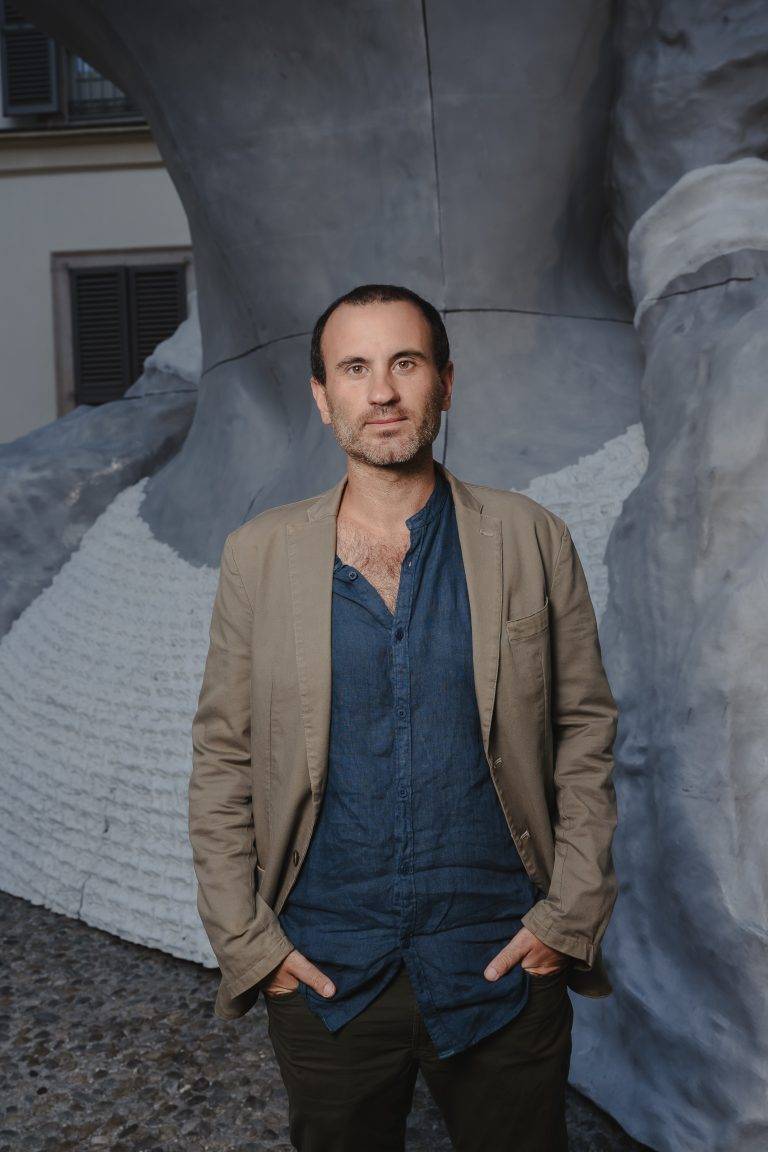
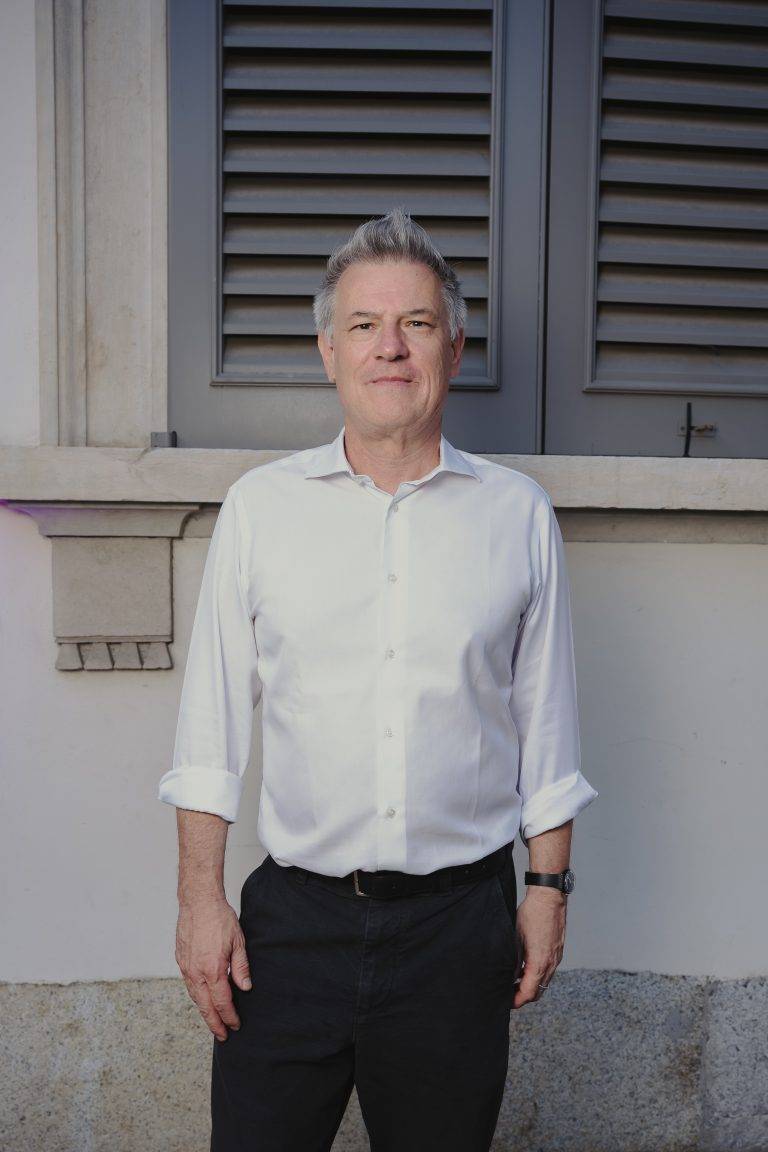
The exhibition is also a musical orchestration of powerful voices – from Daddy G of Massive Attack, who composed the soundtrack for Don’t let me be wrong, to Samuel from Subsonica, Rodrigo D’Erasmo, Paolo Conte, and Ryuichi Sakamoto – It was inaugurated the other night in Milan, with many prominent cultural figures in attendance. Among them, alongside Berruti and his wife Elisa Giordano, were curator Nicolas Ballario, Antonio Marras, Malika Ayane, Tommaso Sacchi, Rodrigo D’Erasmo, Stefano Seletti, Francesca Lavazza, Patrizia Sandretto Re Rebaudengo, and Gianfranco Maraniello.
Guests moved through the various works of the Piedmontese artist. Each piece is an echo, an emotional loop, a synesthesia. And each room of Palazzo Reale—a monumental space that welcomes without overwhelming—is a passage into that place we’ve all been, and where, perhaps, we should return. Not to regress, but to remember. And to see again.
Photos: Ludovica Arcero
Text: Germano D’Acquisto