The Peggy Guggenheim Collection Celebrates Fontana and His Sublime Ceramics in Venice
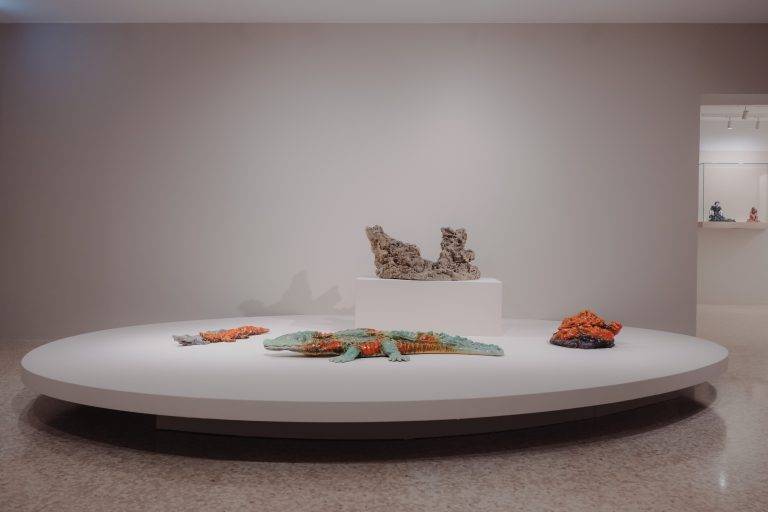
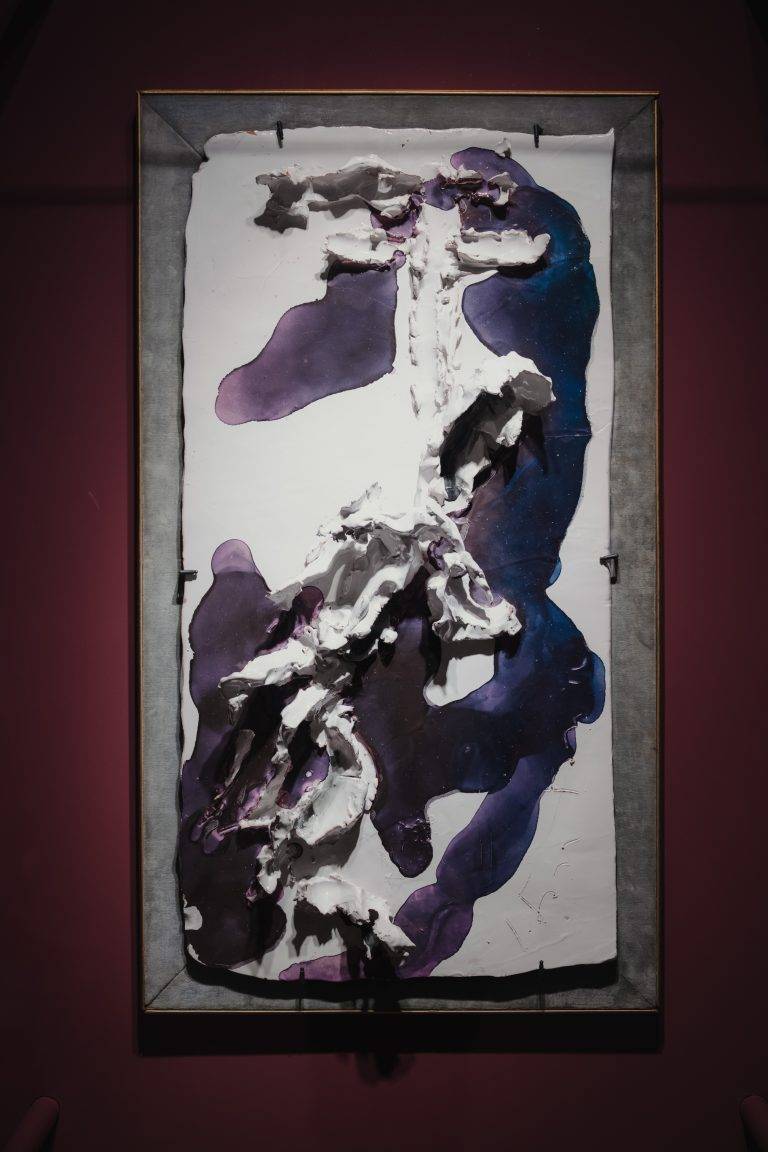
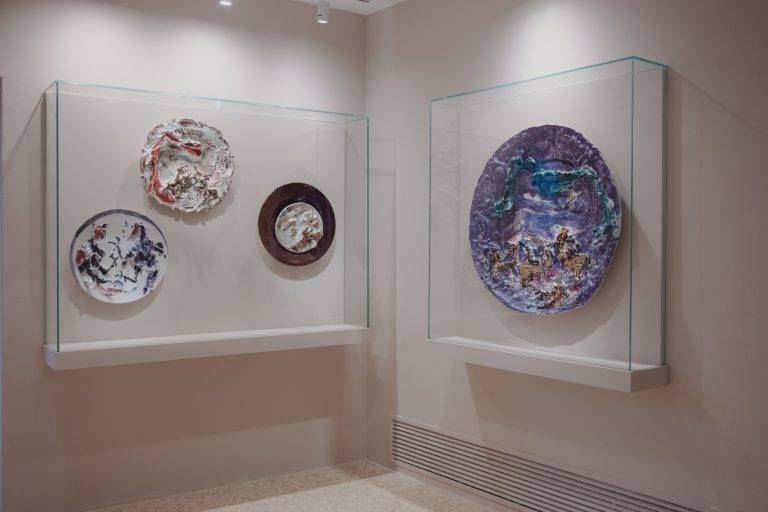
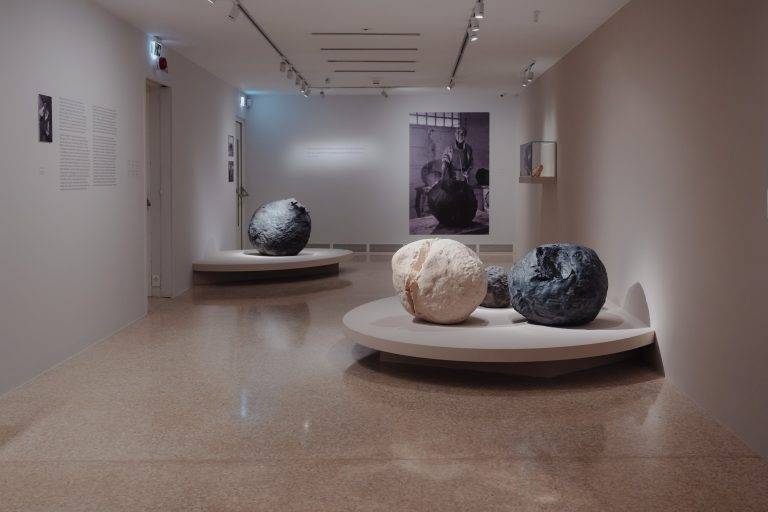
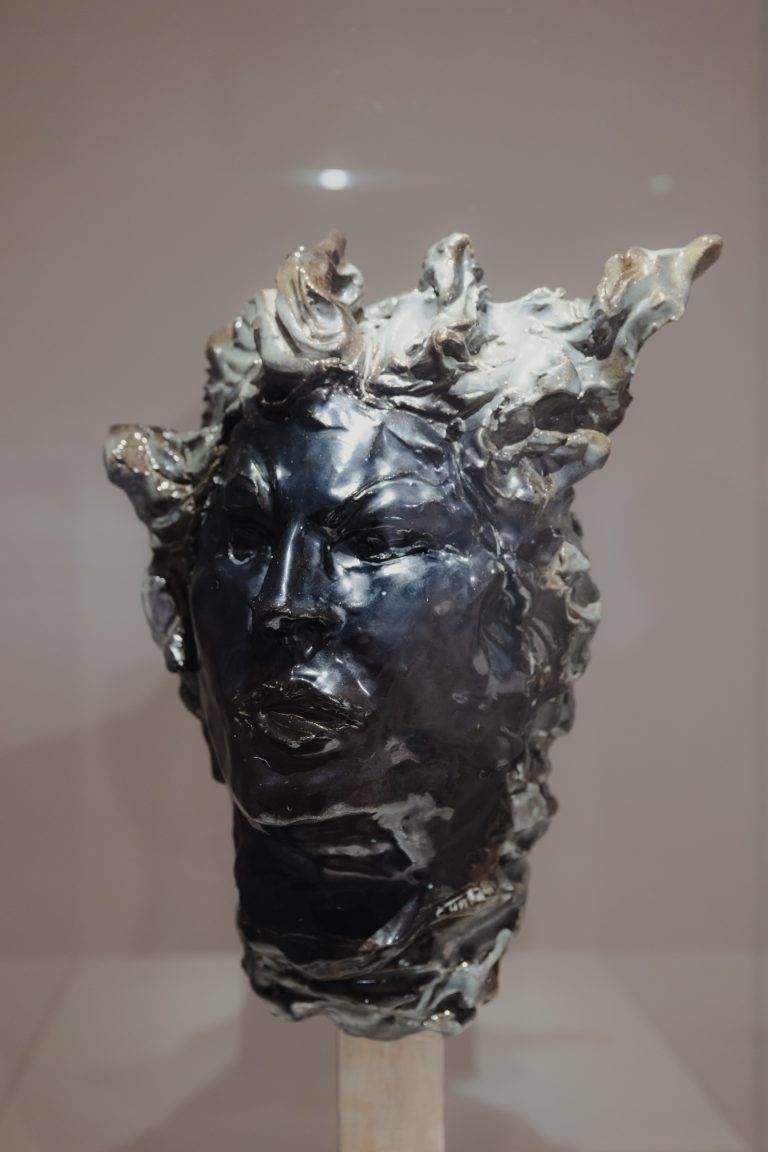
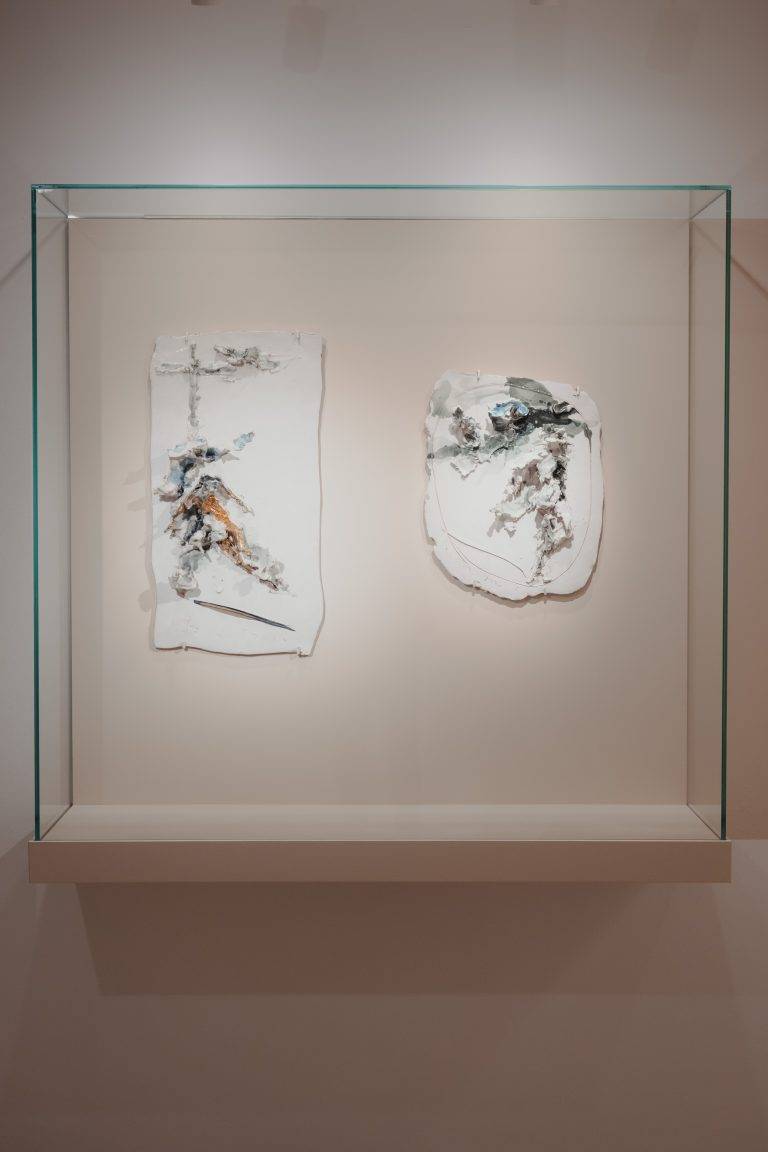
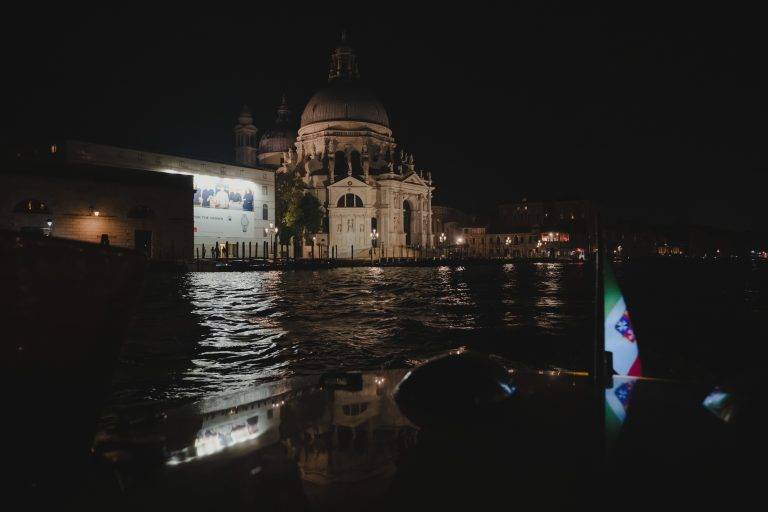
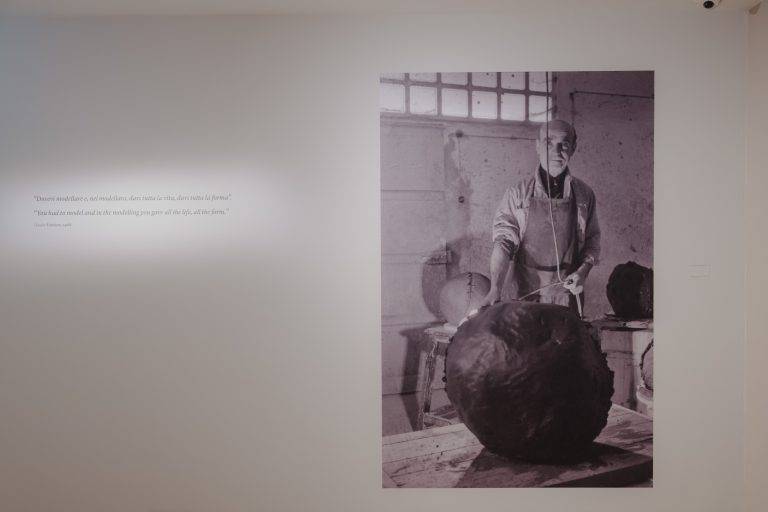
Venice has its rituals, and the one that unfolded the other evening at the Peggy Guggenheim Collection was among the most elegant—and sought-after—of the season. On the banks of the Grand Canal, Mani-Fattura: The Ceramics of Lucio Fontana opened its doors, bringing the master of Spatialism back to his most earthly dimension — that of clay, fire, and dirty hands. Curated by Sharon Hecker, the exhibition, on view until March 2, 2026, gathers around seventy works that rewrite the profile of an artist too often confined to the myth of the cut.
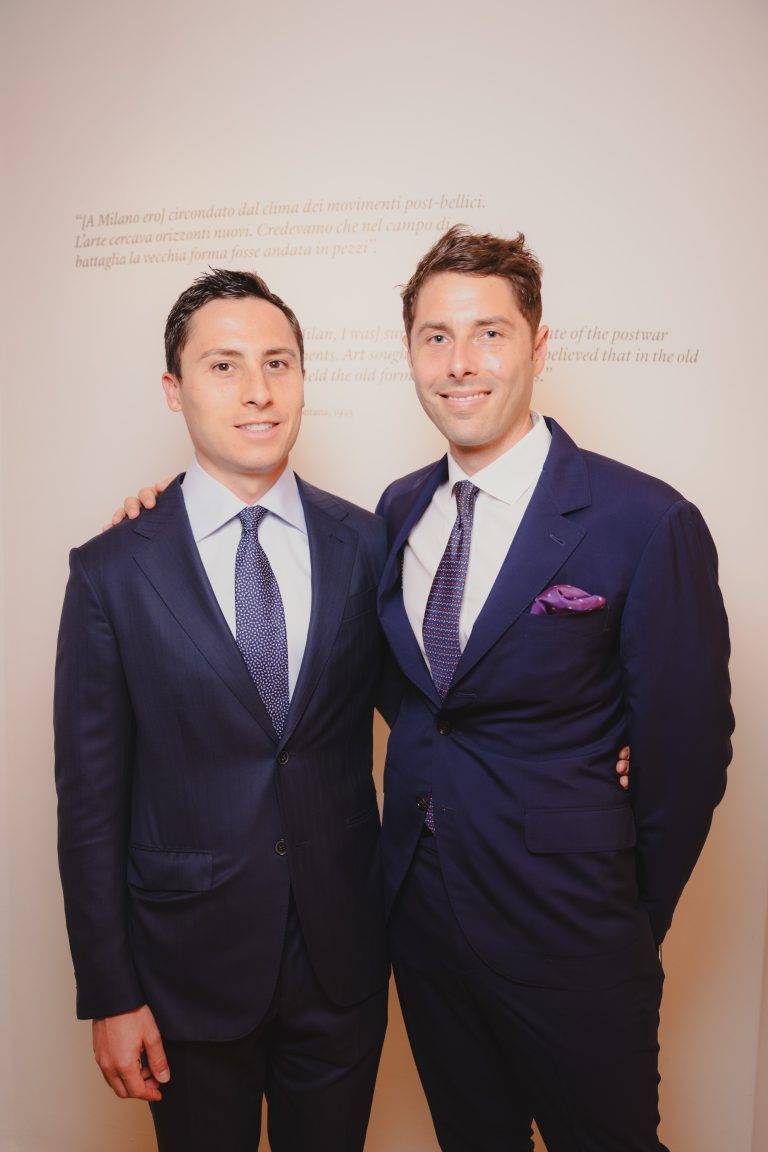
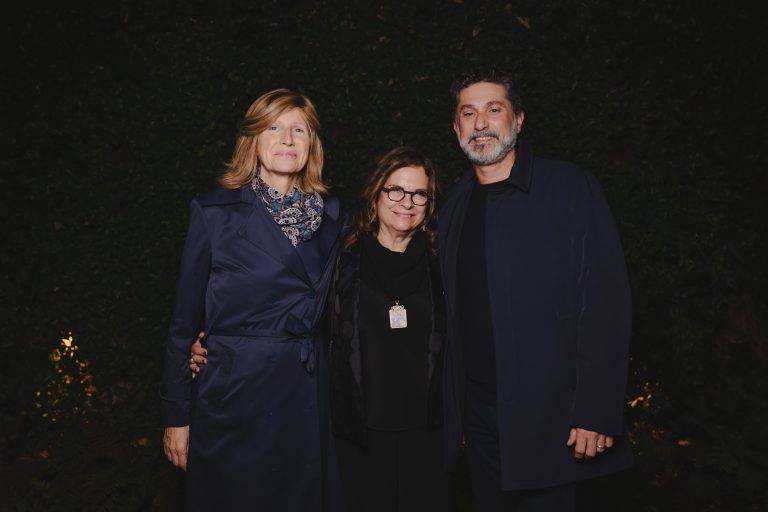
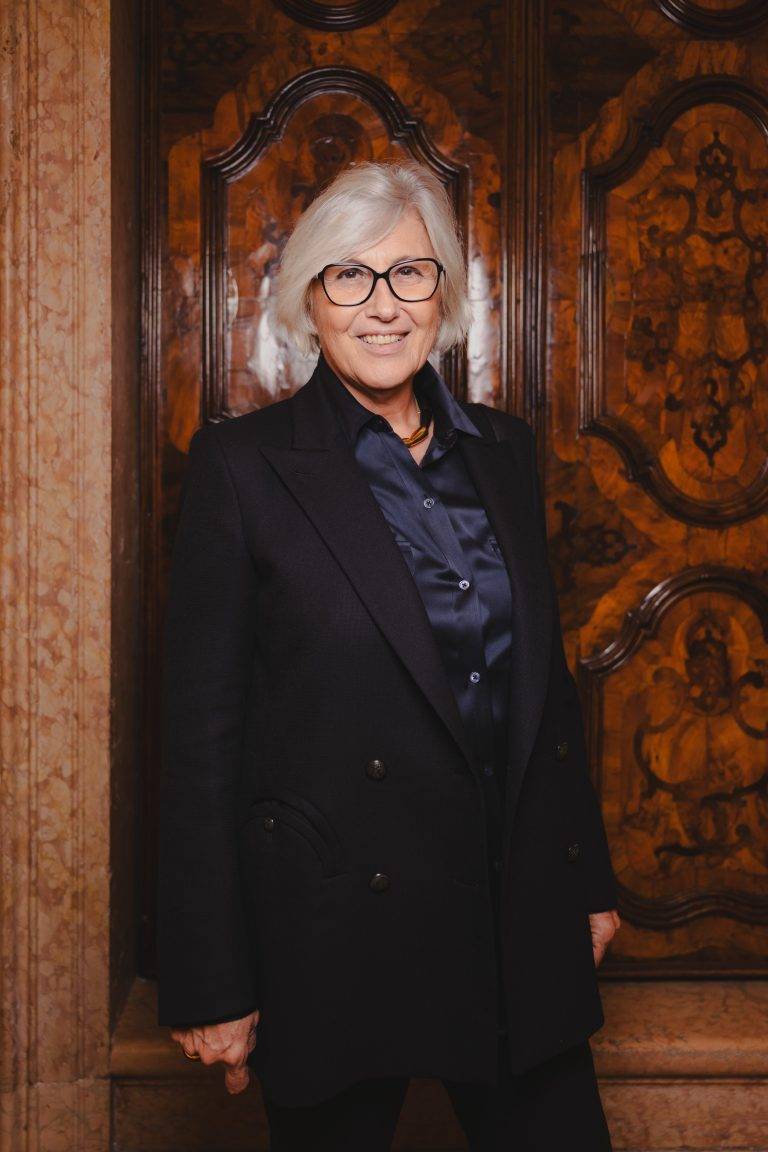
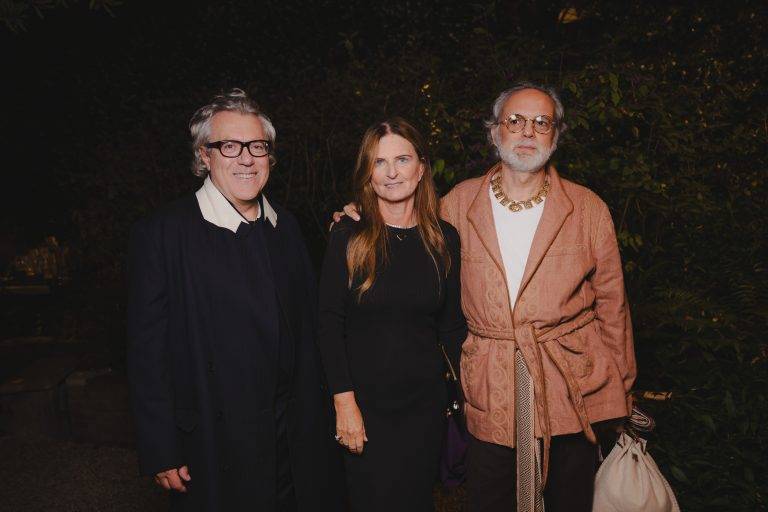
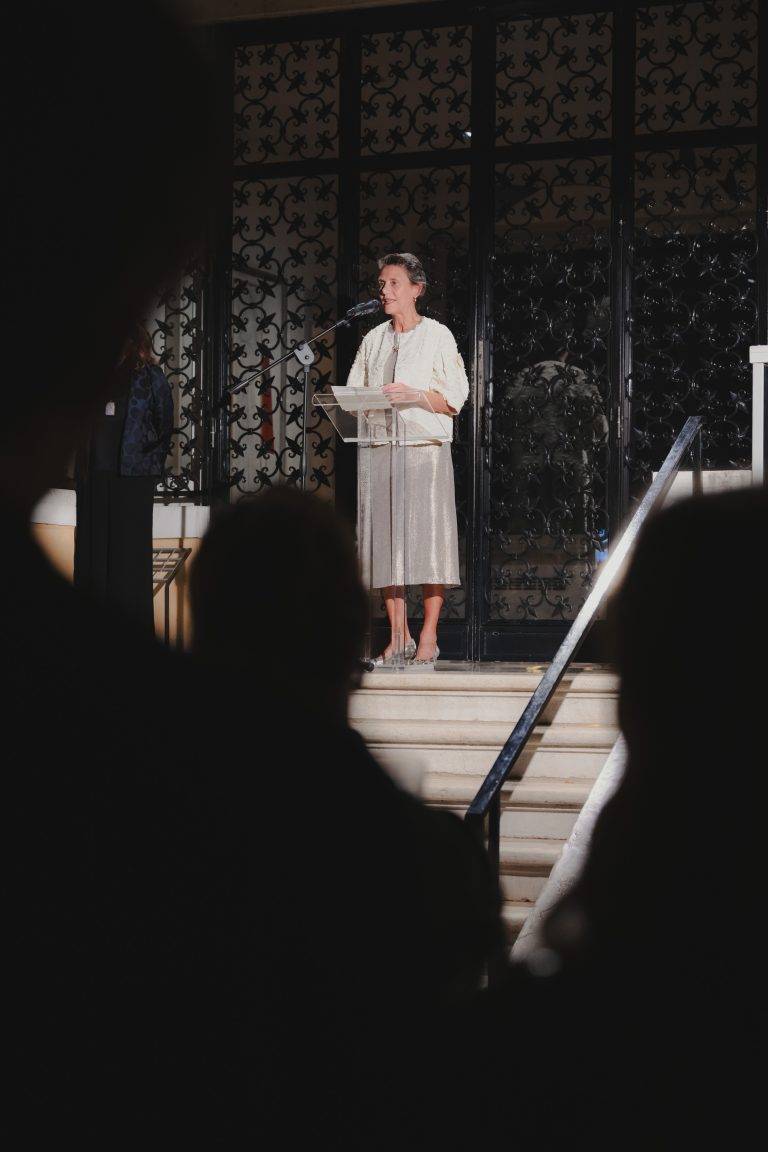
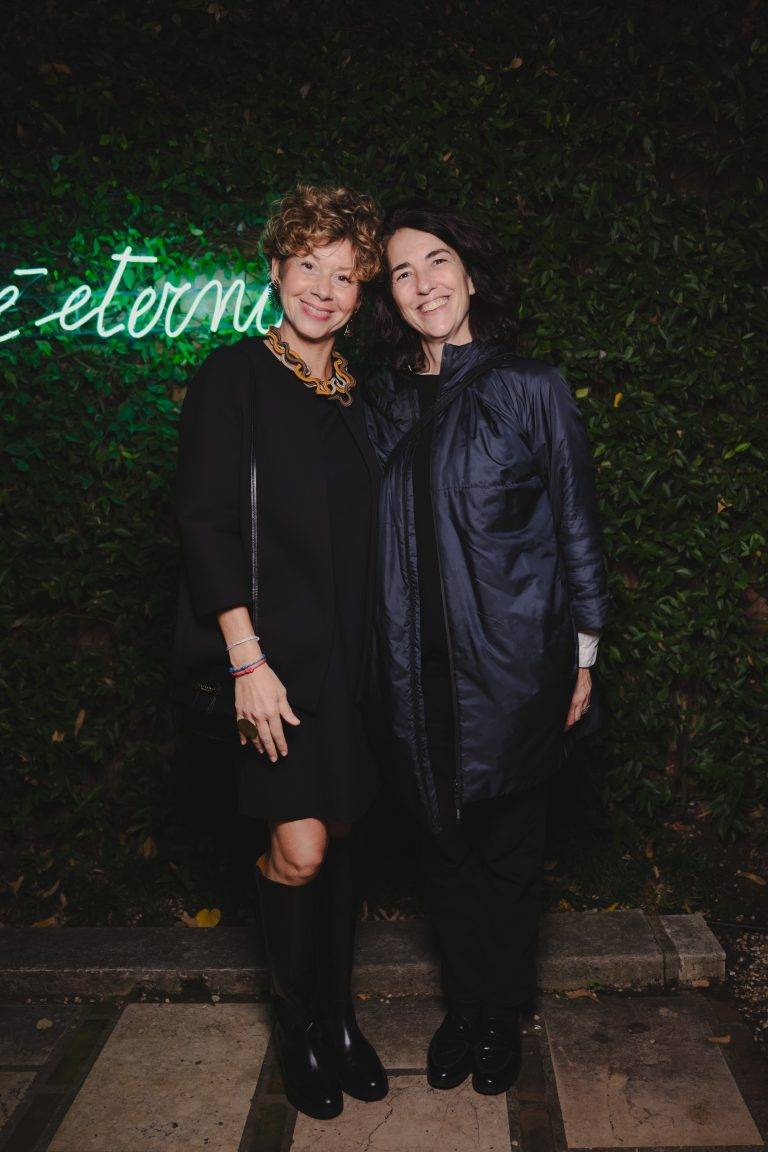
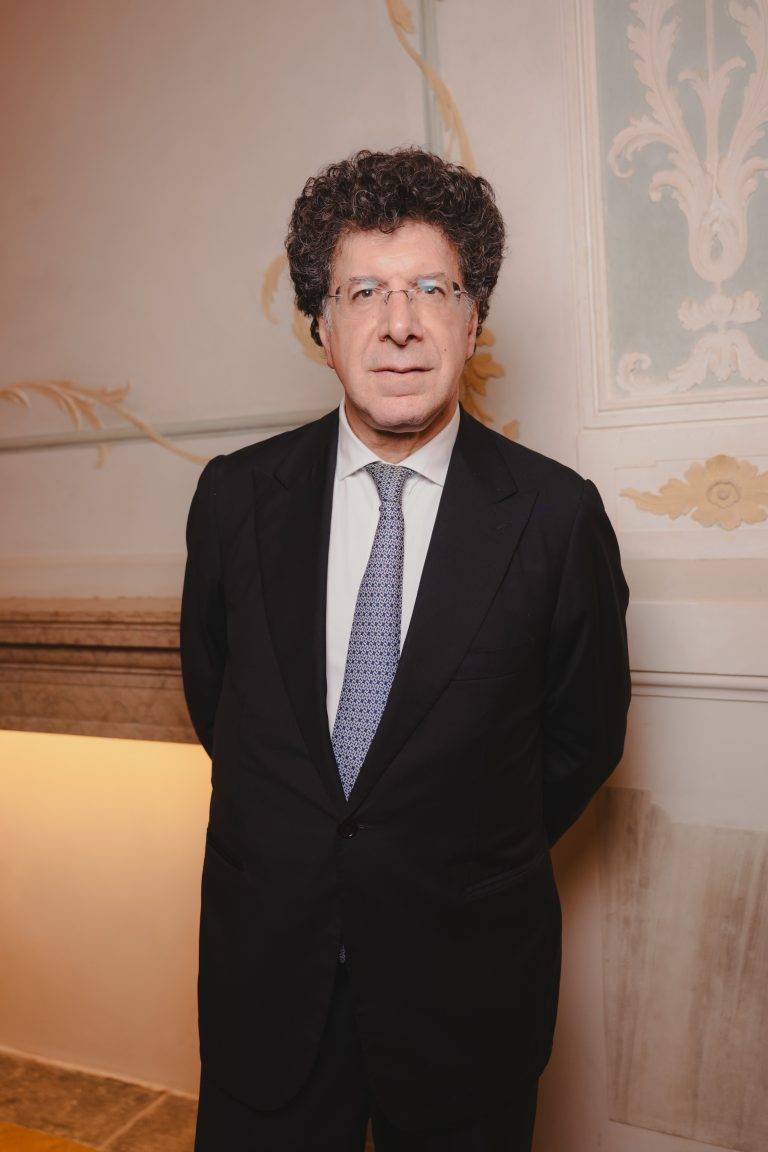
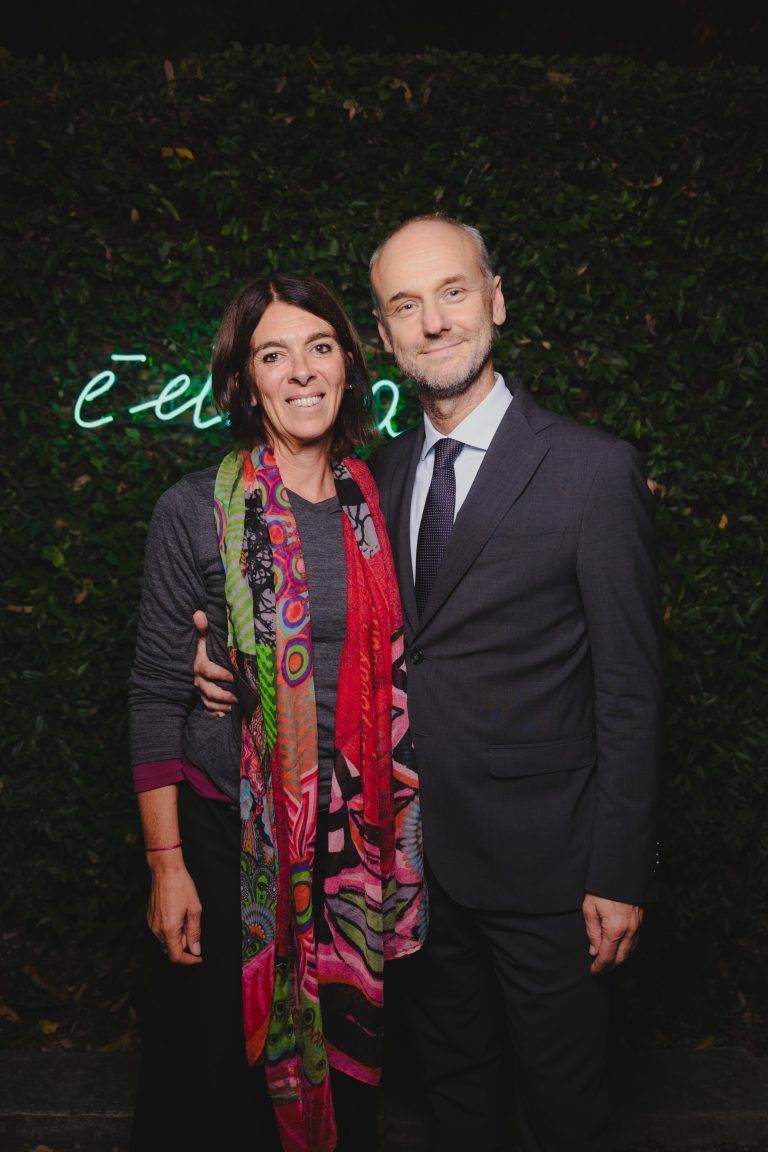
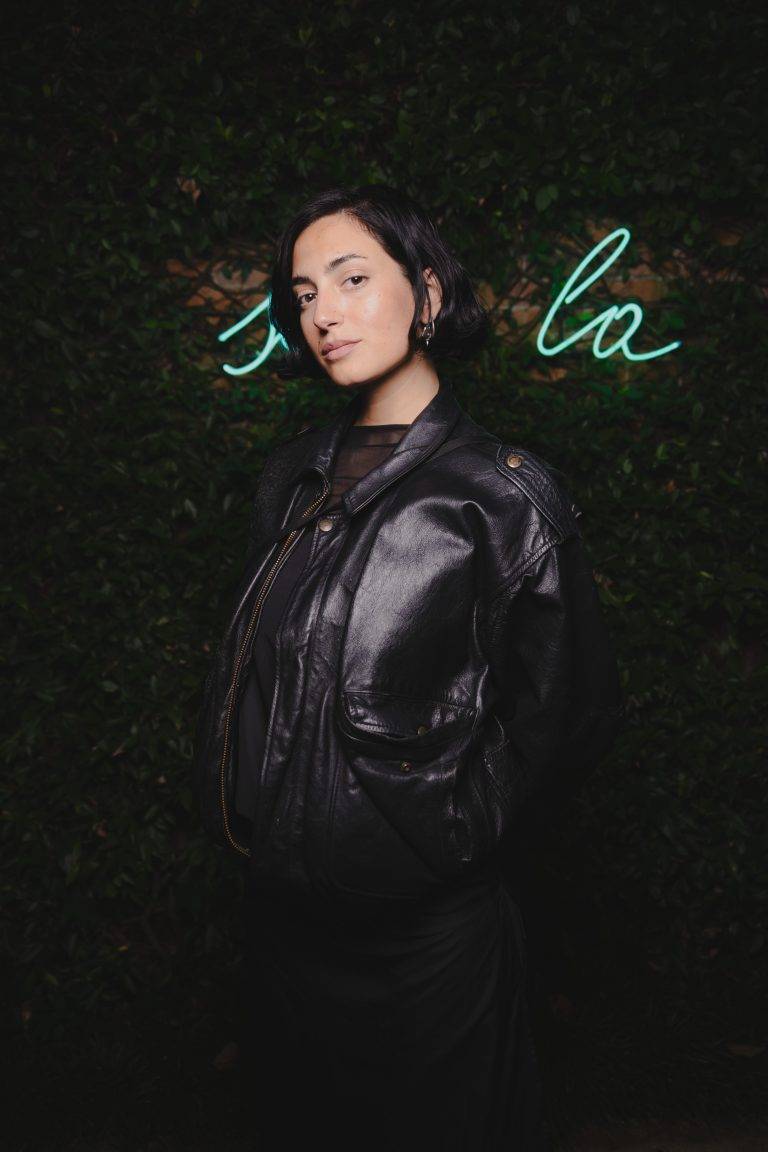
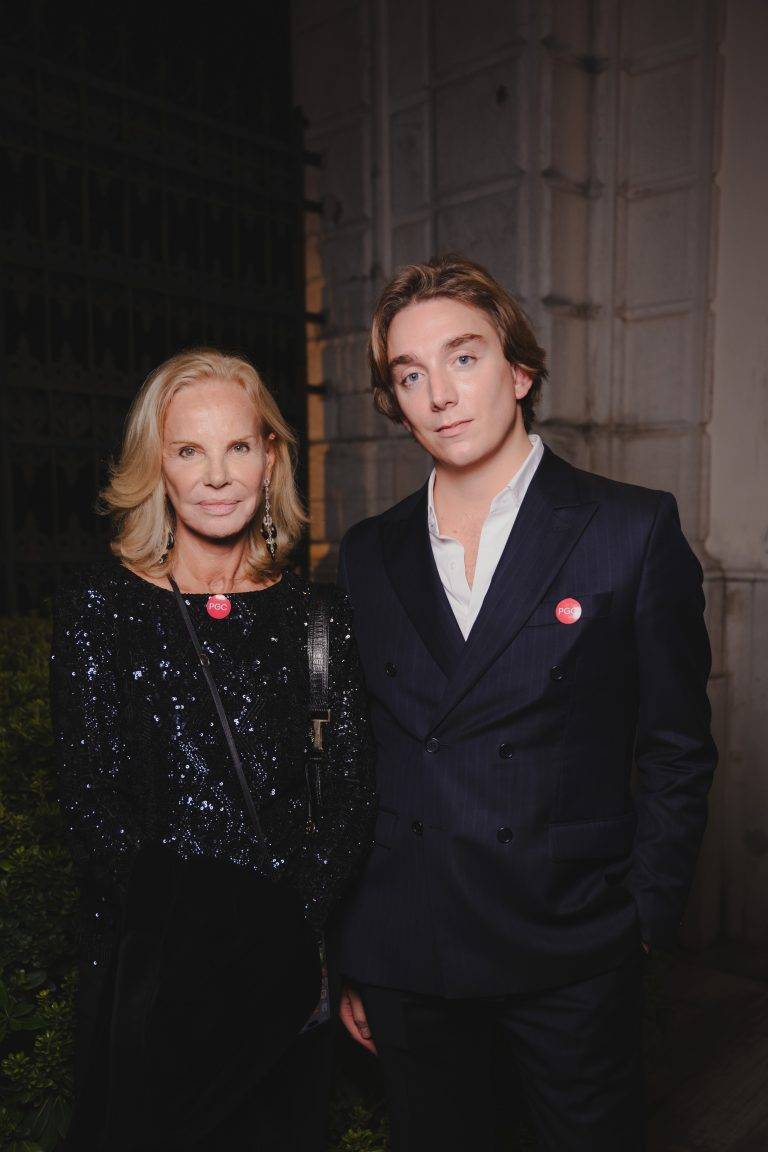
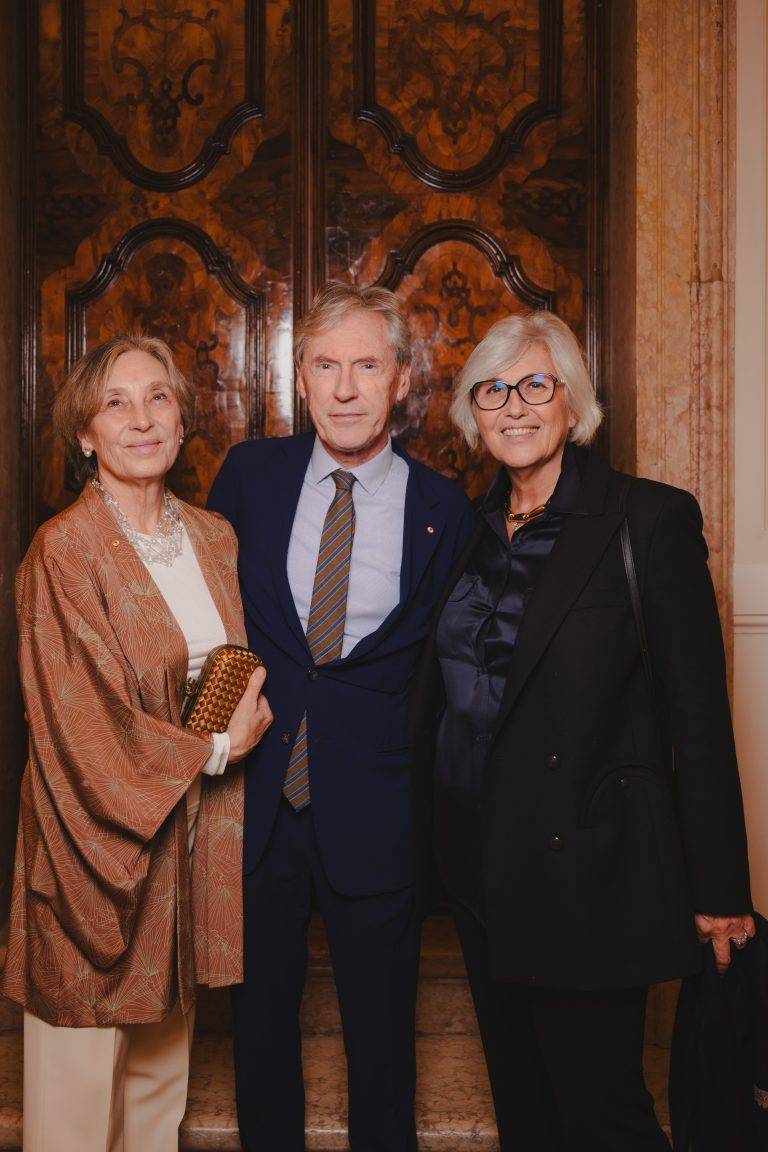
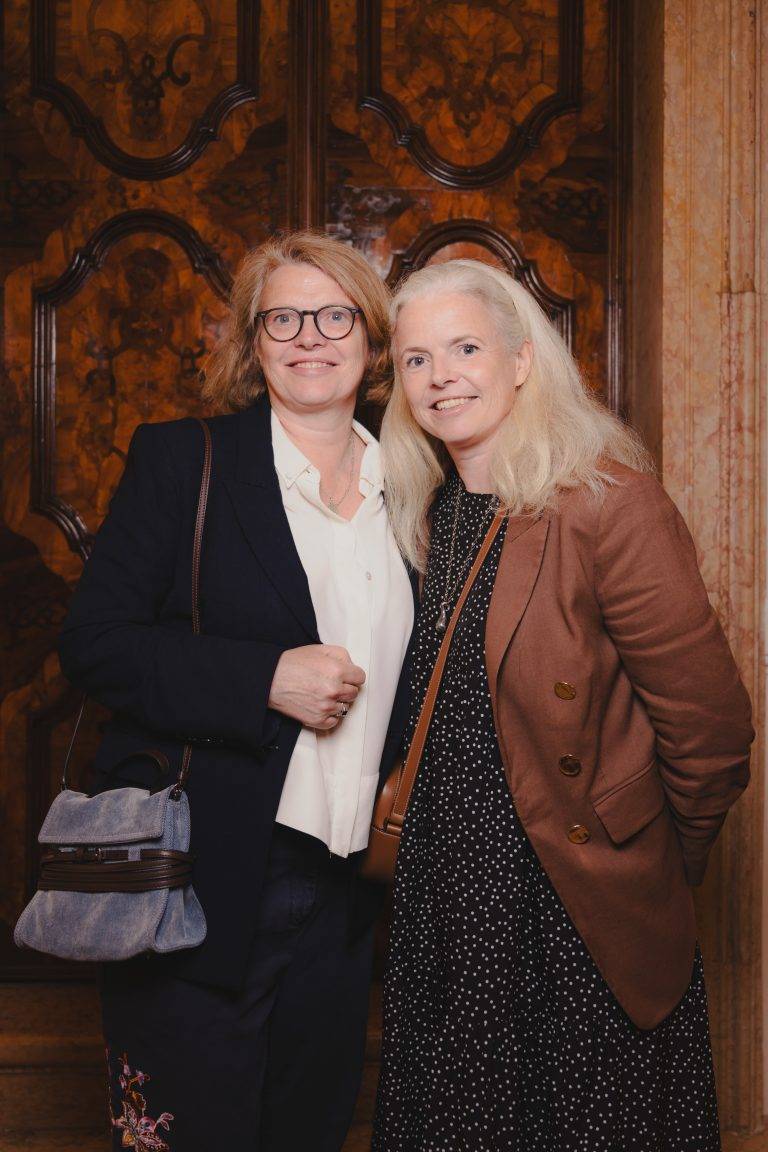
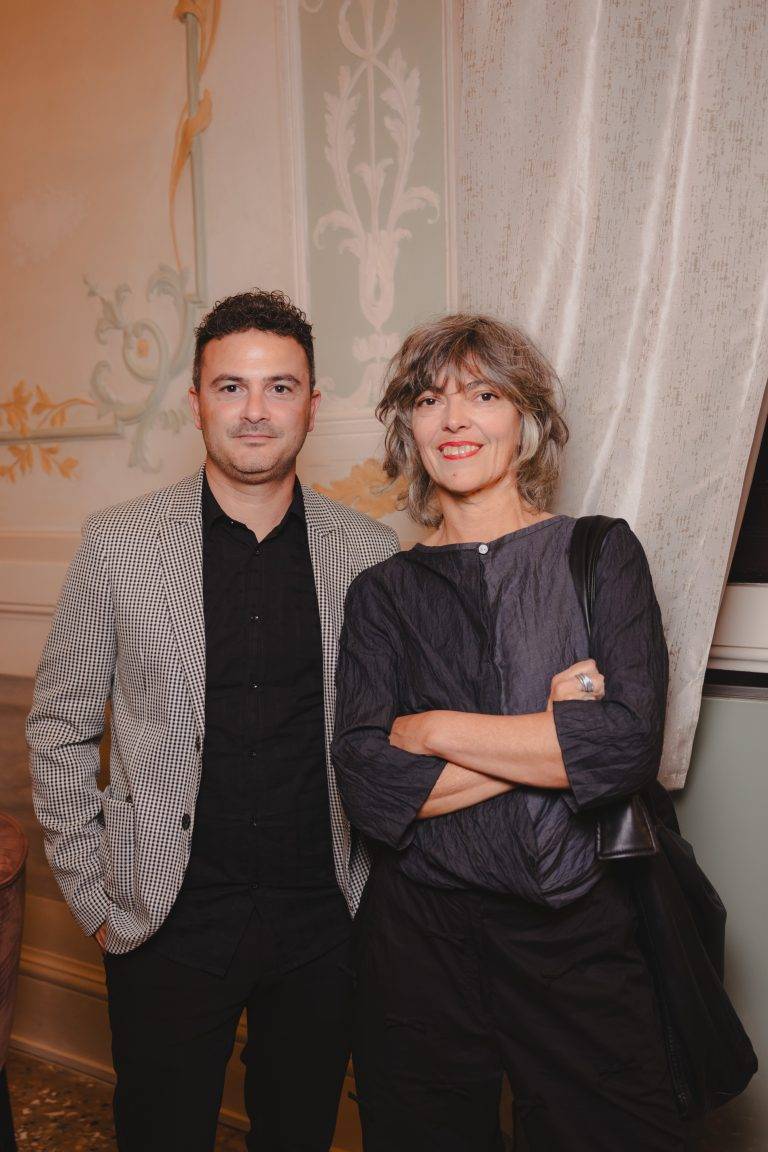
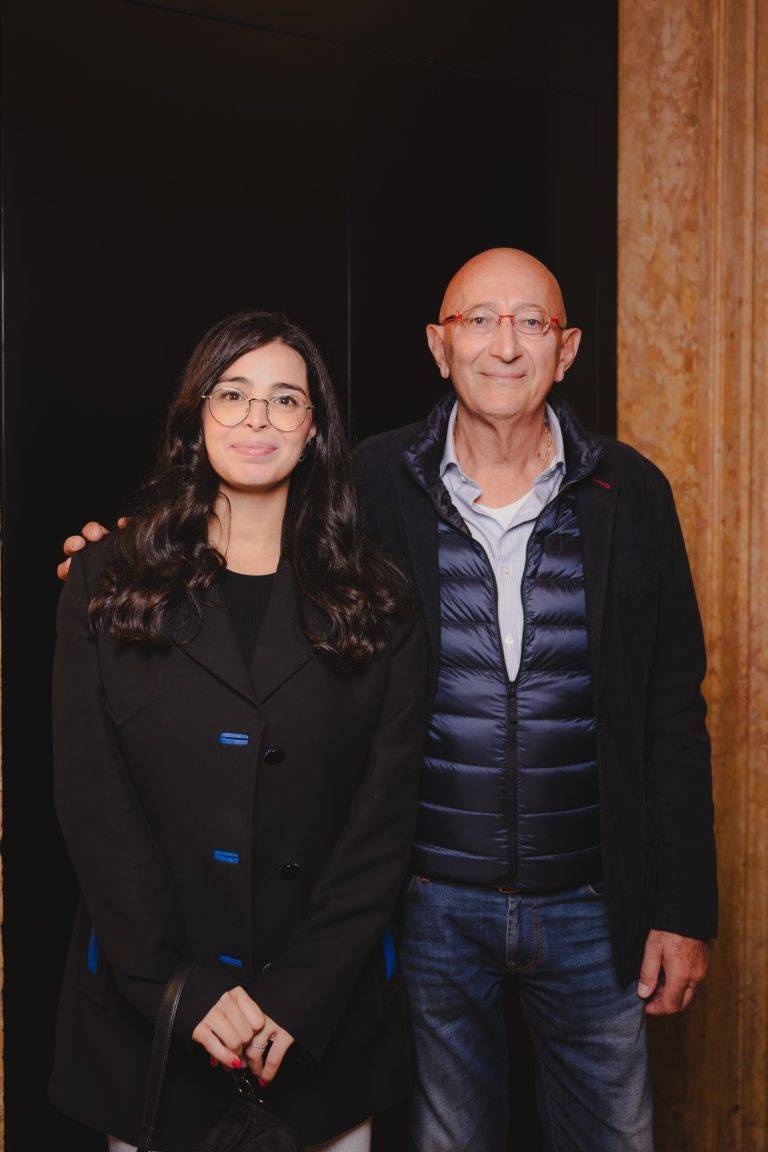
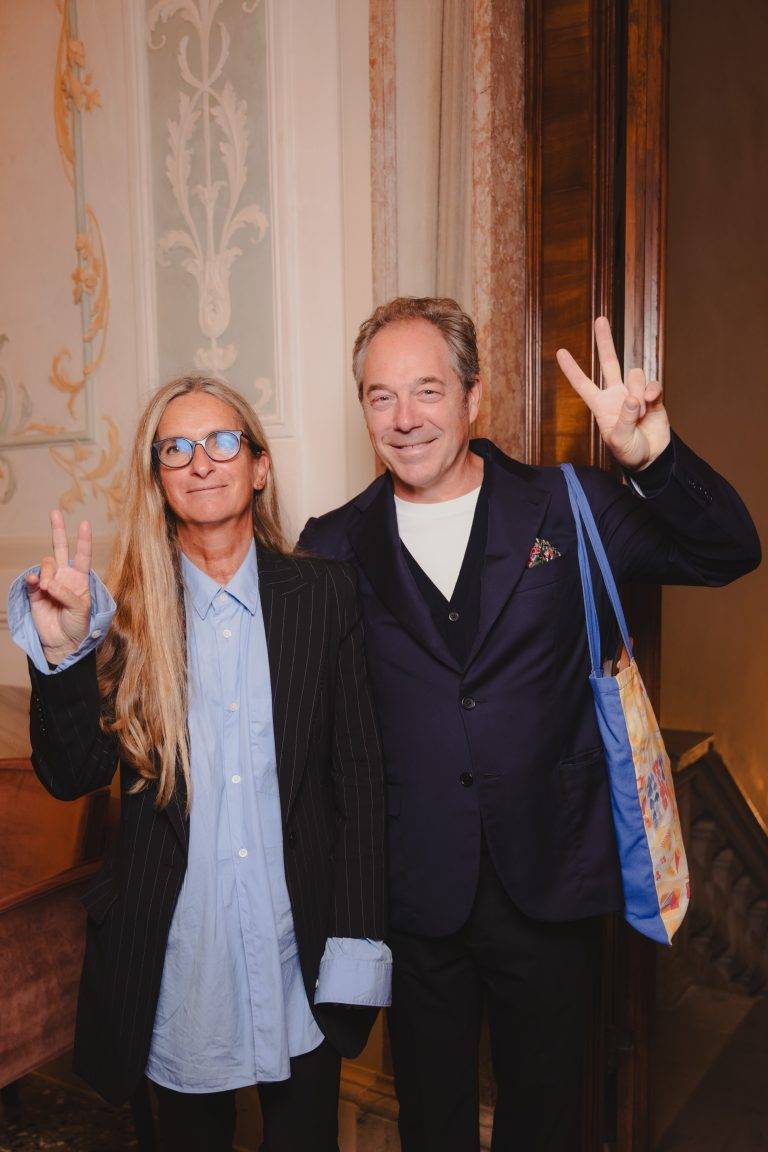
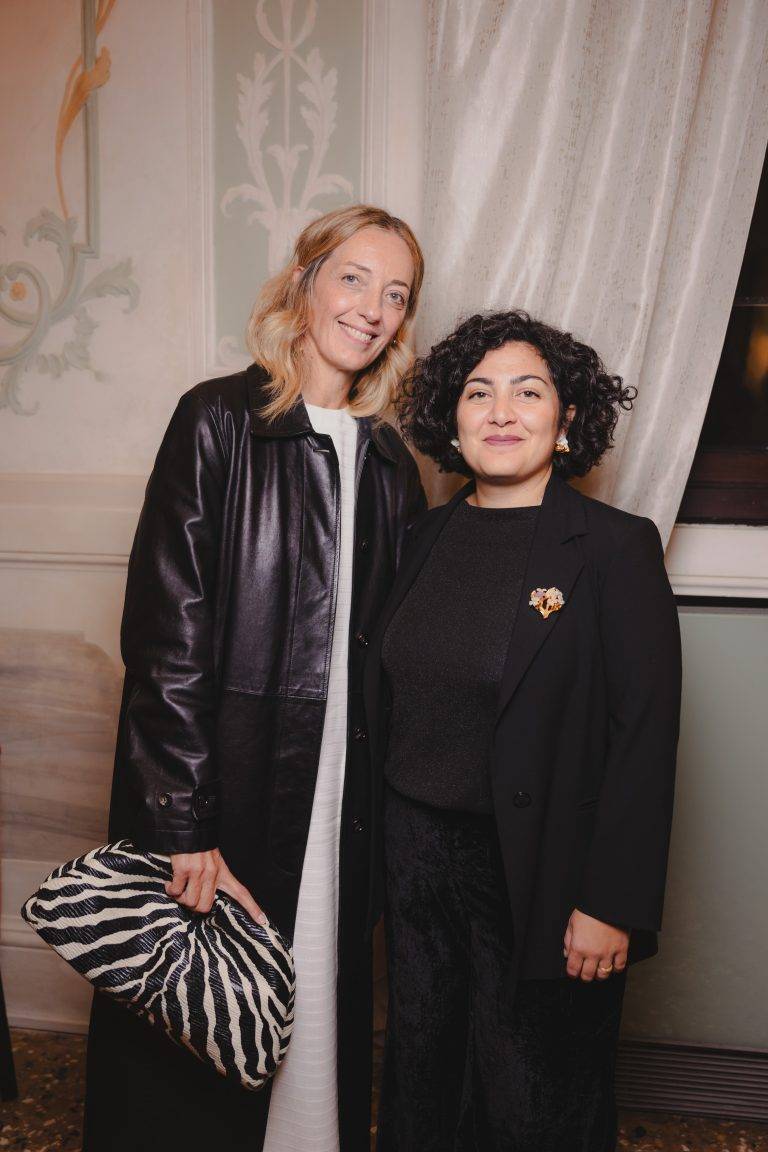
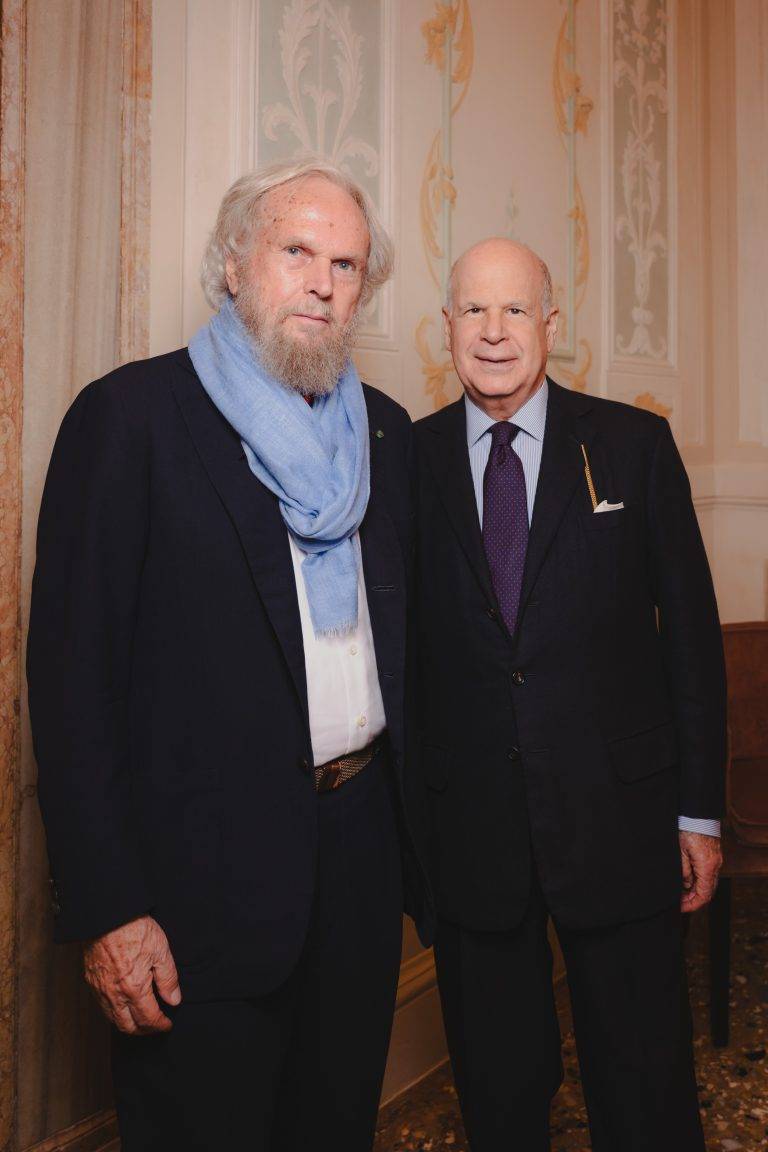
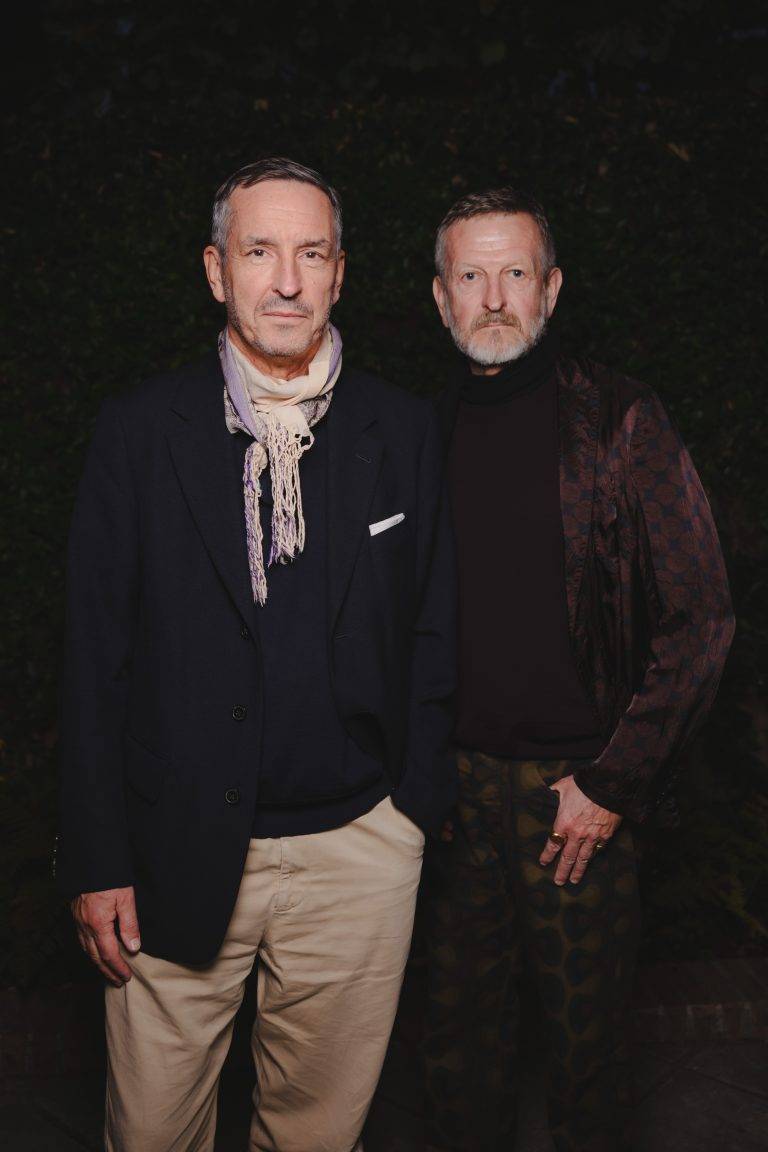
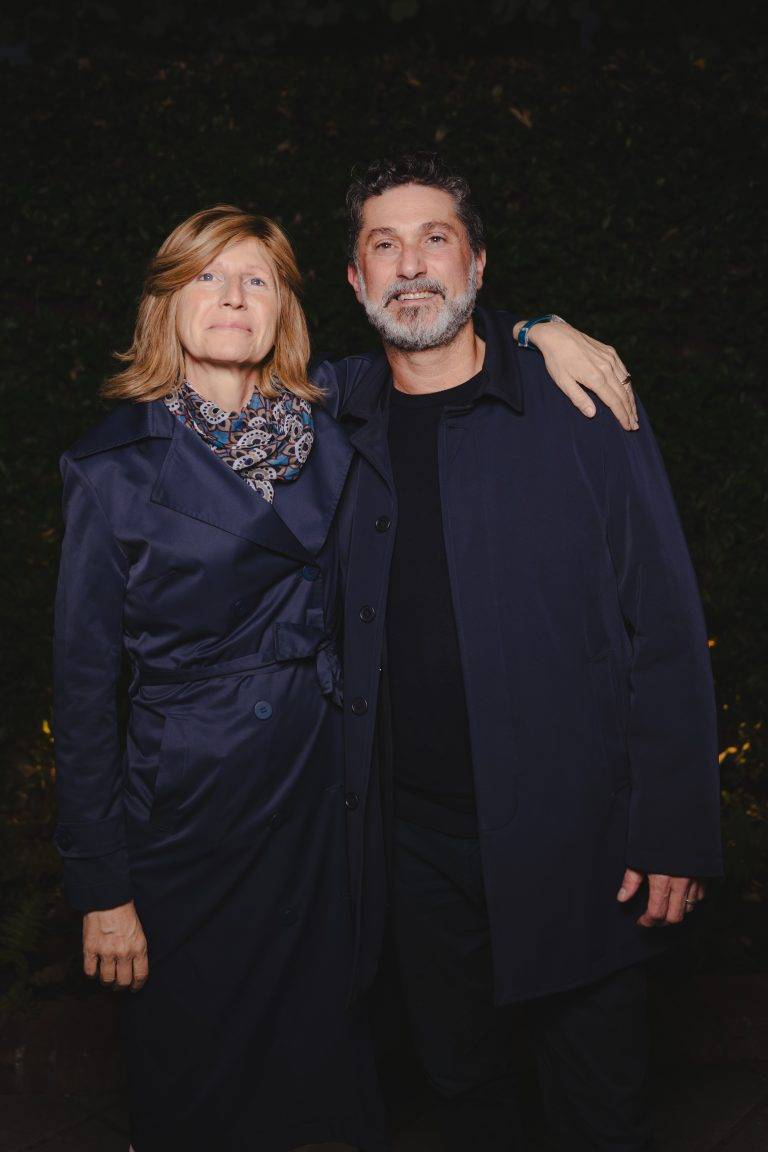
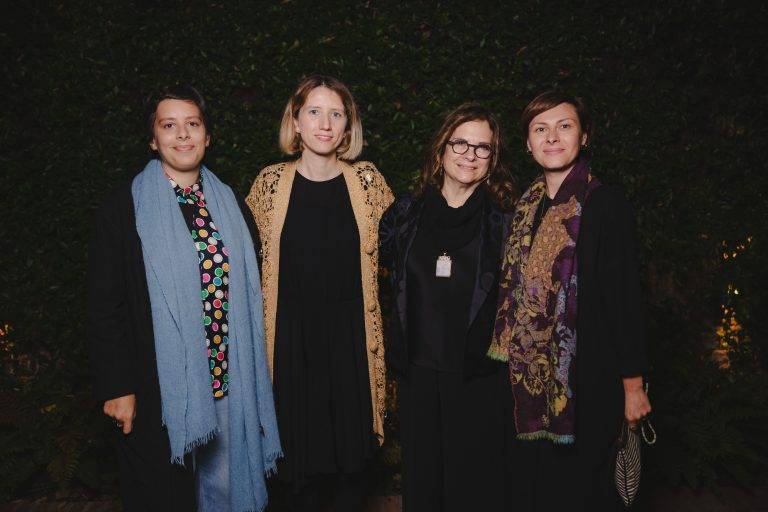
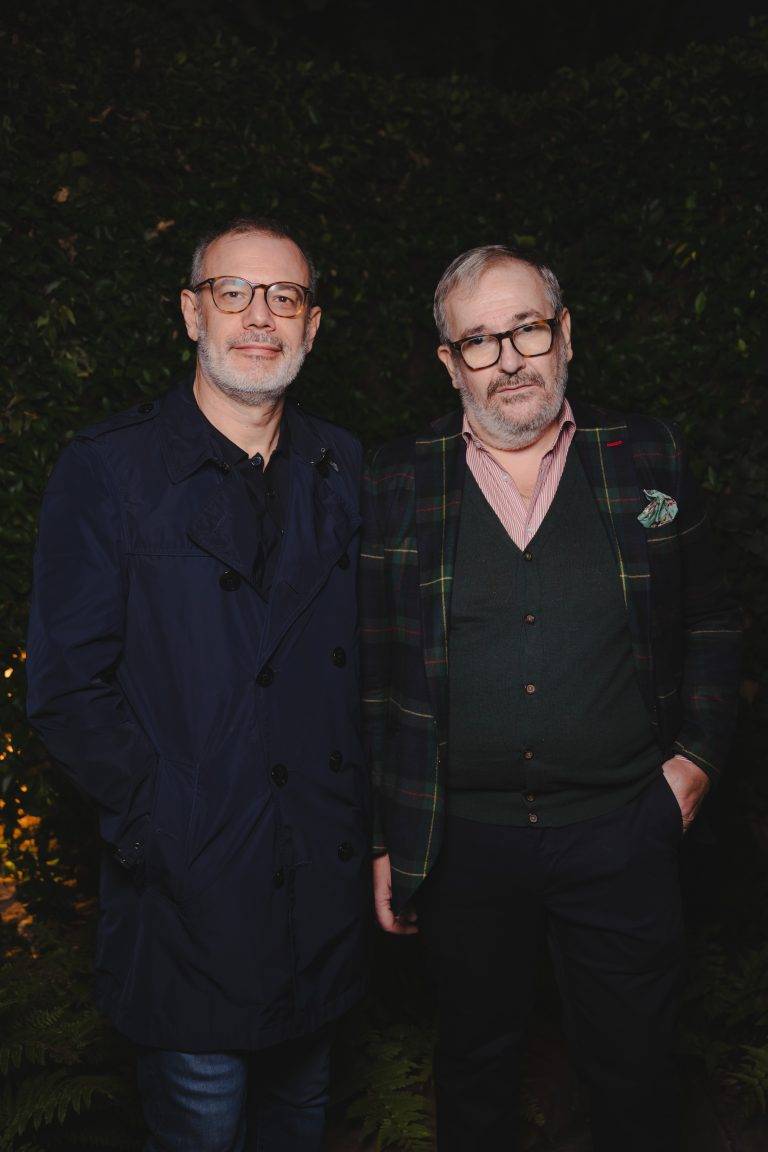
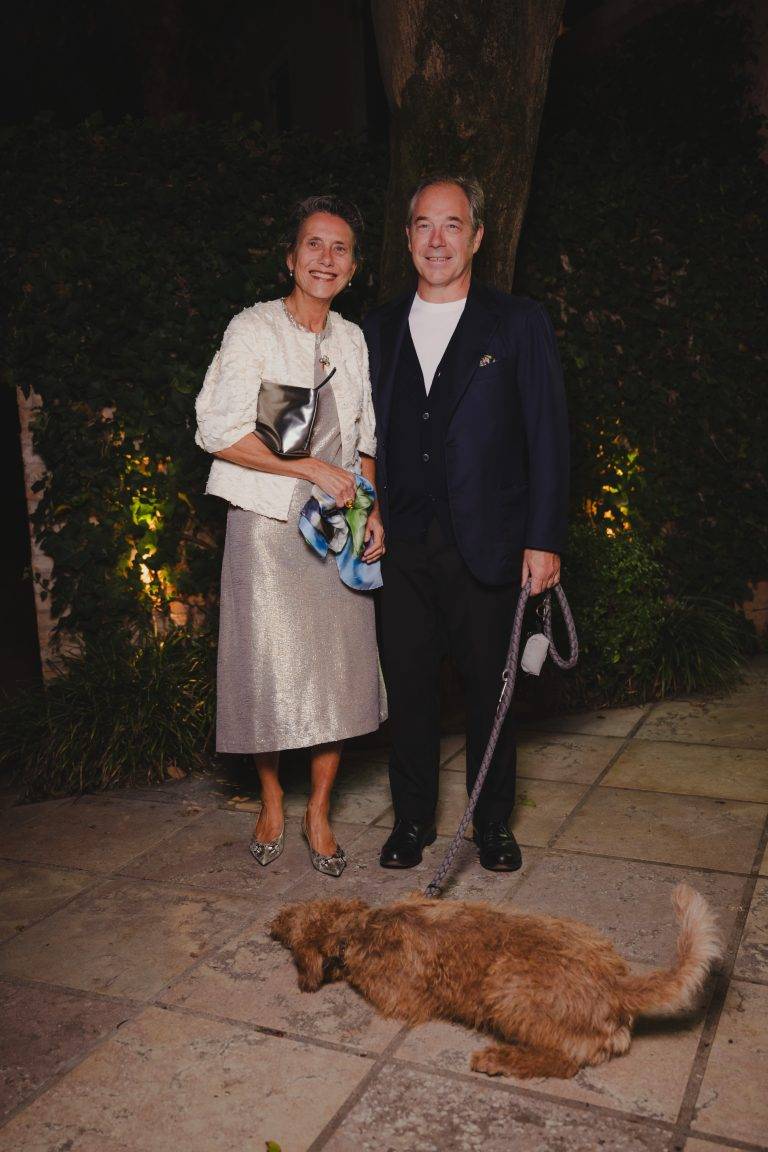
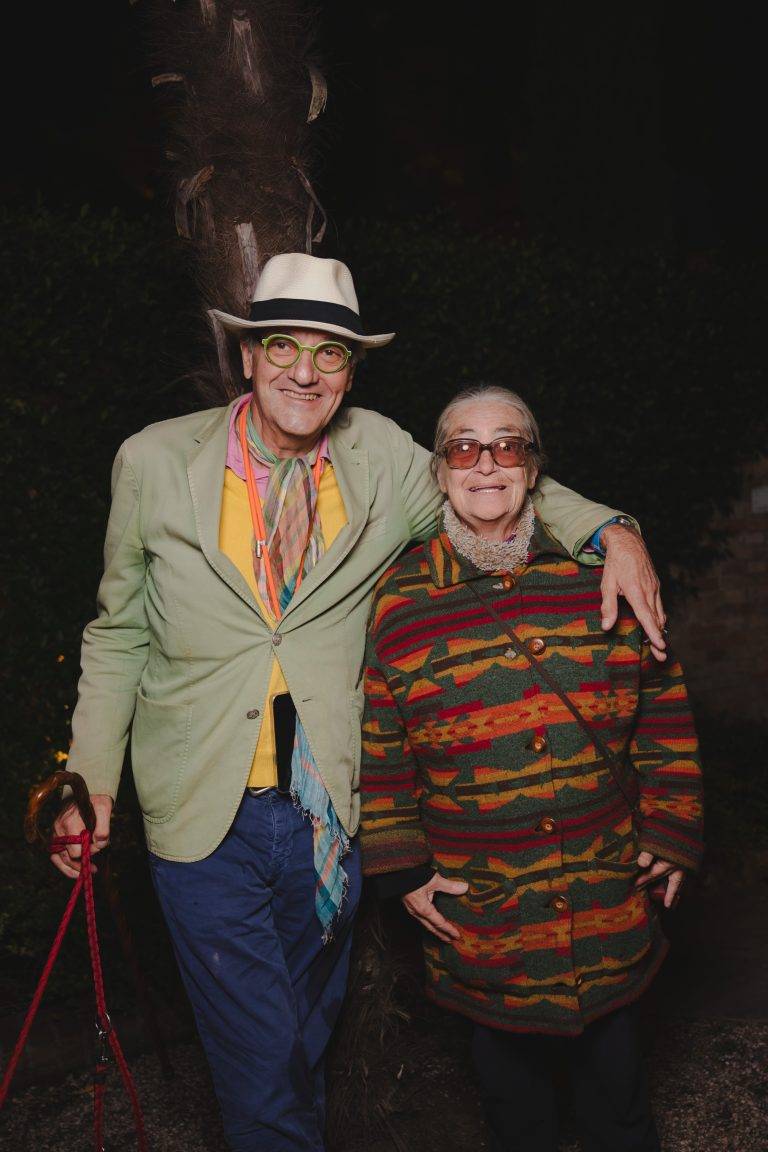
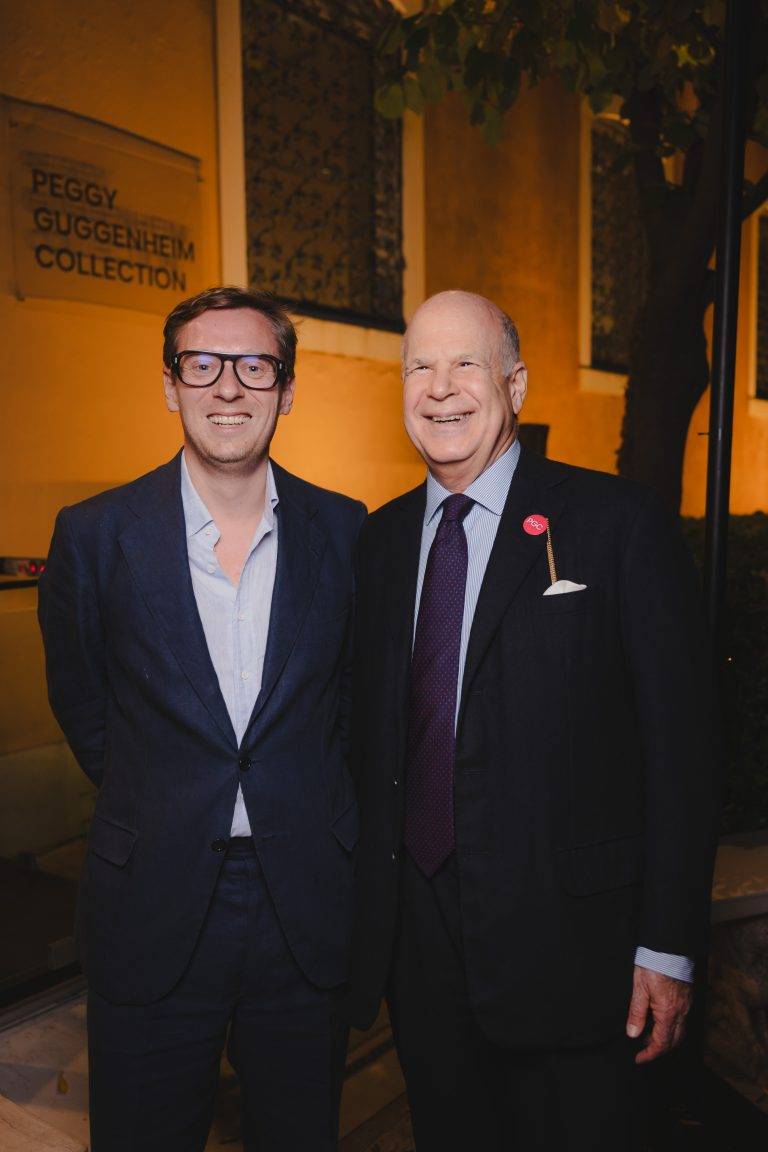
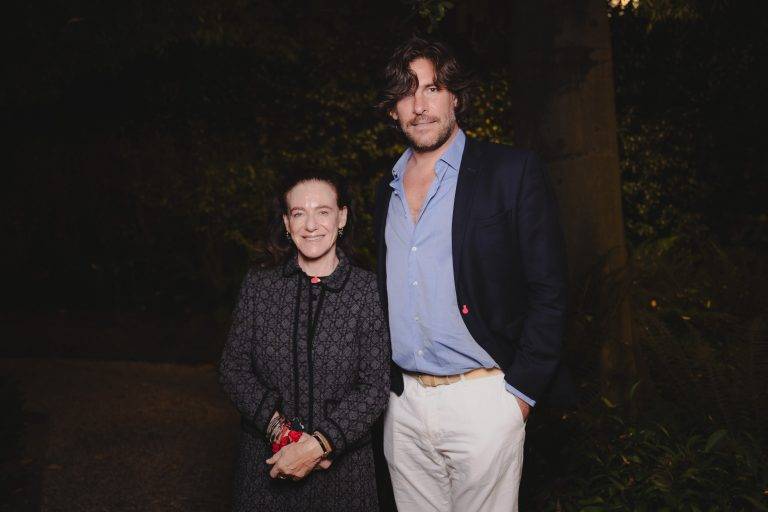
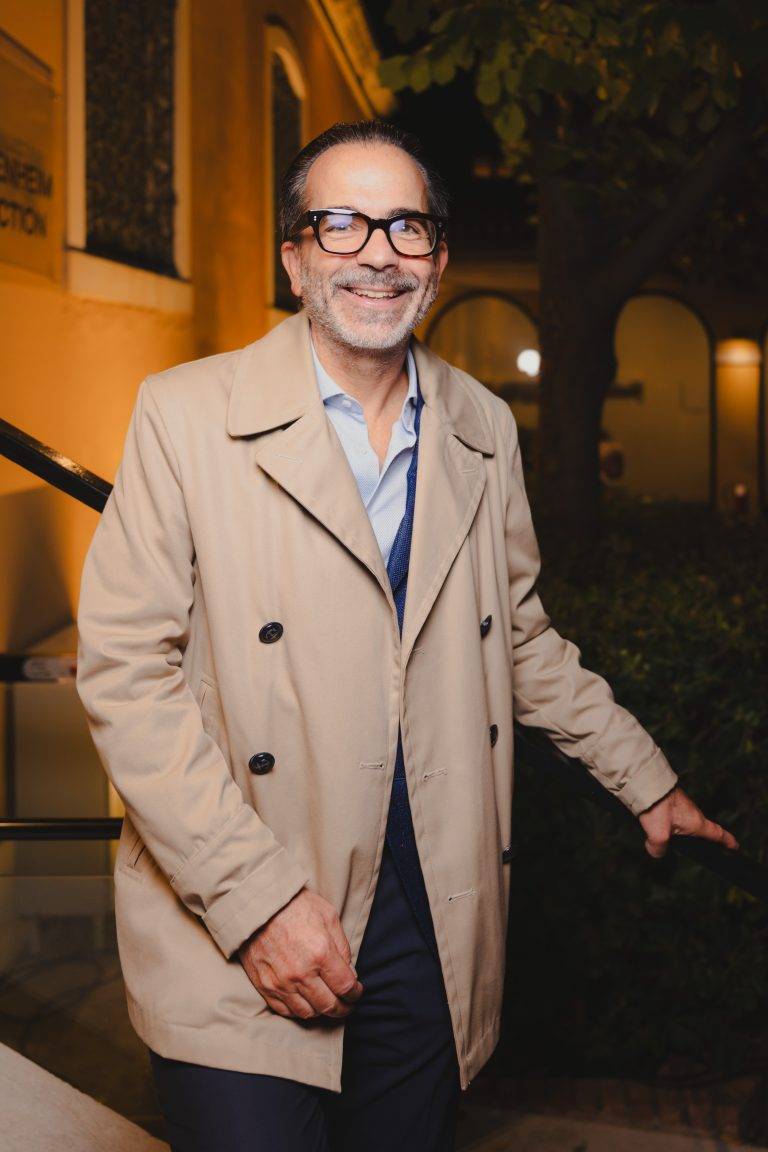
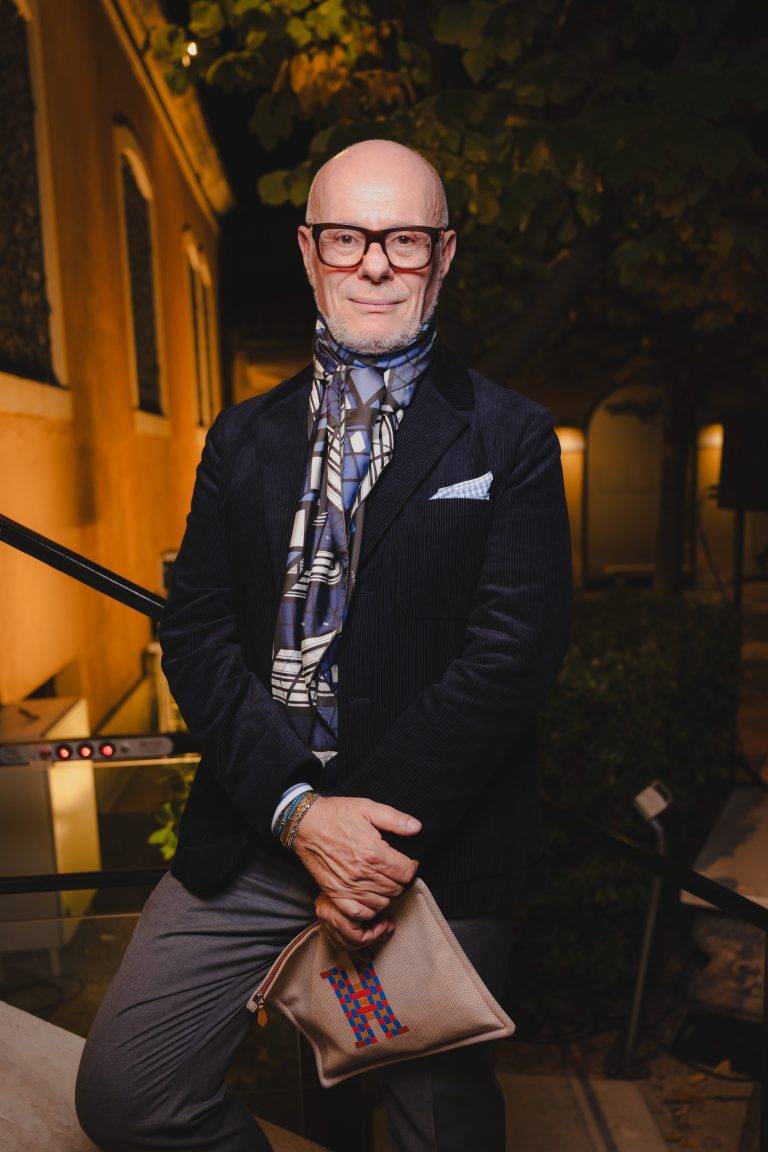
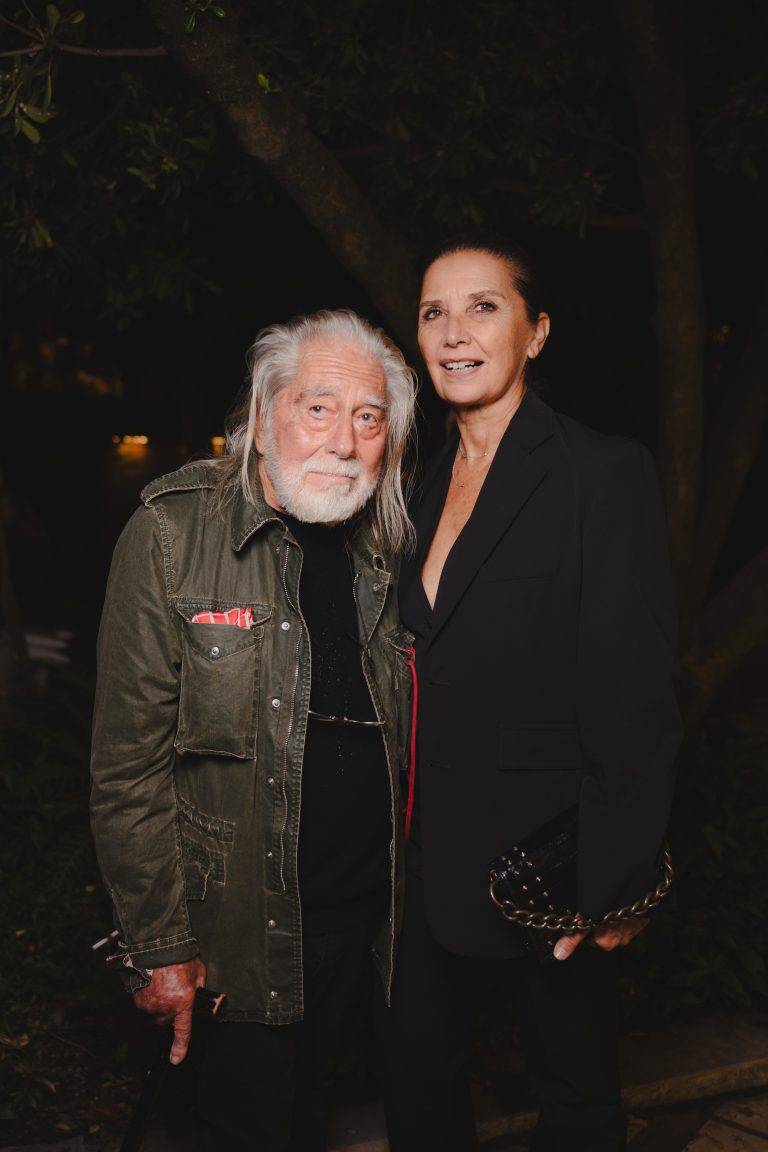
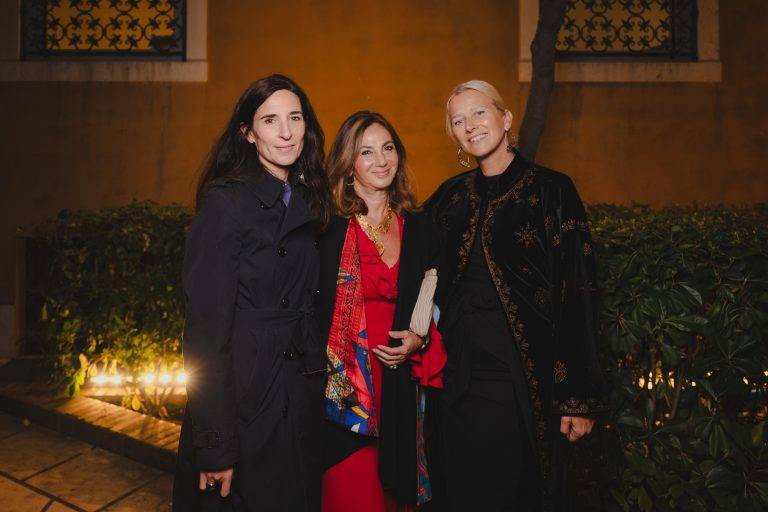
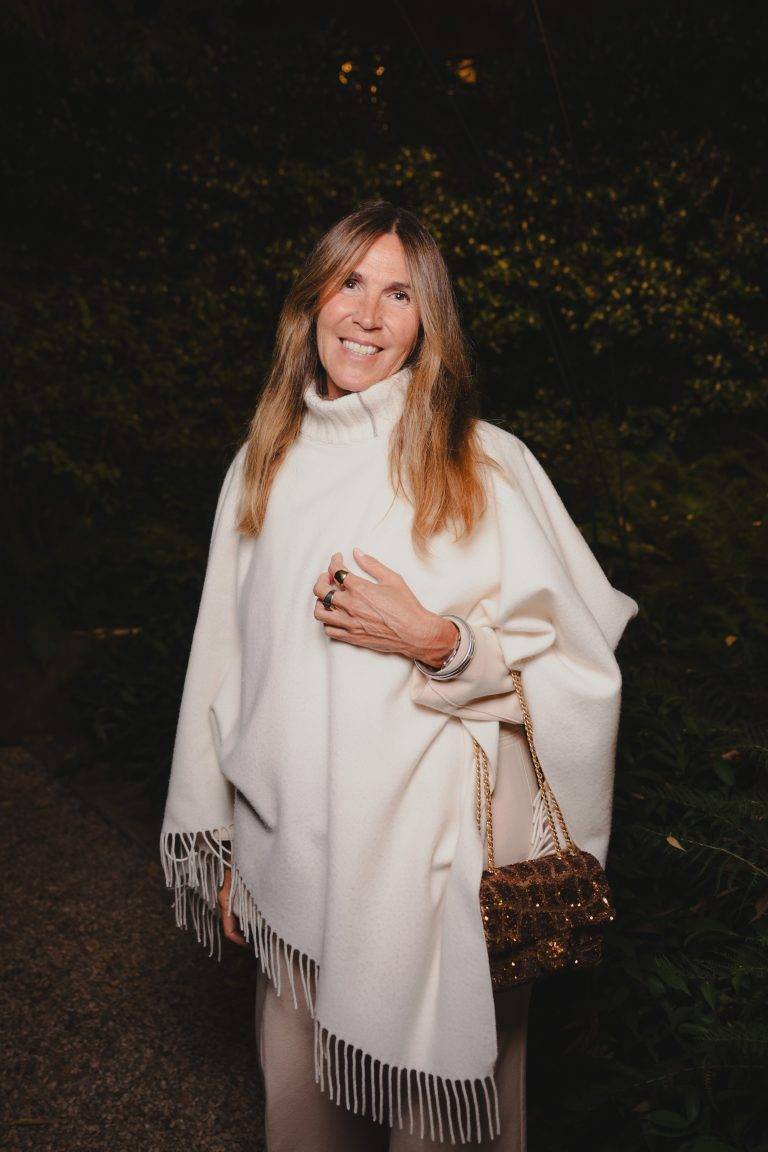
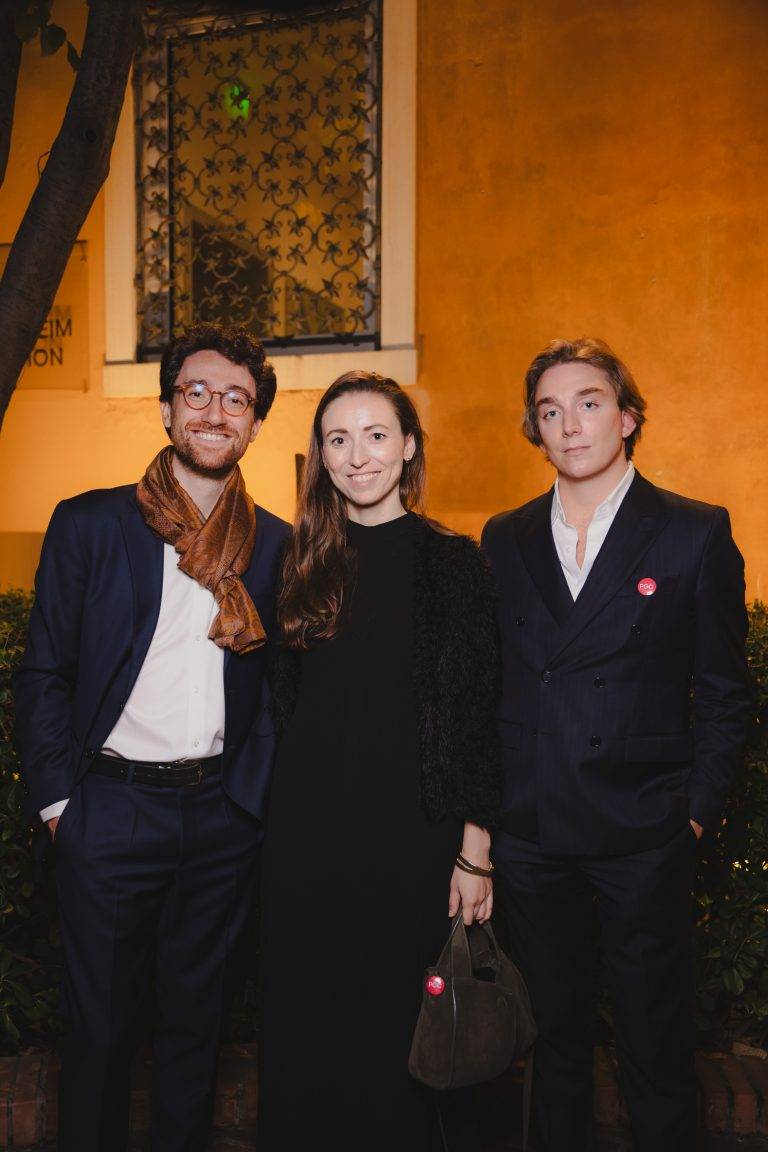
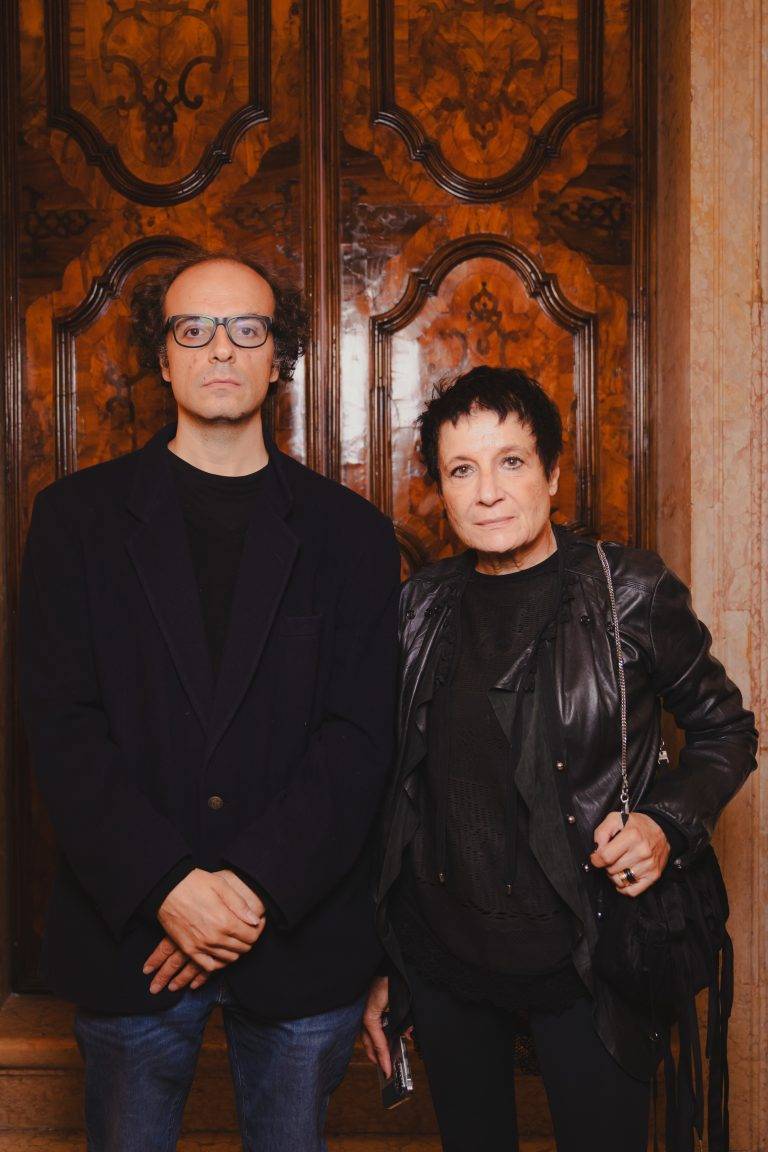
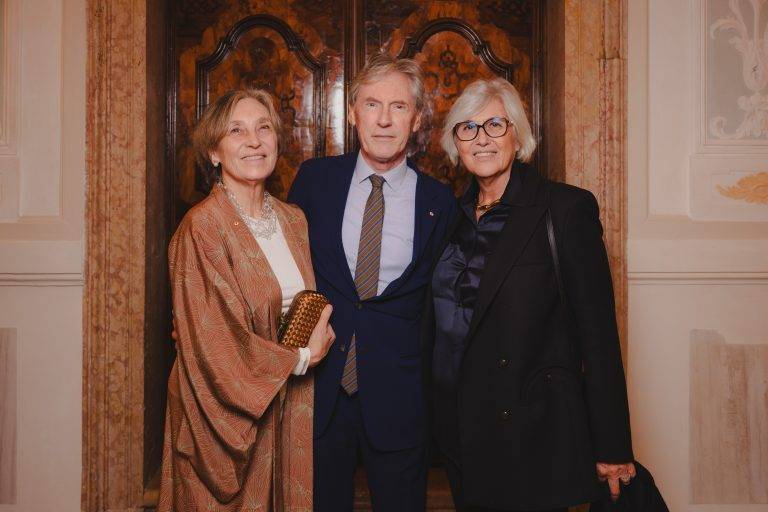
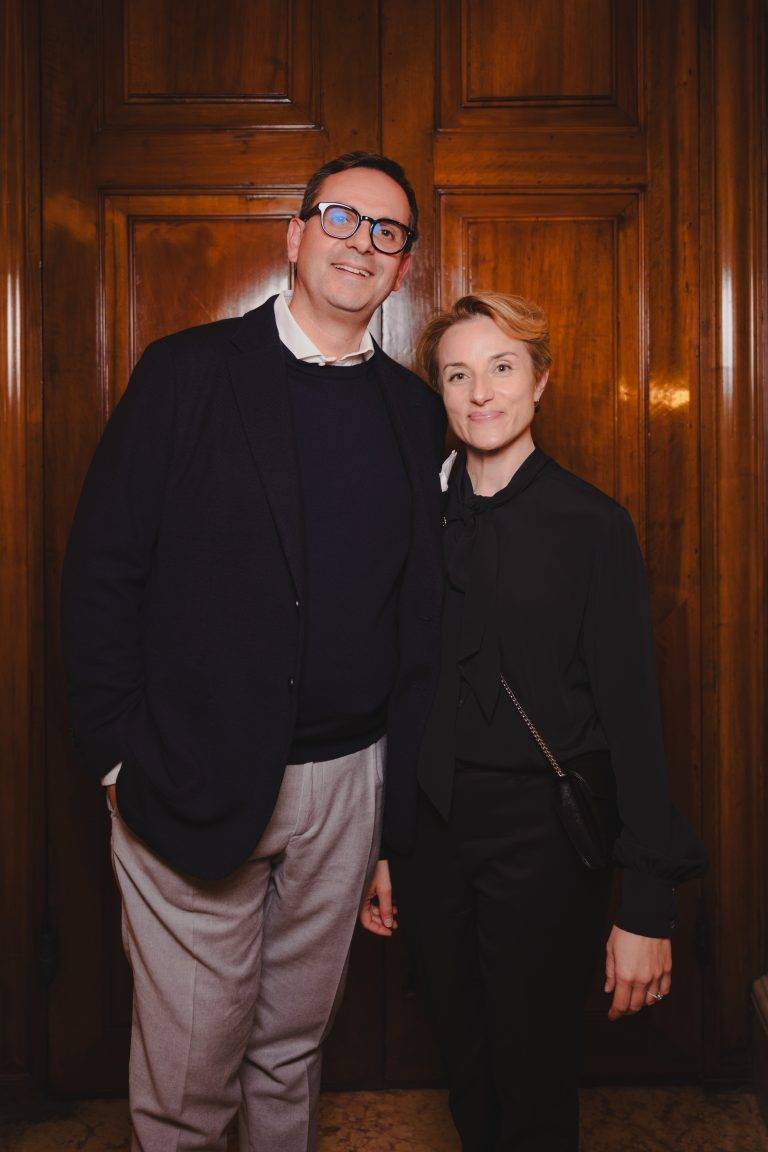
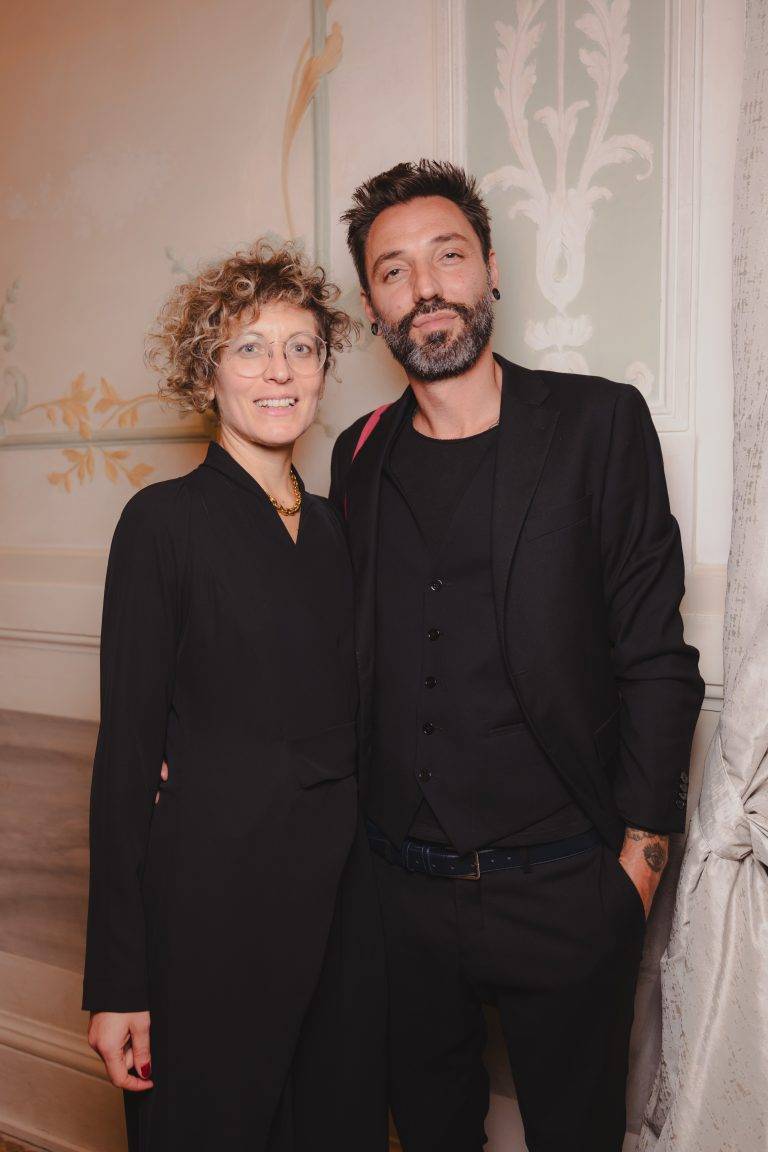
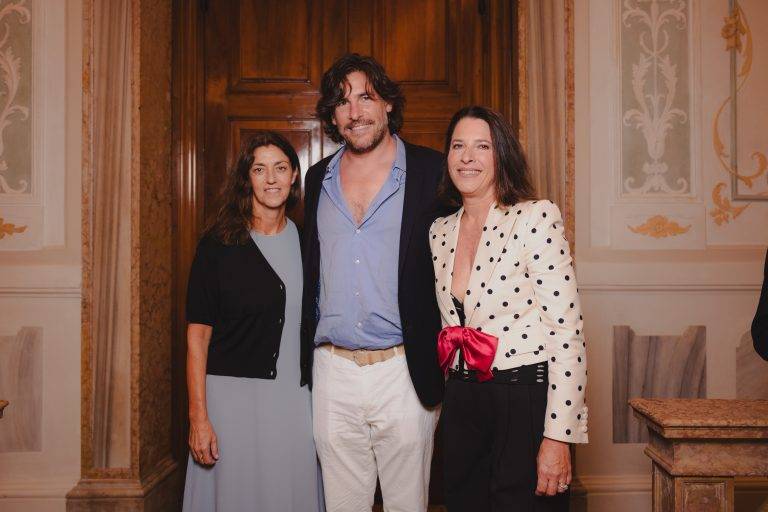
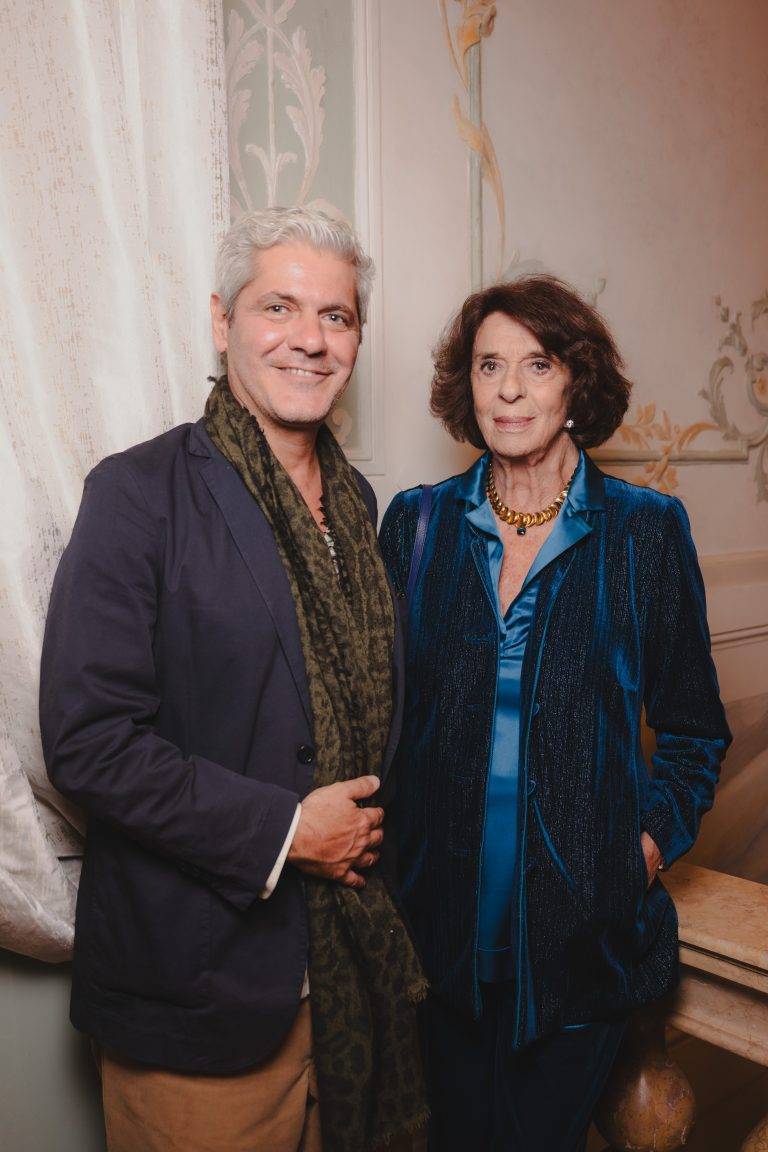
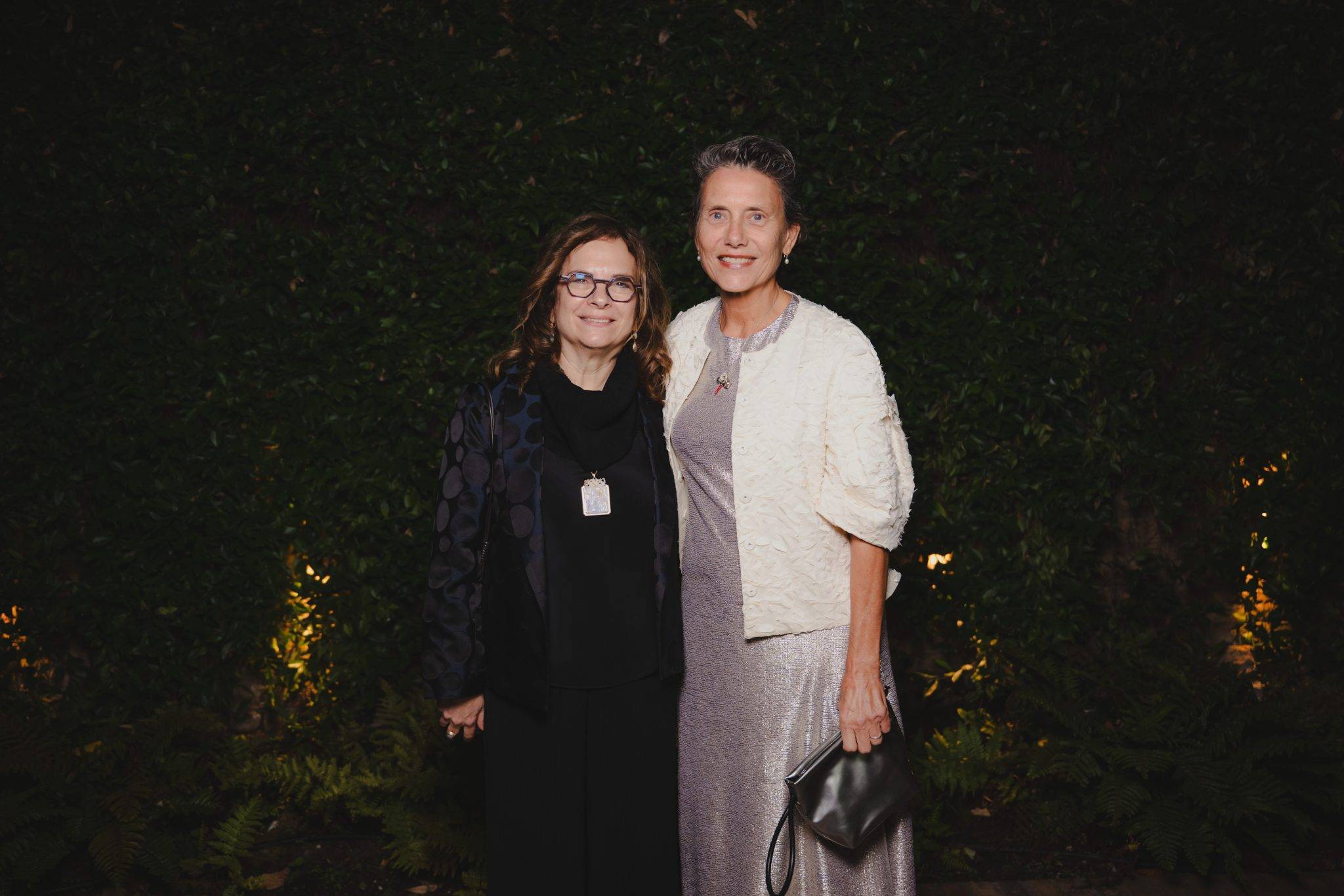
At the opening, a guest list worthy of a contemporary art atlas: Pietrangelo Buttafuoco, Dries Van Noten, Karsten Greve, Nicolò Favaretto Rubelli, David Landau, Jacopo Venturini, Fabrizio Plessi, Arthur Libera, and Patrick Vangheluwe — a crowd where collectors, curators, designers, and directors mingled between glasses of wine and technical remarks on glaze texture. Director Karole P. B. Vail emphasized the uniqueness of the project with evident satisfaction: “It’s the first time a museum has dedicated an entire exhibition to Fontana’s ceramic production. It’s an opportunity to discover his most intimate and experimental relationship with matter.”
Curator Sharon Hecker — an art historian of surgical precision and sensual imagination — spoke of “a more fragile and profound side of Fontana, born from a physical, almost ritual relationship with clay.” And that’s exactly what strikes you upon entering the rooms of Palazzo Venier dei Leoni: the feeling of encountering another Fontana, more human and disarmed, yet no less daring. From women and harlequins to sea creatures, from religious sculptures to design prototypes, Mani-Fattura traces a journey across continents and decades, restoring to ceramics the dignity once reserved for bronze and marble. The glazed, fractured, and lustrous surfaces express the same tension toward space that would later define his iconic cuts — but here, with a warmer, almost domestic pulse.
Throughout the evening, guests whispered about a “revelation show.” And perhaps that’s exactly what it is: here Fontana is not the distant genius but the craftsman-experimenter, a man who molds and allows himself to be molded. His gesture, rather than wounding matter, lets it breathe. In an age that tends to glorify destruction, Mani-Fattura celebrates creation as touch, intimacy, and a return to origins.
On the Grand Canal, the vernissage unfolded like a perfect tableau — suspended between glamour and clay dust. Venice could hardly have imagined a better setting to rediscover an artist who, once again, wasn’t afraid to get his hands dirty in order to reach somewhere new.
Text: Germano D’Acquisto
Photo: Niccolò Campita