The Nicola Trussardi Foundation Brings the Occult to Milan with “Fata Morgana”
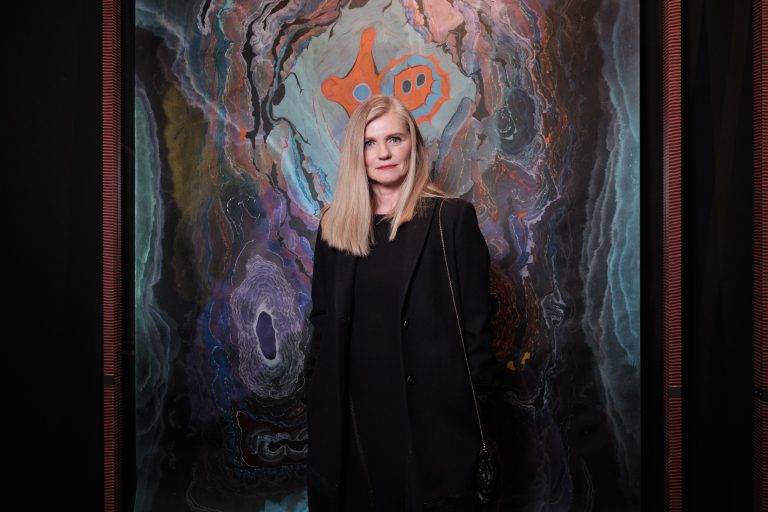
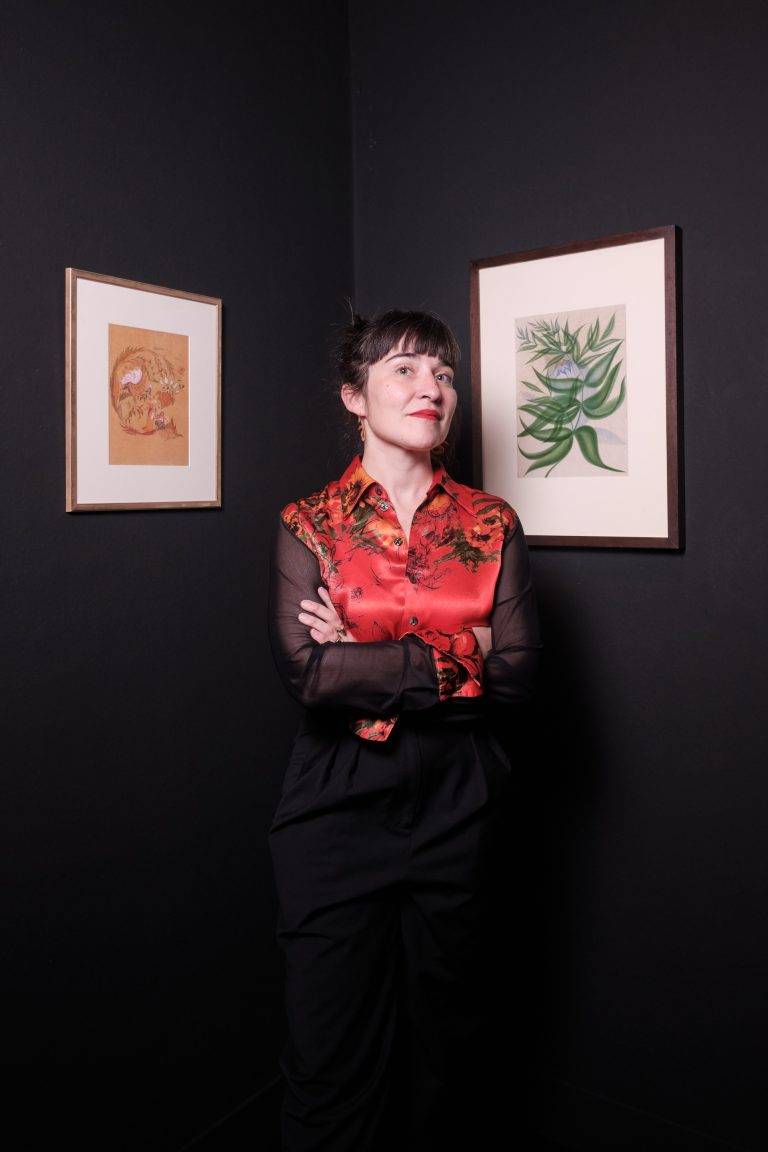
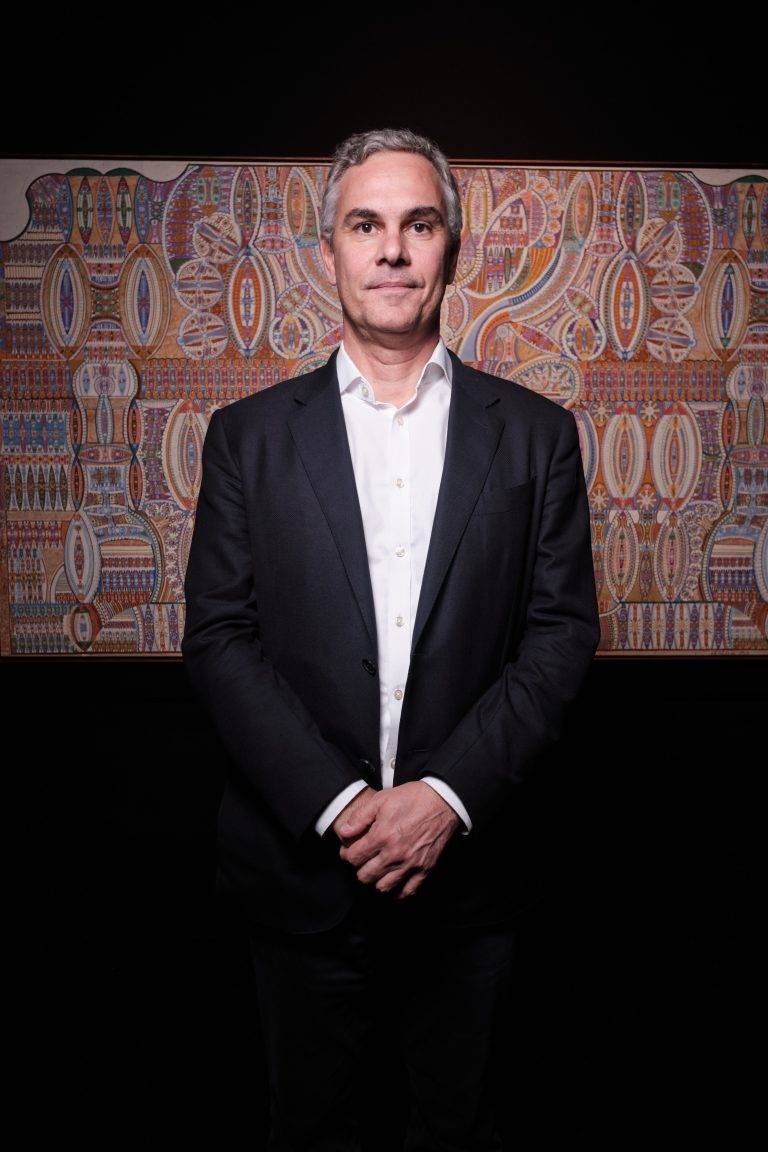
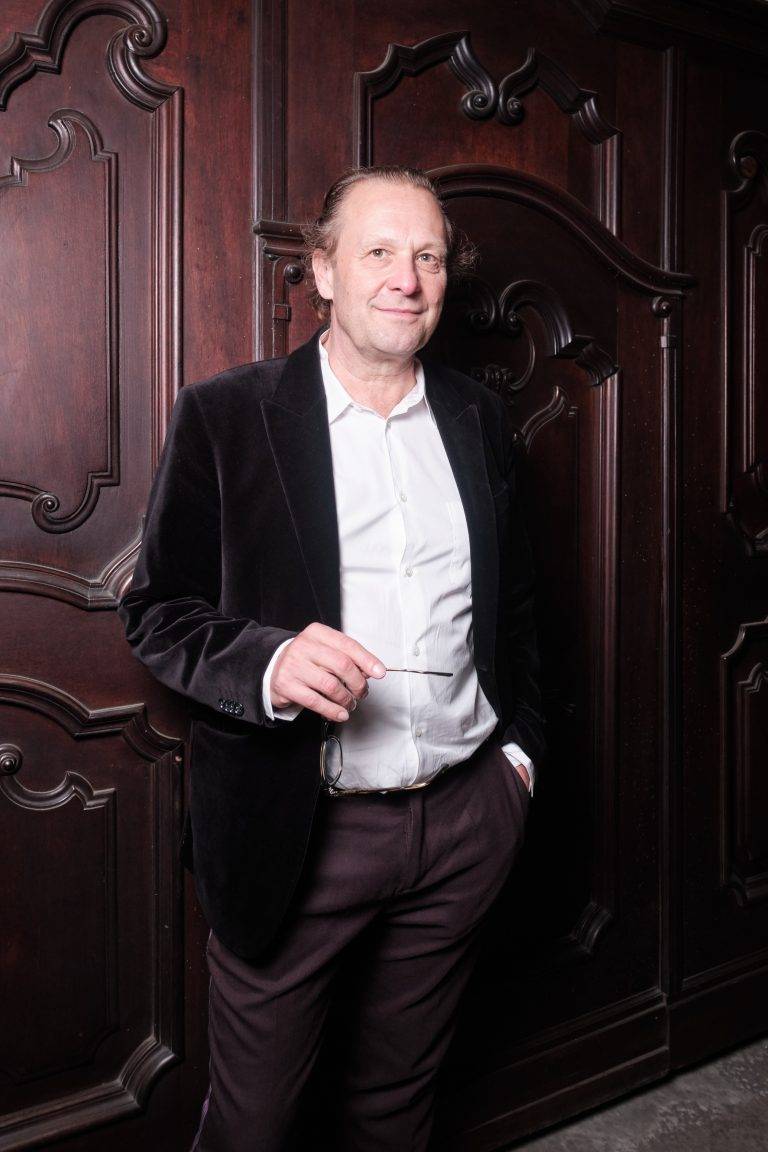
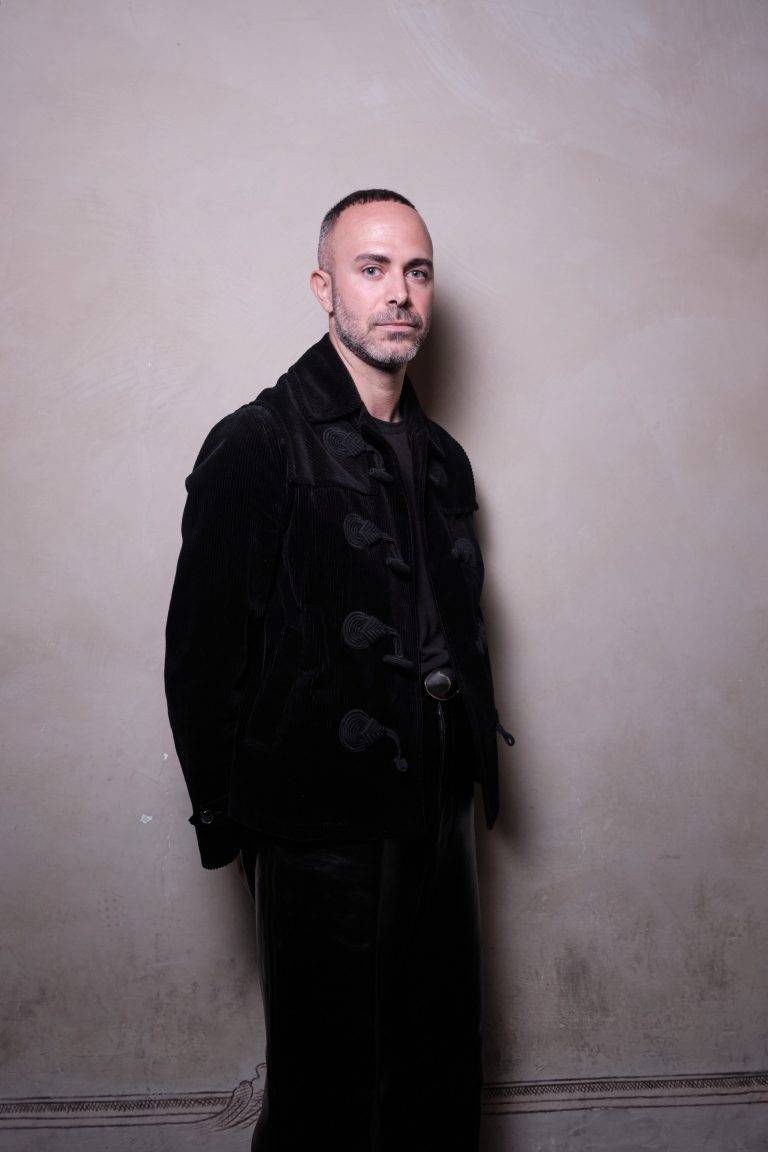
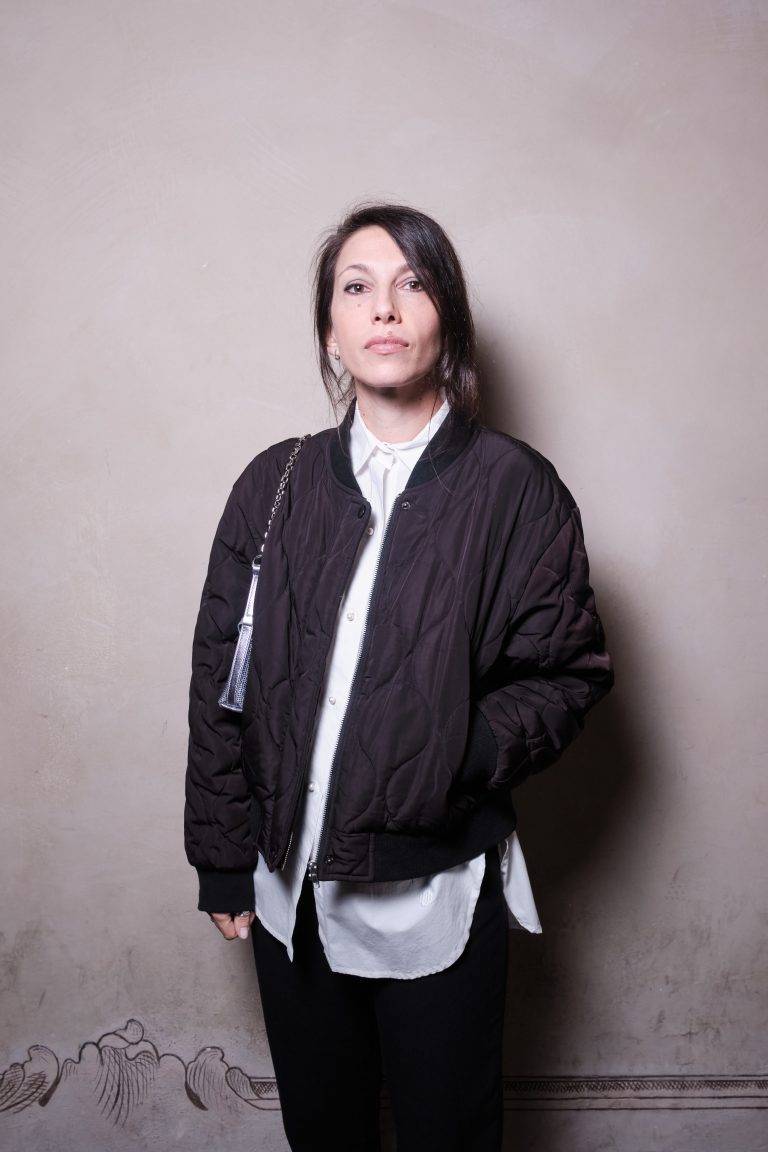
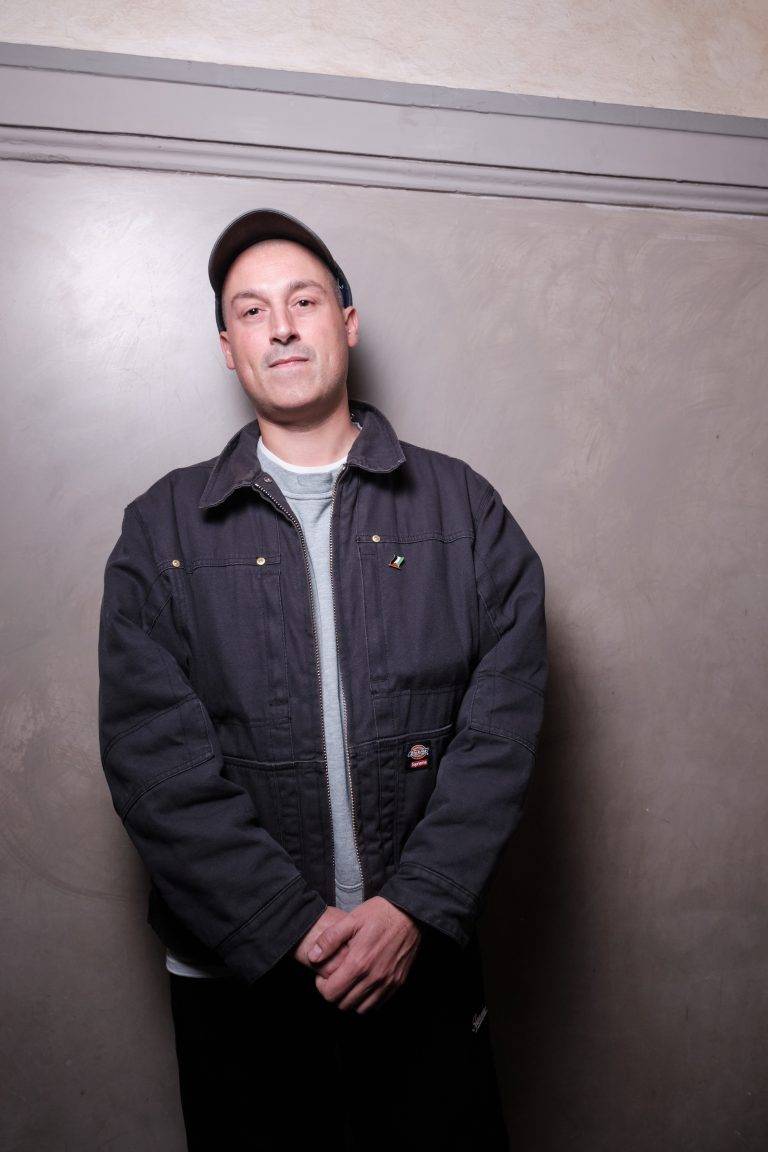
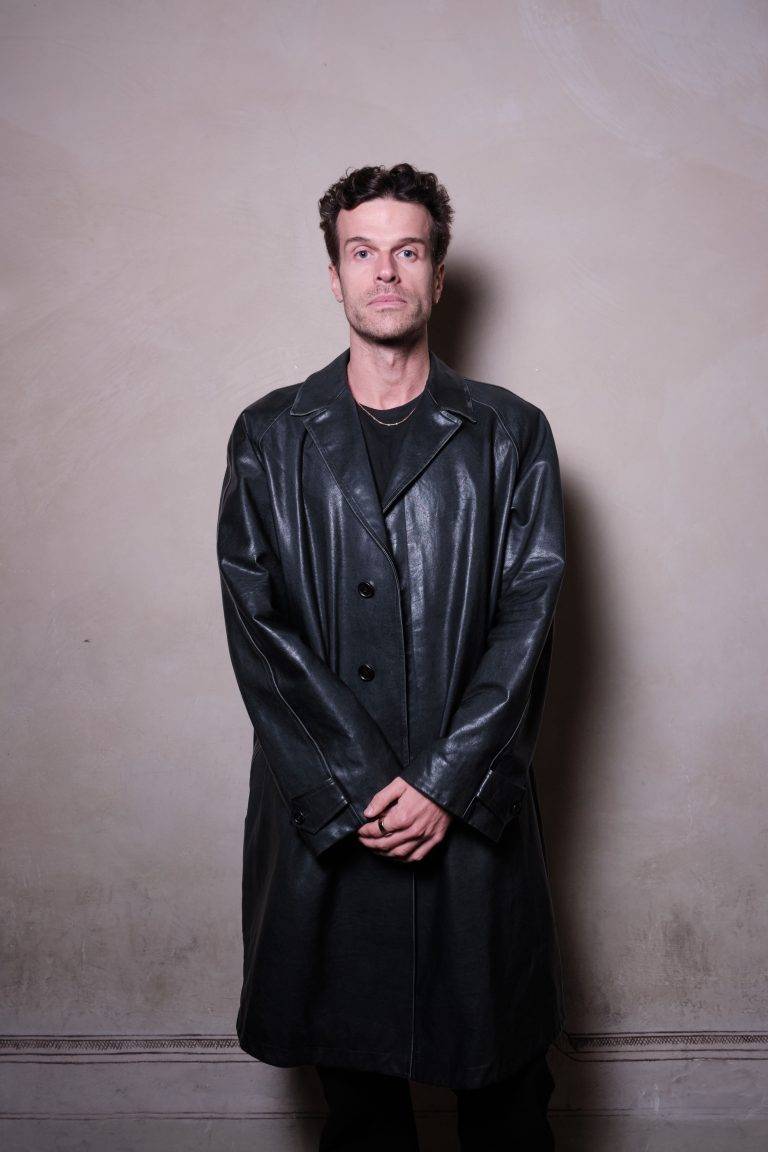
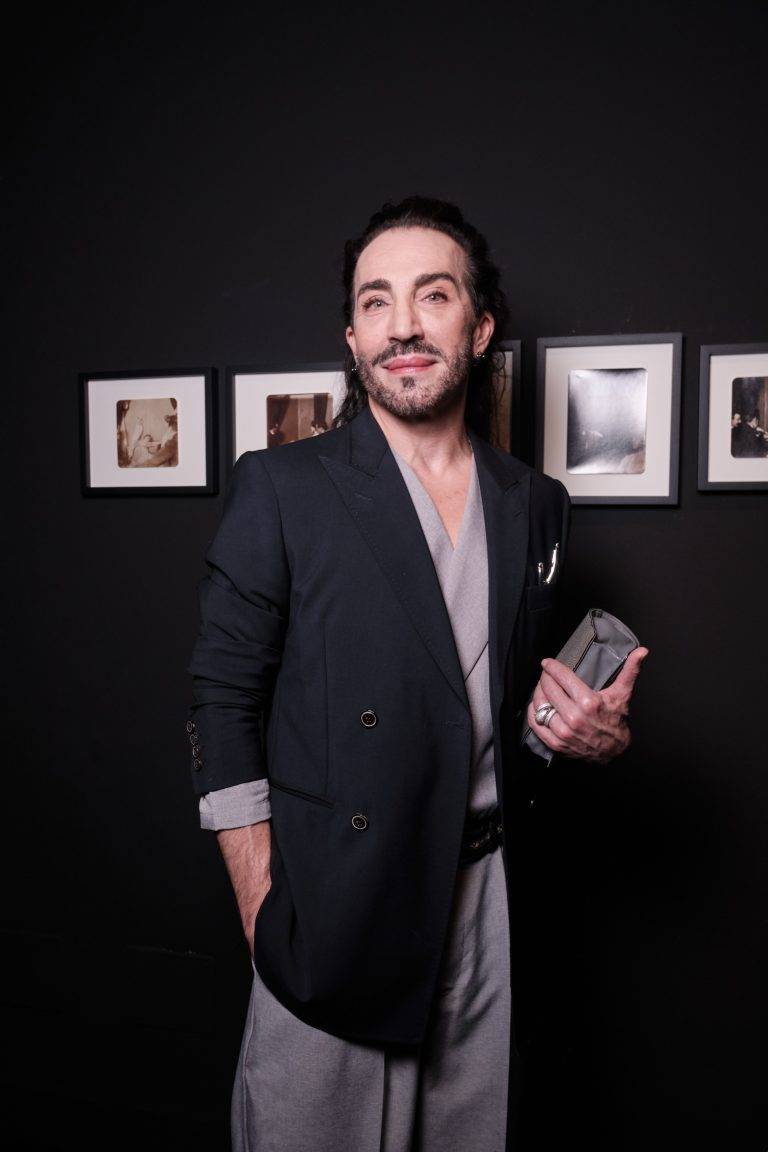
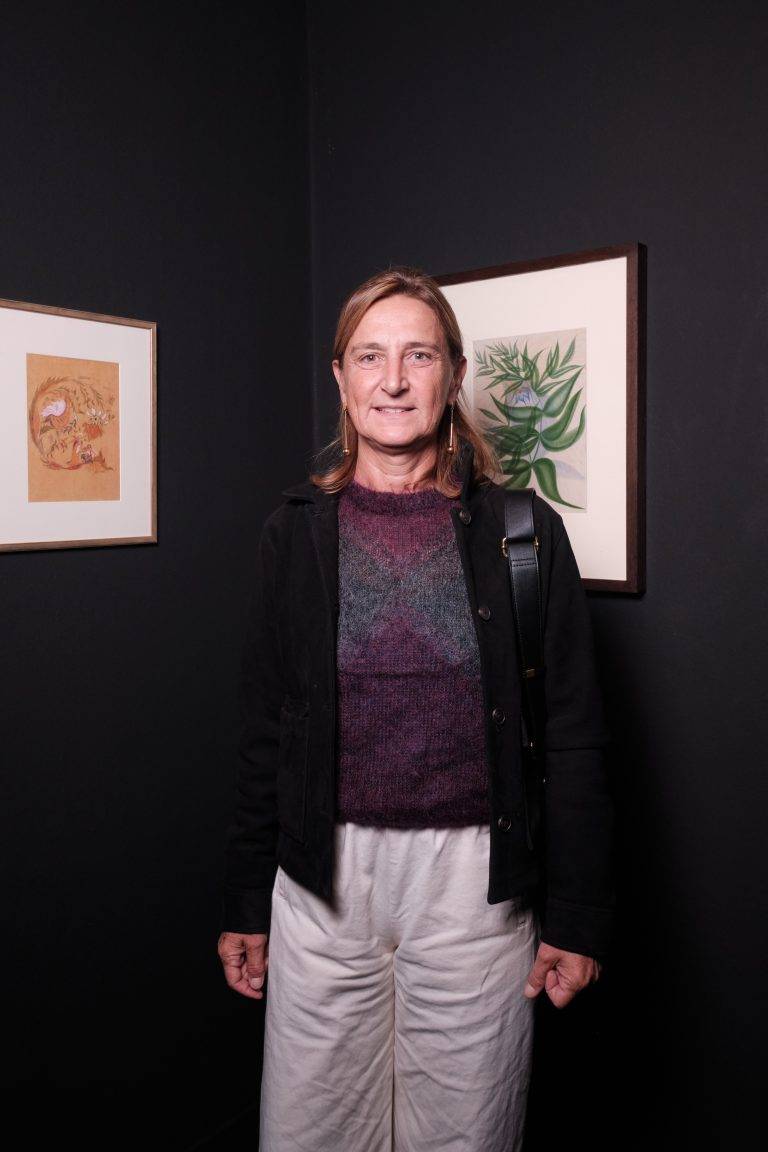
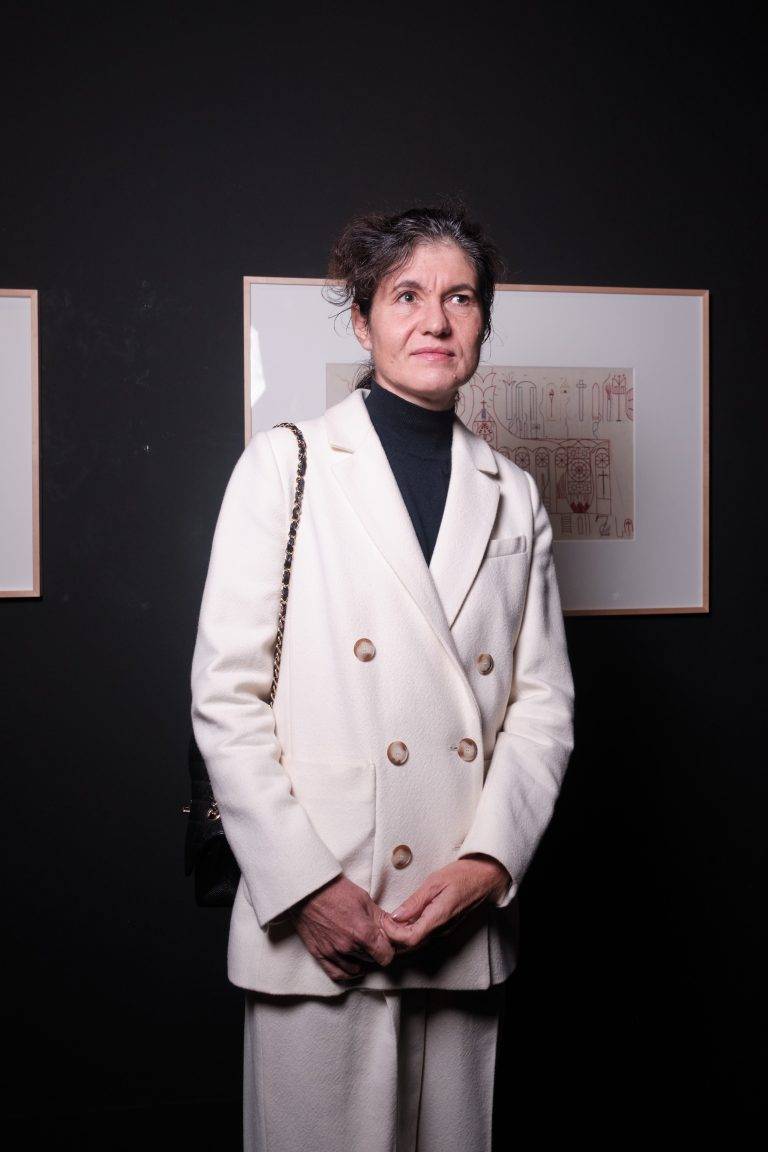
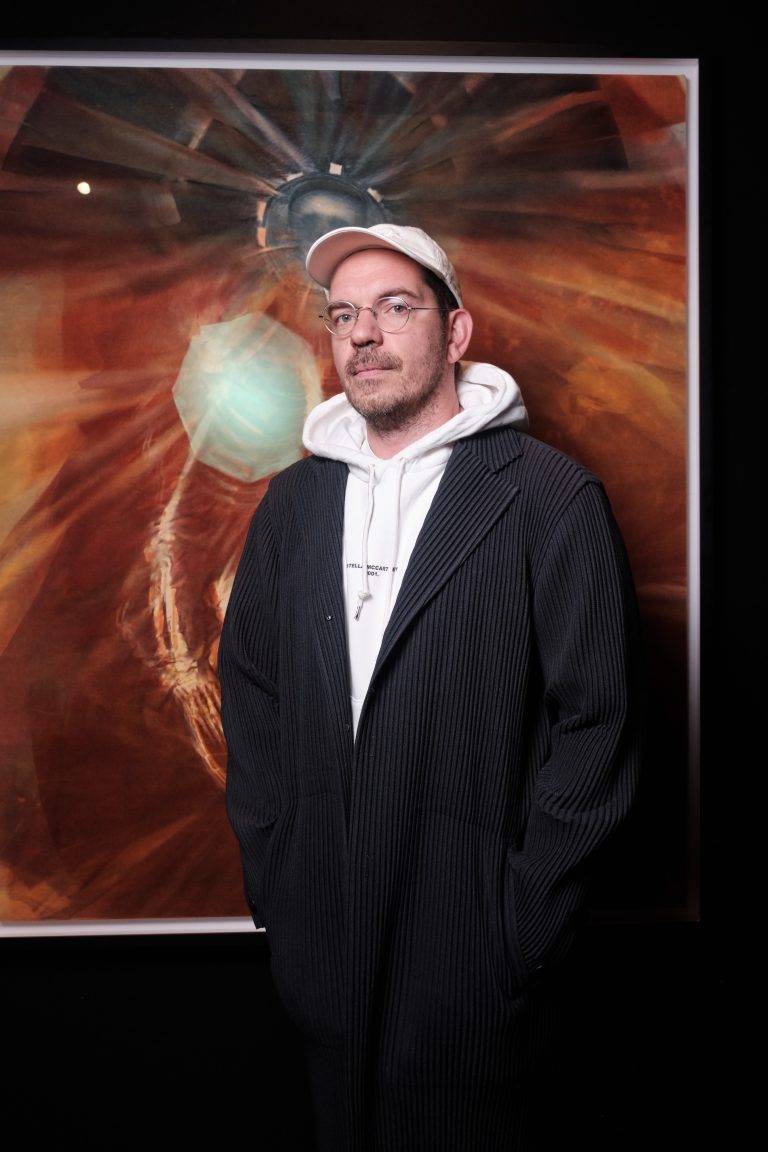
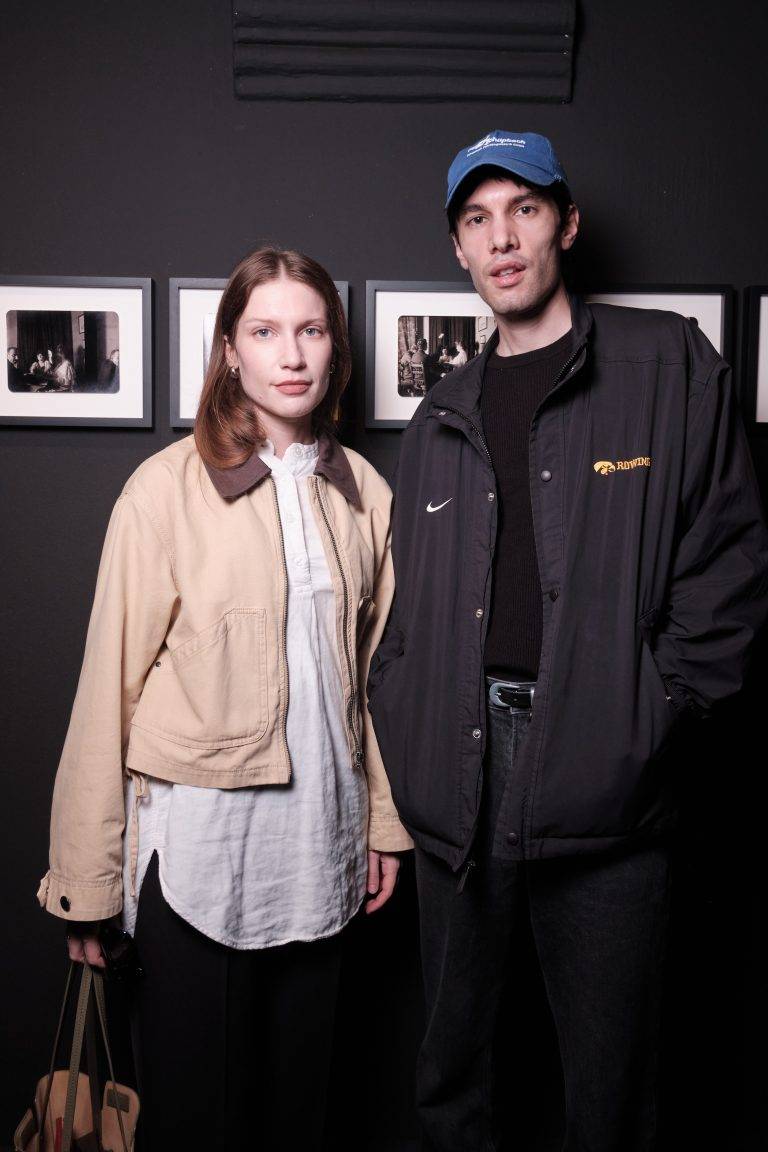
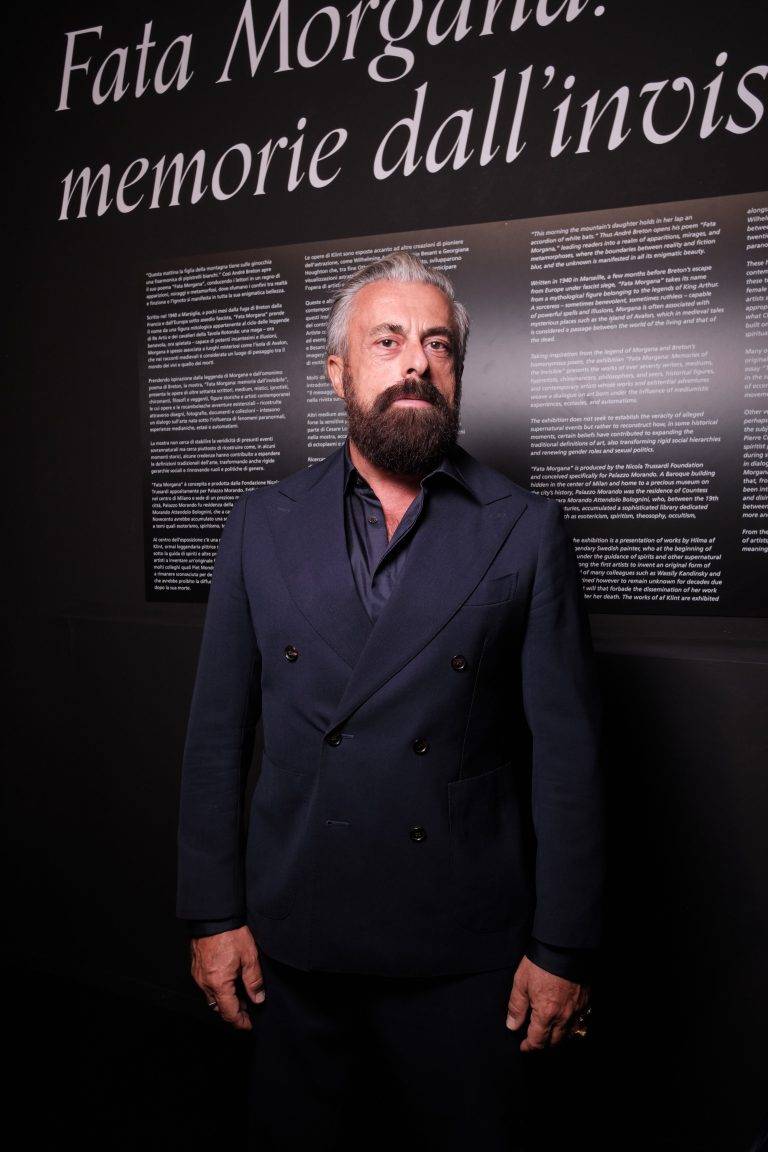
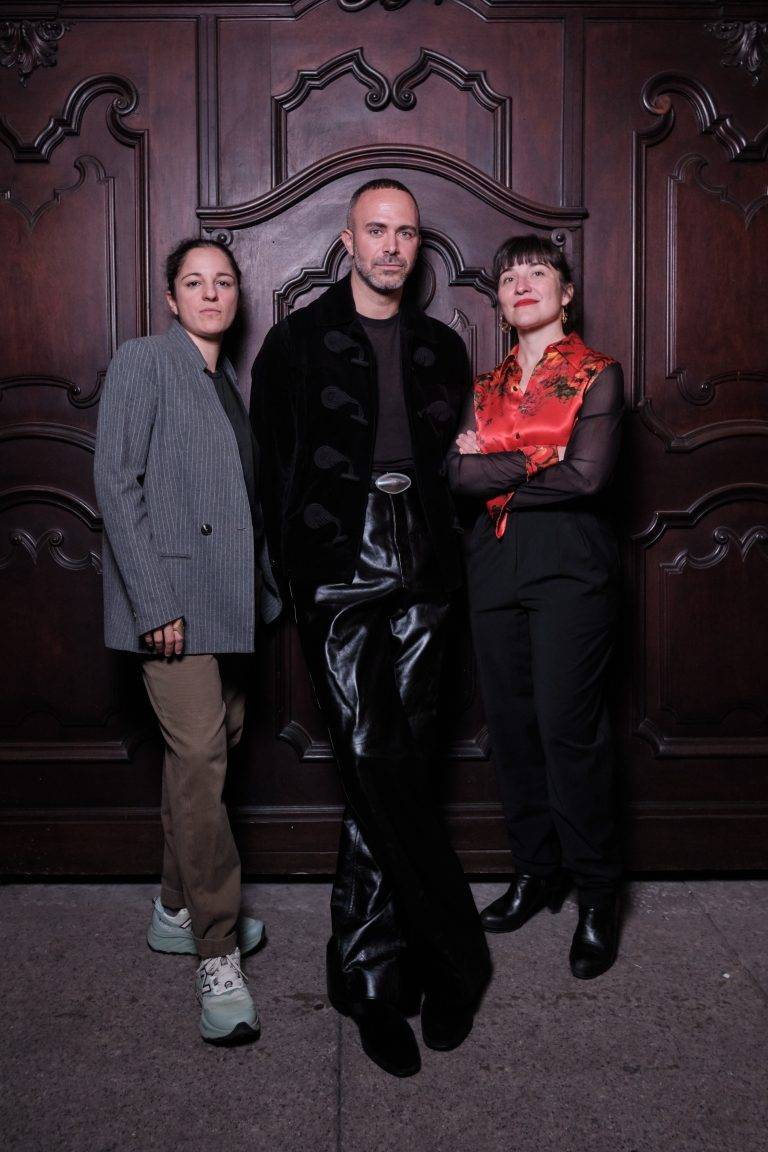
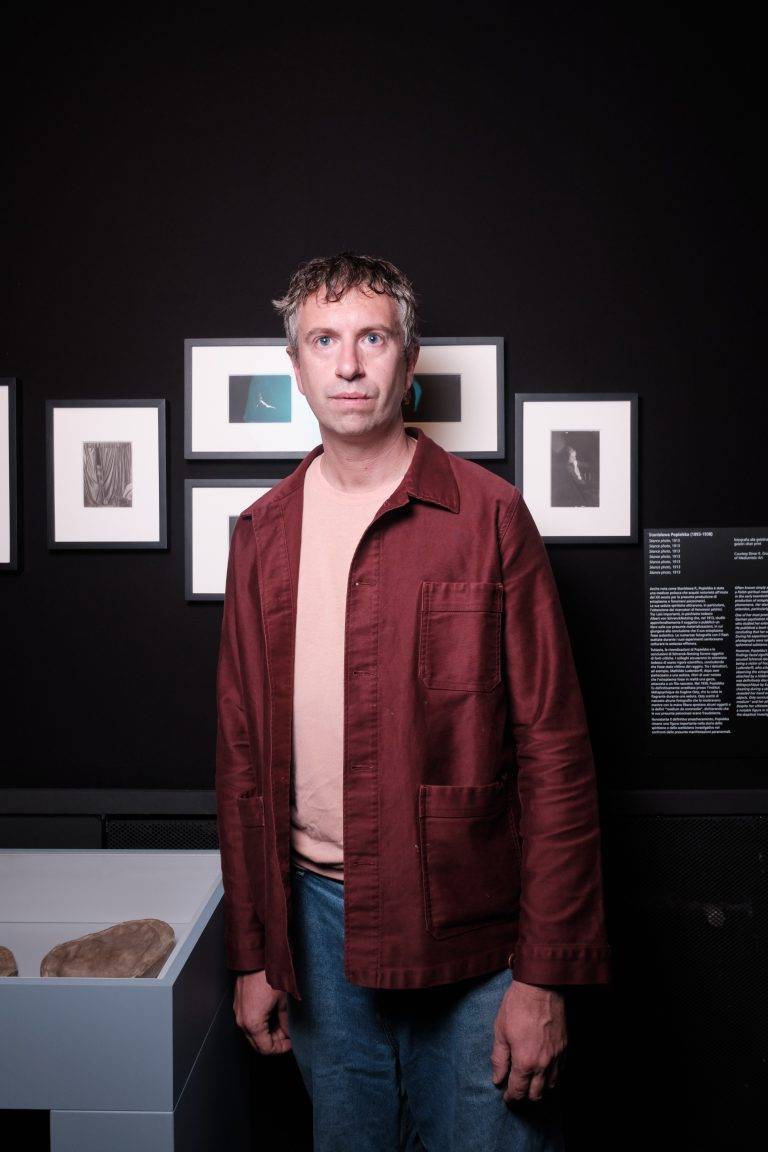
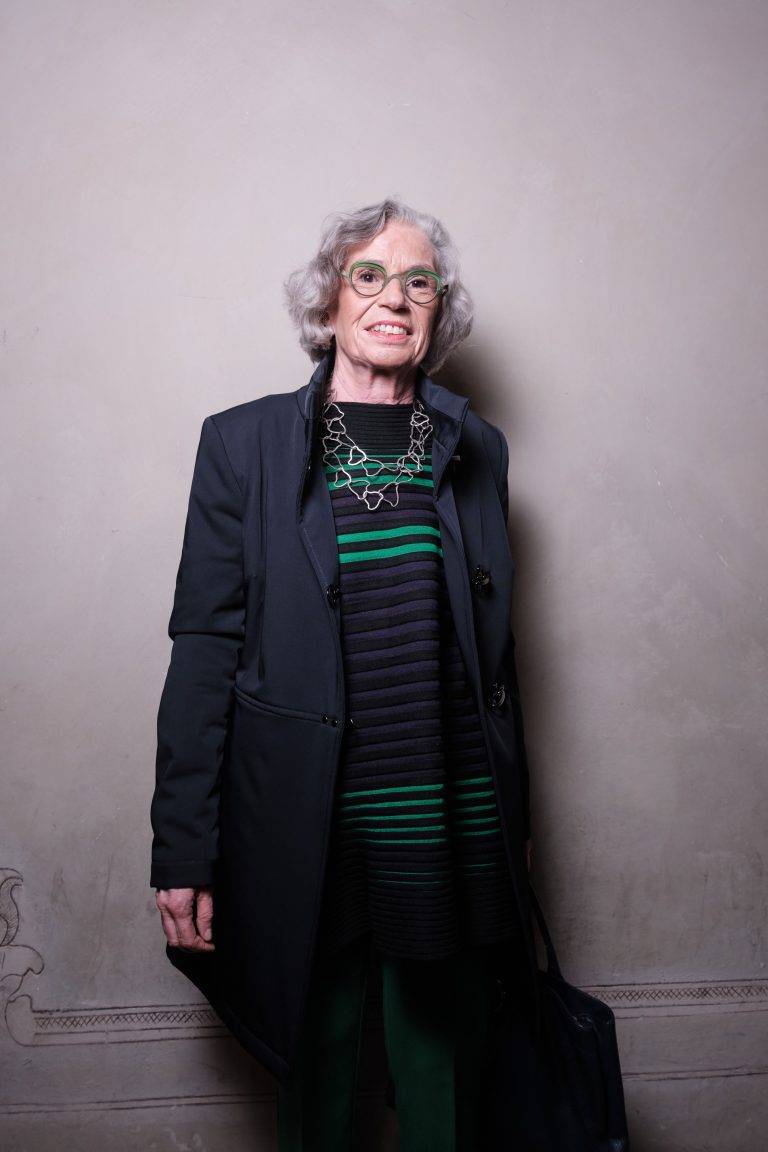
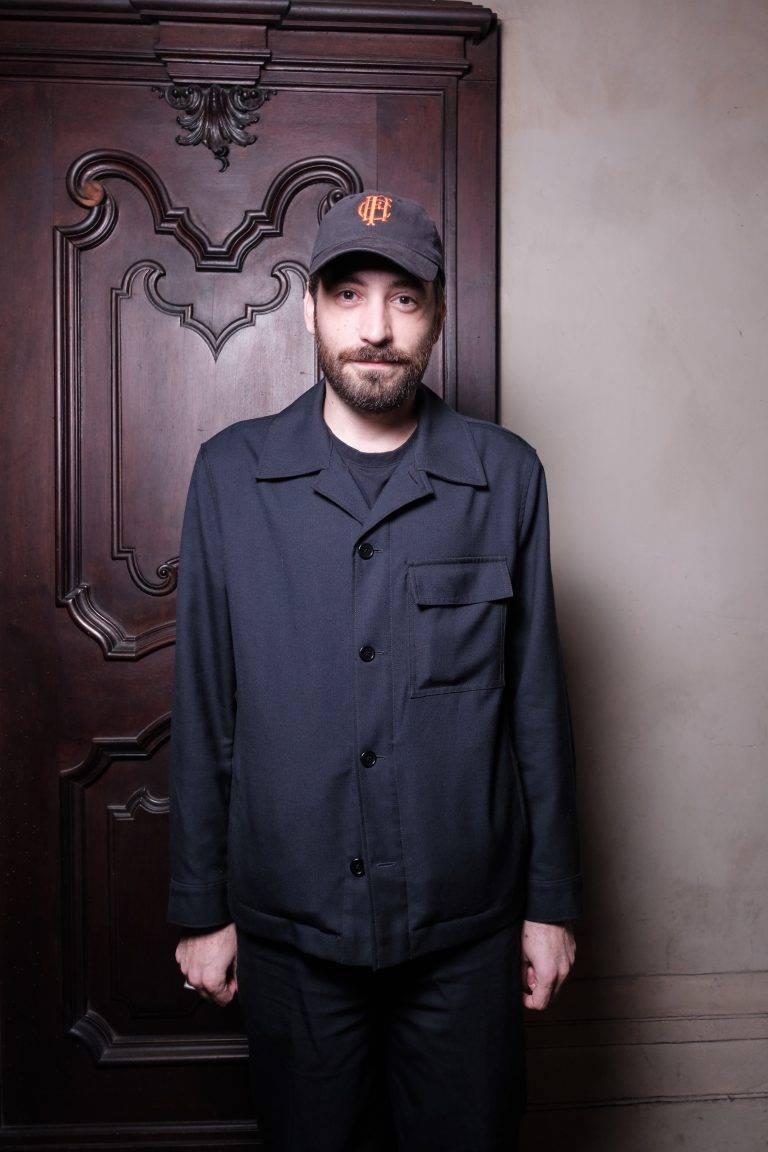
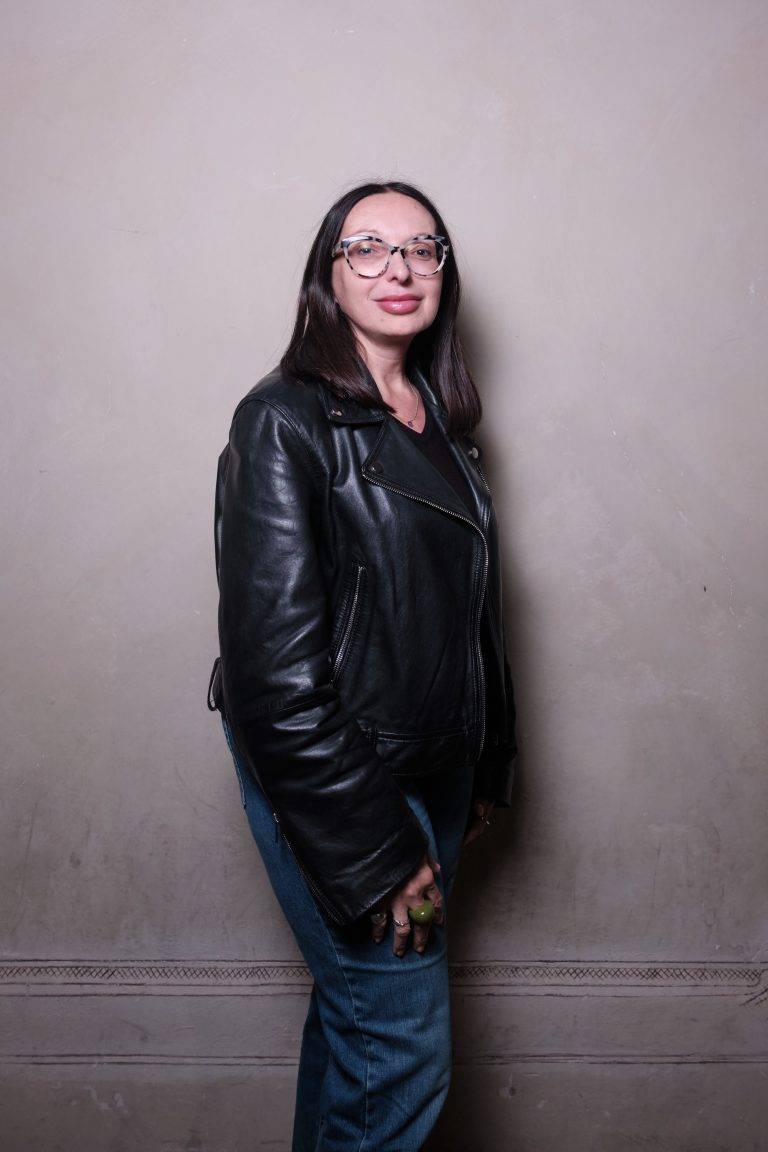
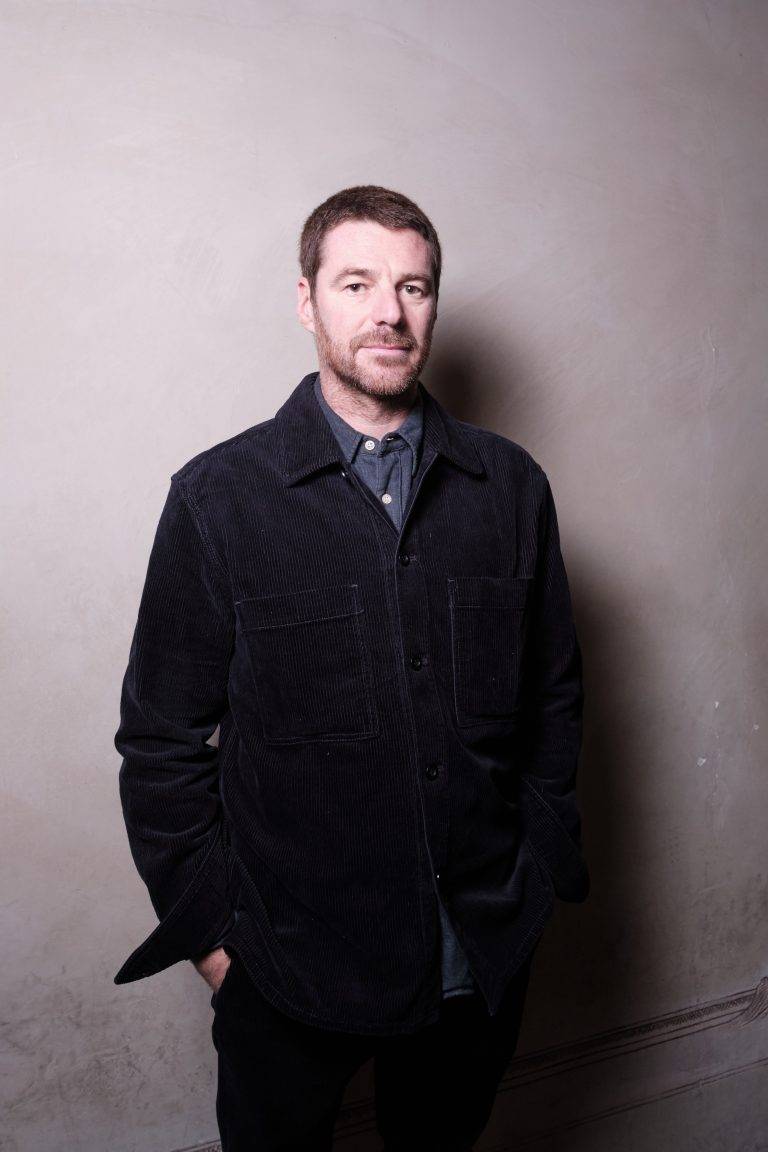
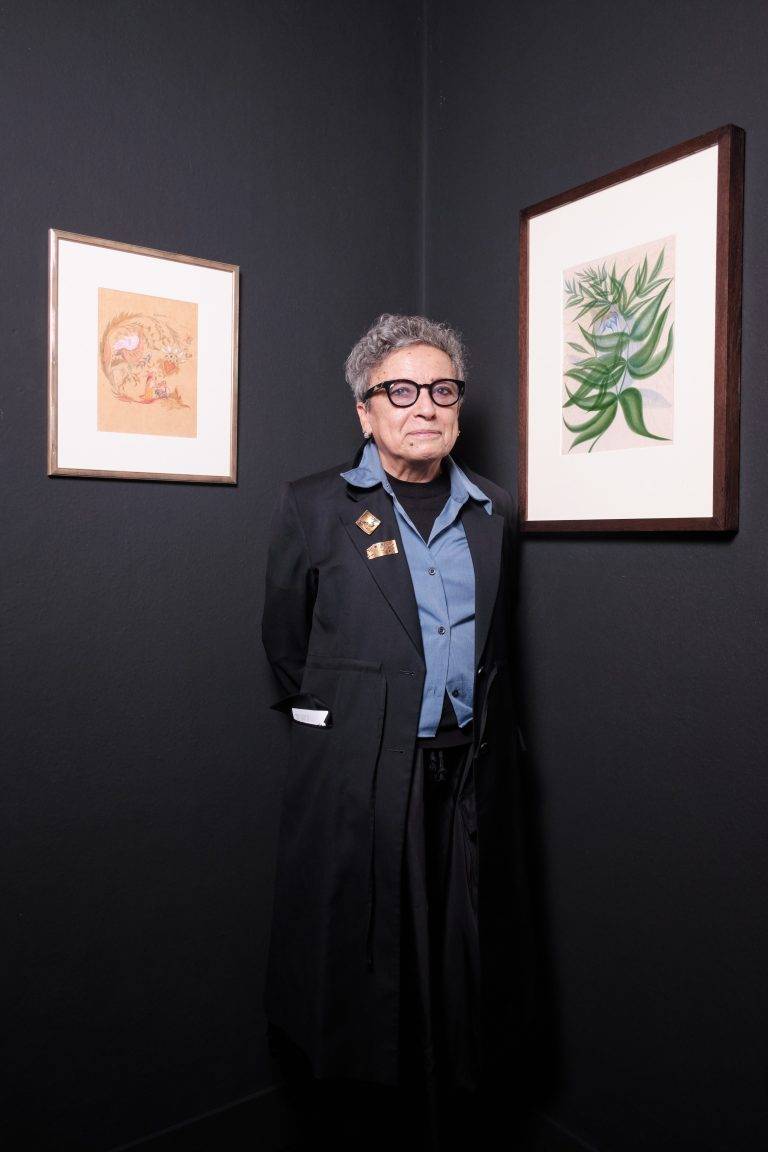
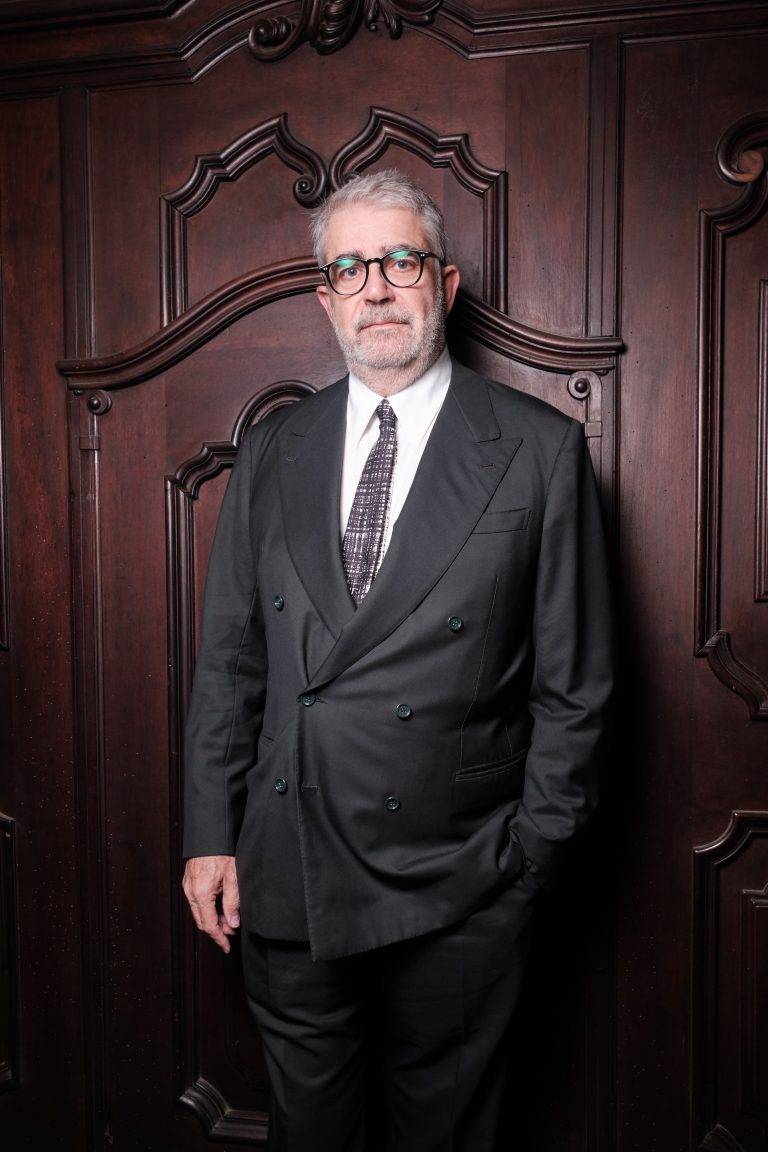
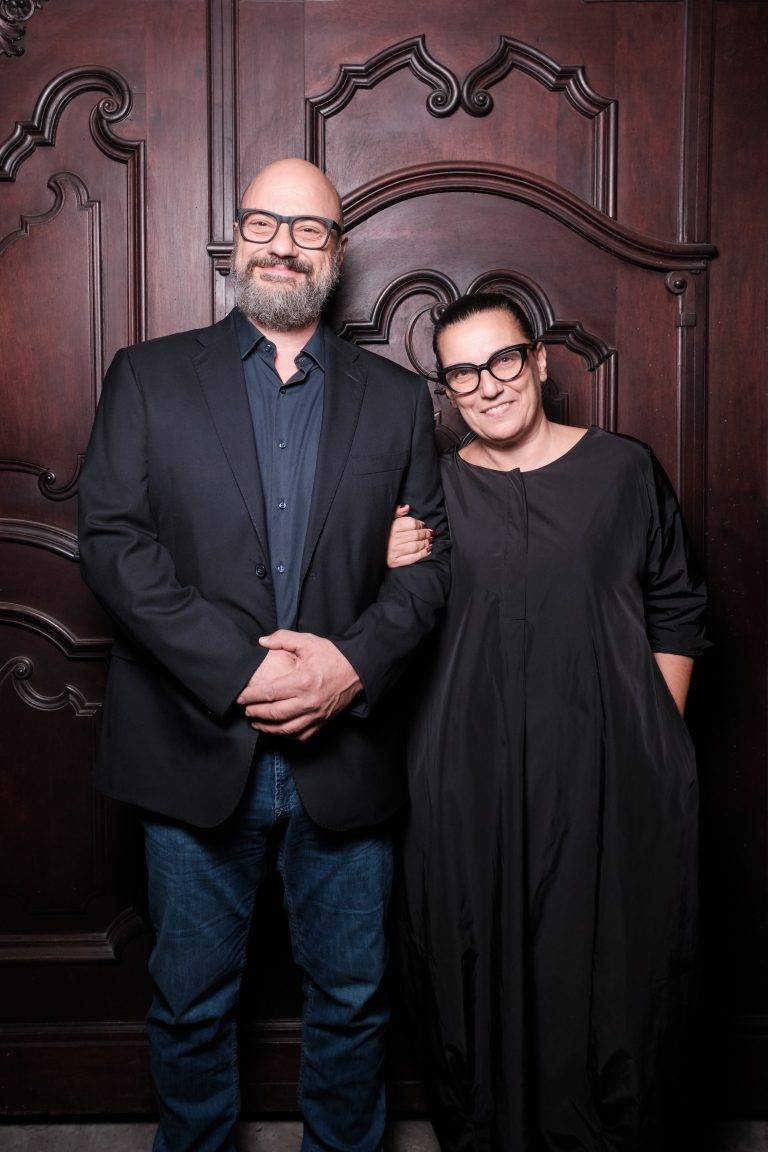
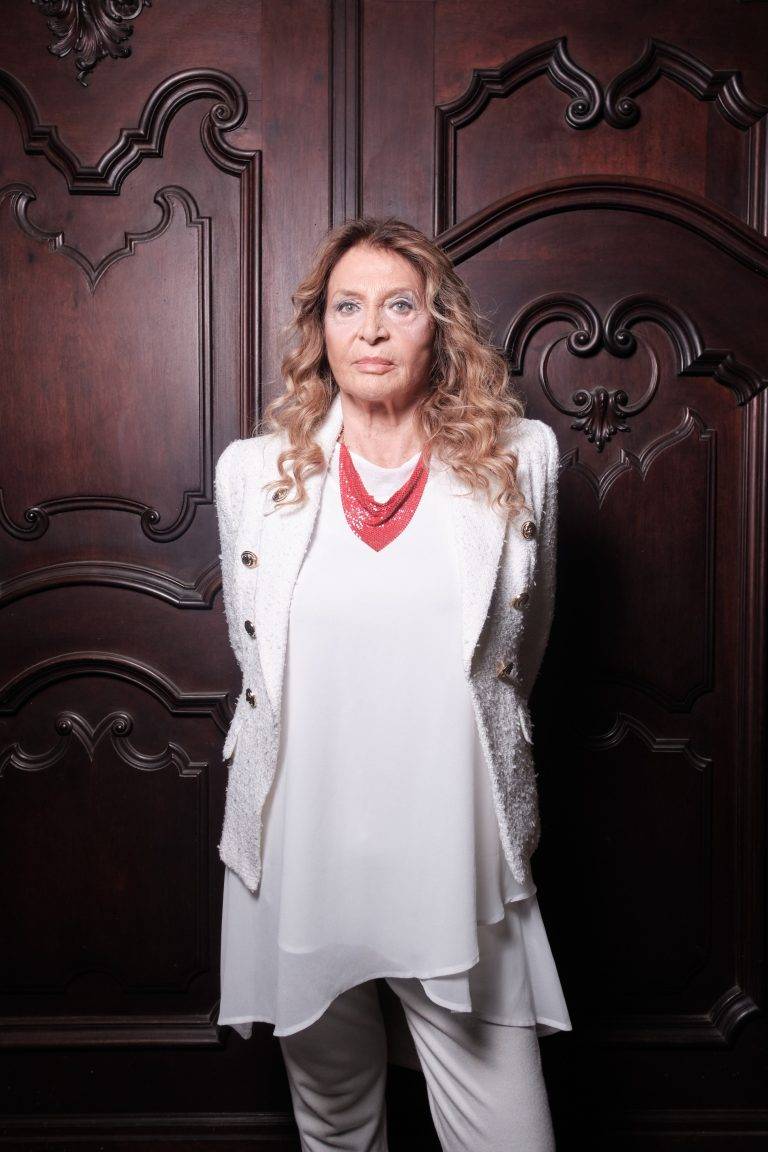
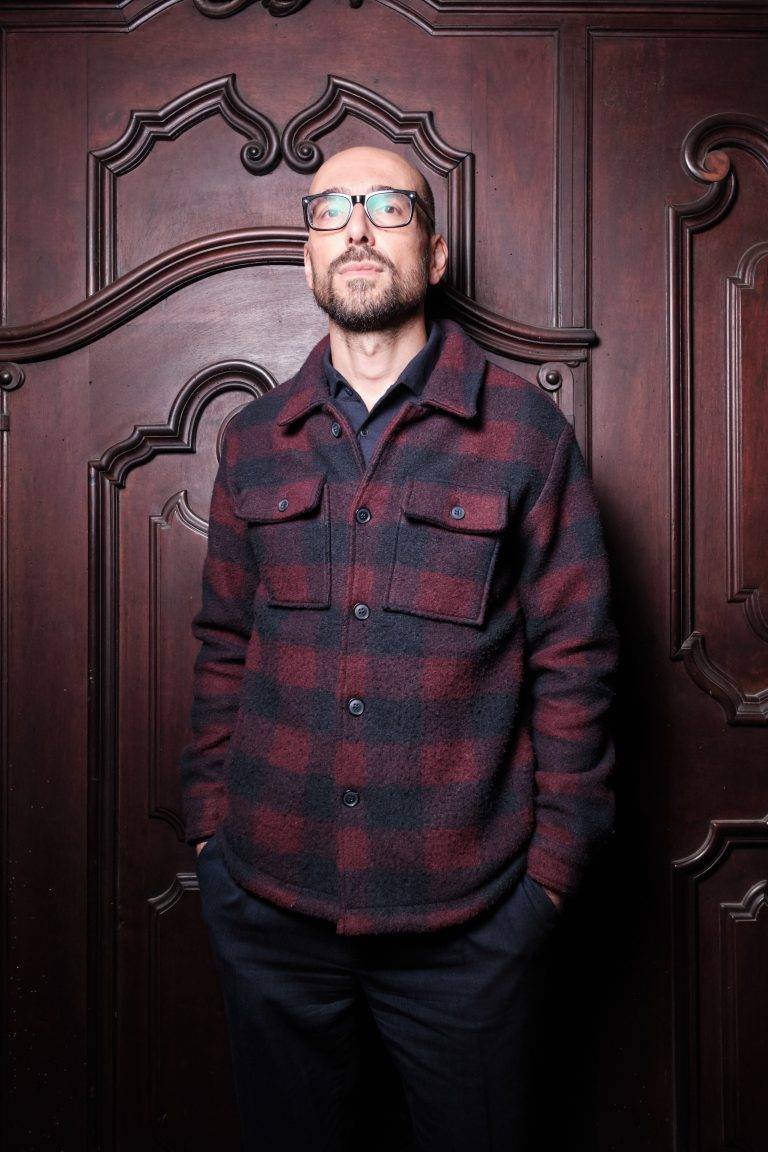
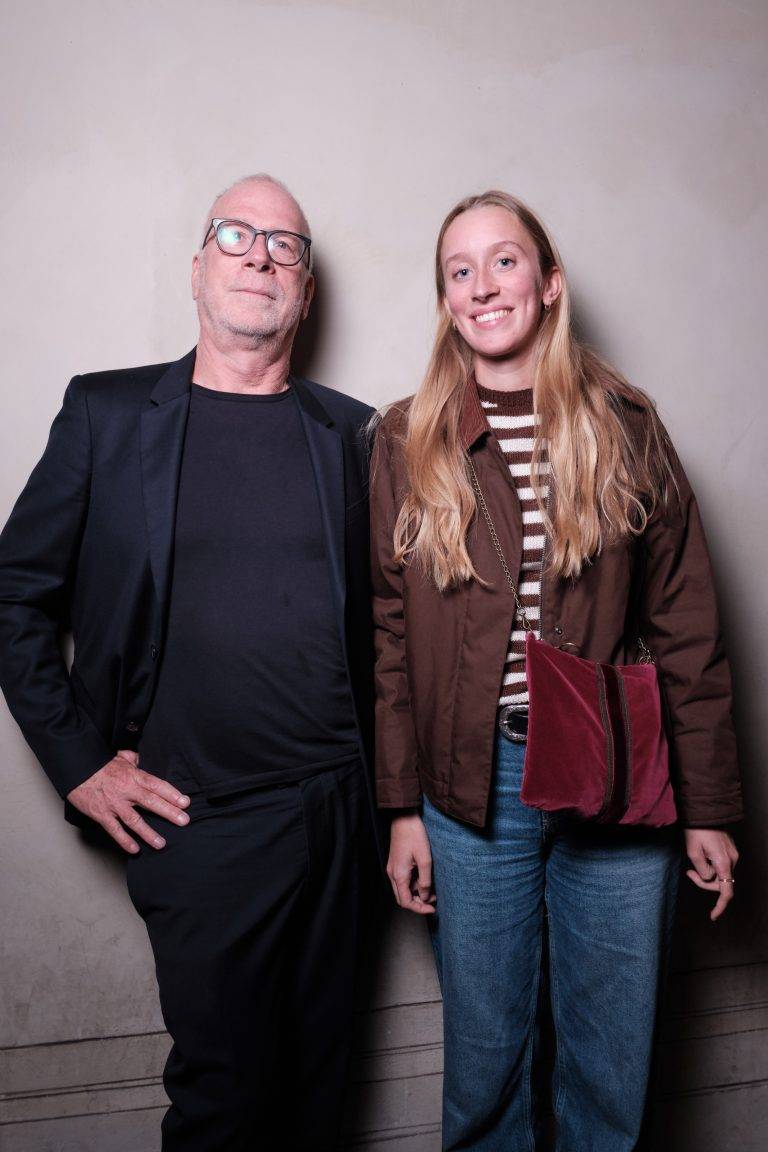
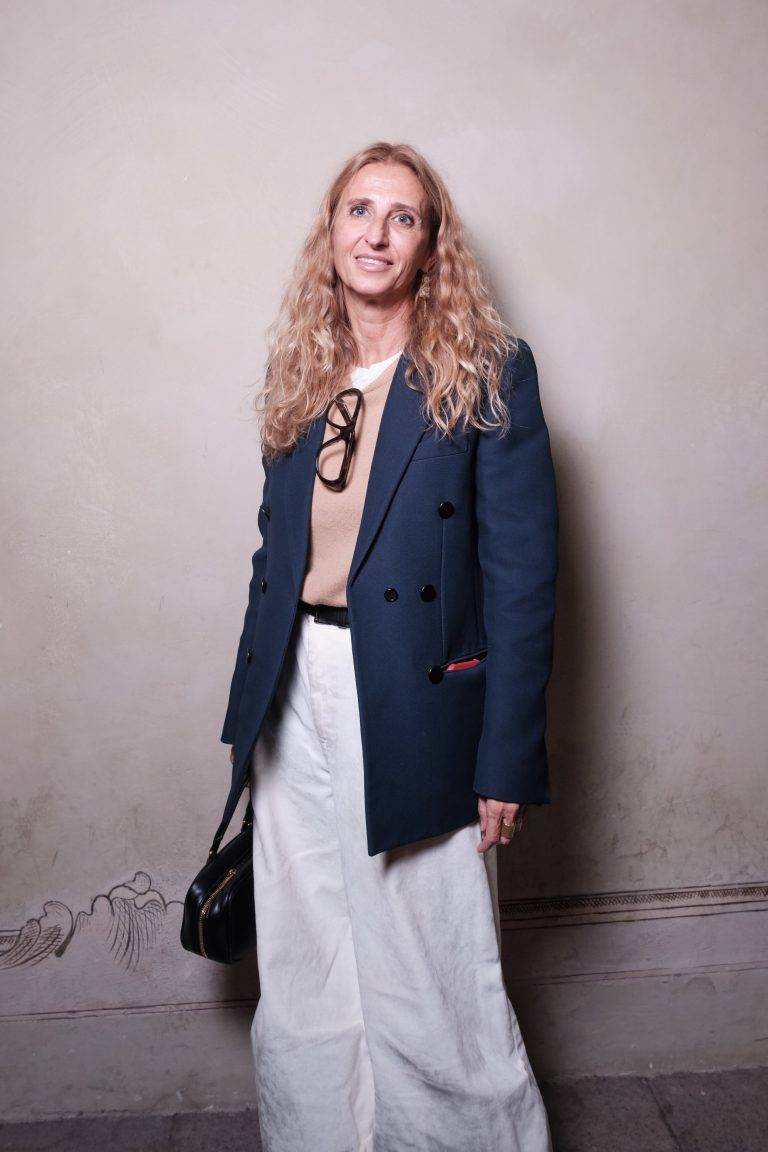
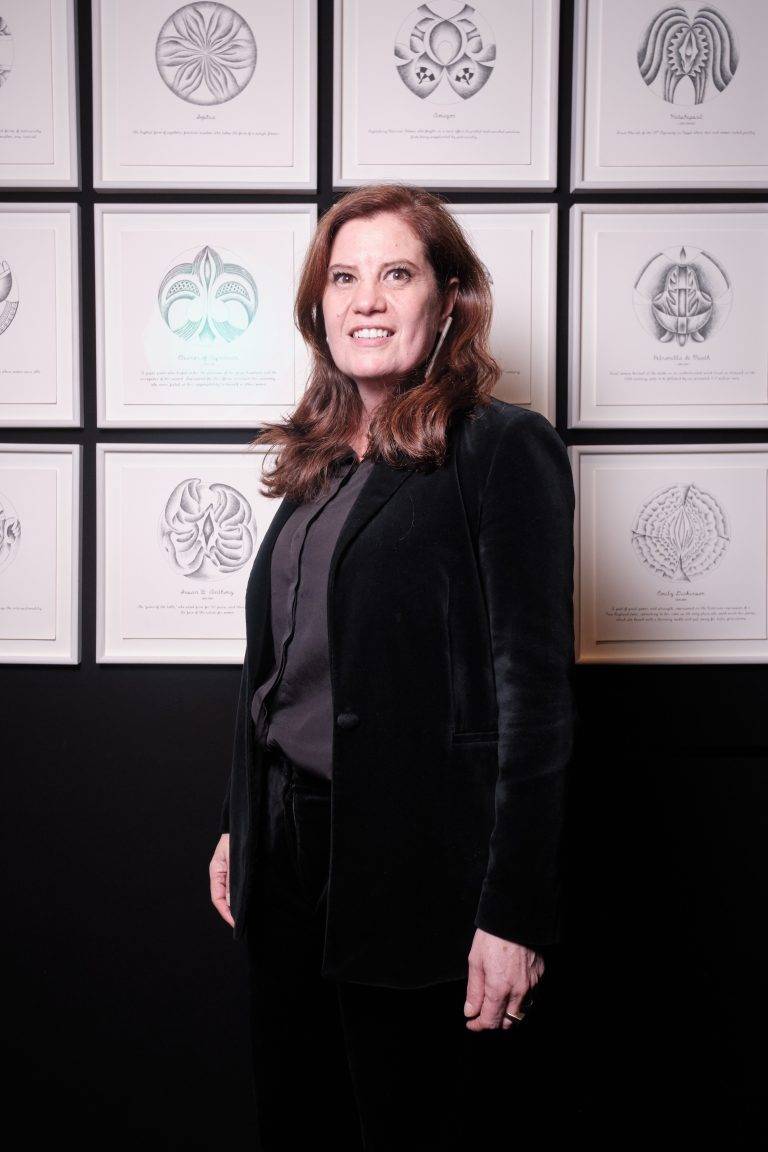
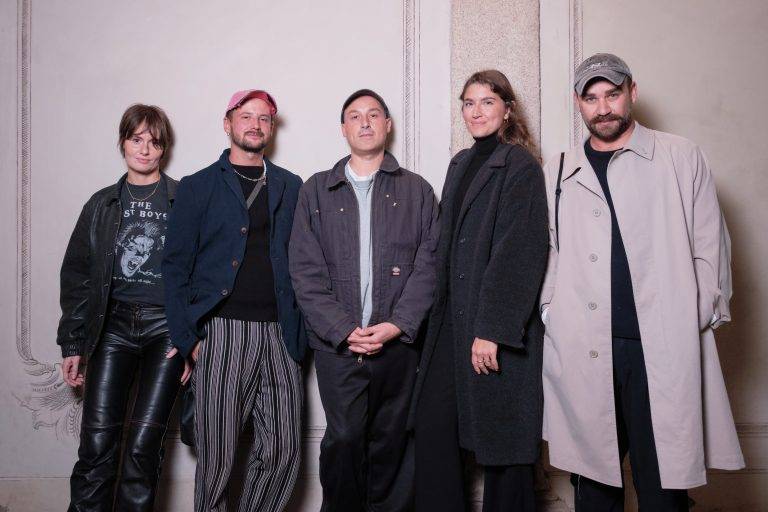
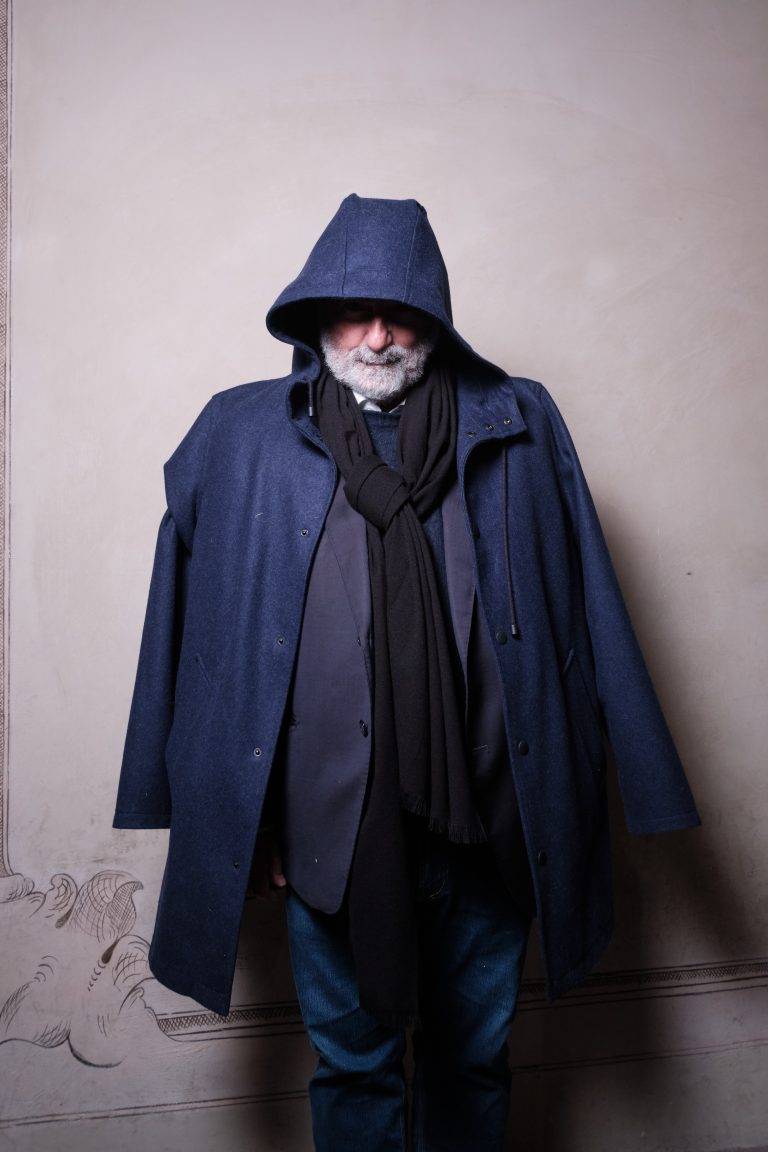
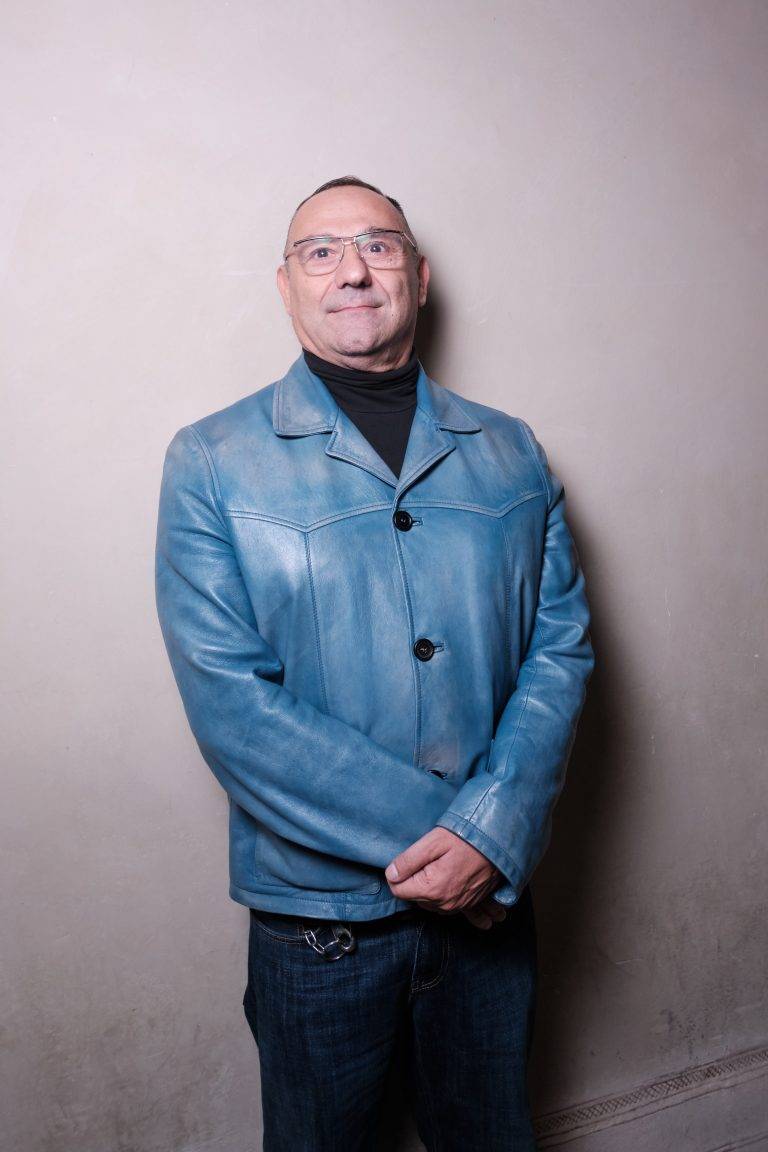
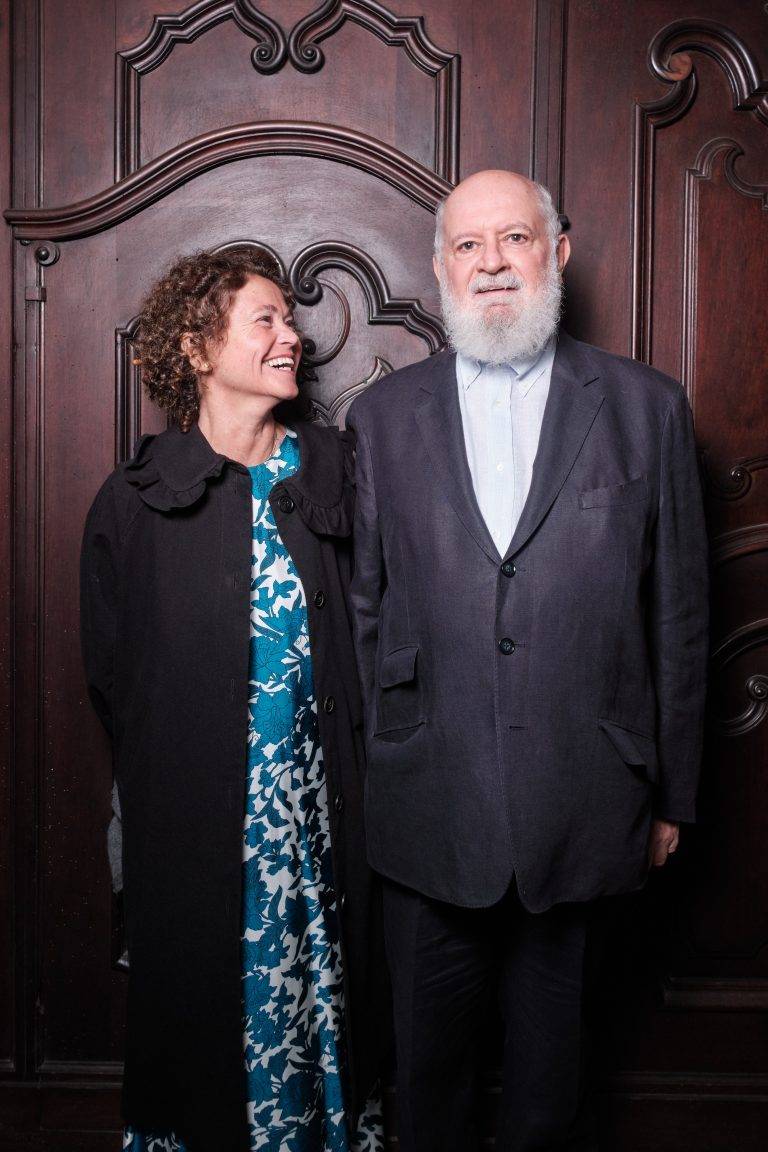
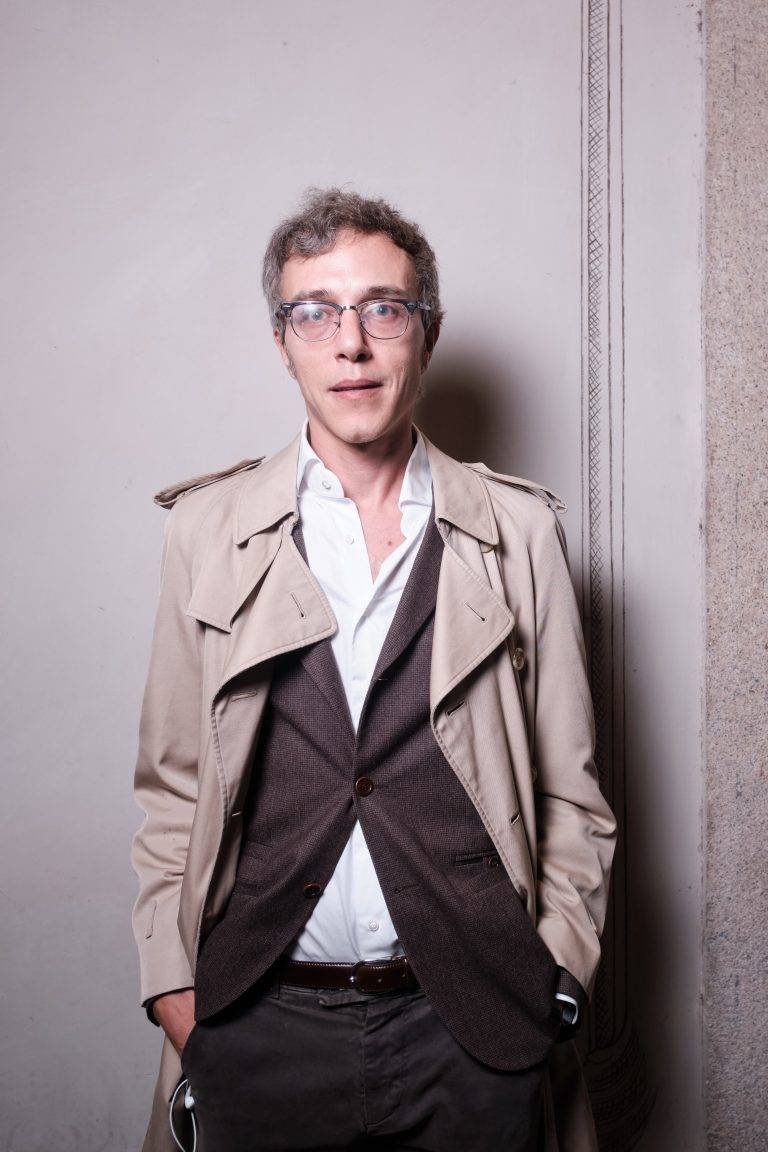
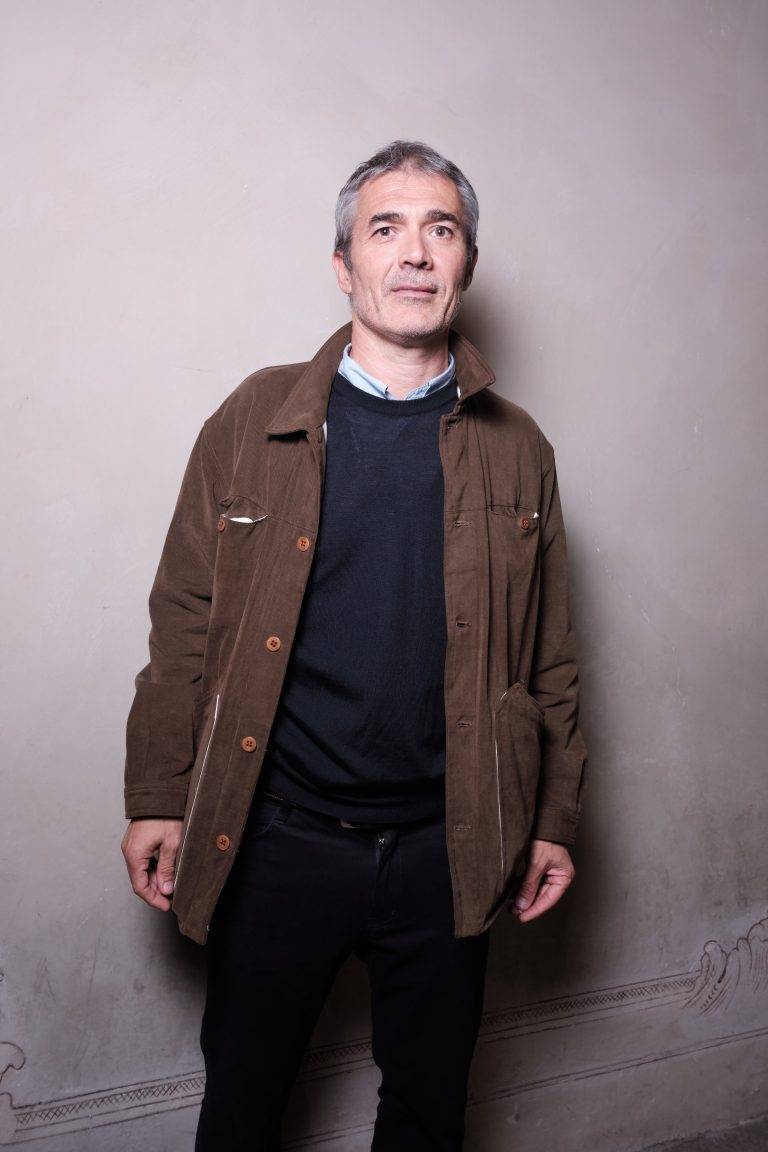
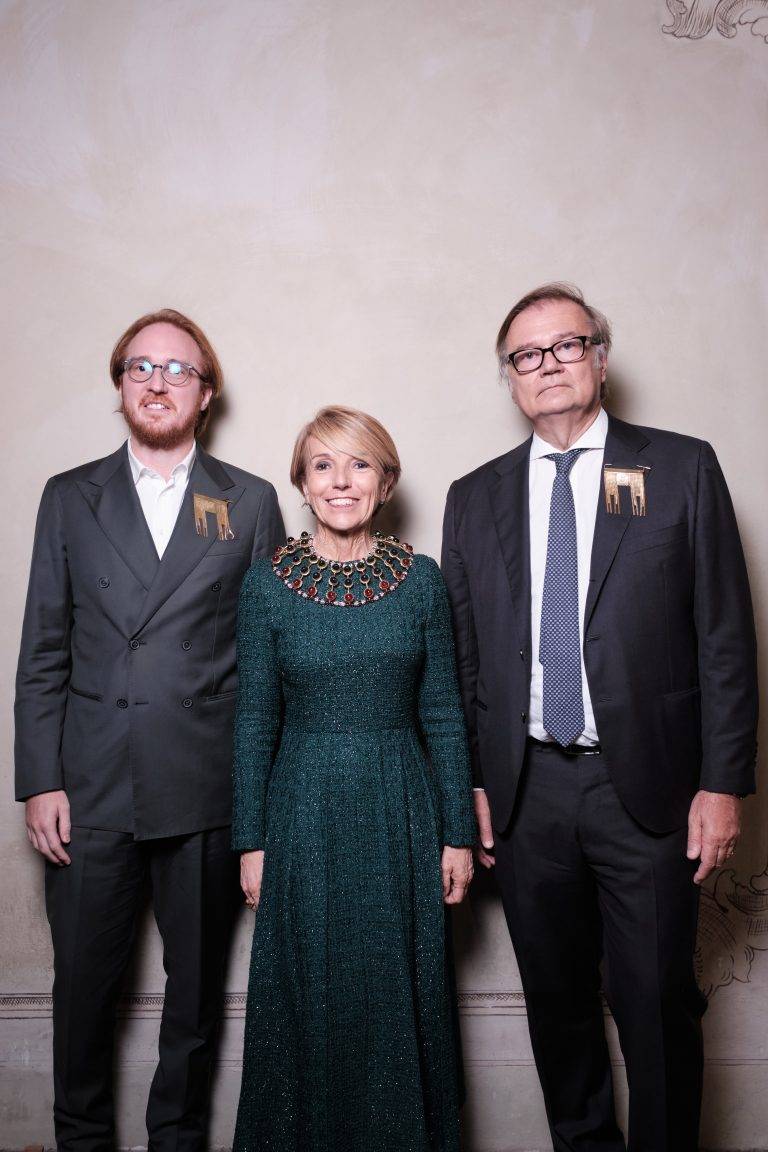
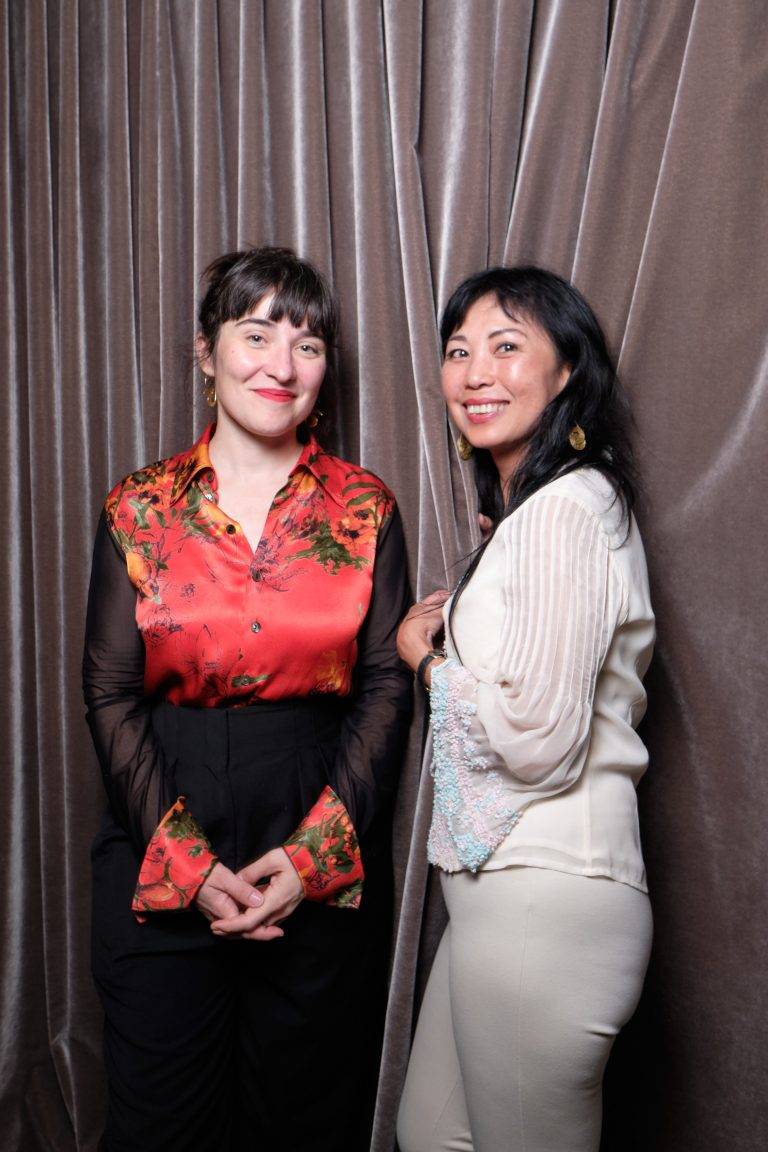
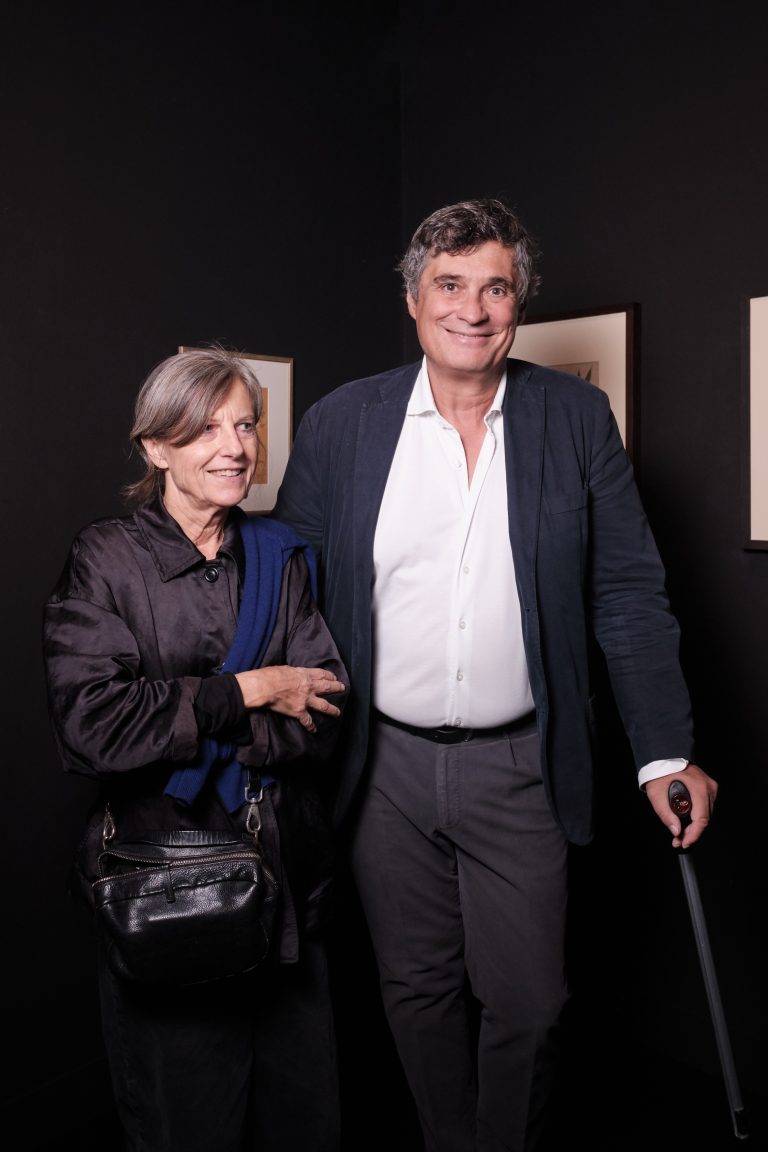
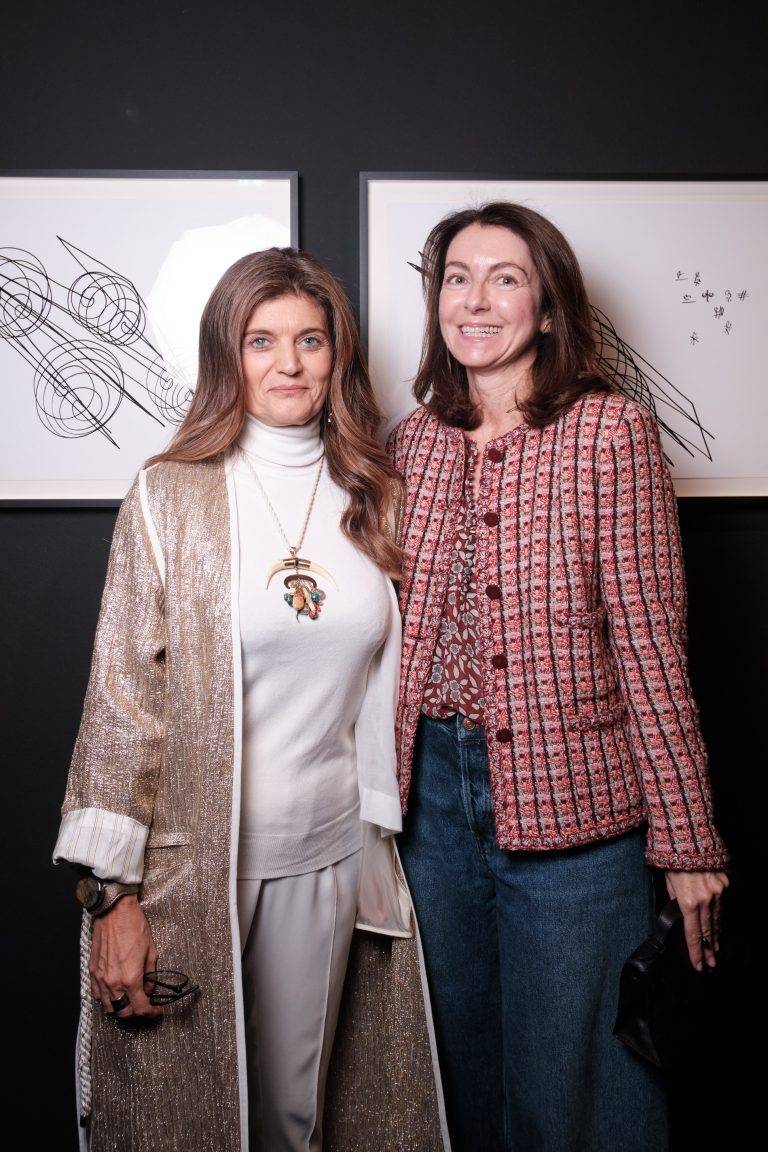
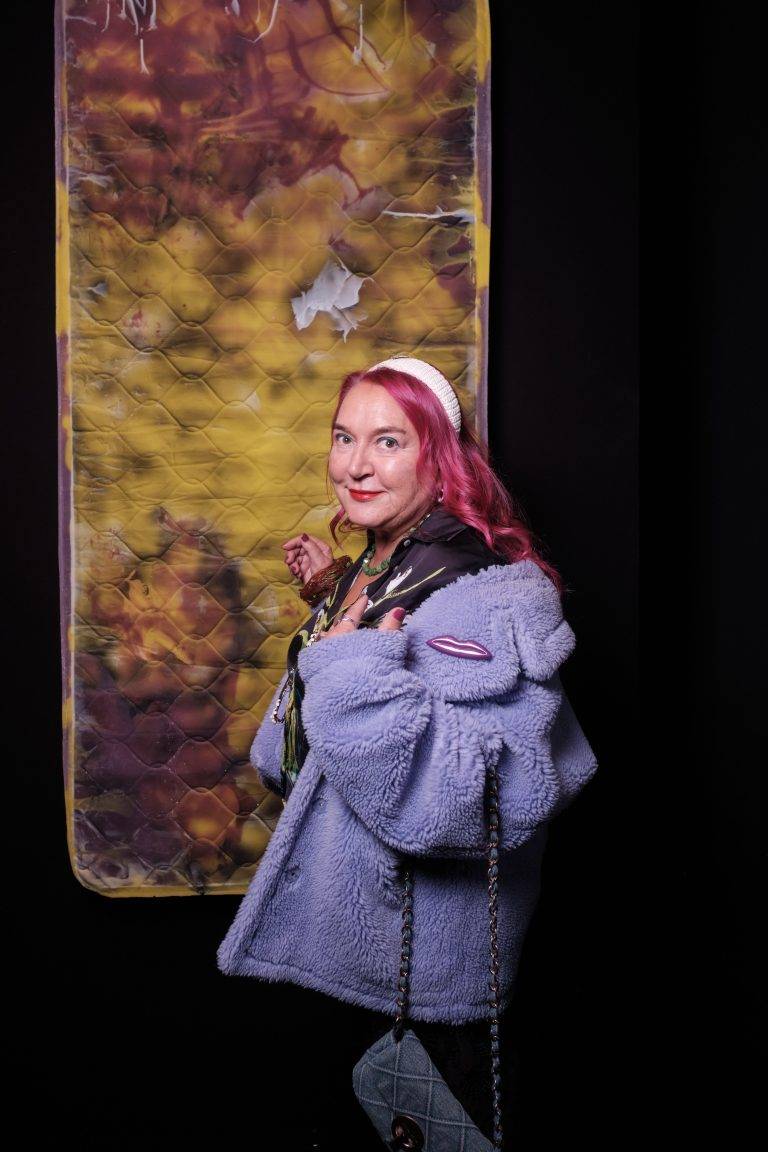
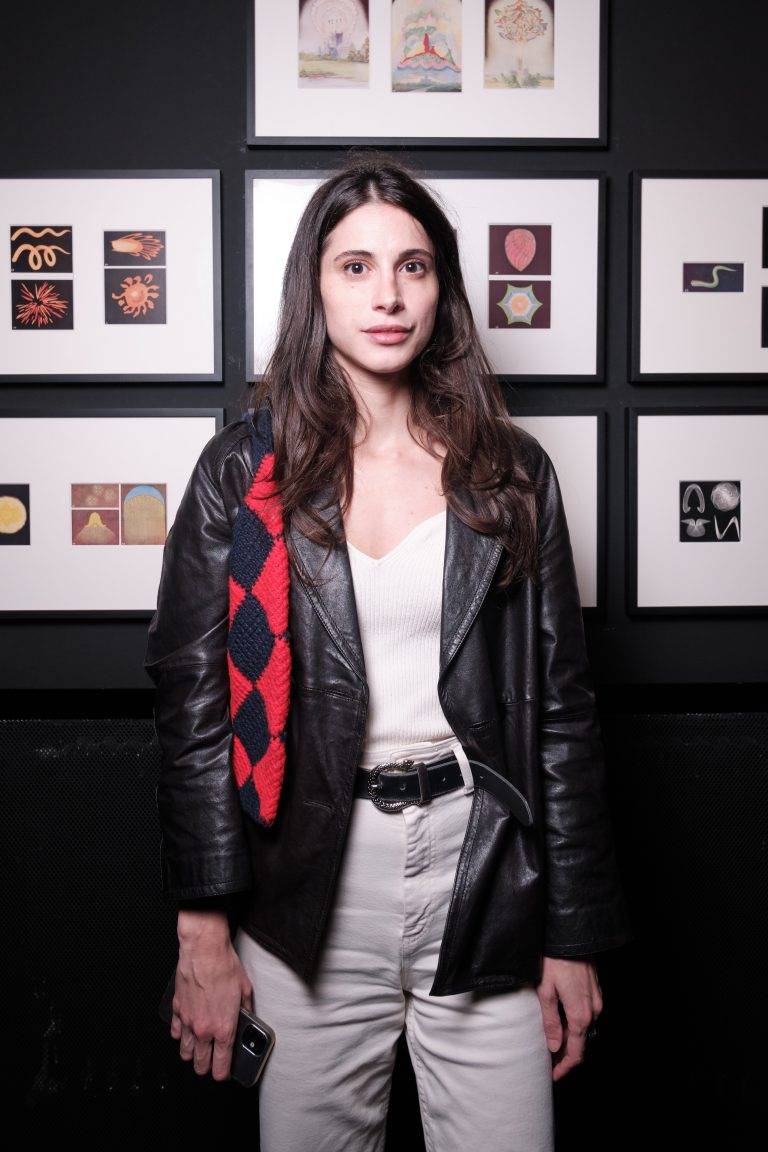
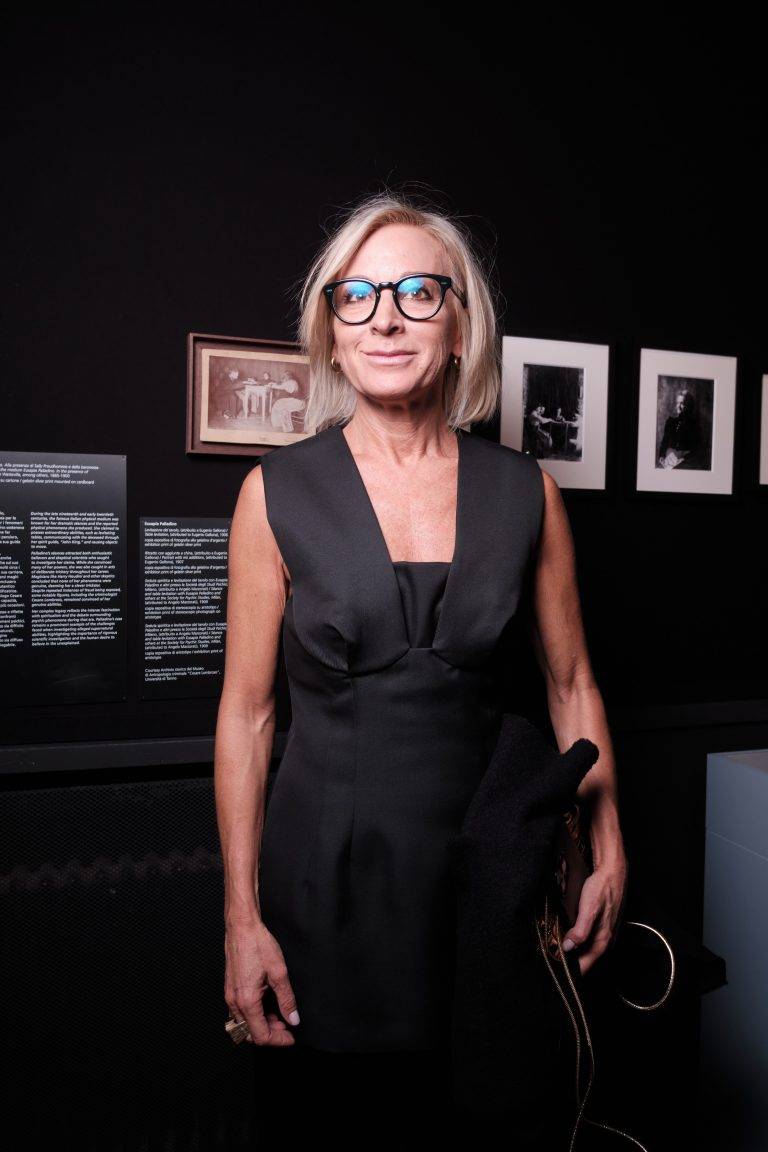
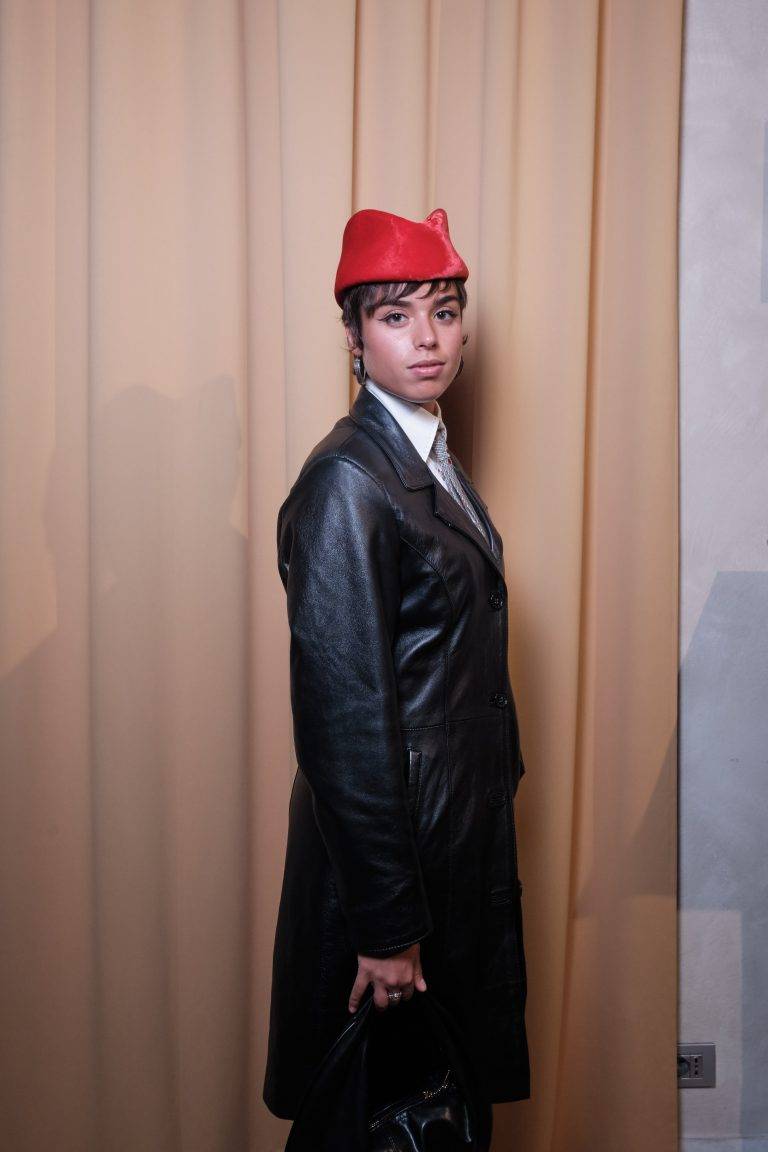
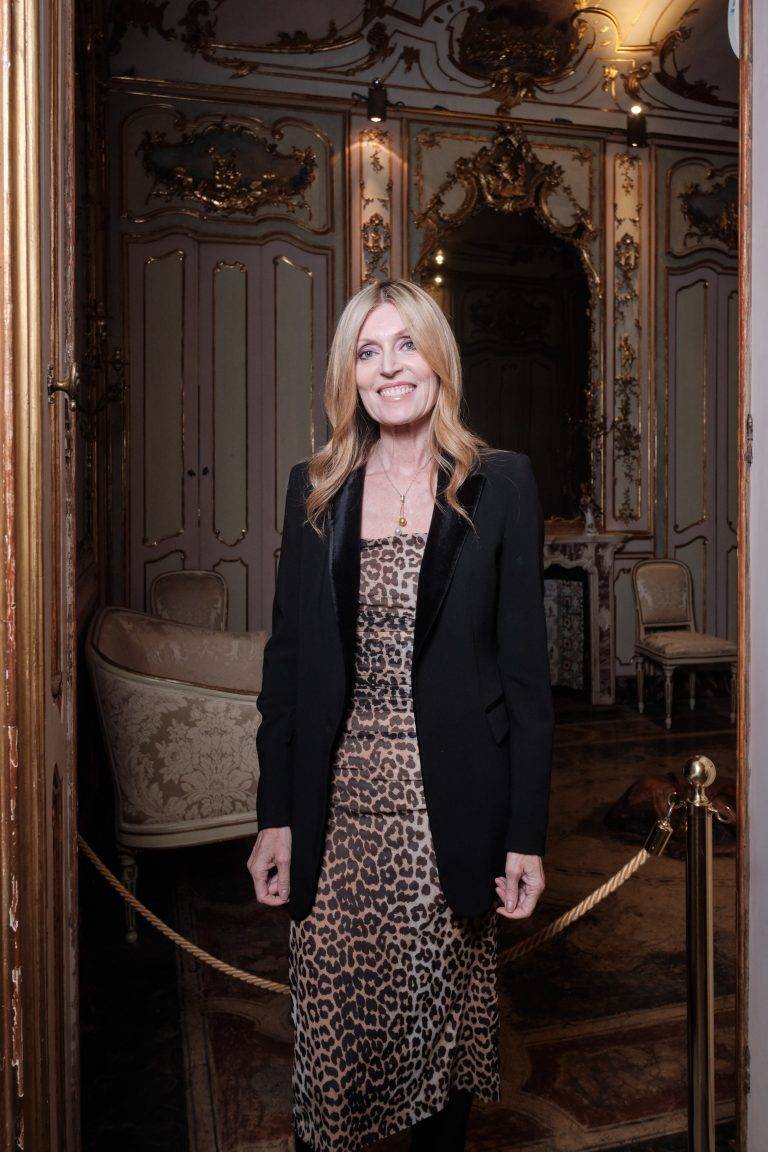
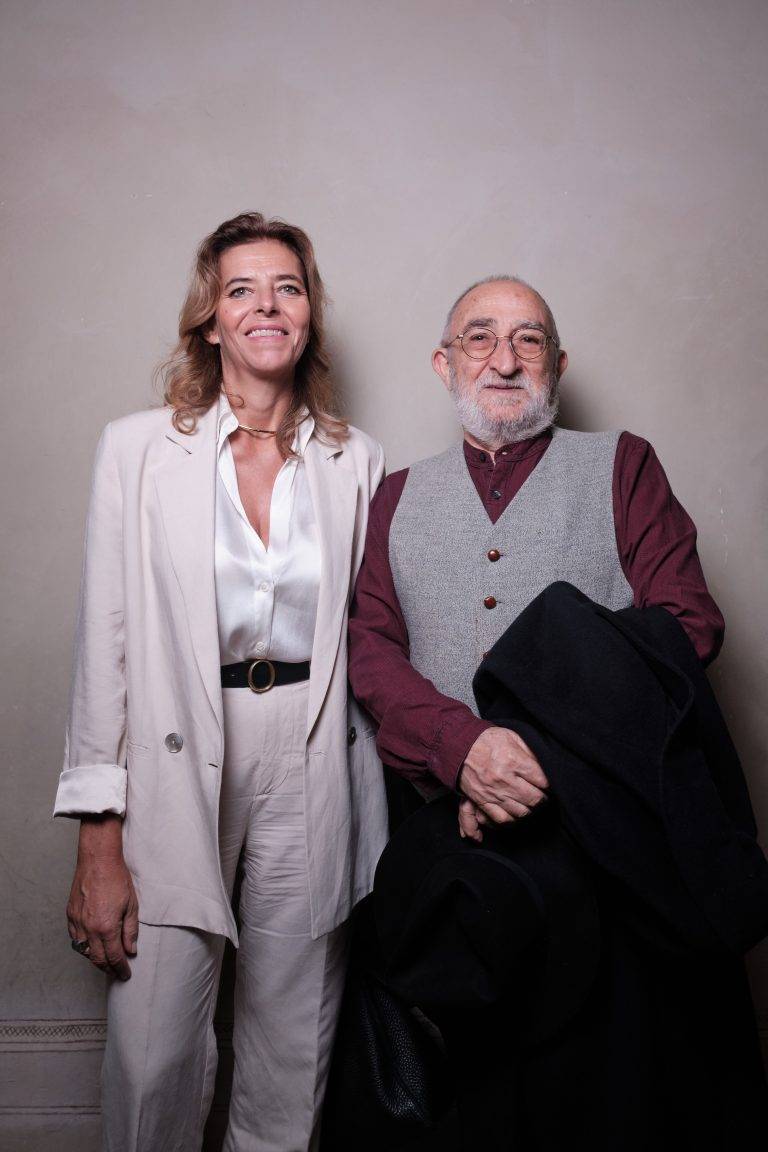
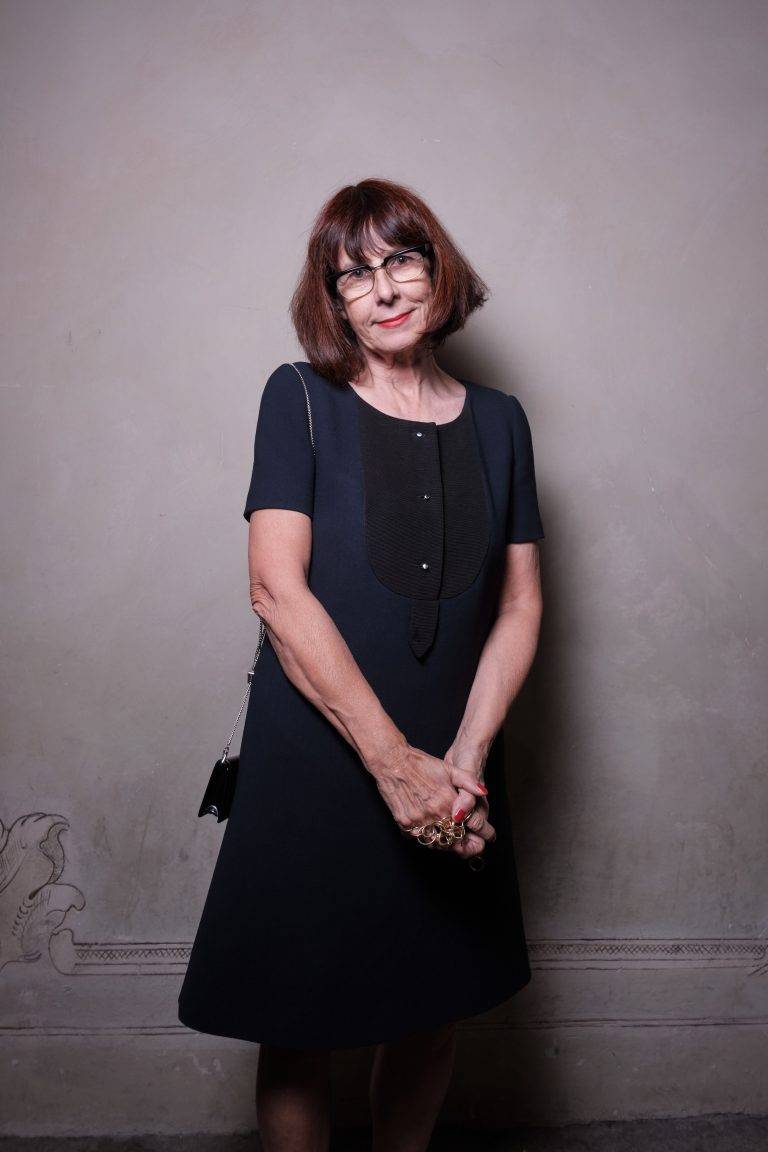
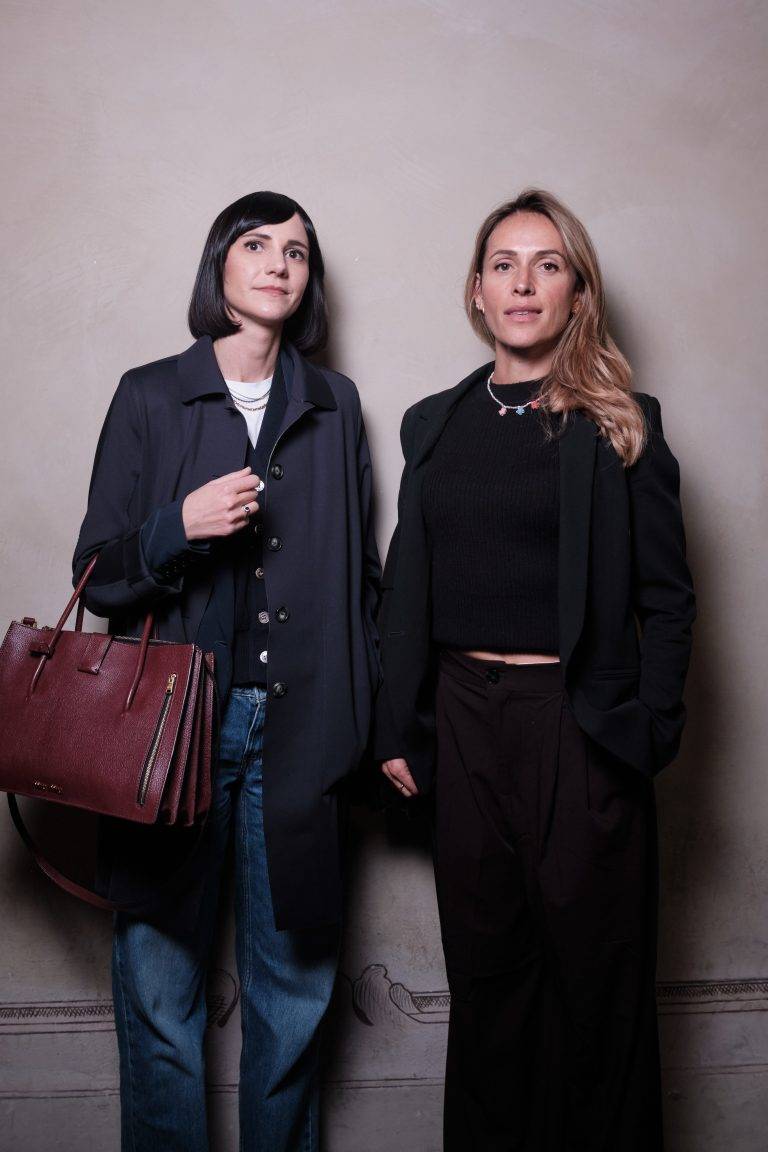
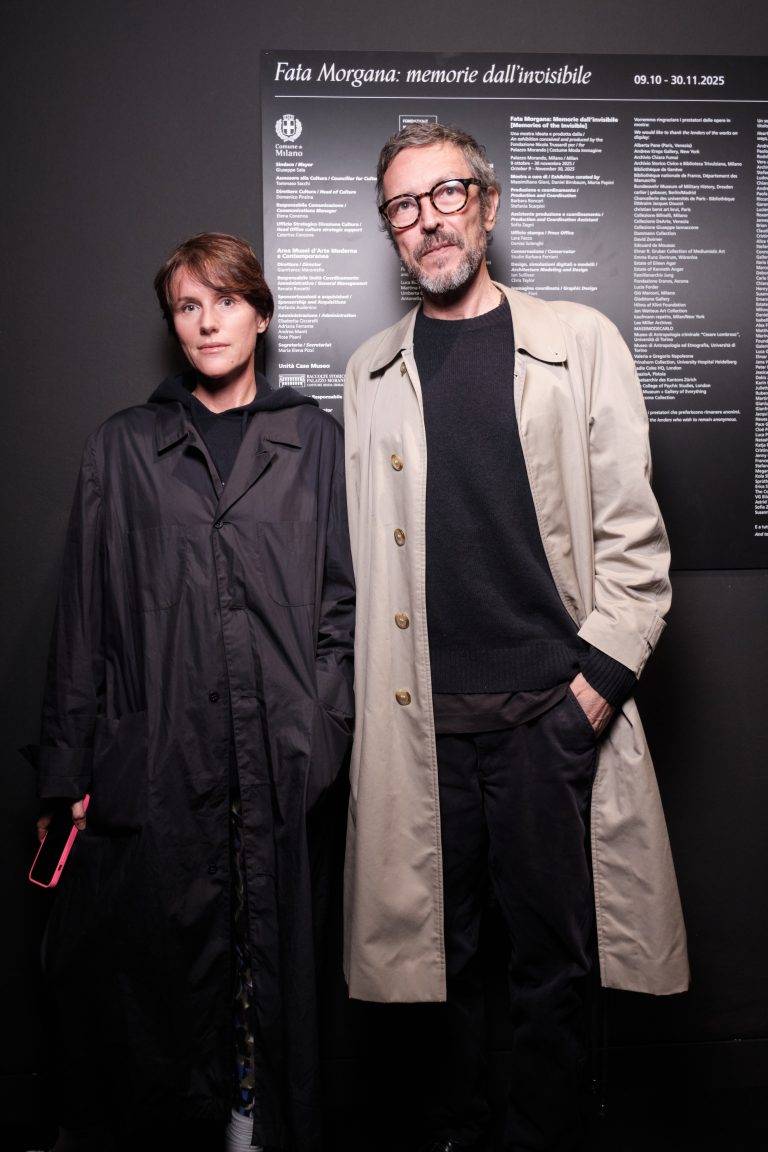
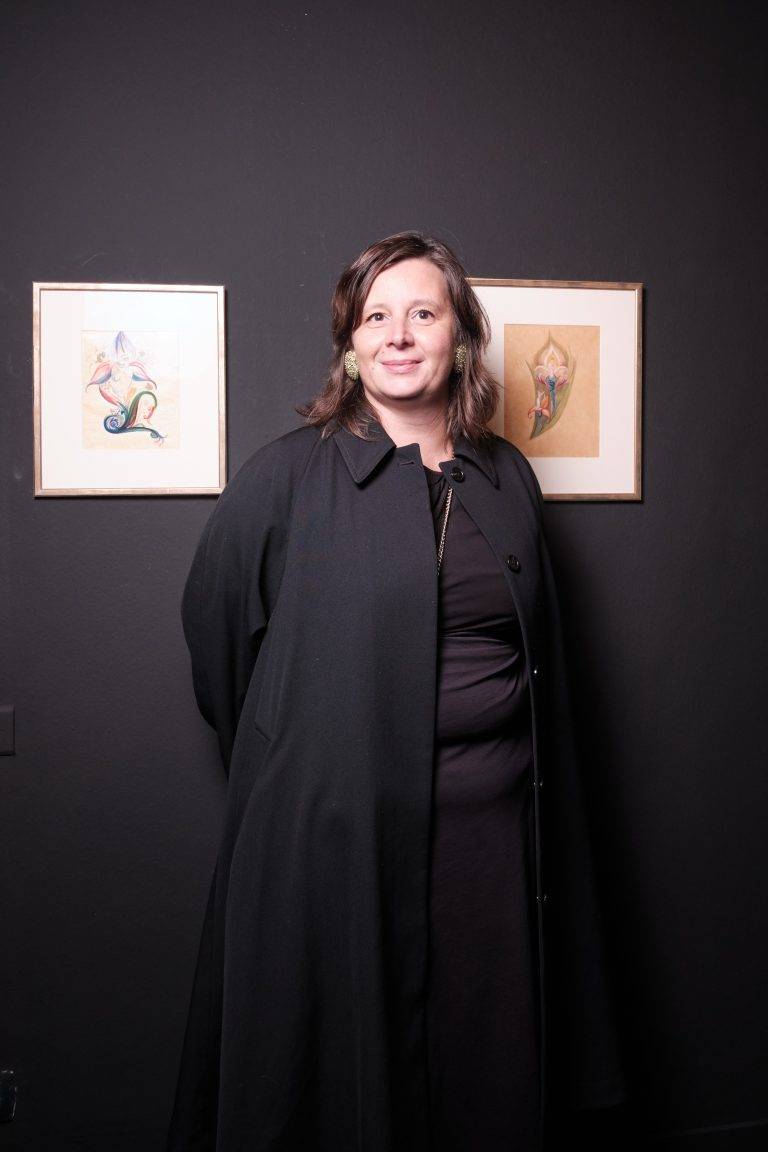
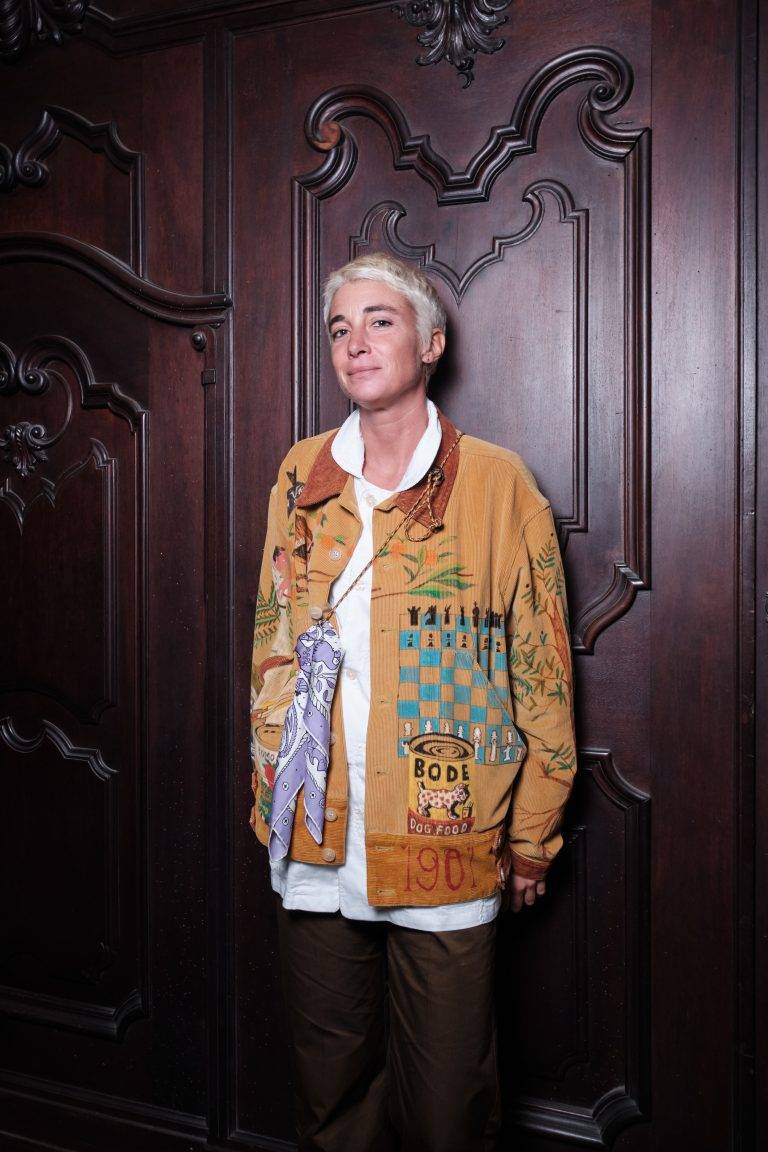
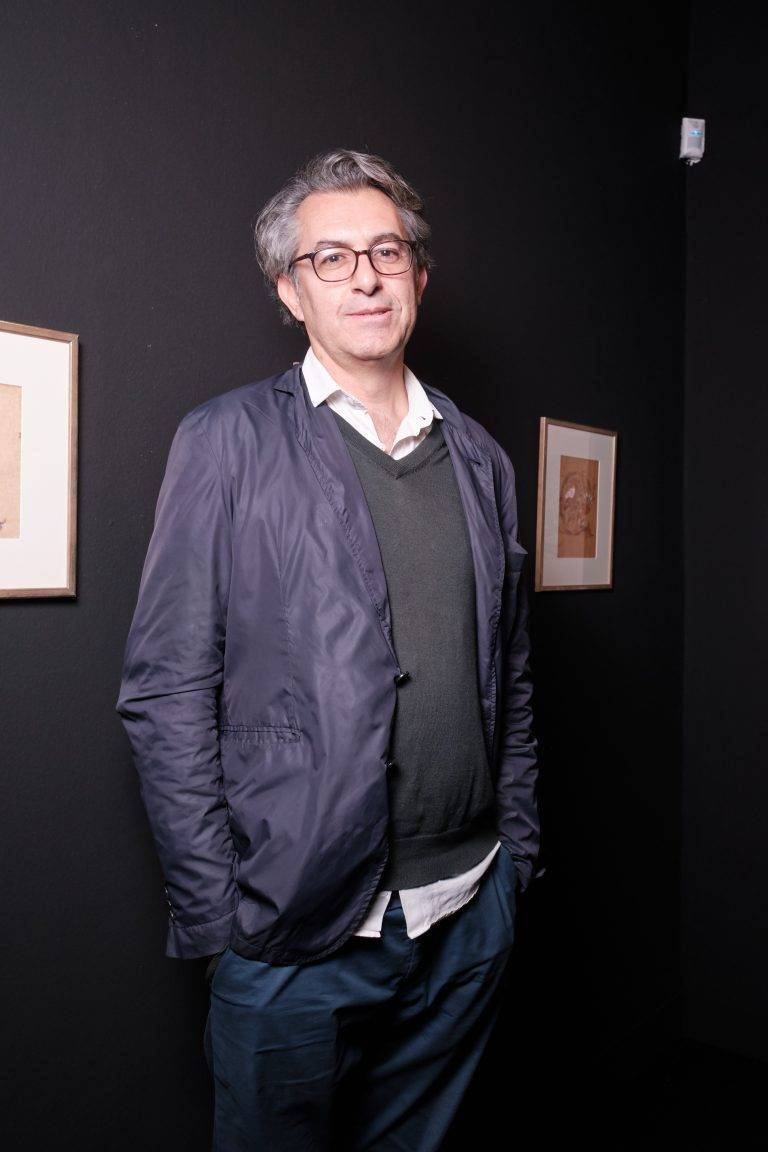
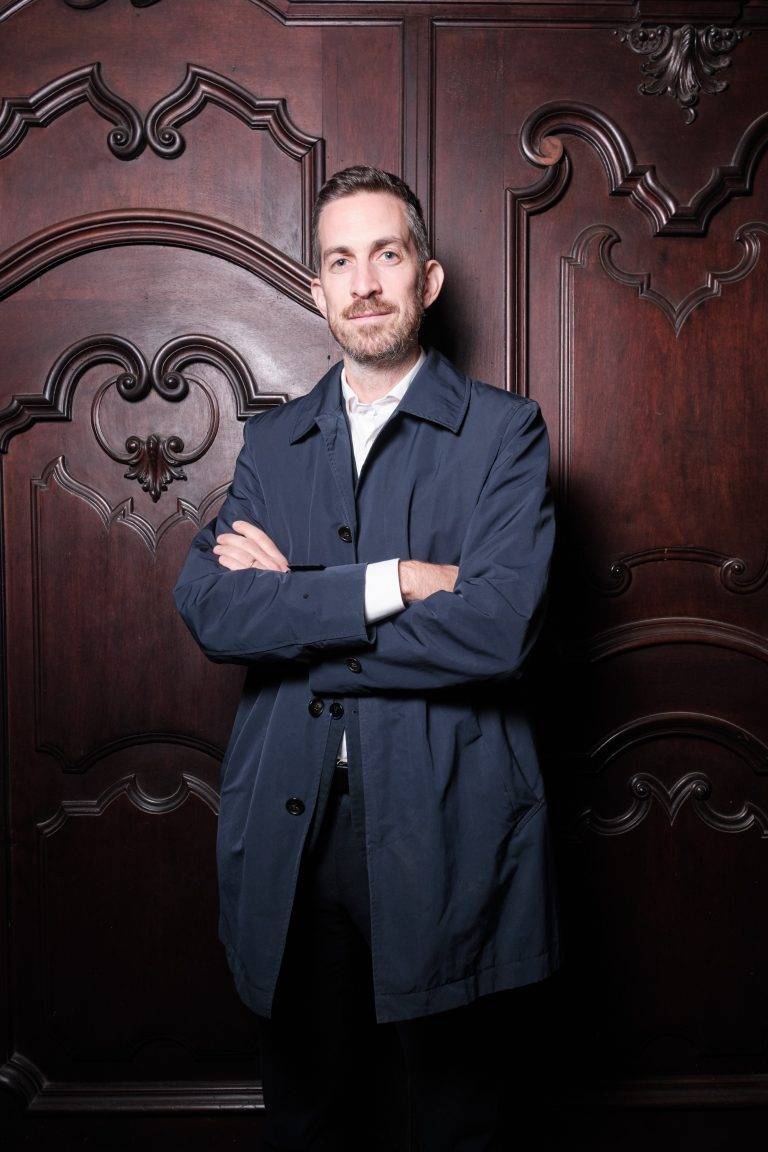
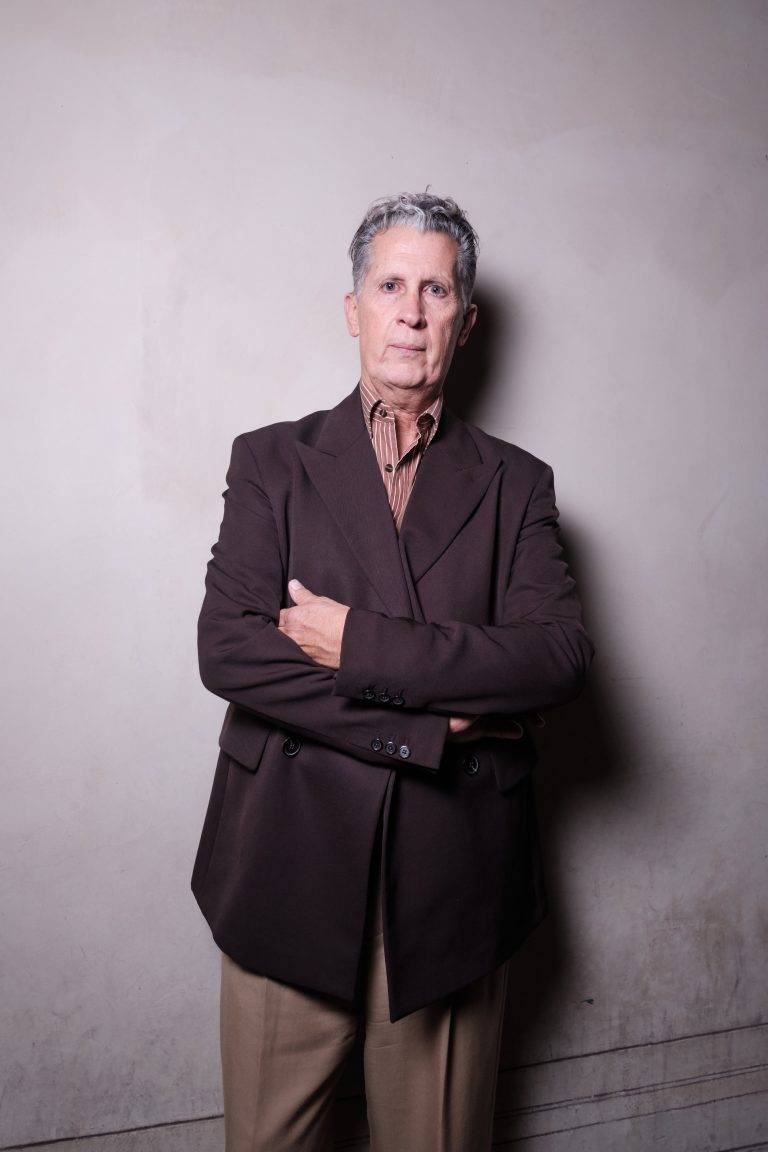
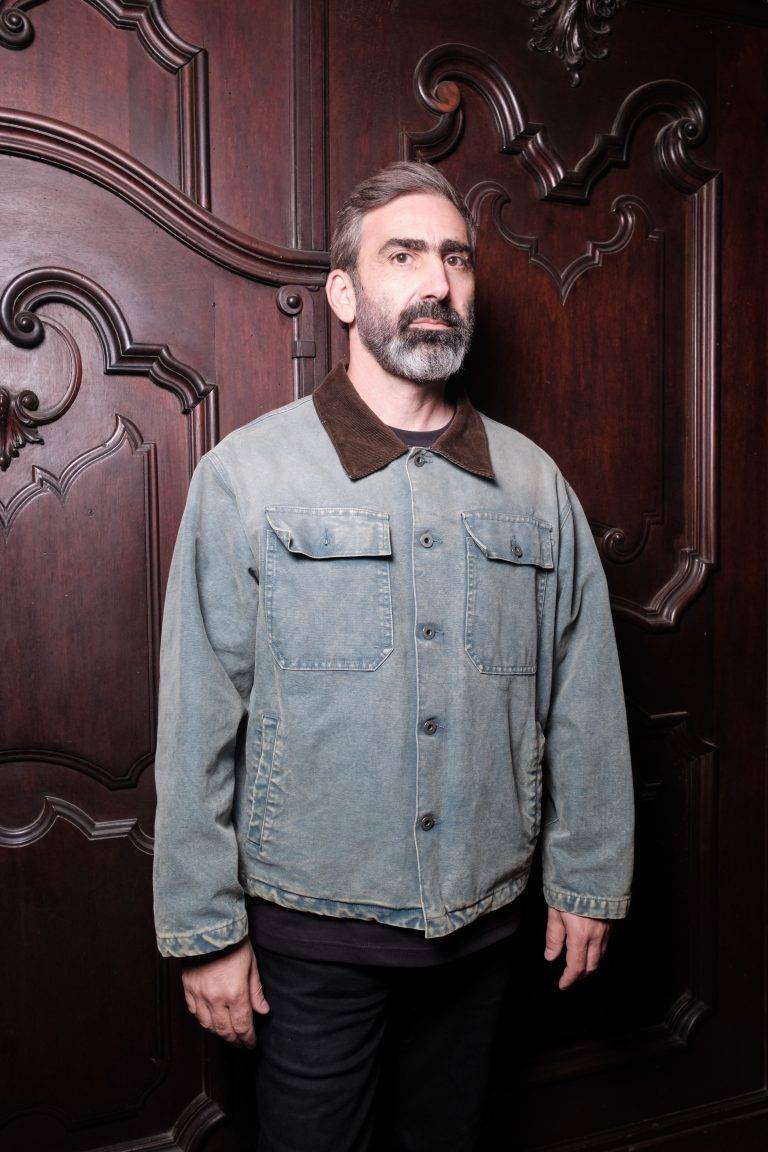
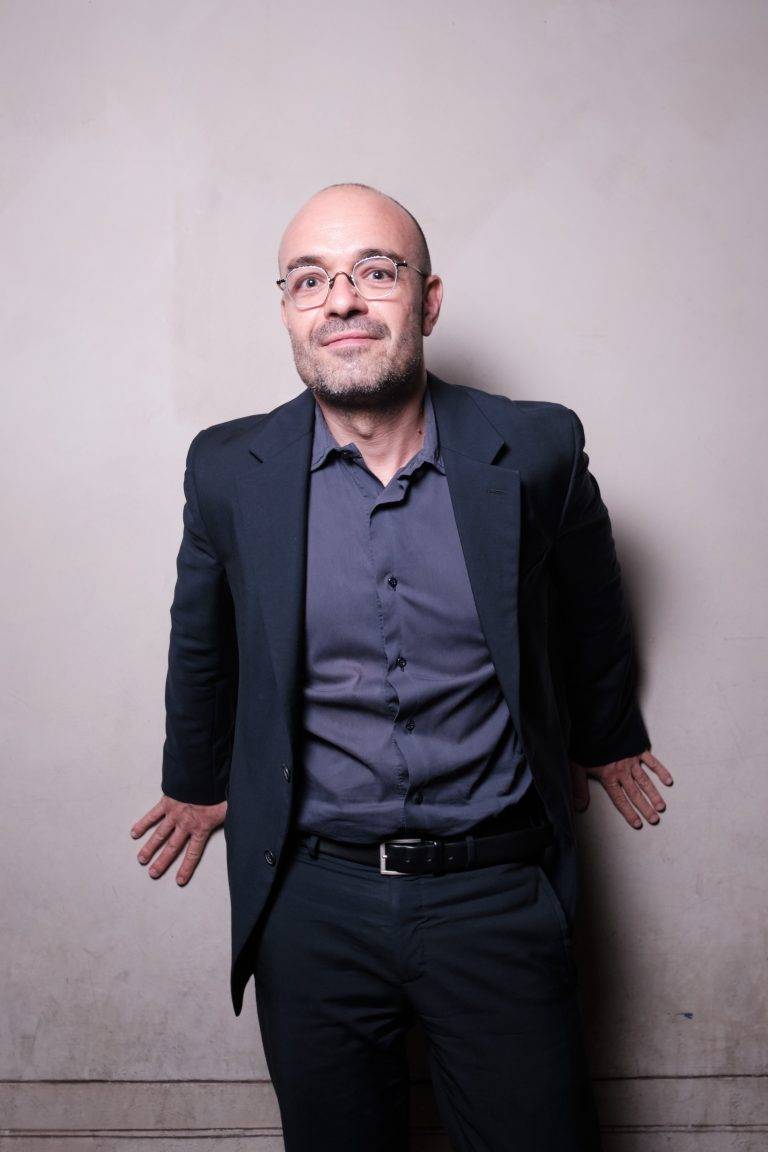
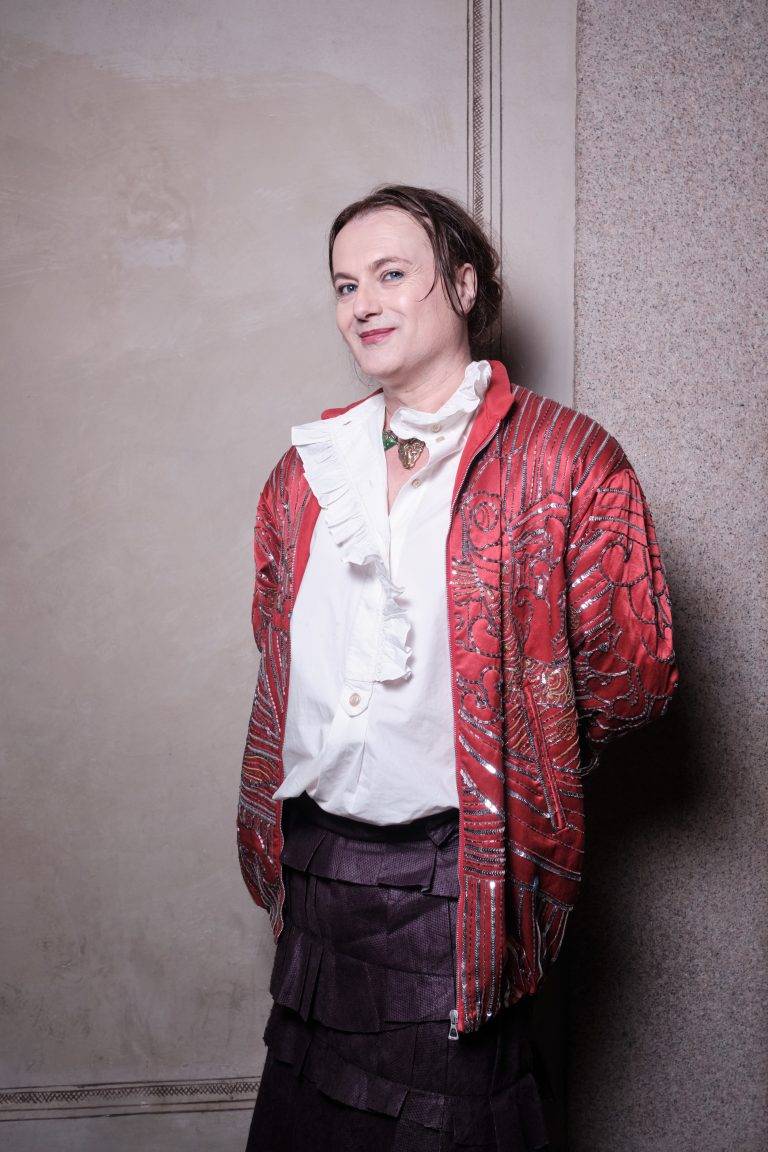
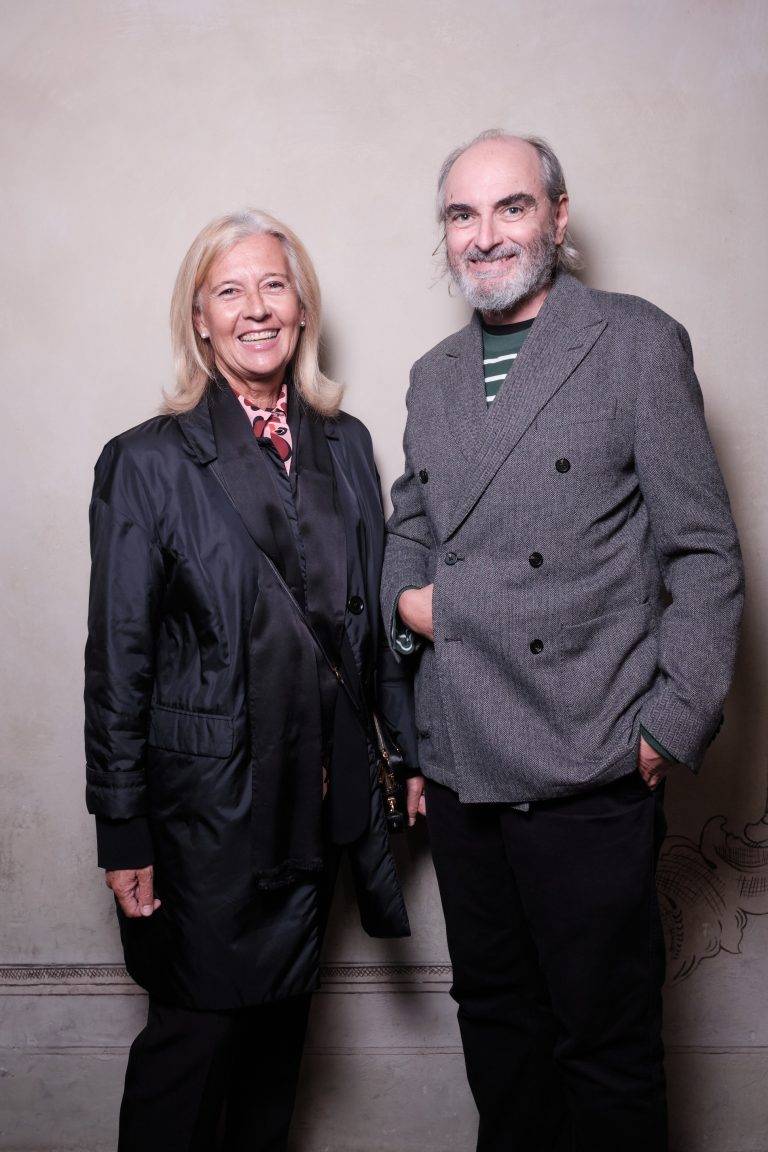
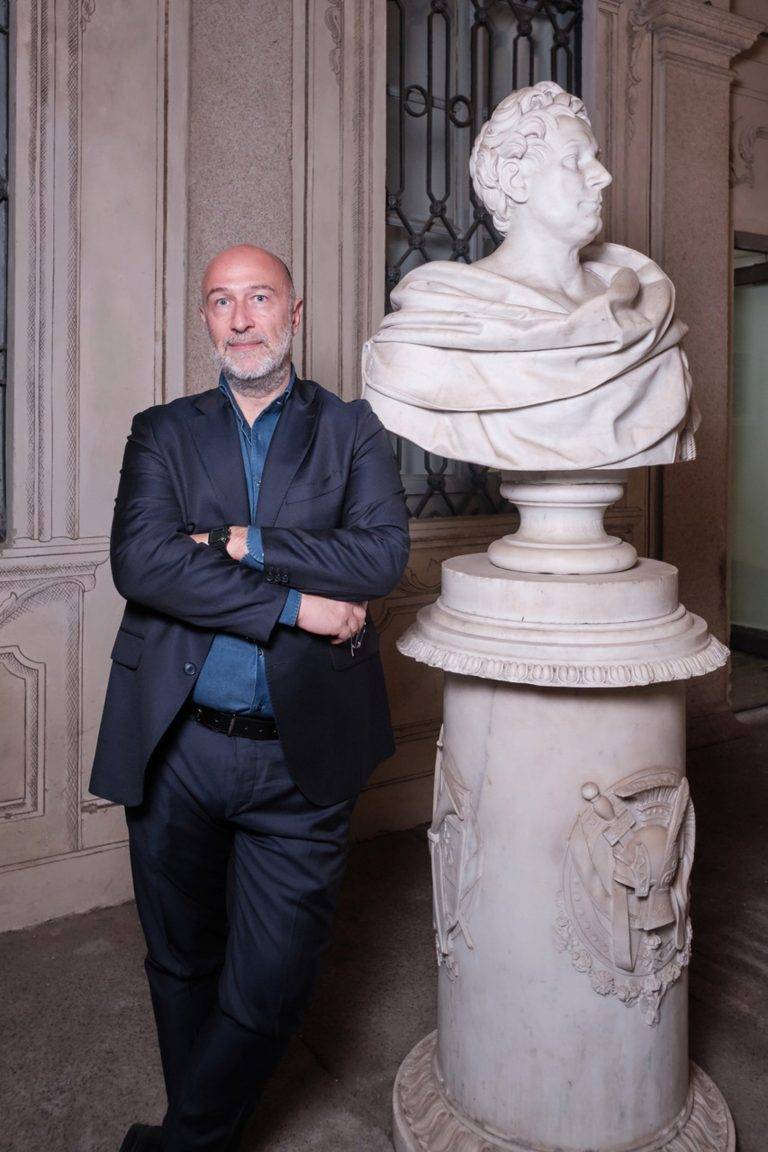
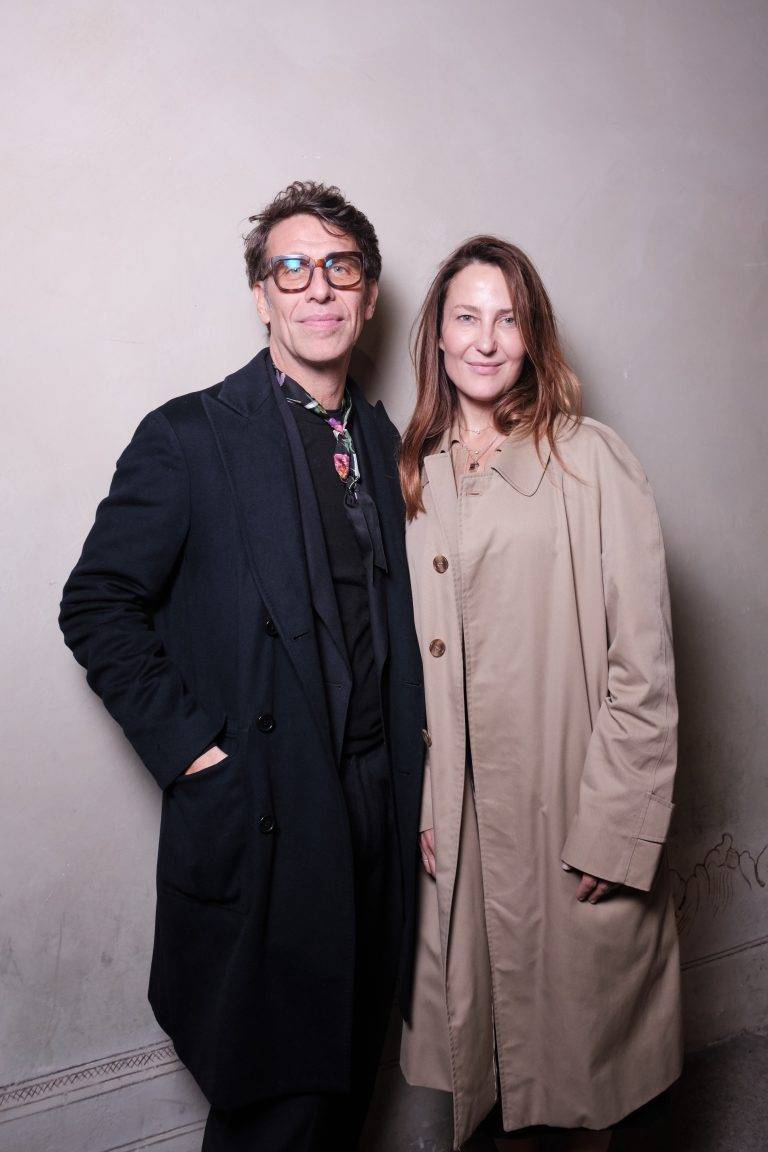
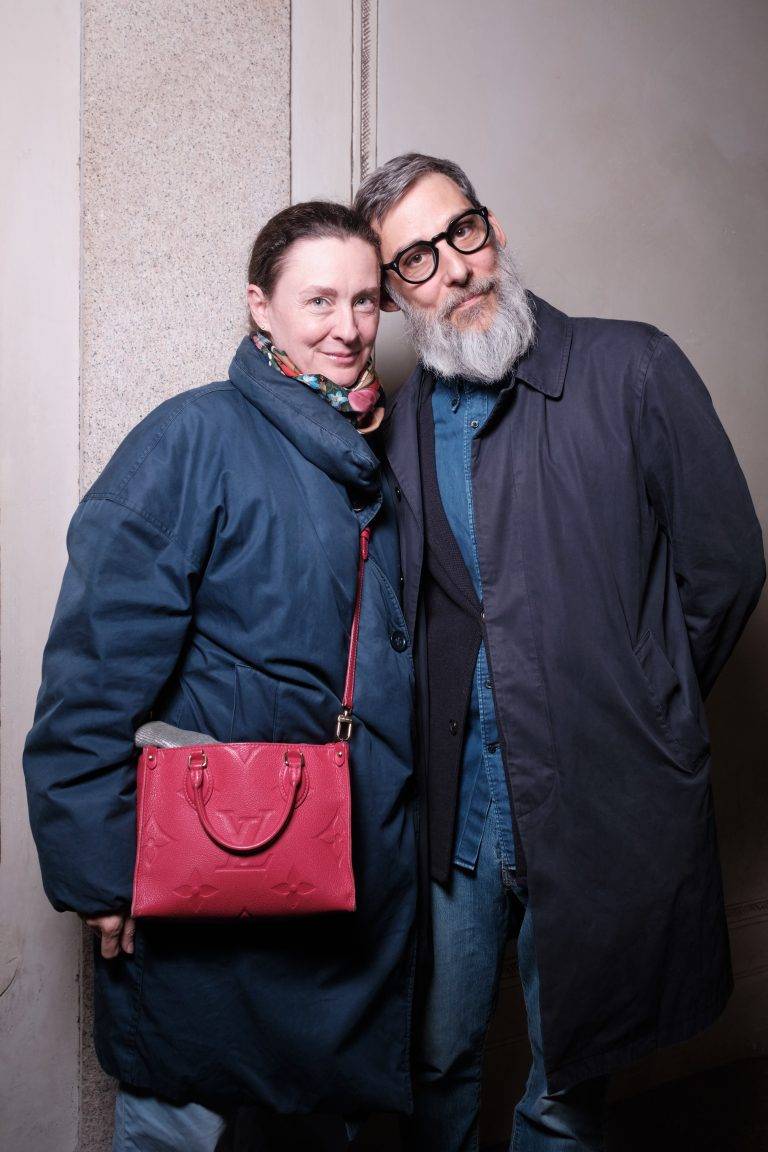
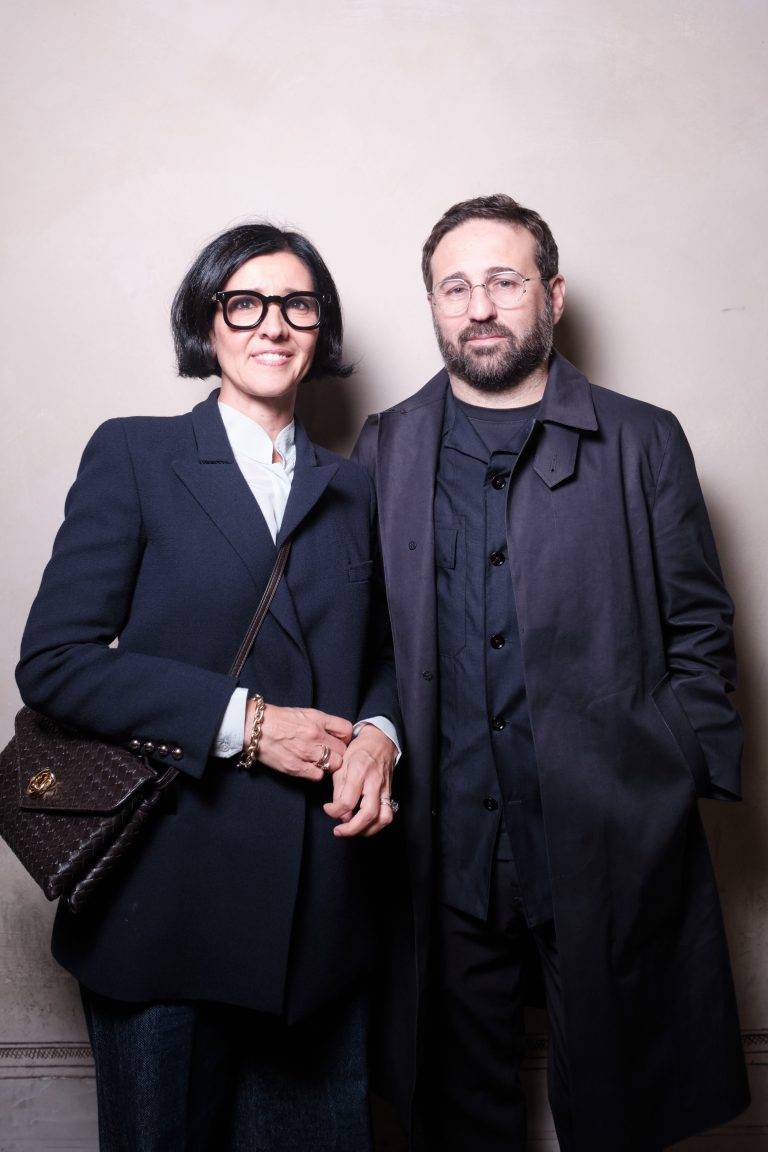
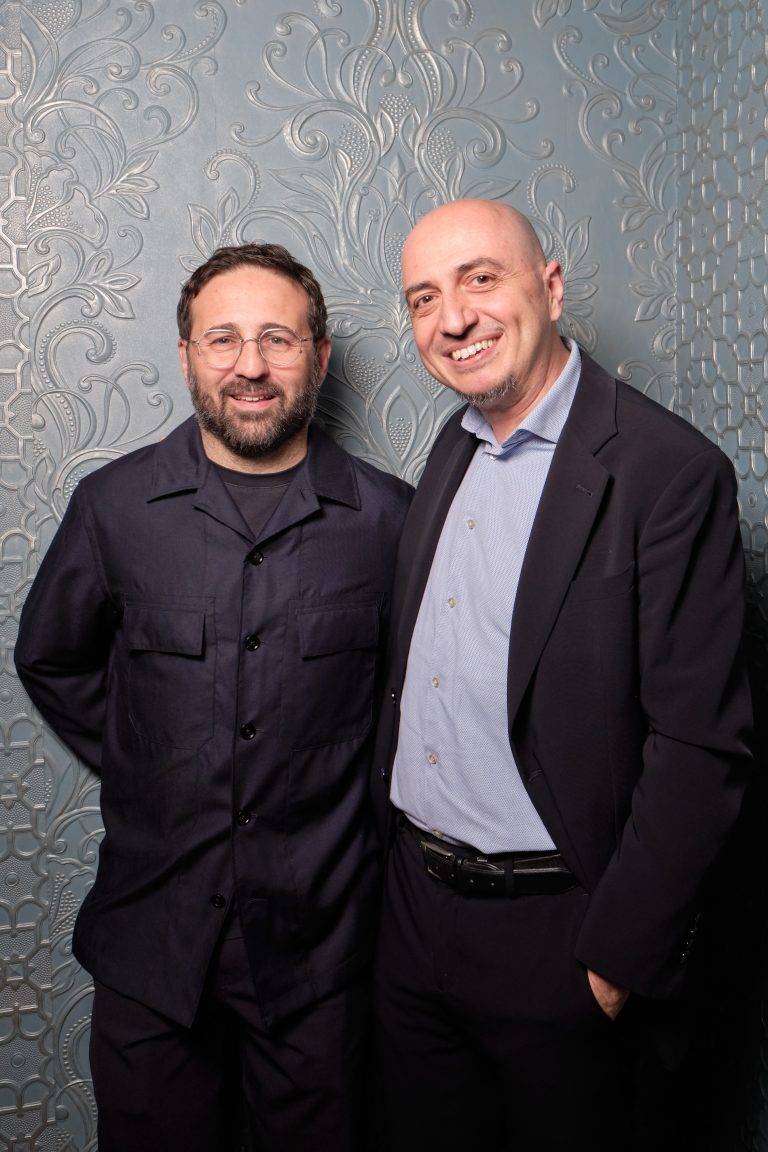
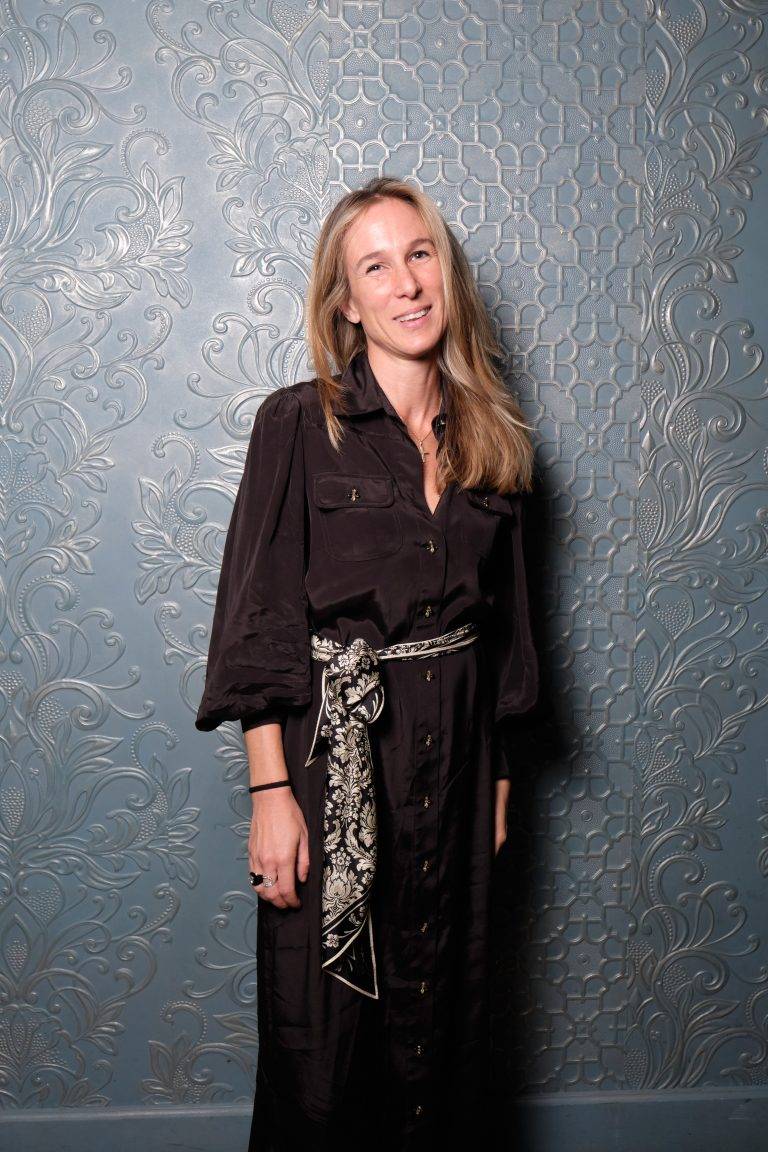
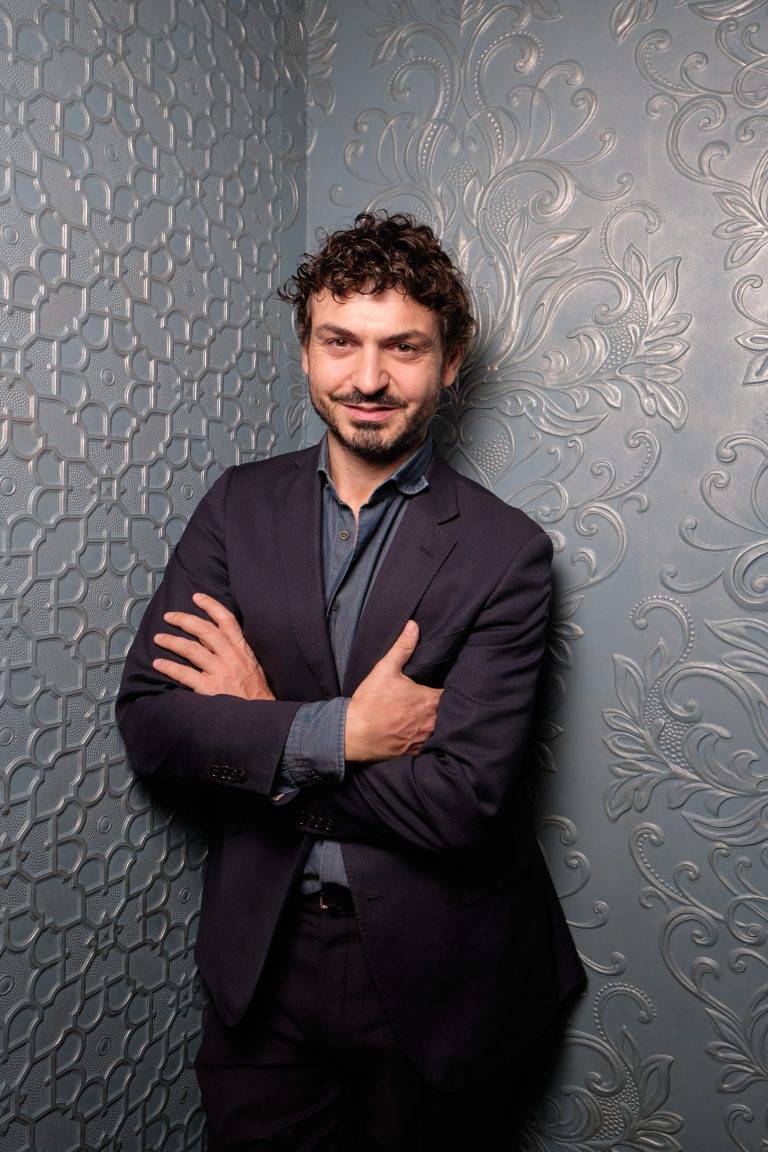
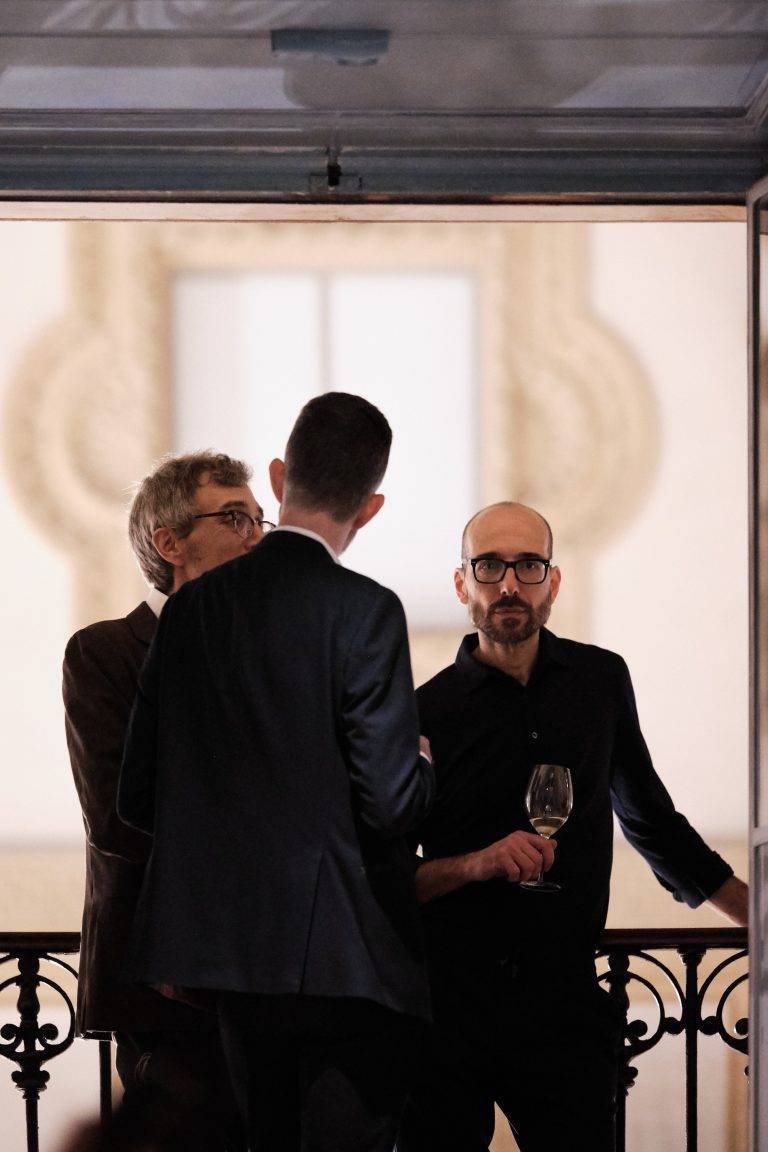
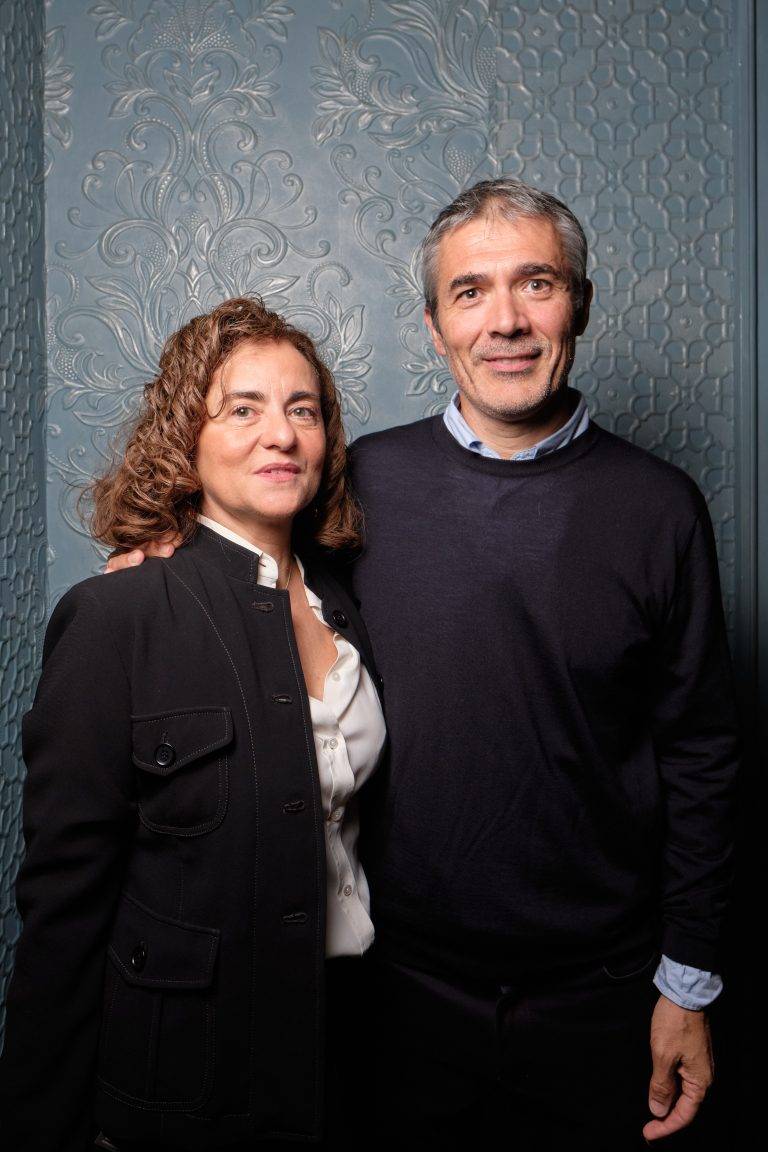
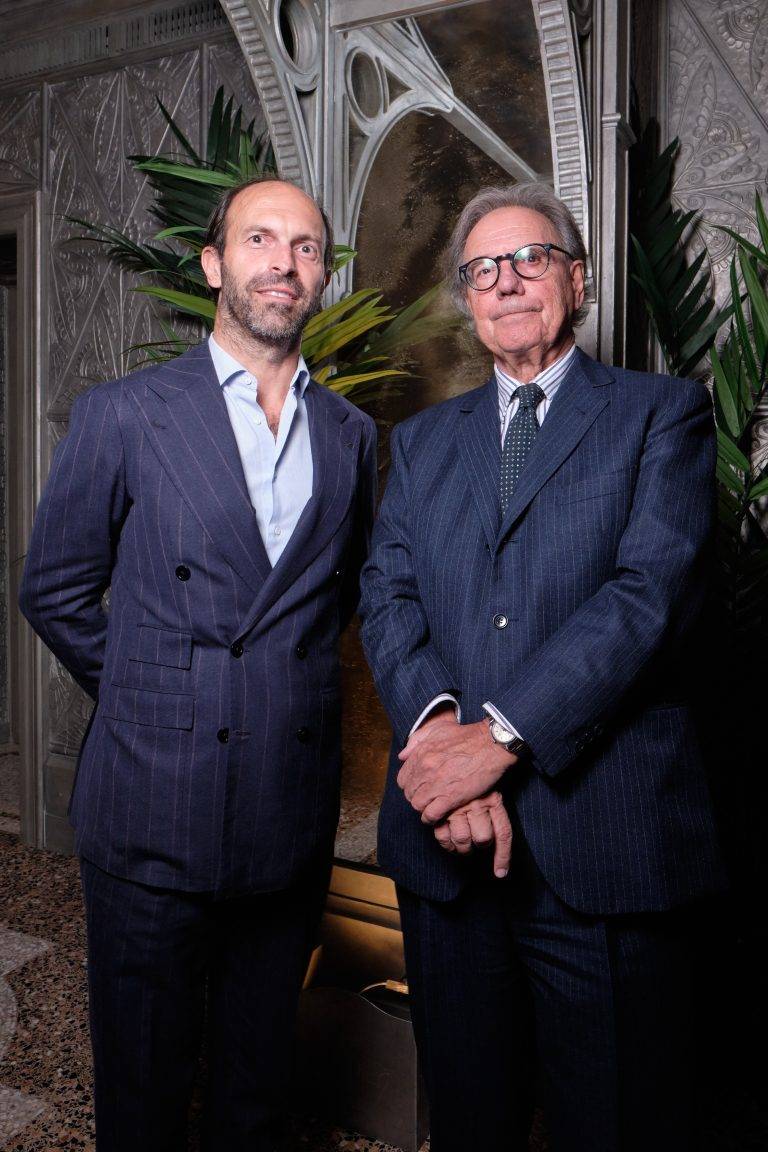
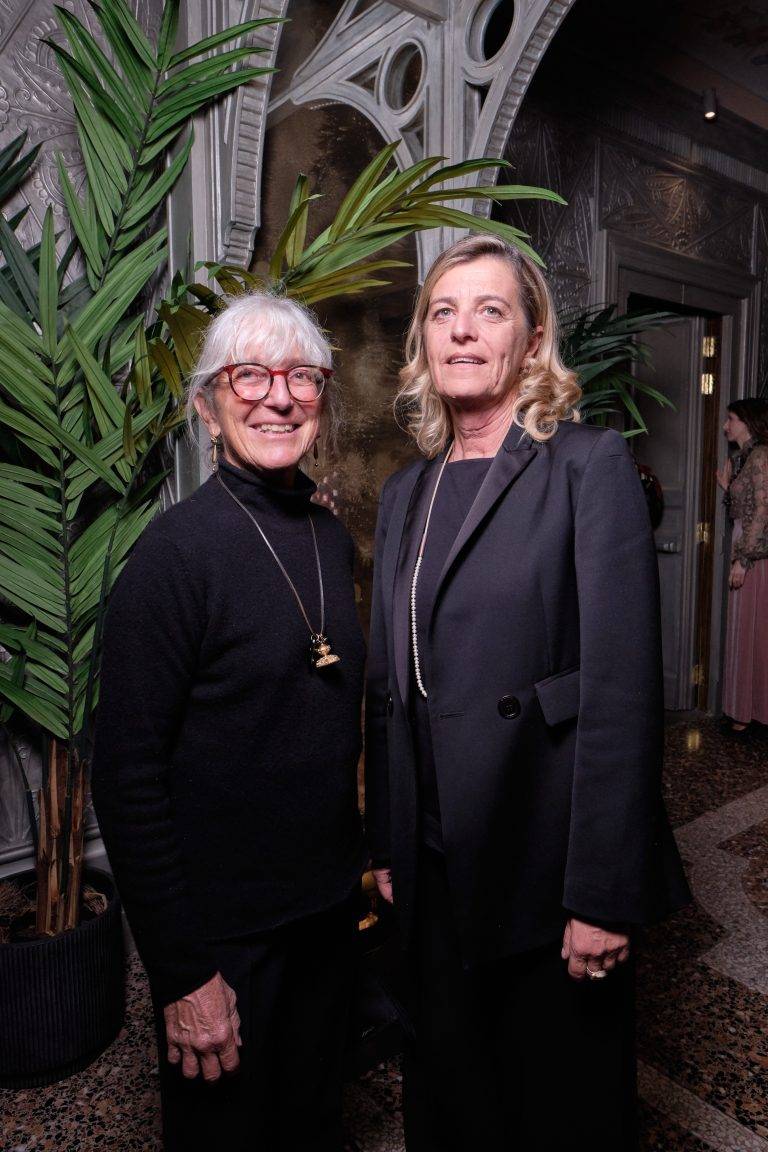
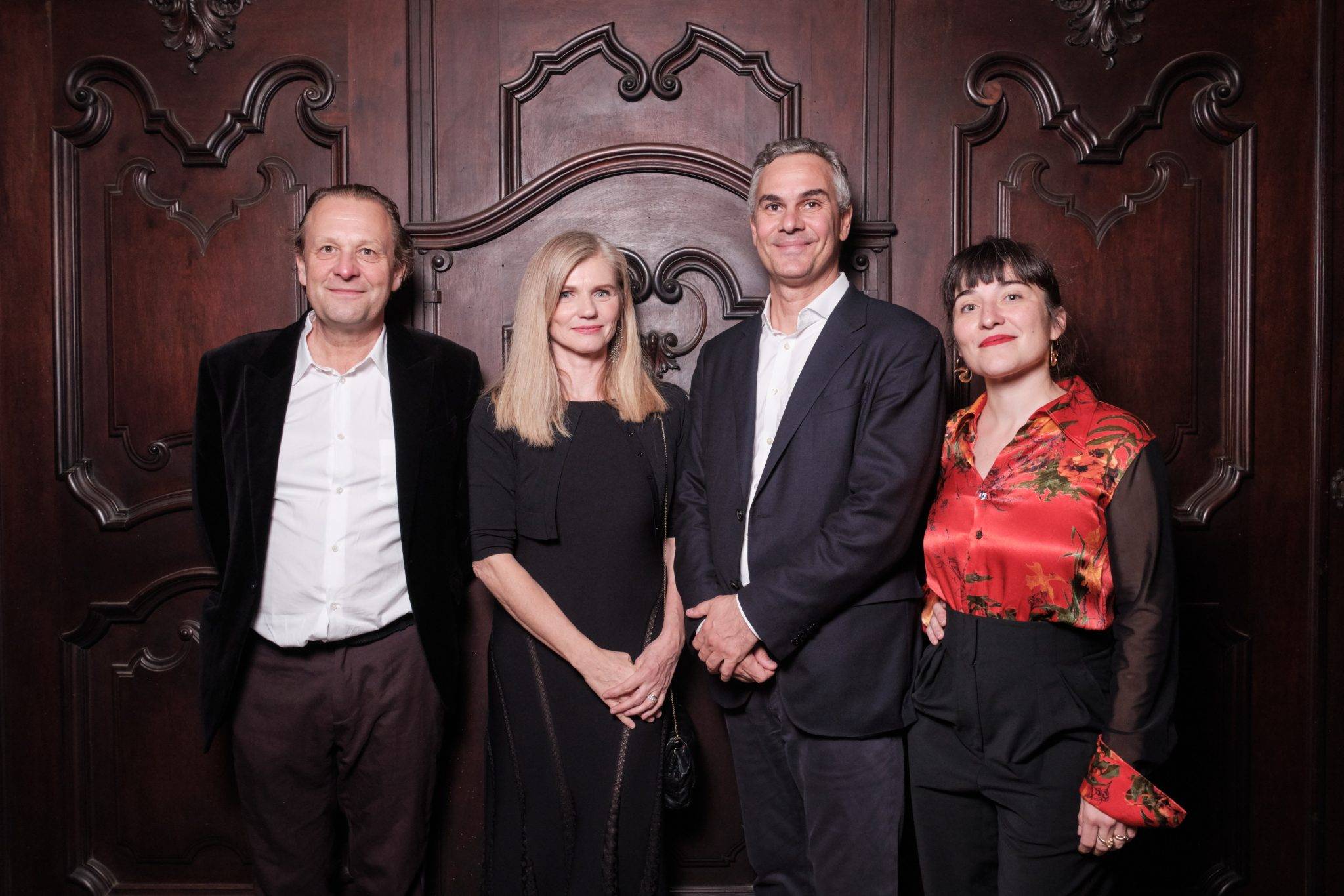
Milan has its rituals, and the other evening at Palazzo Morando one of the most anticipated was celebrated: the opening of Fata Morgana: Memories from the Invisible, the new exhibition conceived and produced by the Nicola Trussardi Foundation for Palazzo Morando | Costume Moda Immagine. A sold-out vernissage, attended by an art-world red carpet crowd: Patrizia Sandretto Re Rebaudengo, Giò Marconi, Massimo De Carlo, Francesco Bonami, Vincenzo de Bellis, Lorenzo Giusti, Nicola Ricciardi, Stefano Tonchi, Milovan Farronato. The list resembled the table of contents of a contemporary art history manual, complete with a glamorous appendix. The artists were also present—from Guglielmo Castelli to Giulia Andreani, Diego Marcon, Yuri Ancarani, Marcello Maloberti, and Jill Mulleady—while Beatrice Trussardi hosted with a serene composure, as if seamlessly bringing together art, esotericism, and society were a trivial matter.
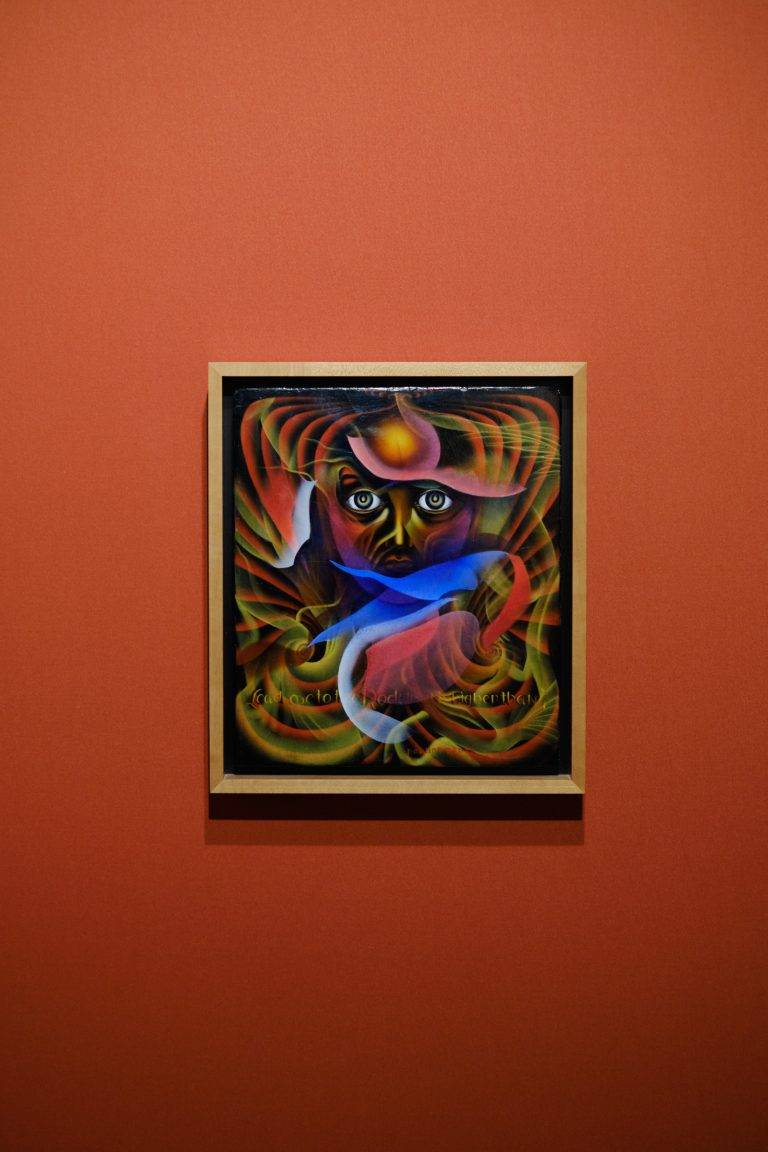
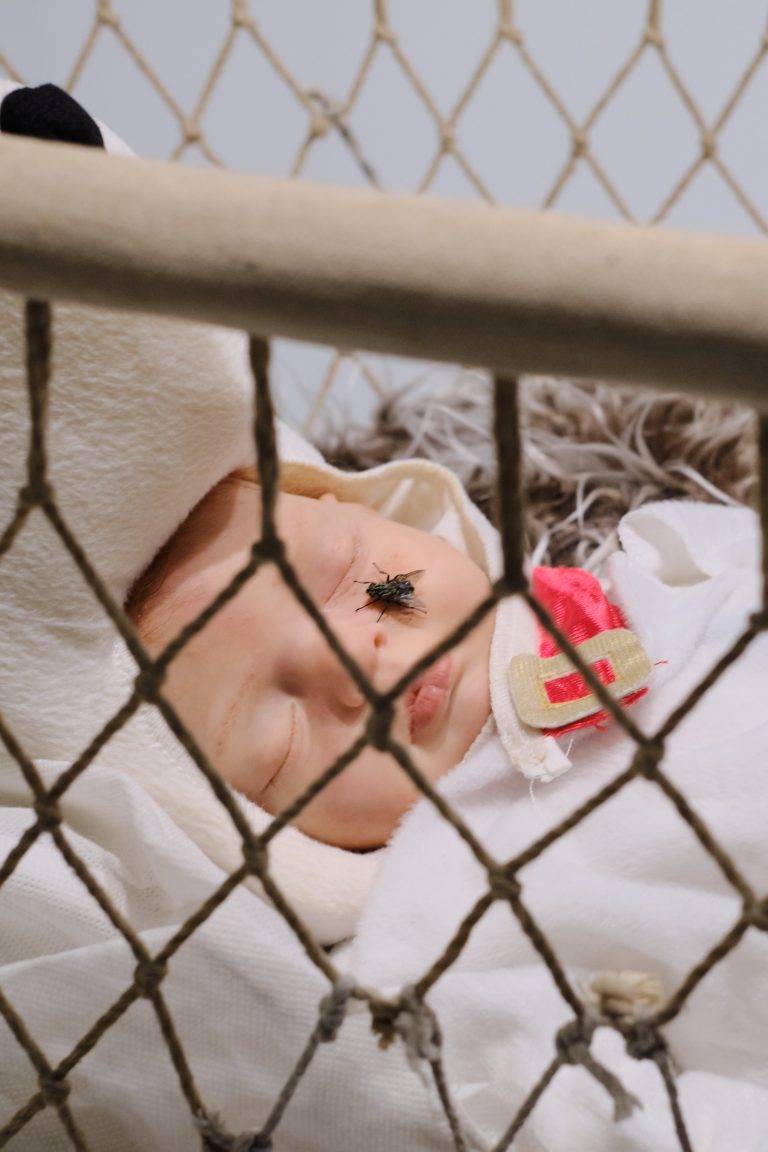
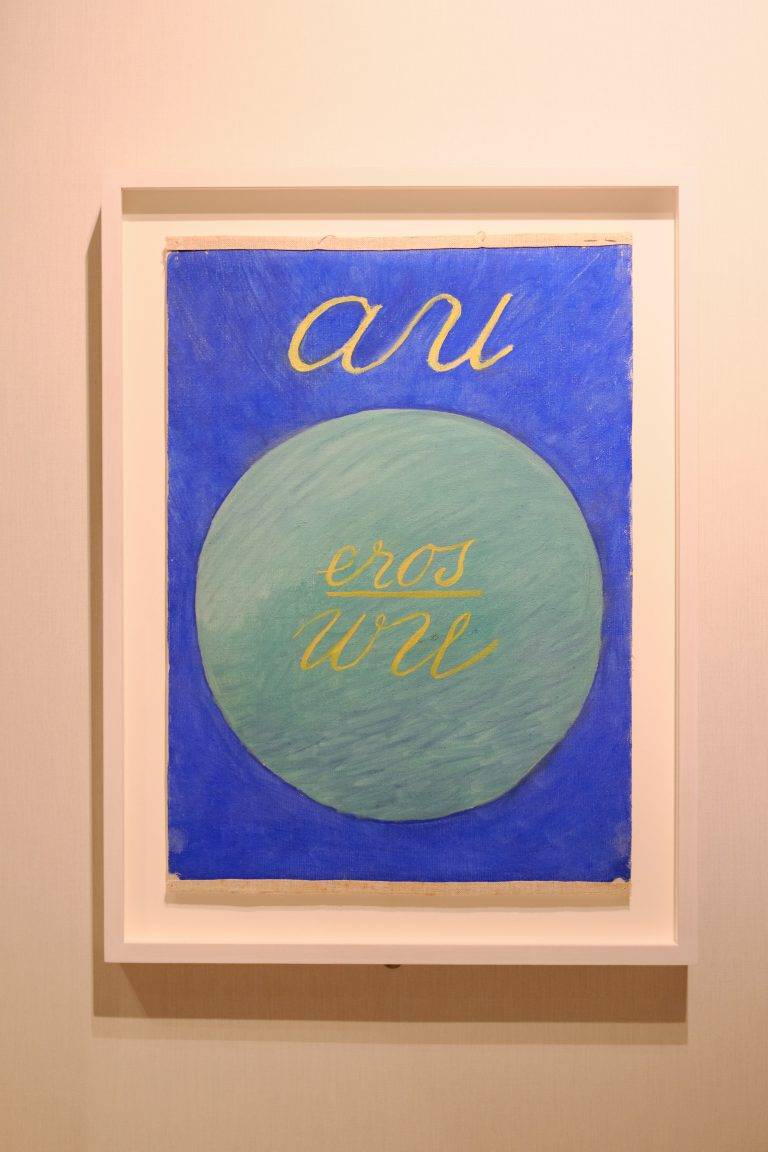
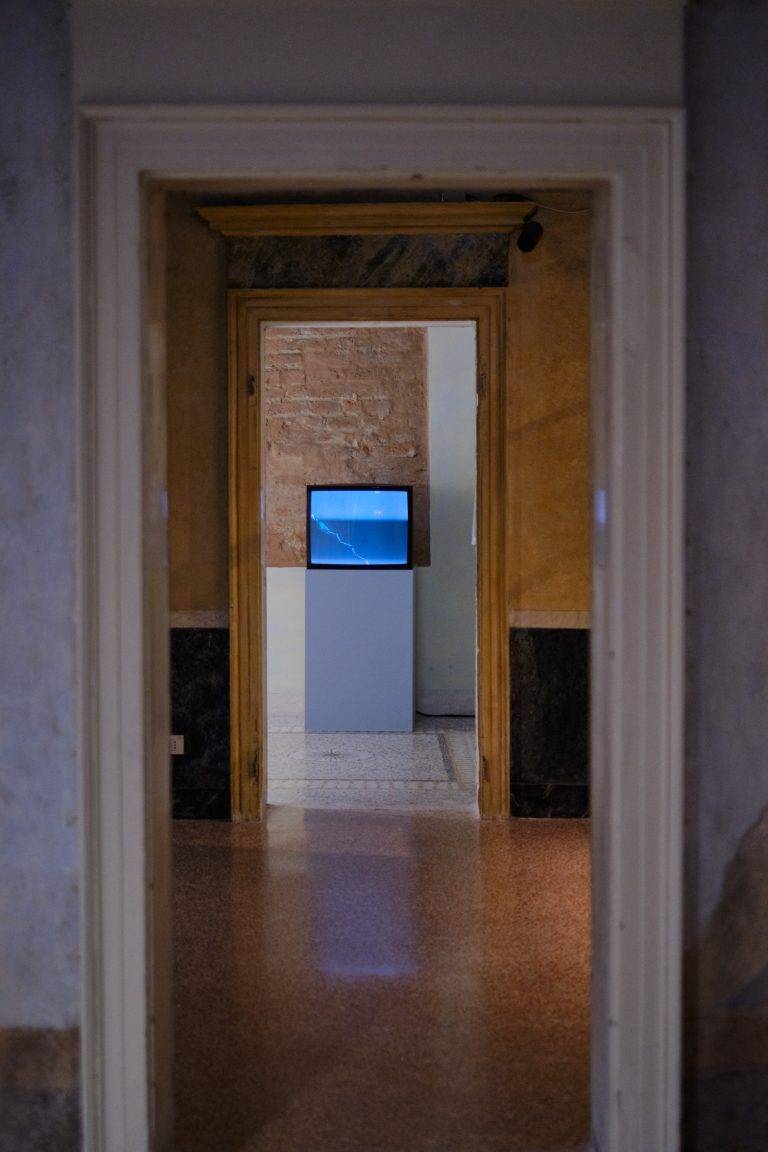
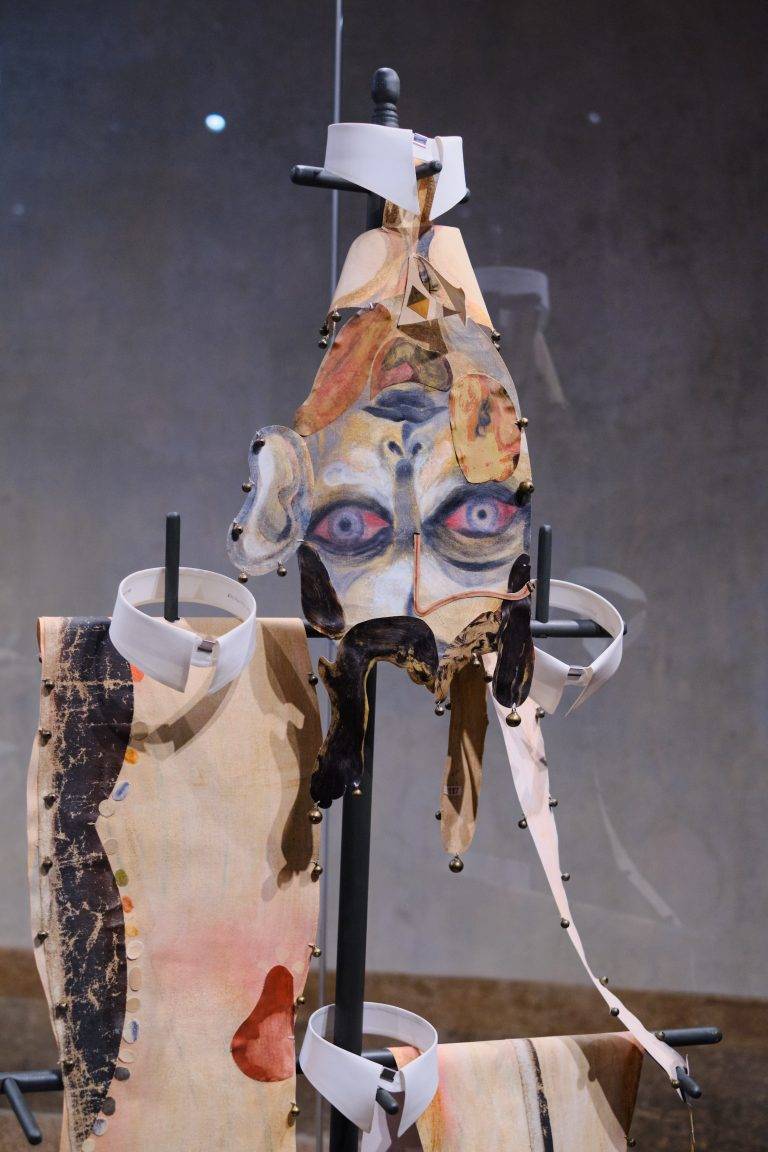
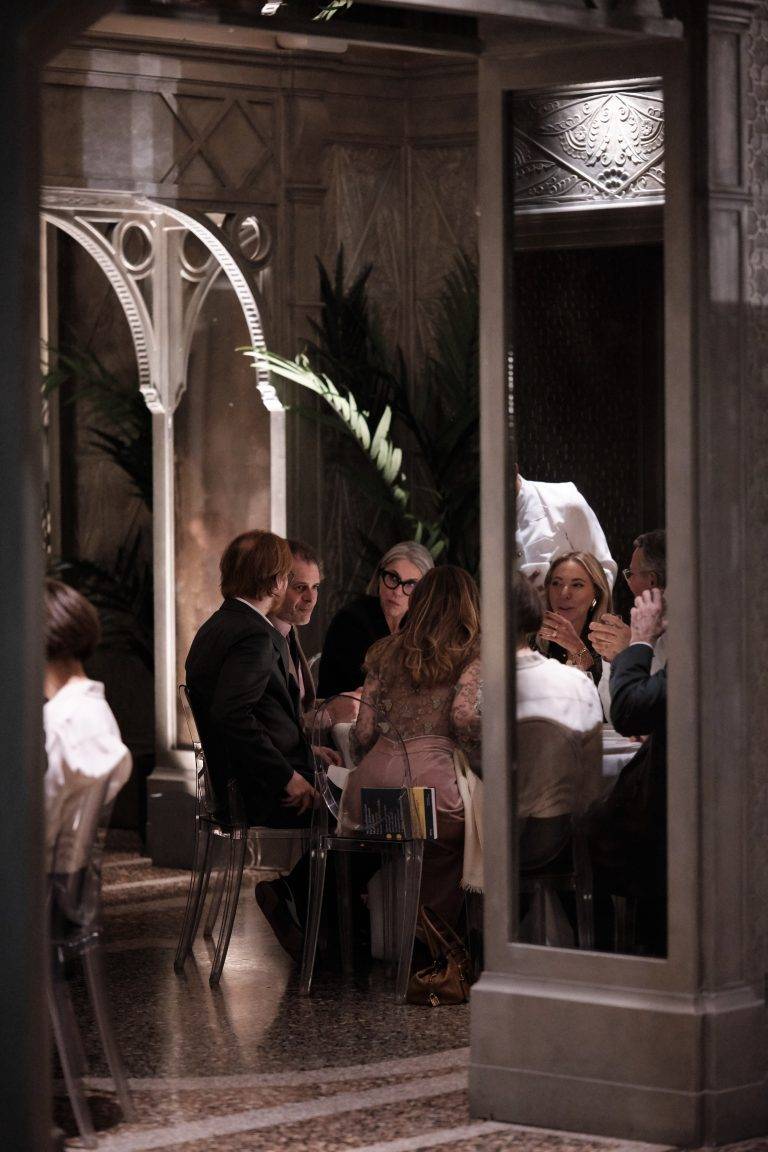
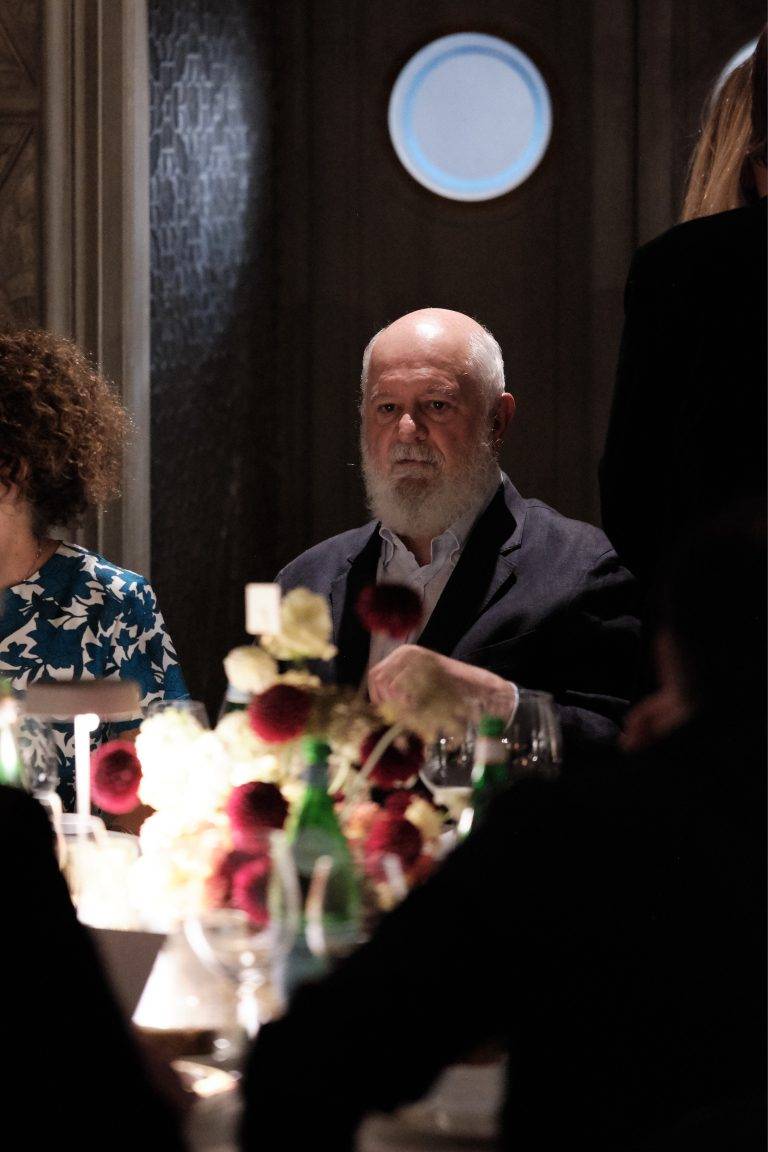
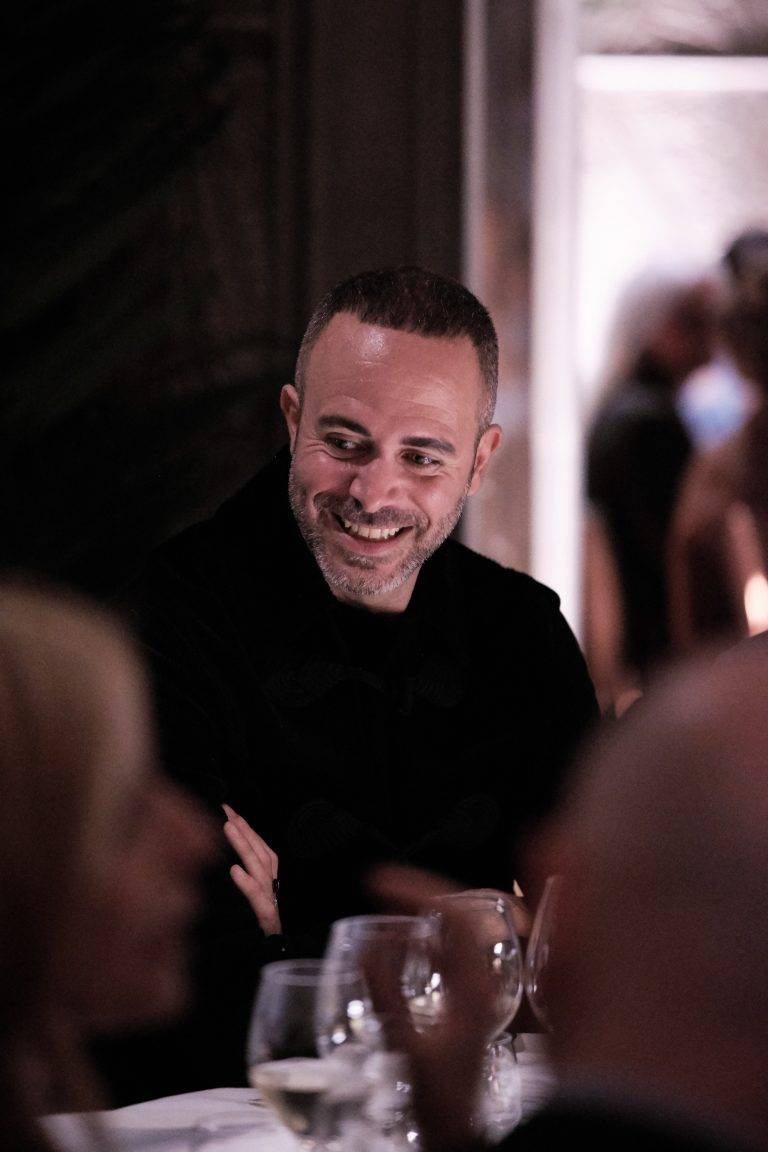
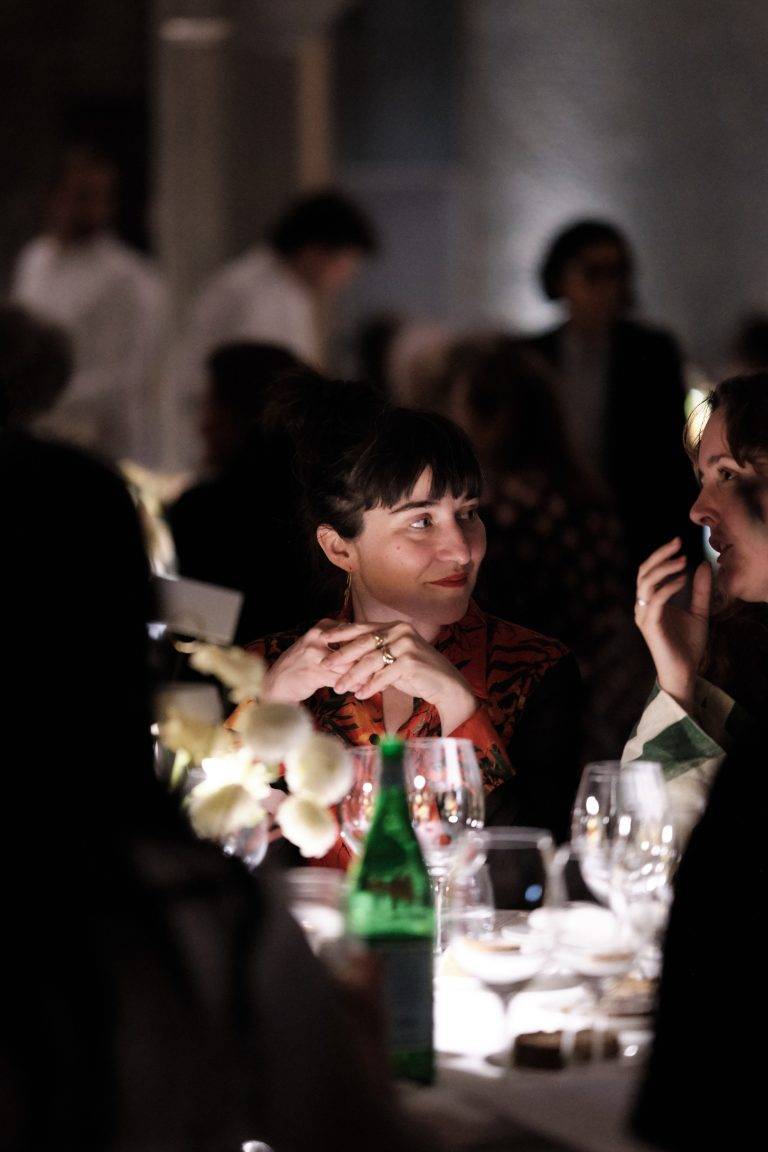
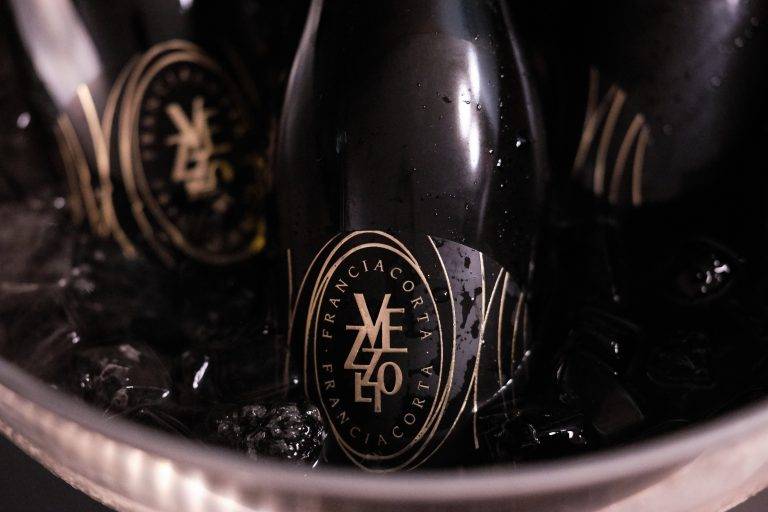
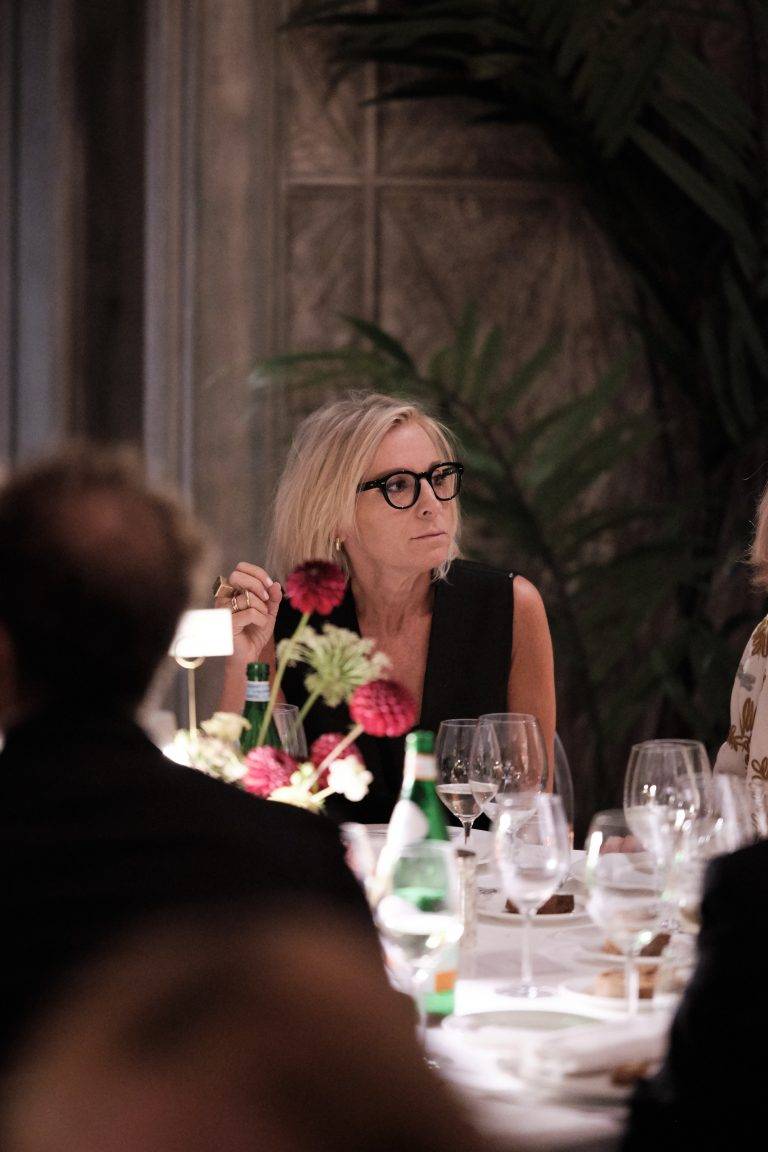
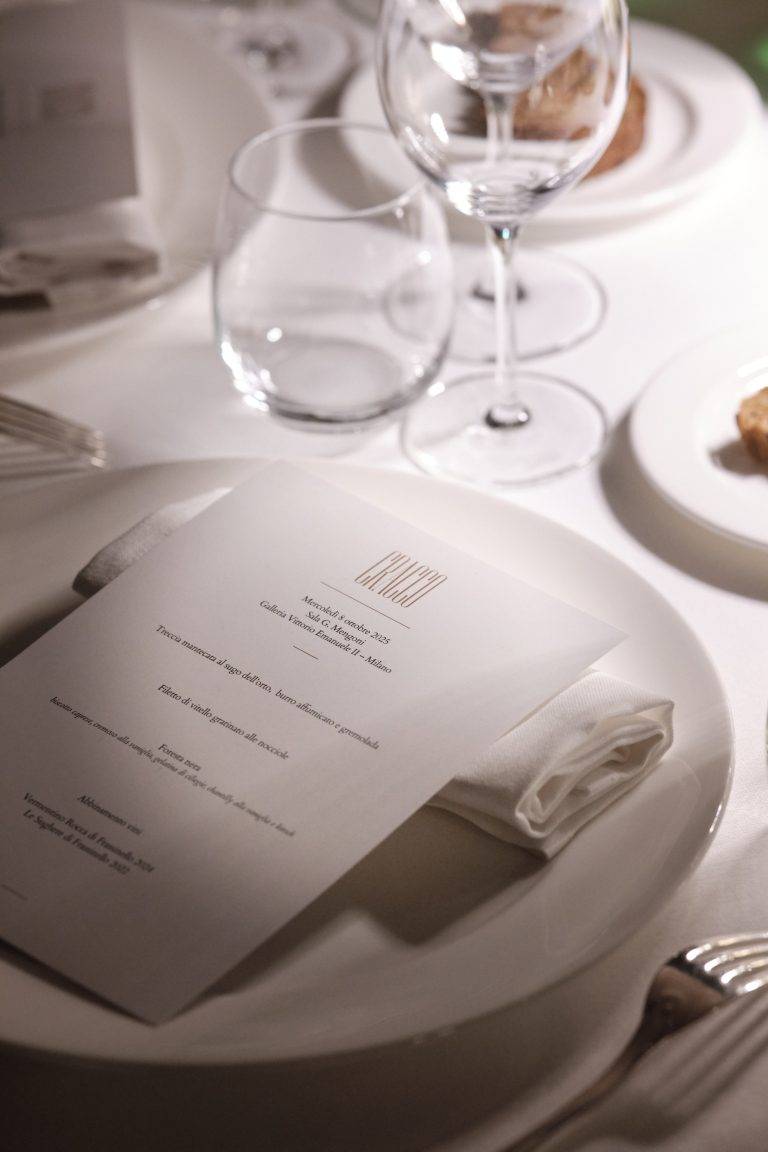
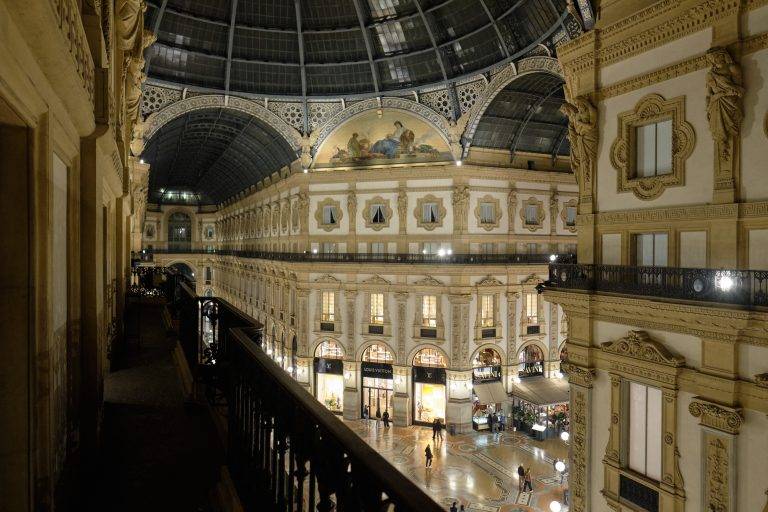
The curatorial team, Massimiliano Gioni, Daniel Birnbaum, and Marta Papini, transformed the Baroque palace in the heart of Milan’s Fashion Quadrilateral into a set that oscillated between a Netflix series and a spiritual séance. Corridors and rooms became a time machine populated by mediums, visionaries, artists, and contemporary masters attempting to give form to the invisible. More than two hundred works fill the exhibition, spanning from the 19th century to the present: archival photographs, experimental films, drawings, sculptures, rituals, geometric diagrams resembling cosmic maps. The undisputed highlight: sixteen paintings by Hilma af Klint, finally in Italy, which sparked selfies, debates, and captivated glances, as if they were the latest Prada capsule collection. For many, a first encounter; for others, a confirmation of a pictorial enigma that still today feels more visionary than many avant-gardes. And as with every proper opening, the social appendix was not missing: an exclusive dinner at Cracco in Galleria Vittorio Emanuele, where the selected guests continued the evening with fine wine, signature dishes, and conversations about the supernatural.
Ultimately, this is the charm of Fata Morgana: it takes the invisible and parades it through Milan, blending the occult with the aperitif, surrealism with blazers, Theosophy with opening-night dress codes. An atlas of the unknown narrated with the lightness of those who know that today, ghosts are no longer conjured by a trembling table, but by a QR code. And the beauty is, it works: for one evening, the city truly believed that art could open portals to another world. Then everyone went to dinner, of course. But with the lingering sensation that something remained suspended—intangible, yet undeniably present.
Text: Germano D’Acquisto
Photo: Stefano Sensolo