CONI Opens Casa Italia to the Public: the Cultural Heart of the Olympic Games
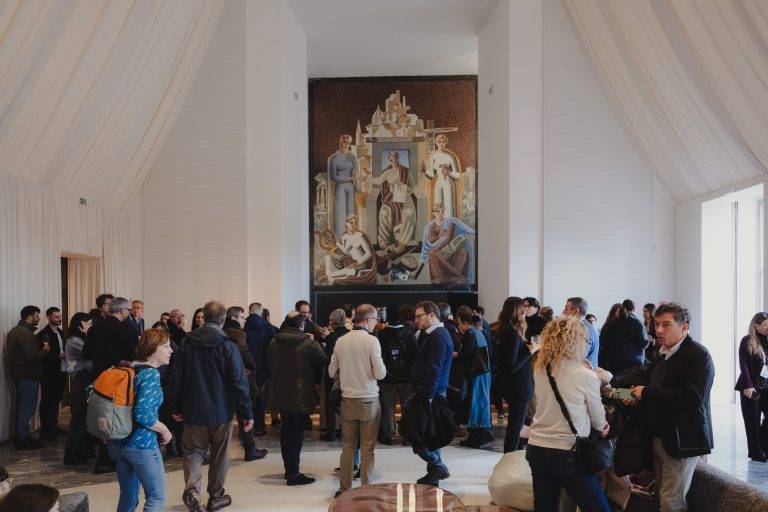
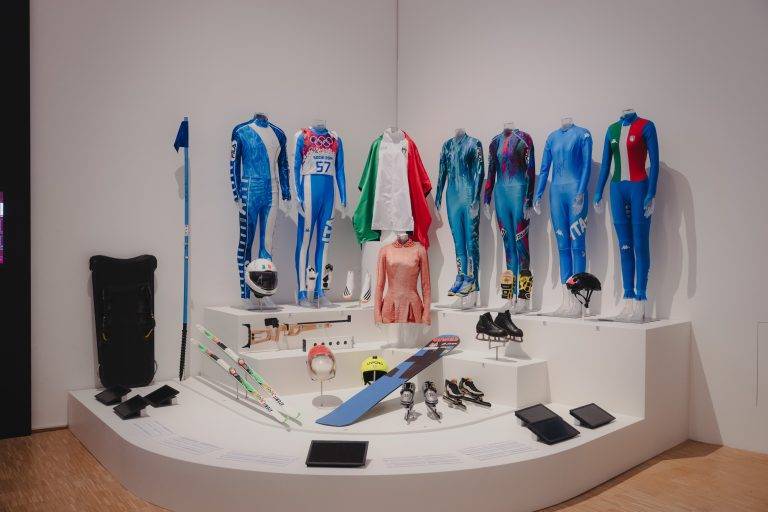
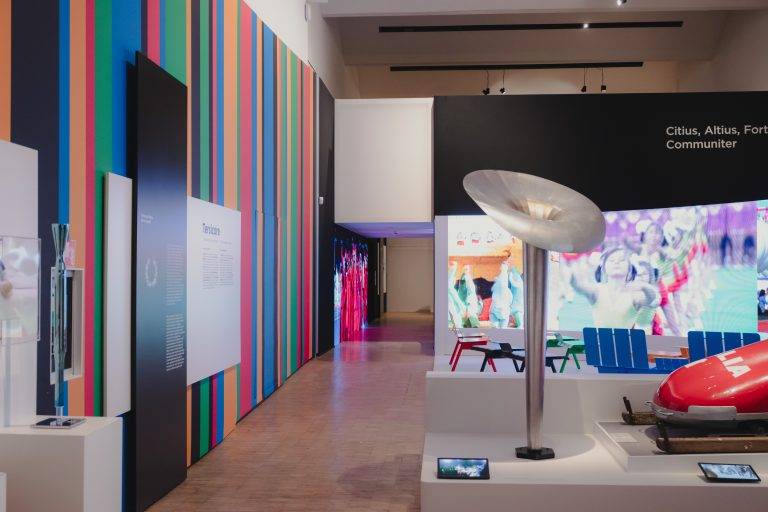
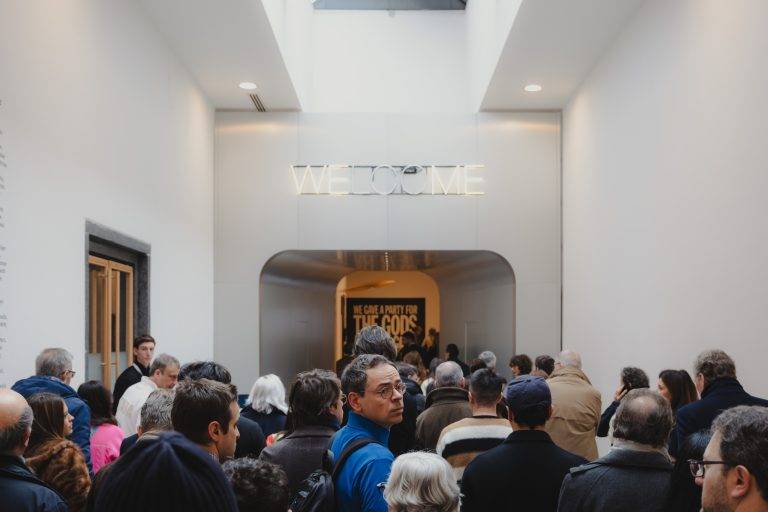
Casa Italia is usually a place that requires the right badge: the athletes’ home, the official backstage, the living room where Italy tells its story behind closed doors. Milano Cortina 2026 changes the oldest rule in the book. The other day, Casa Italia — set up inside Triennale Milano — opened its doors to the public for the first time, becoming a shared space for the entire duration of the Winter Games. And that is where the project stops being just hospitality and turns into a real, walk-through experience: almost a small temporary city that stages sport as culture, not as a side note.
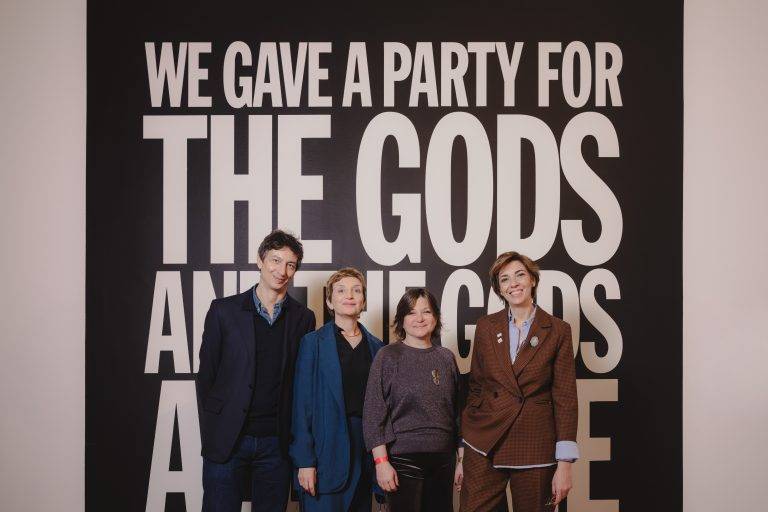
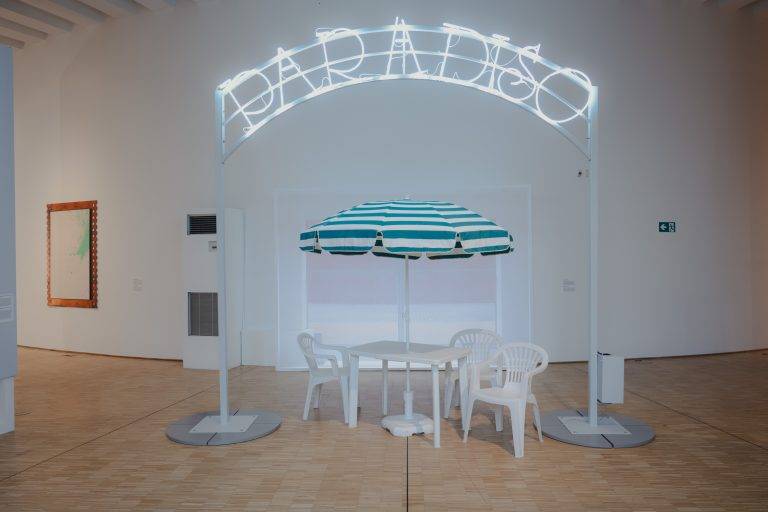
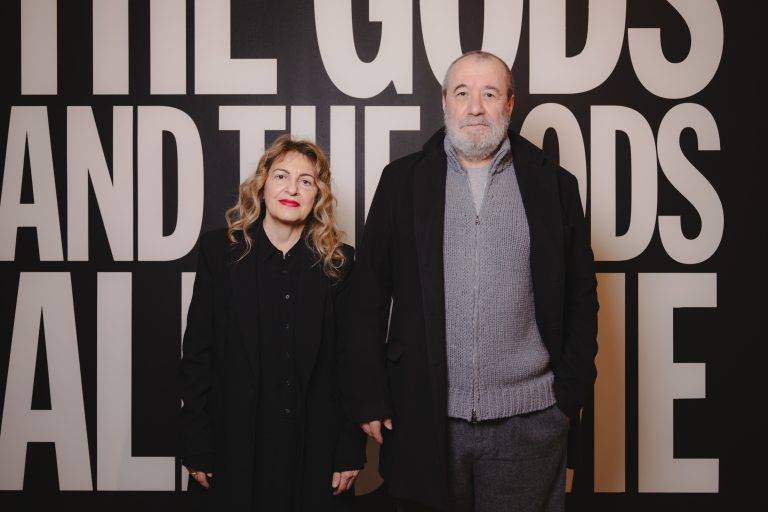
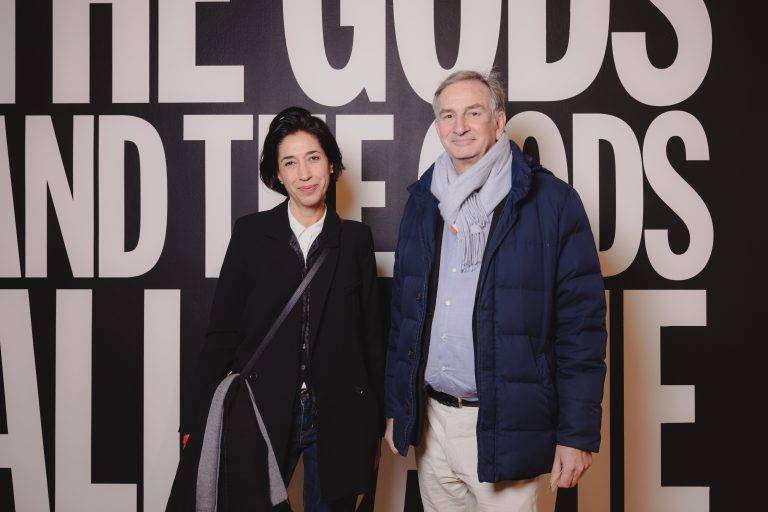
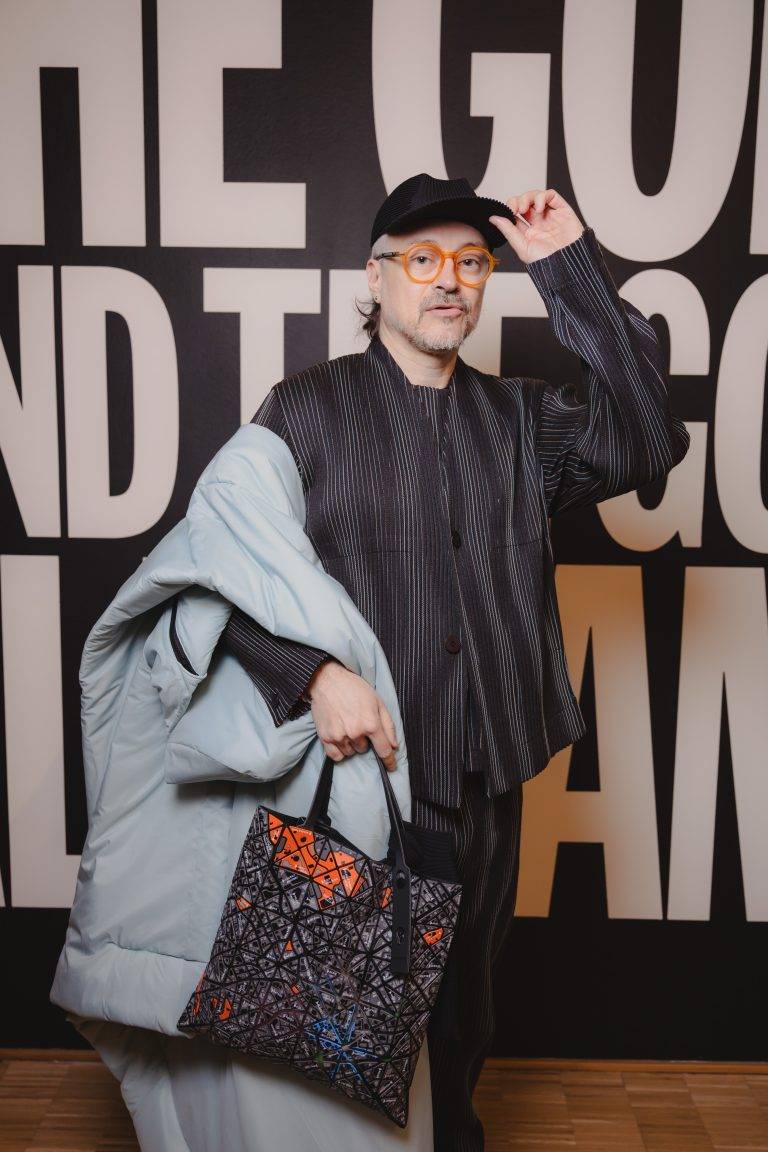
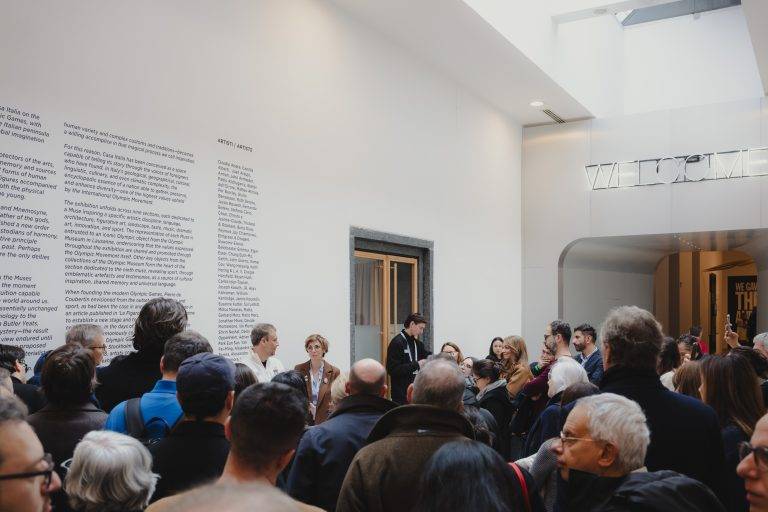
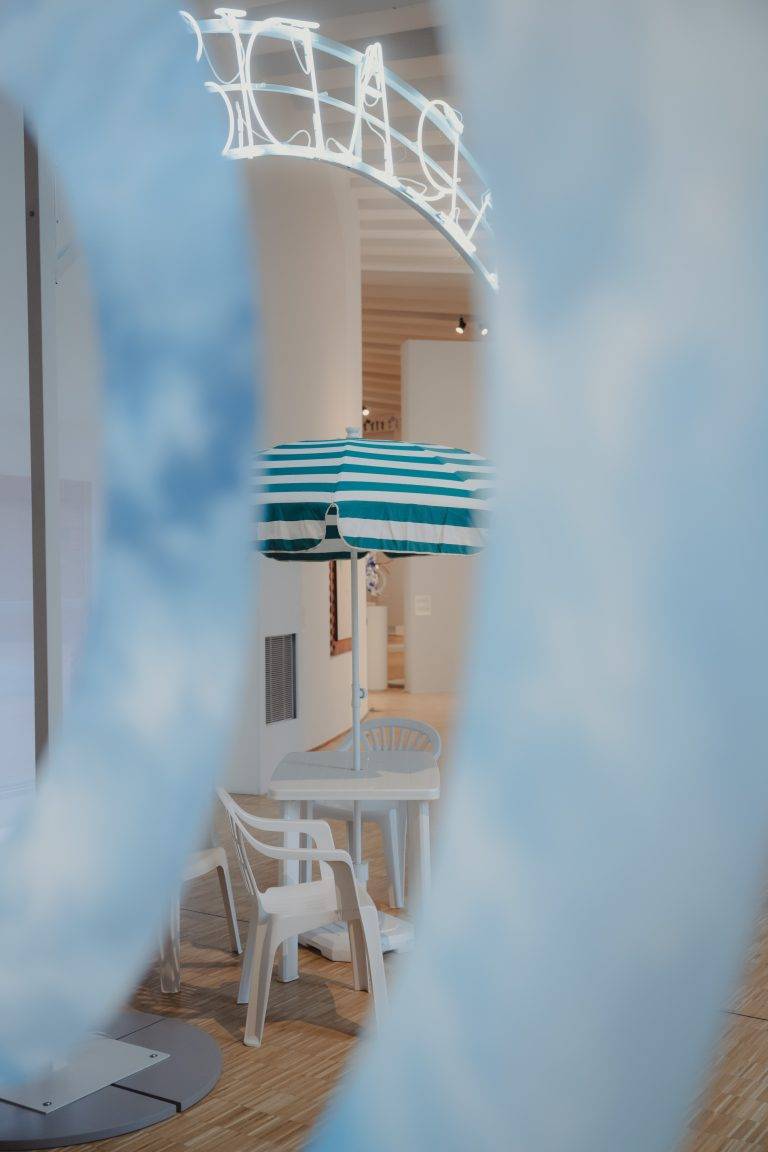
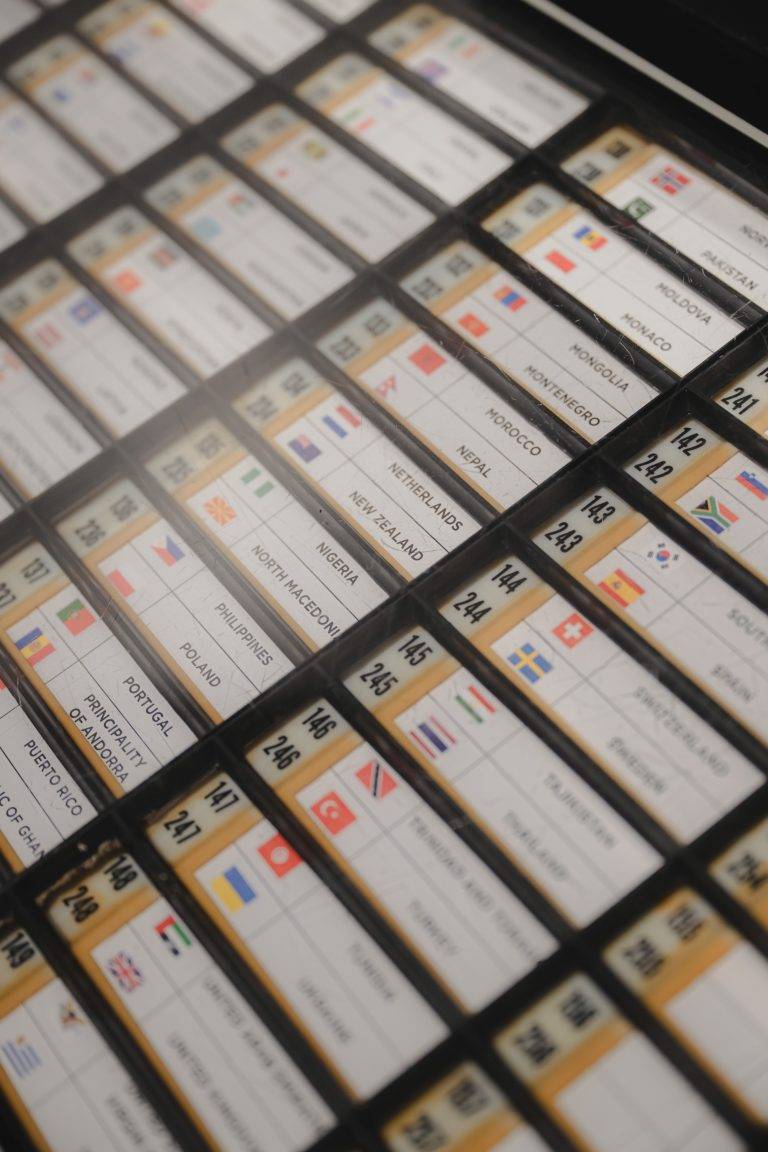
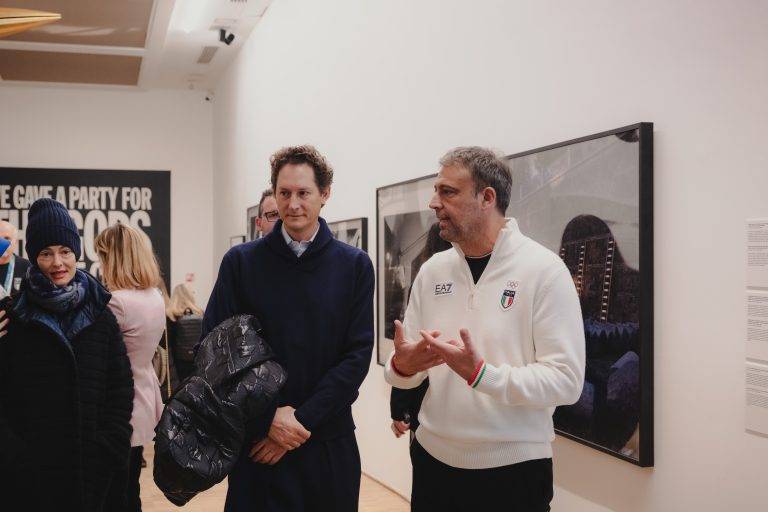
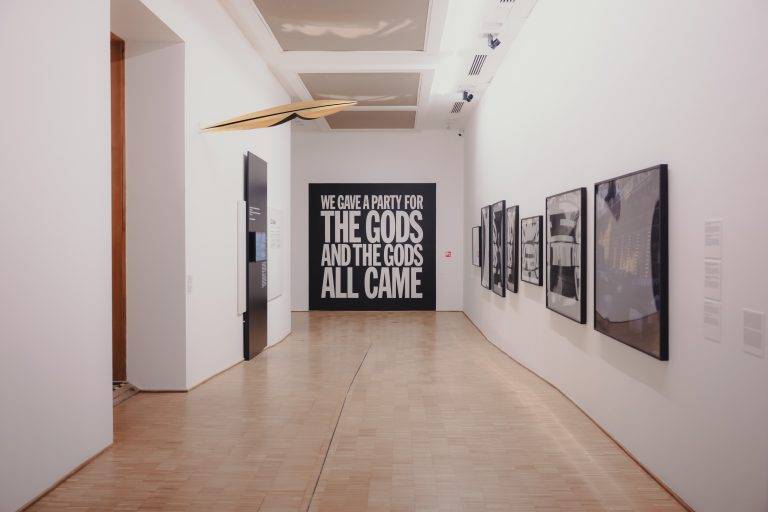
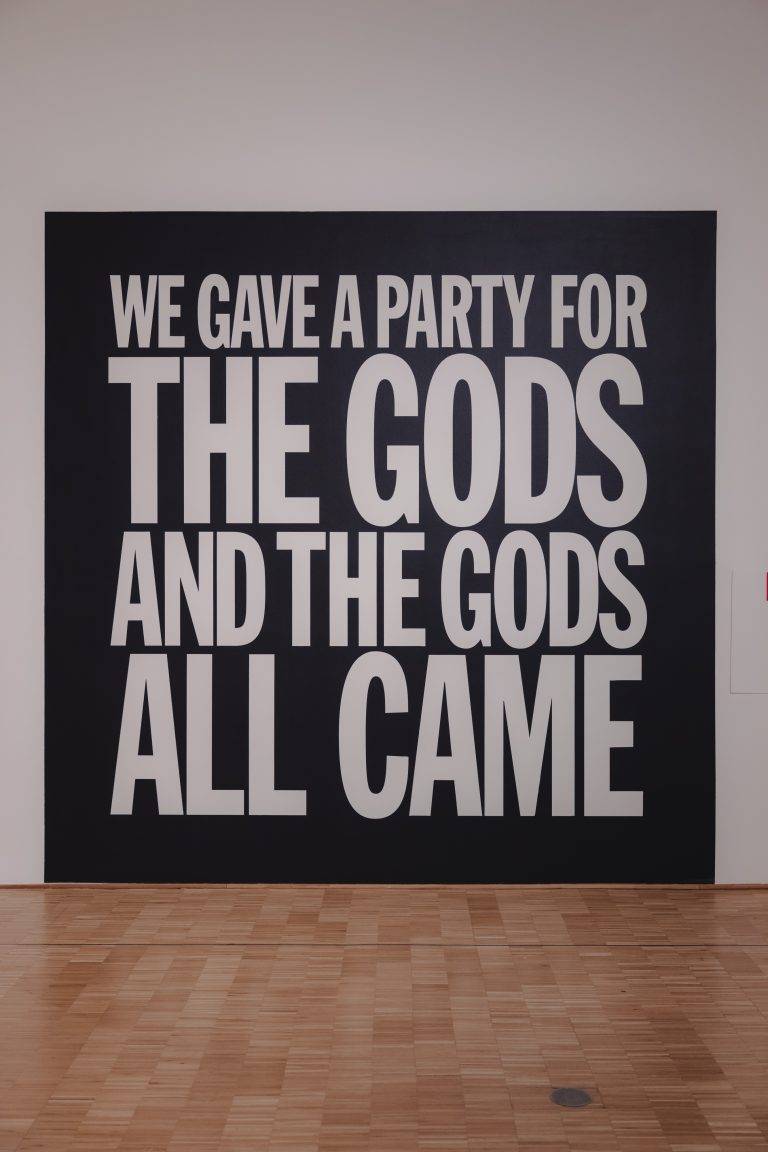
The Italian Olympic Committee places it across the three geographies of the Games — Milan, Livigno, Cortina d’Ampezzo — using it as a “point of access” to the country’s excellence. This time, access is not just a metaphor. Visitors enter through a reflective aluminum portal: a threshold that feels borrowed from high-altitude shelters, suspended between snow, light, and that sense of dematerialization typical of the mountains. Nearby, a poetic gateway by John Giorno reads: We Gave a Party for the Gods and the Gods All Came — a title that sounds like a promise and a warning at once. Here, Italy doesn’t simply celebrate sport; it tries to tell its own story.
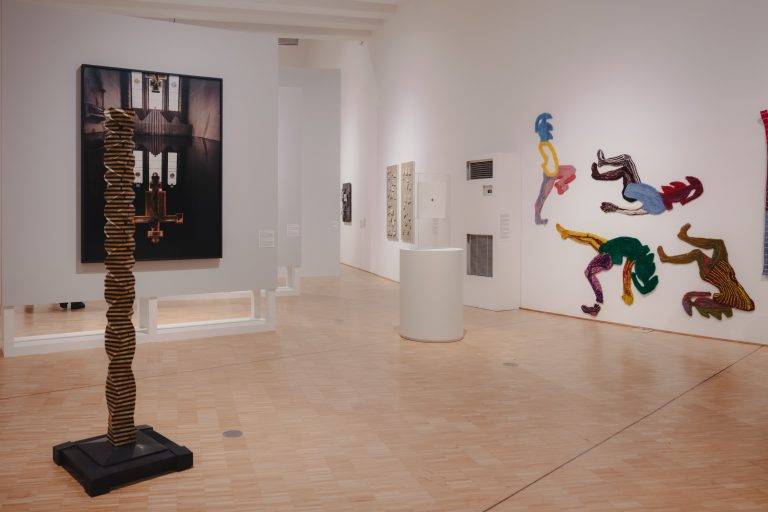
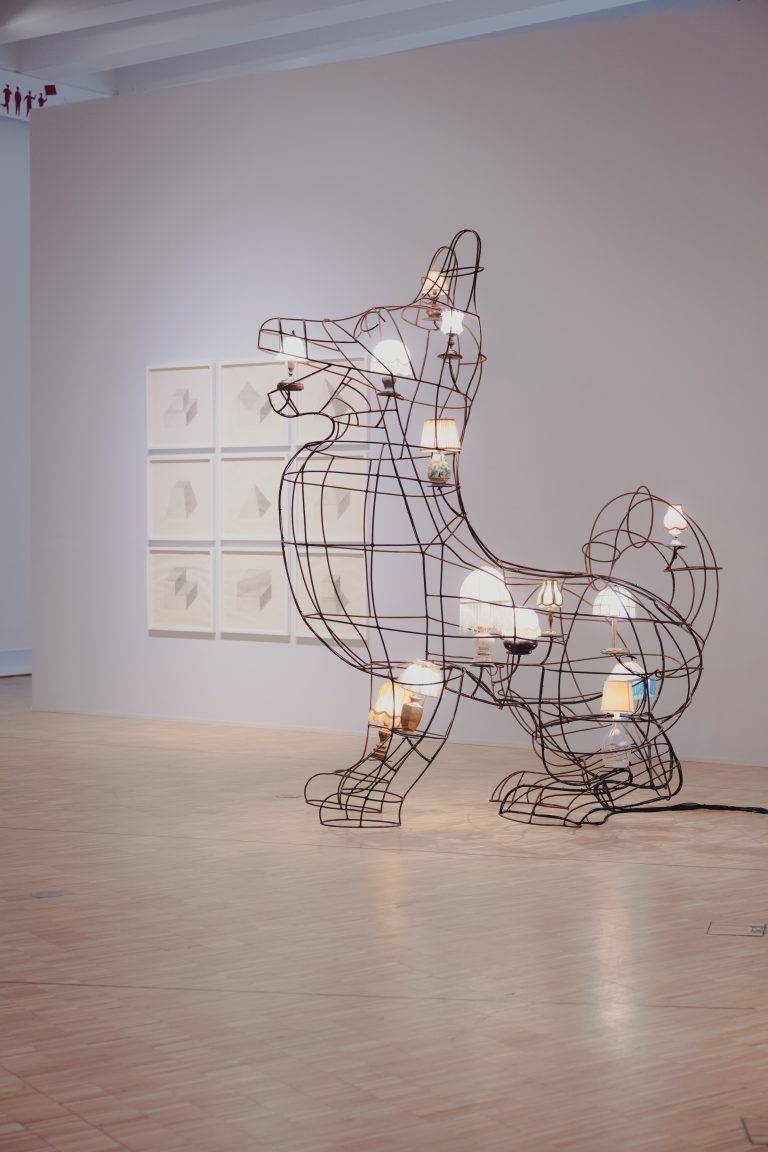
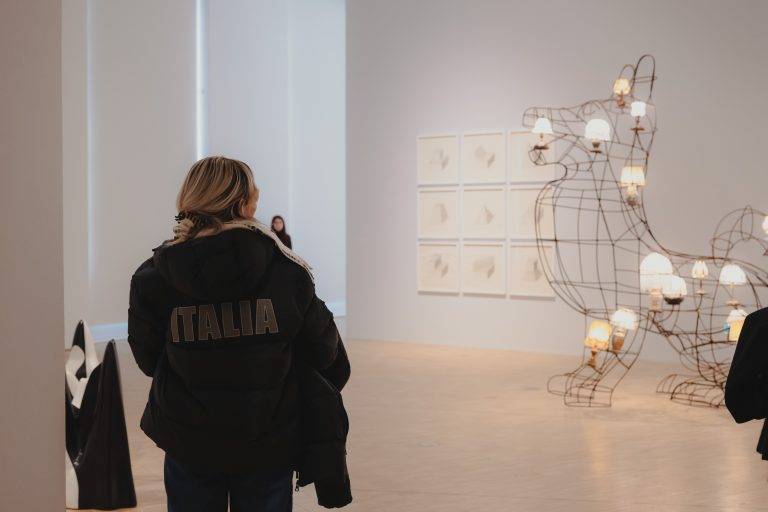
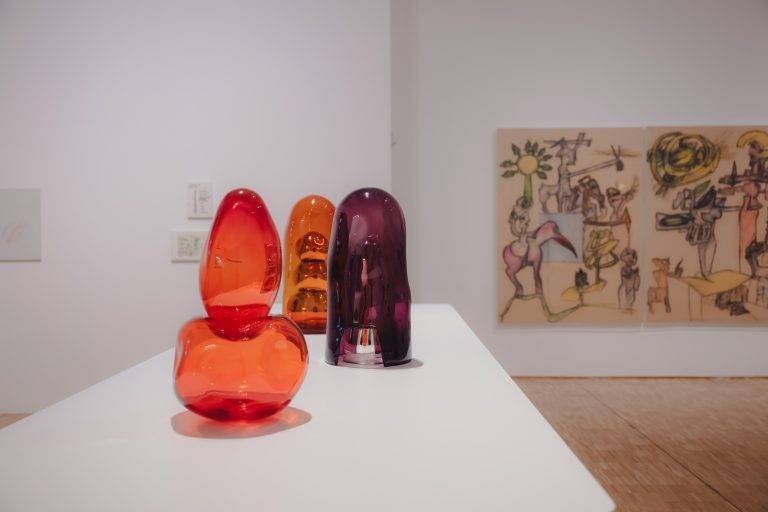
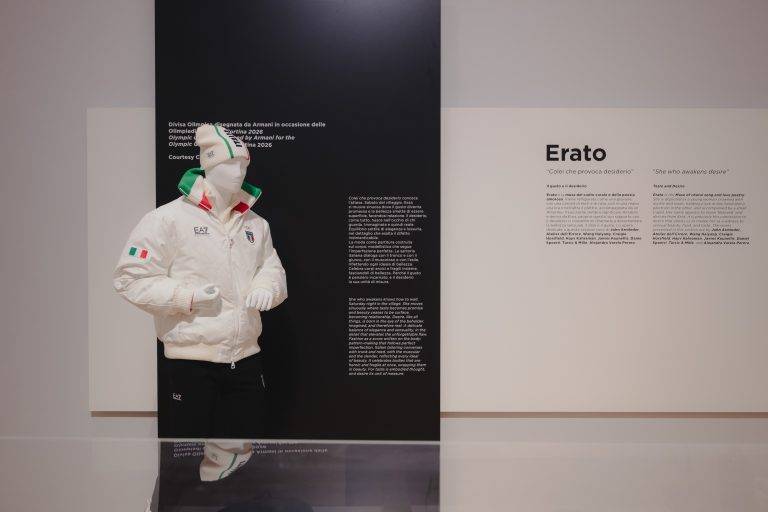
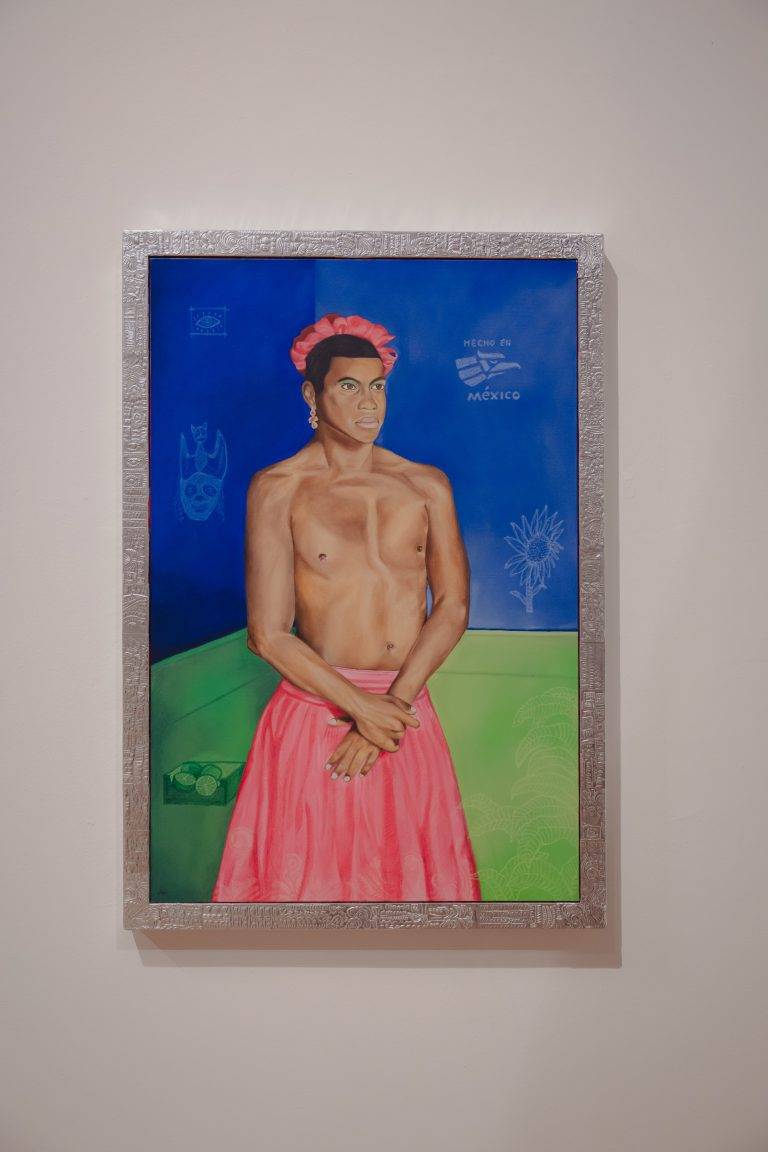
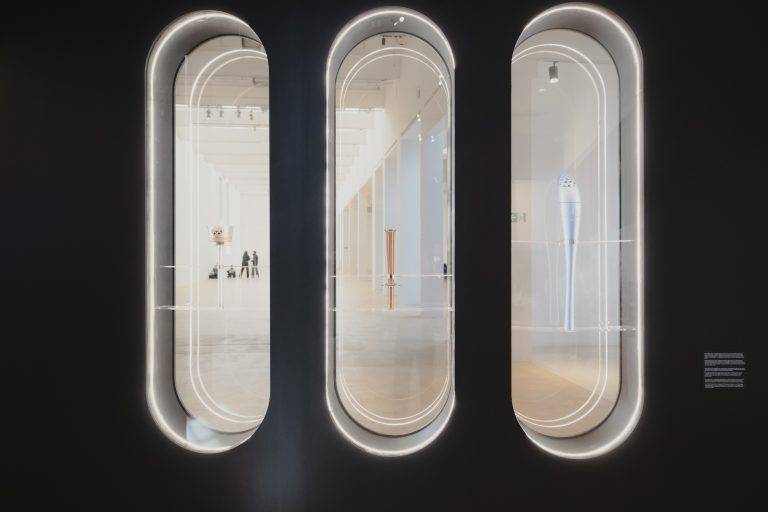
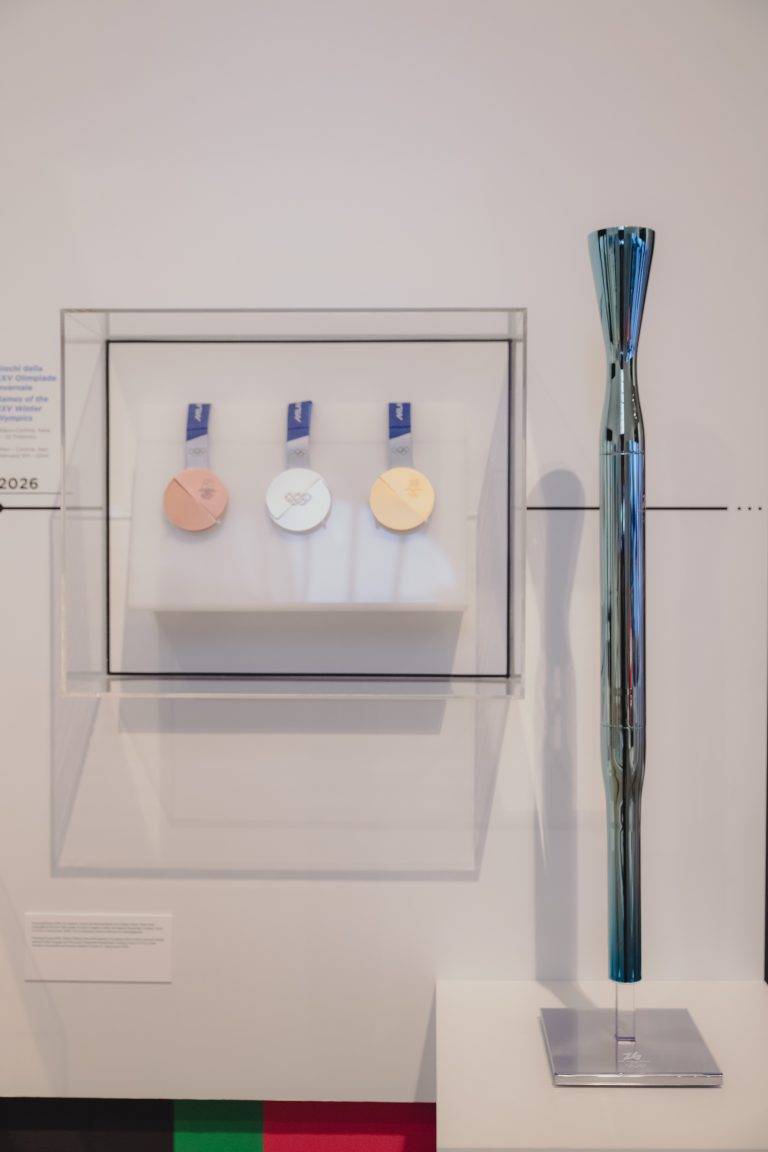
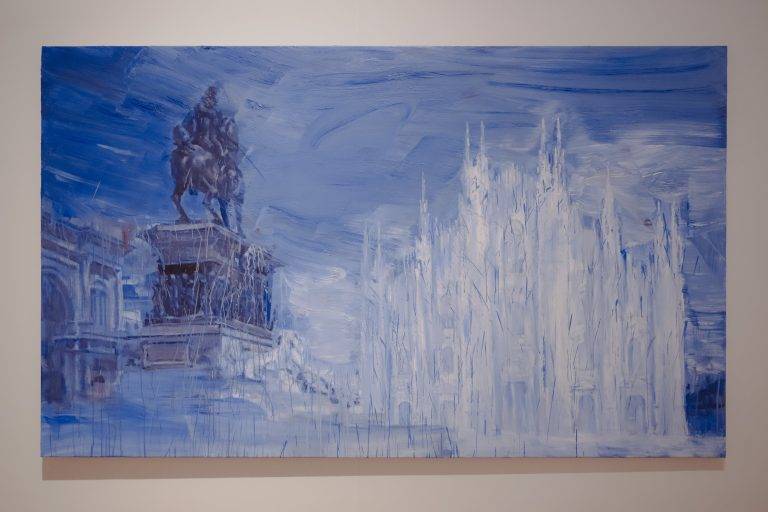
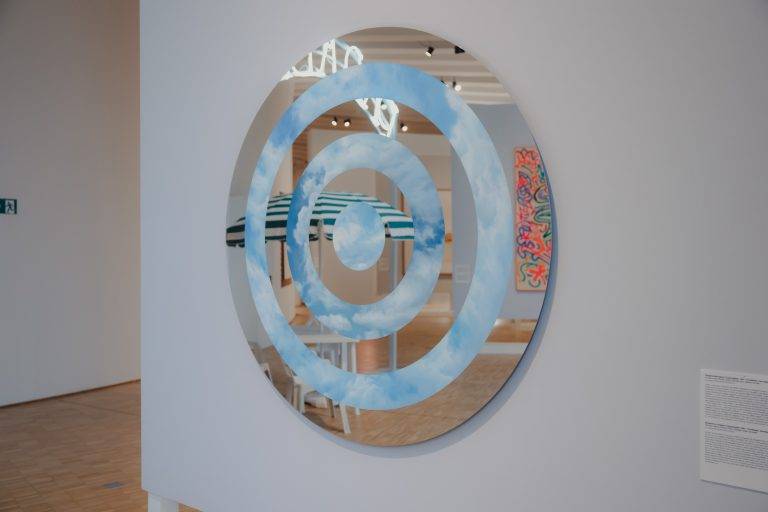
The chosen theme is MUSA — not a soft, decorative word, but a key. Inspiration as infrastructure, creativity as discipline. Above all, a format that blends art, architecture, design, and food without slipping into display-window mode, instead aiming for a more contemporary rhythm, closer to a cultural platform. On view are works by designers, architects, and artists: from Giacomo Balla to Joseph Kosuth, from Robert Rauschenberg to Ben Vautier, from Adrian Paci to Christo, from Fernando and Humberto Campana to Patricia Urquiola. The exhibition design plays on the idea of the mountain through two registers — a technical exterior (aluminum, lightness, temporariness) and a warm interior (wood, hospitality). The message is clear: Casa Italia wants to be a home for real, not just a symbol.
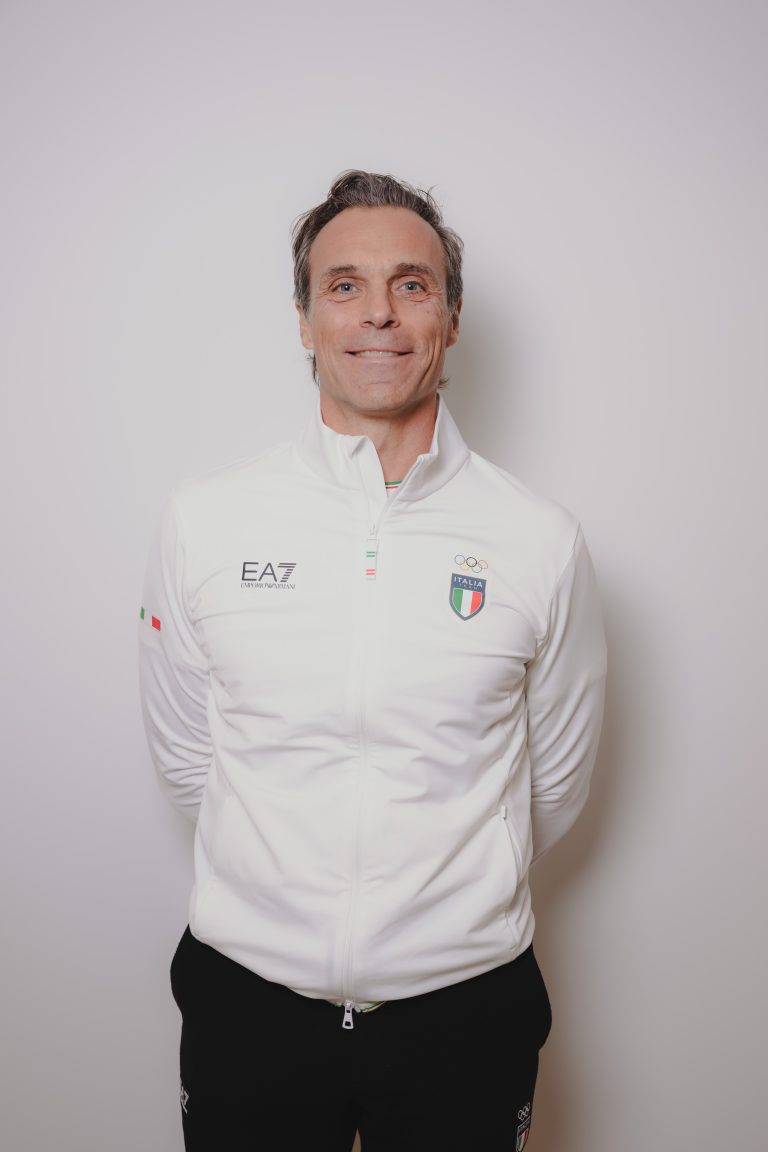
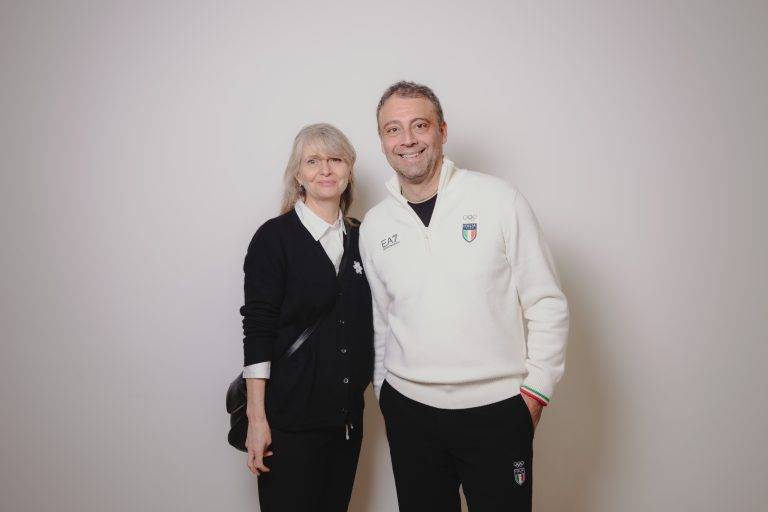
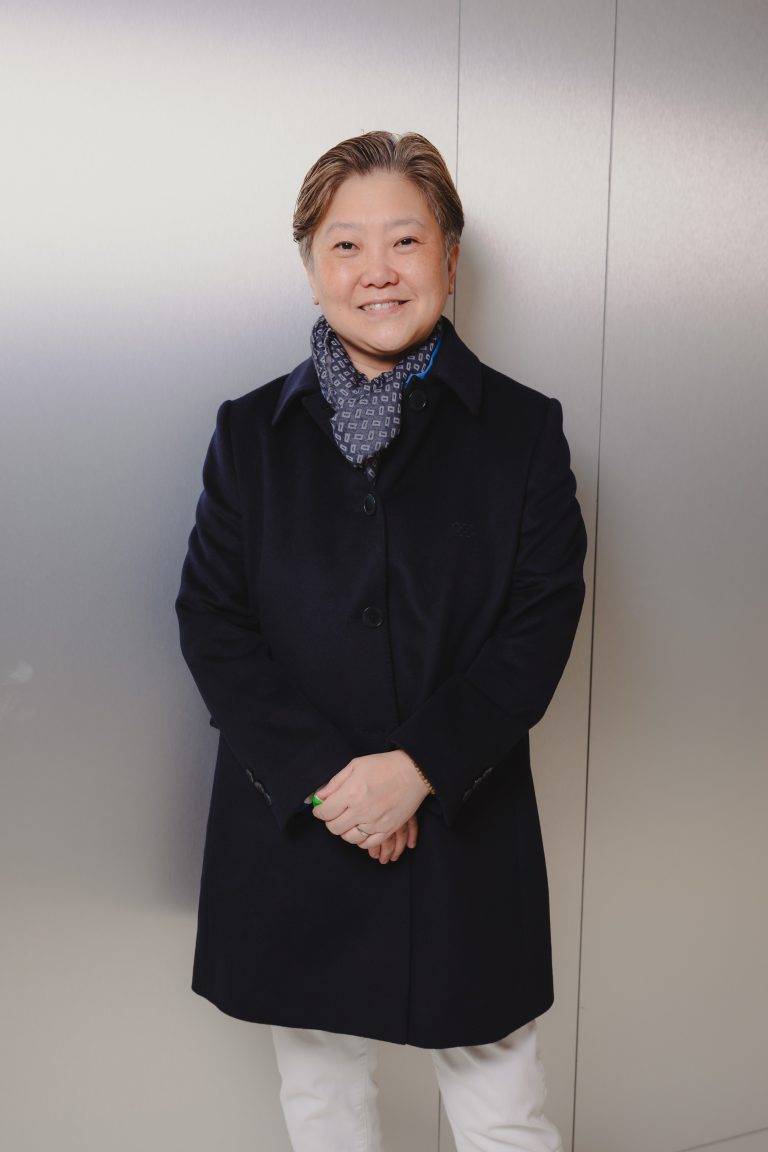
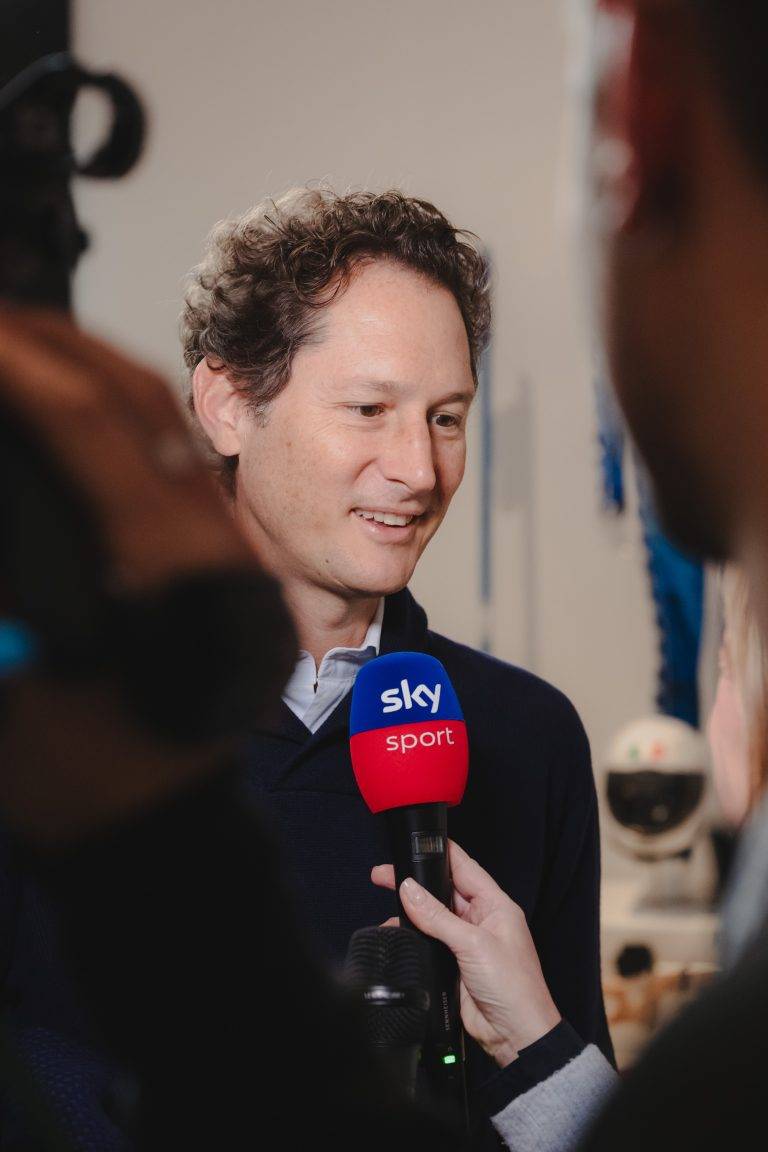
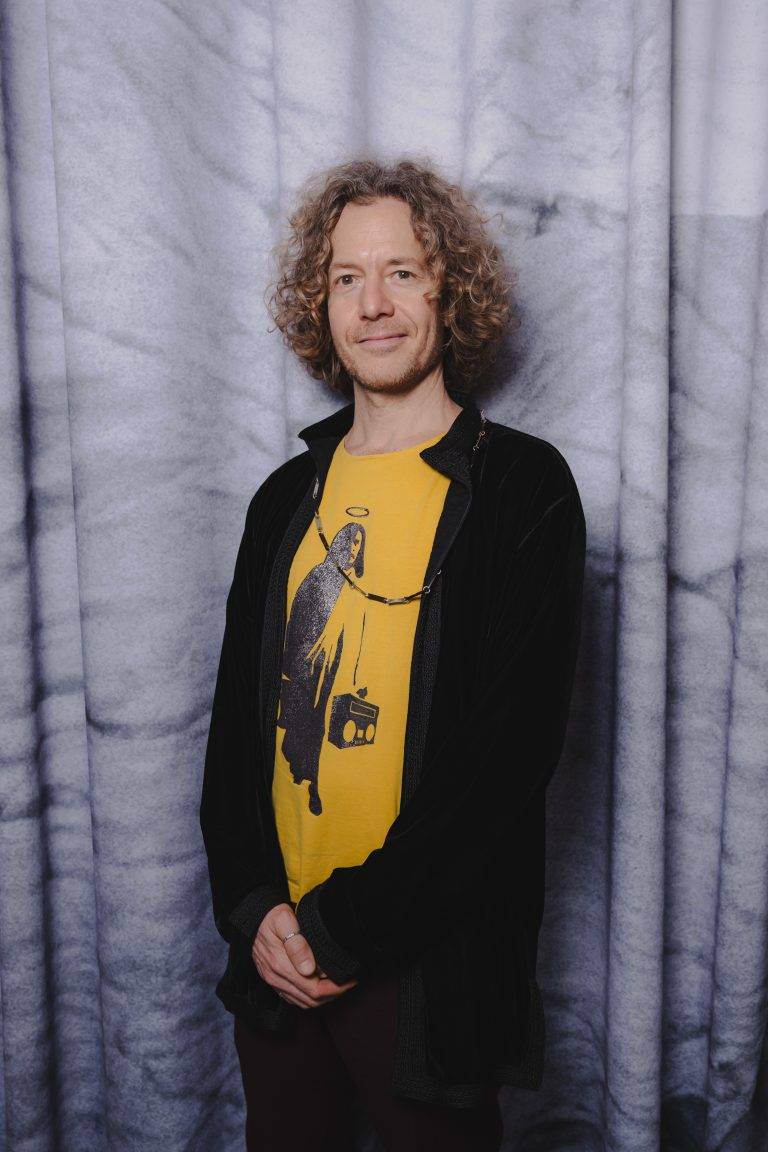
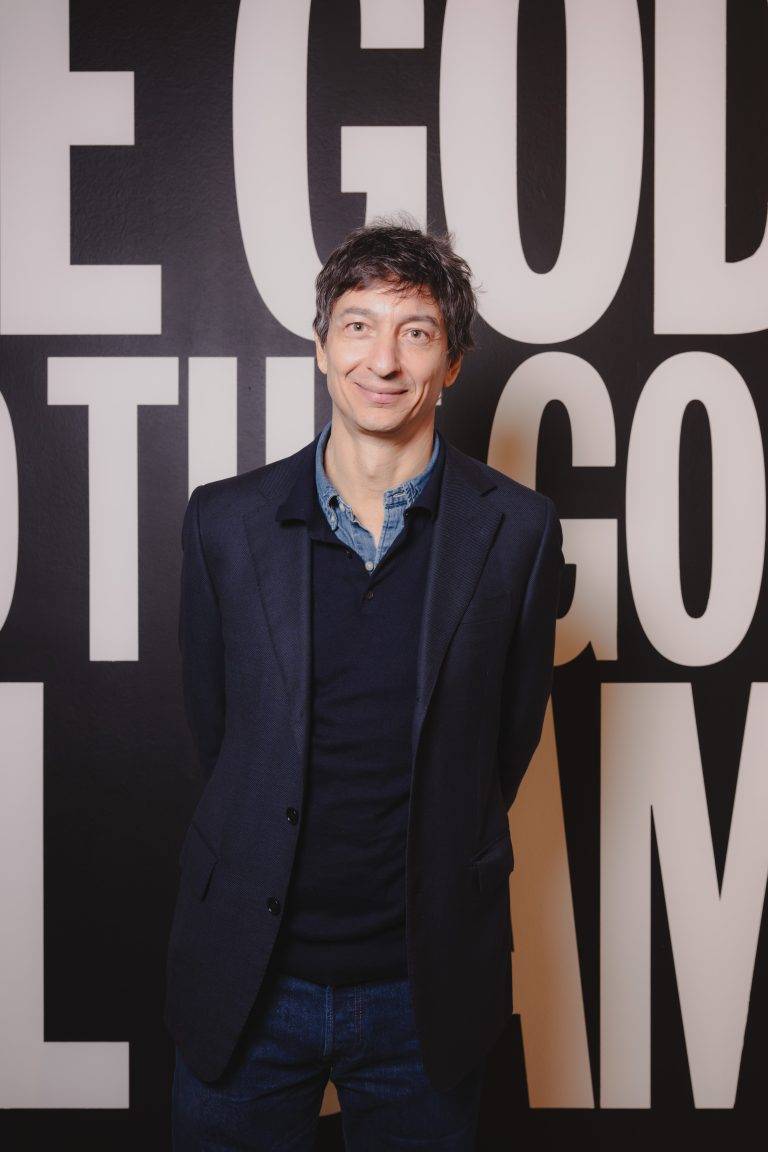
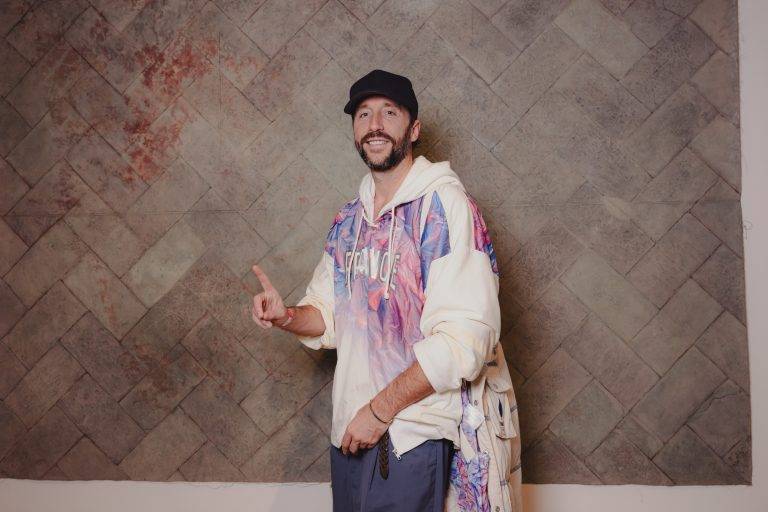
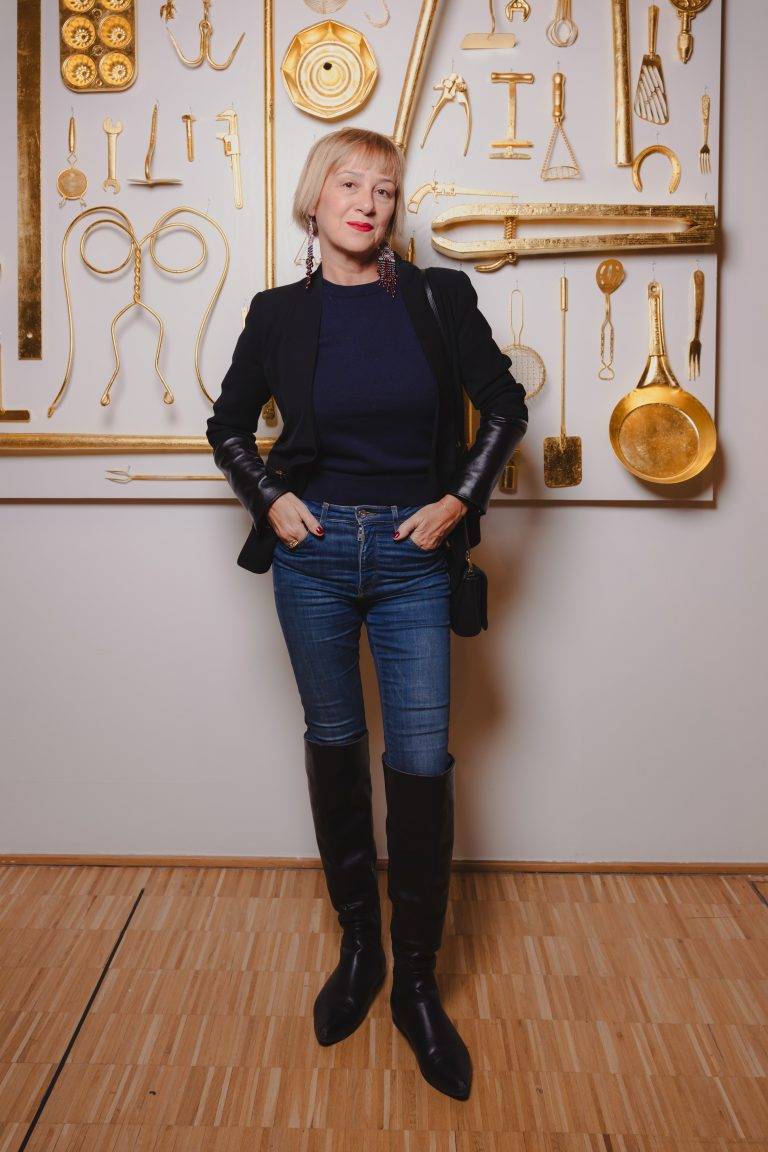
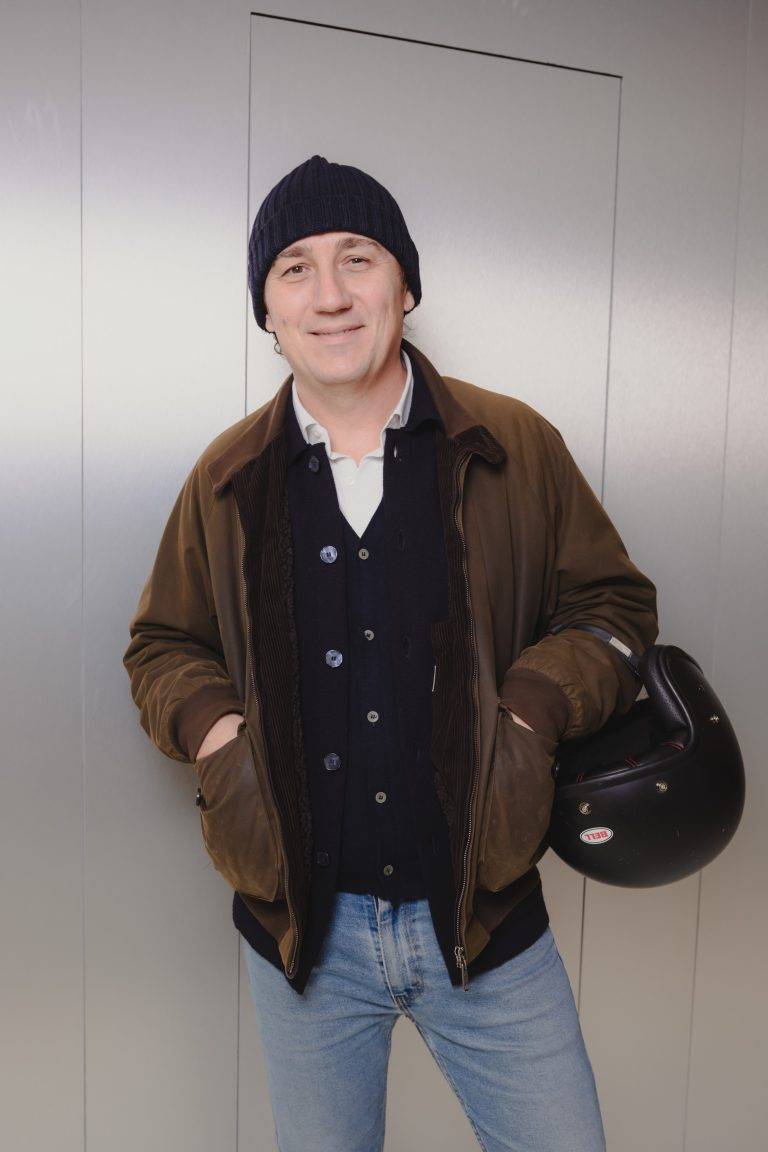
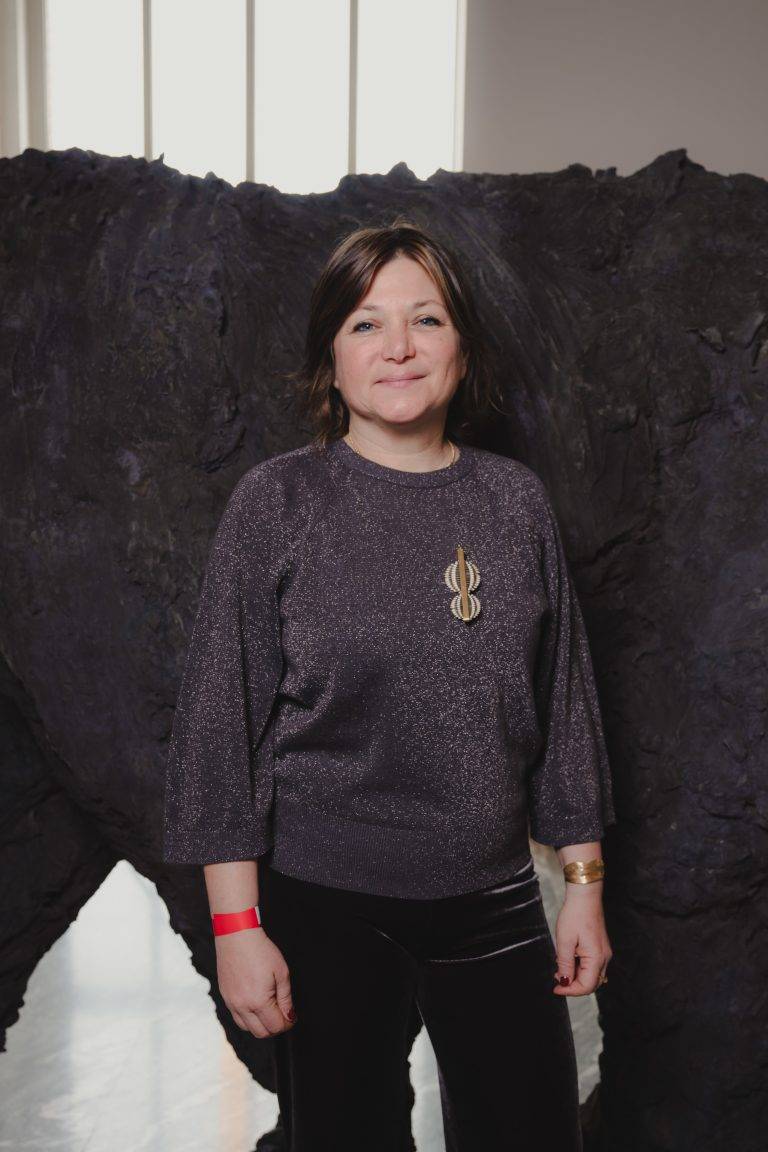
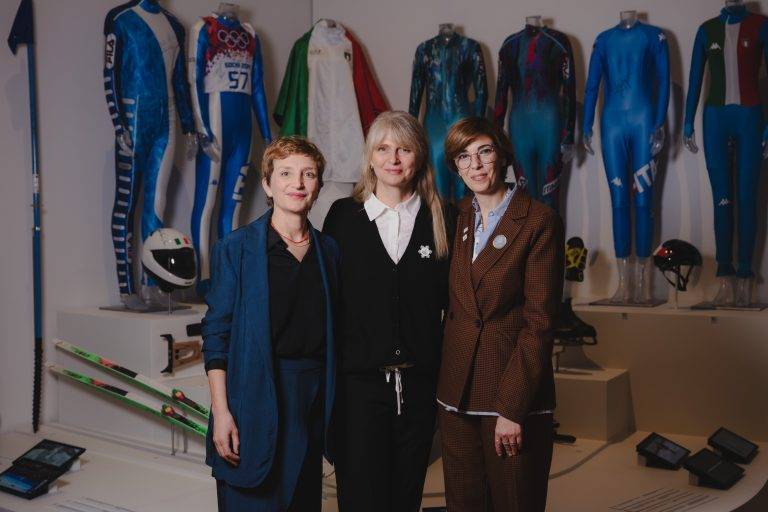
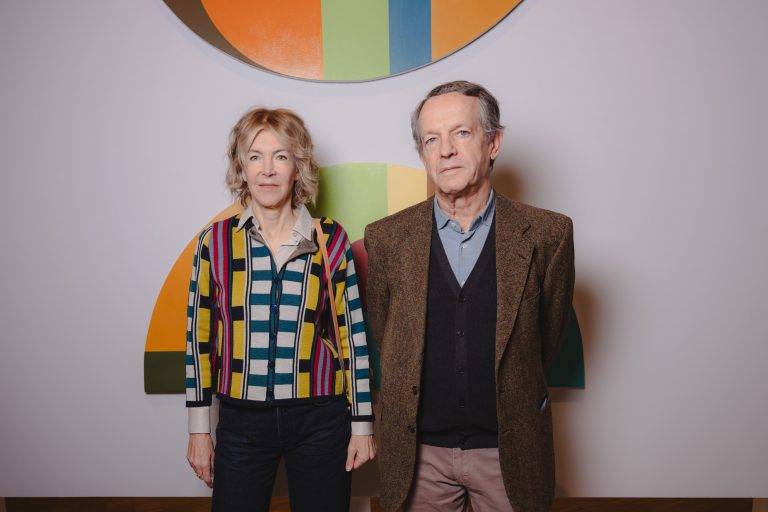
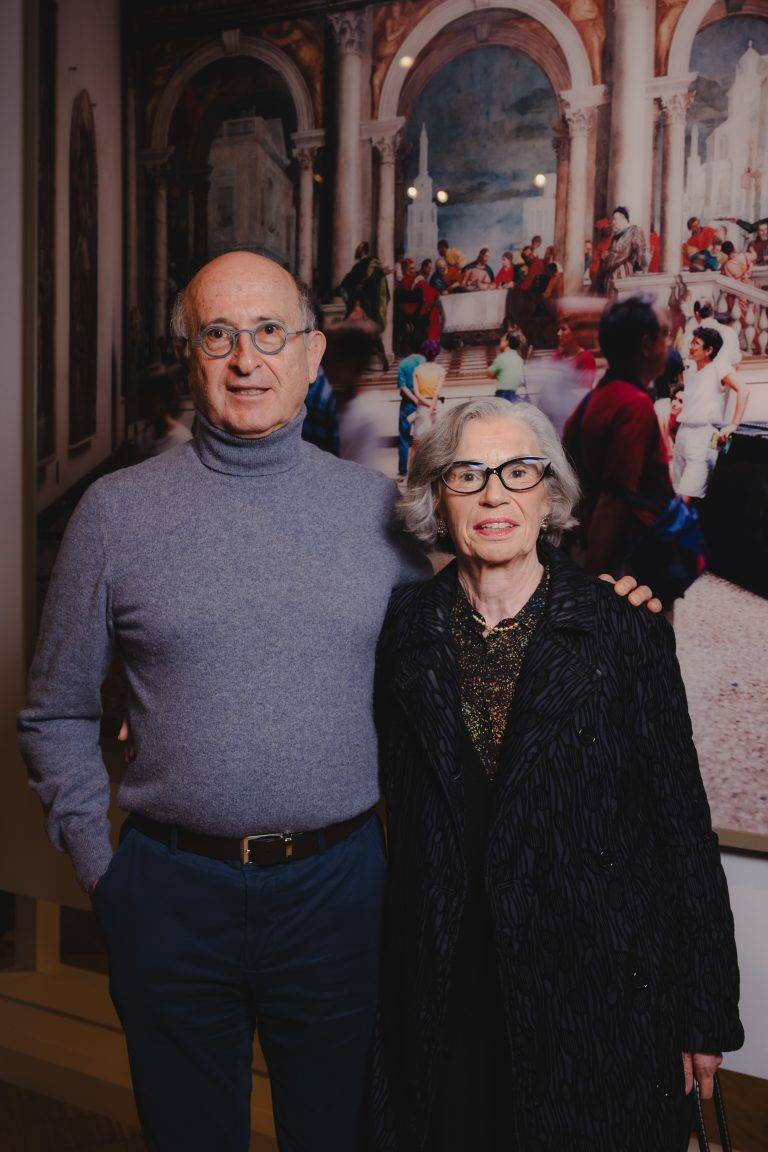
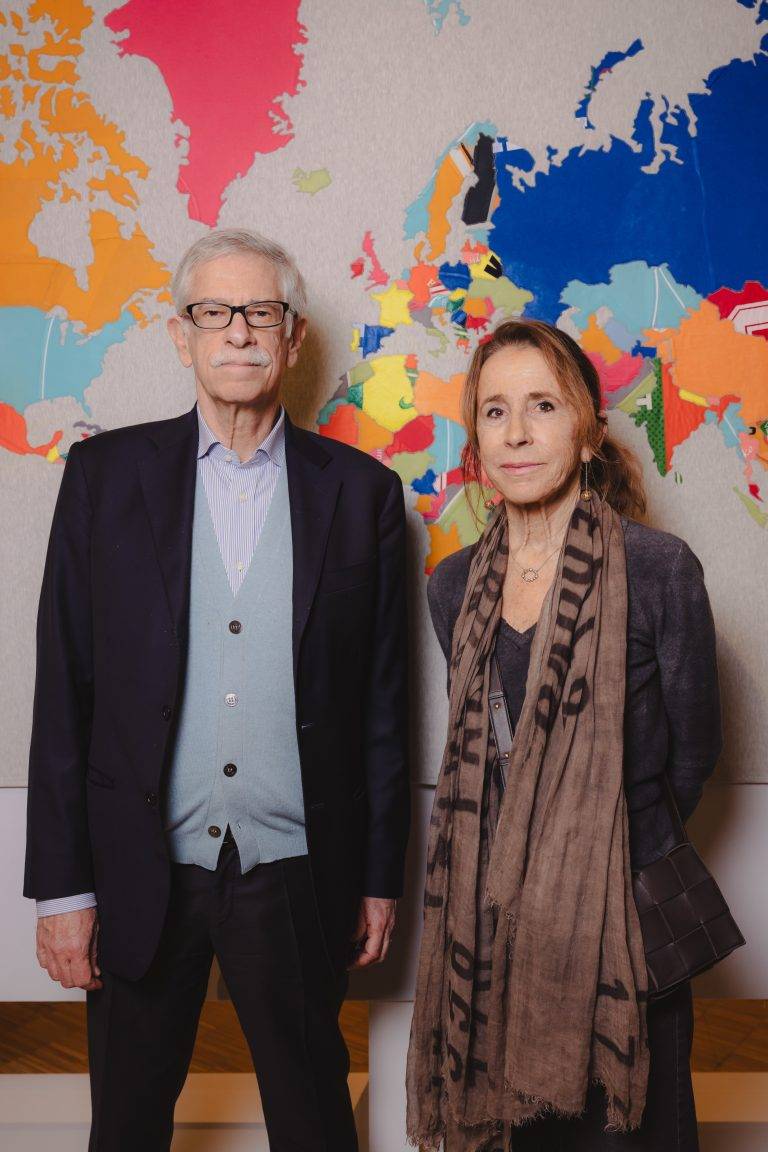
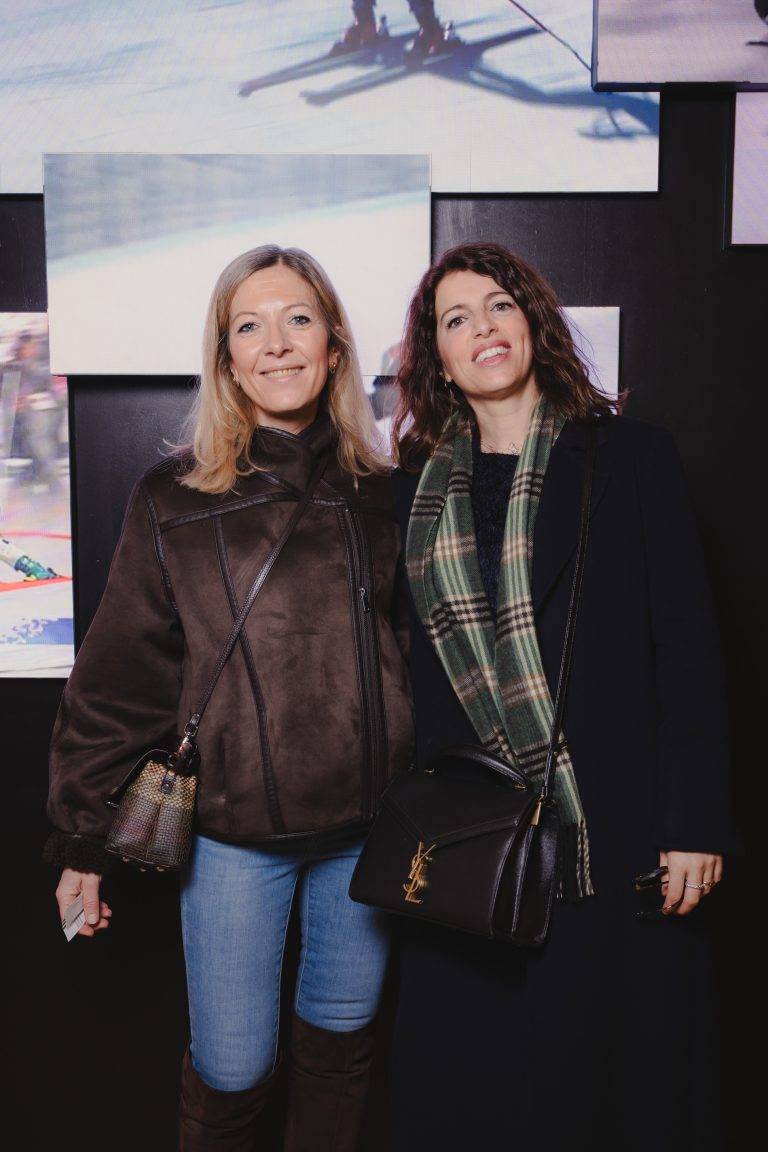
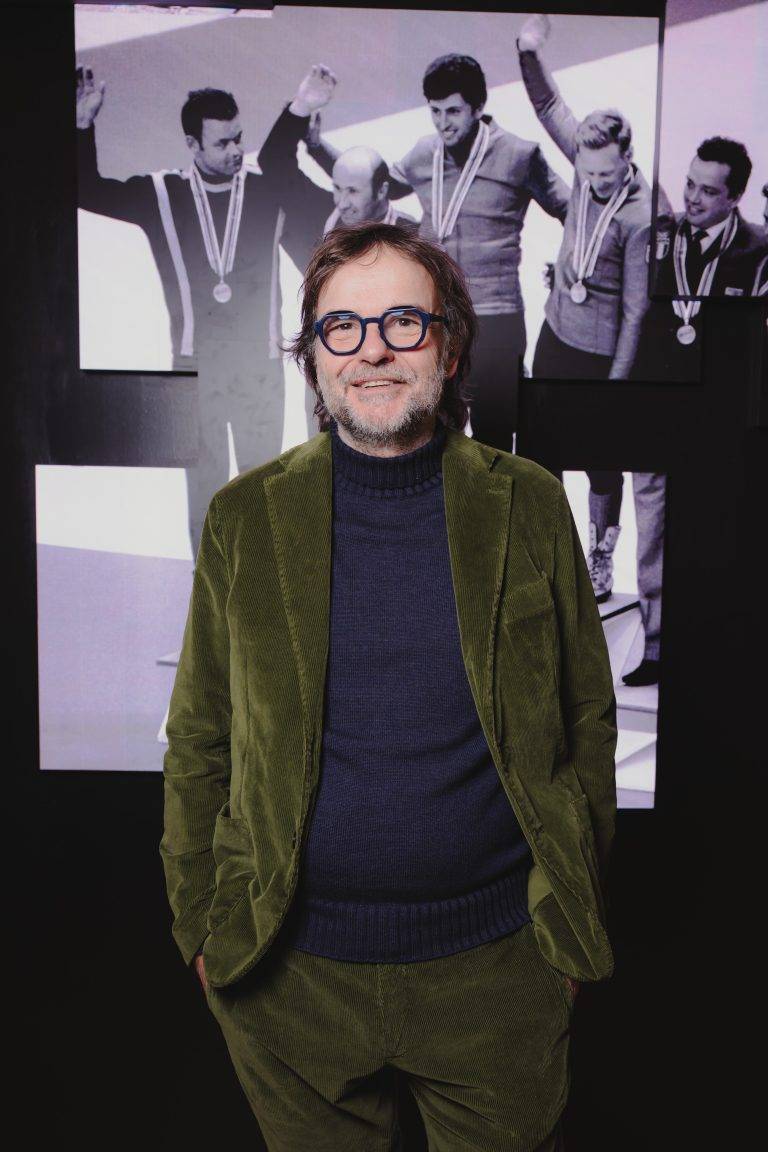
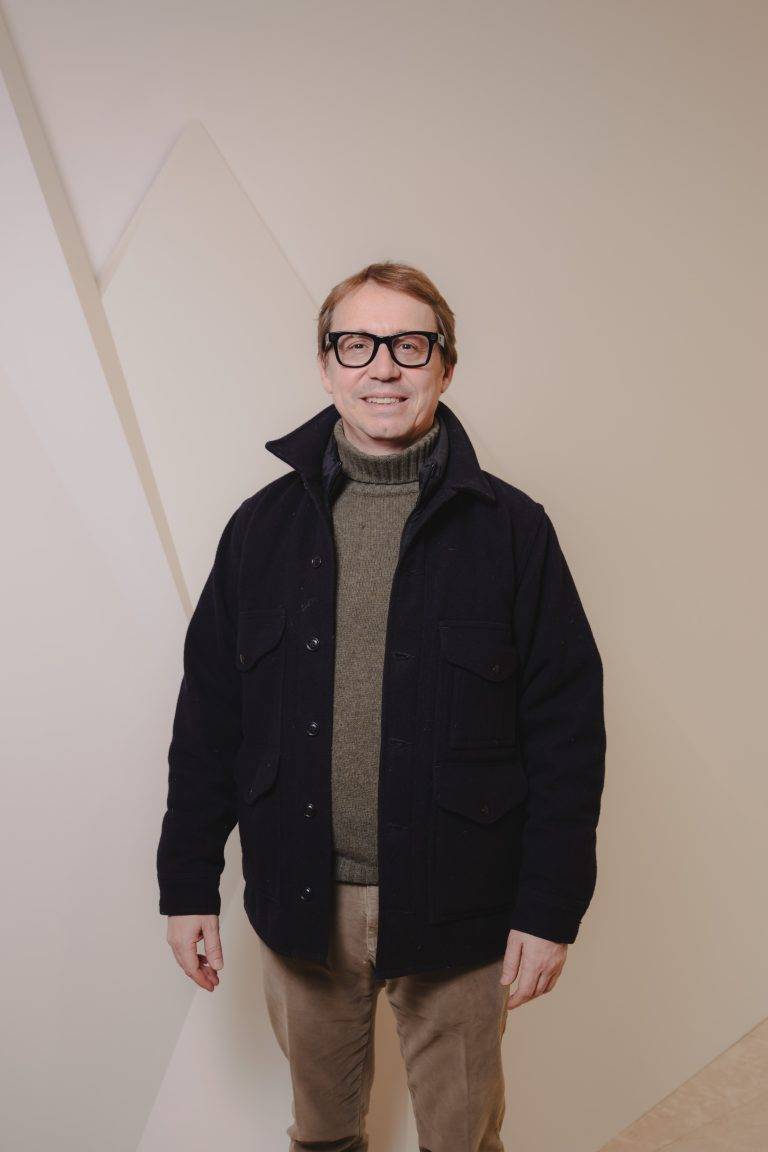
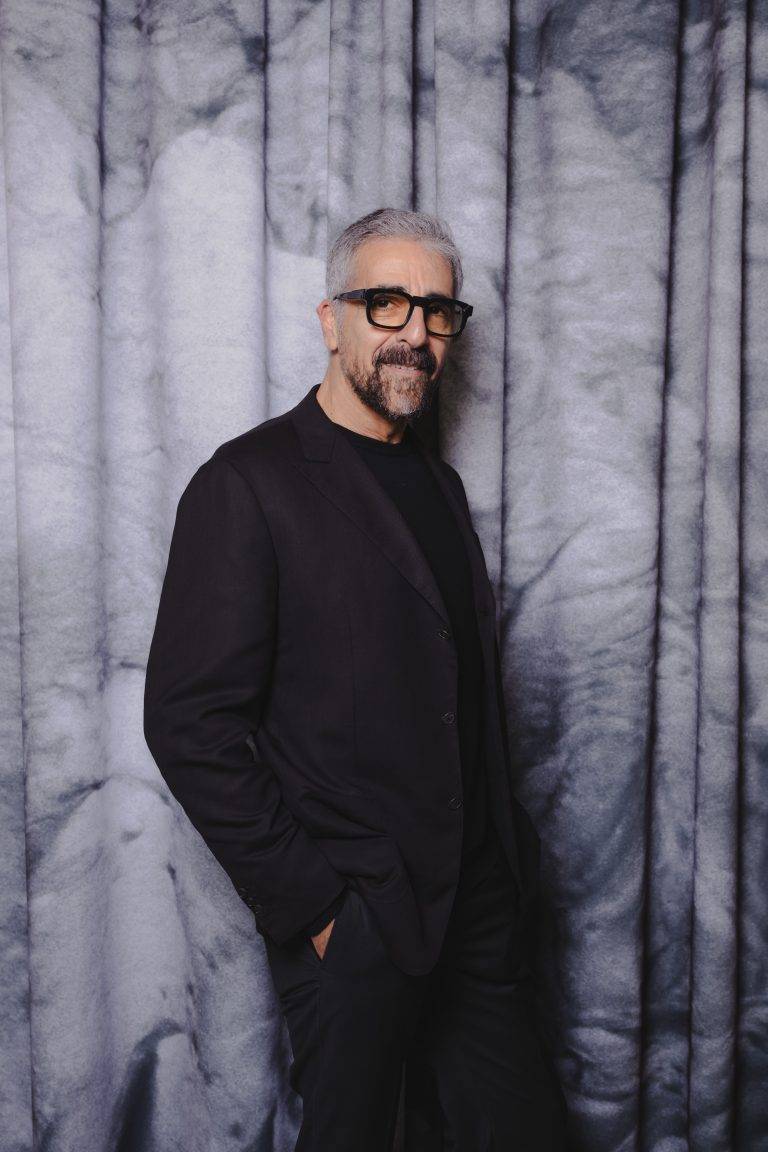
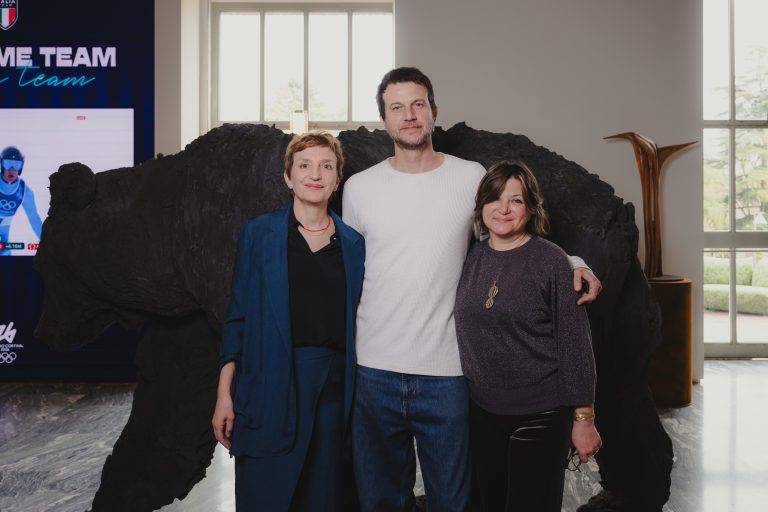
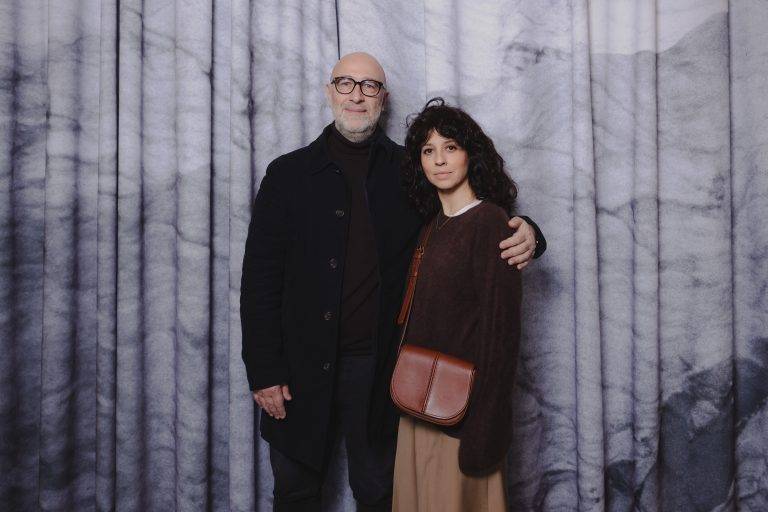
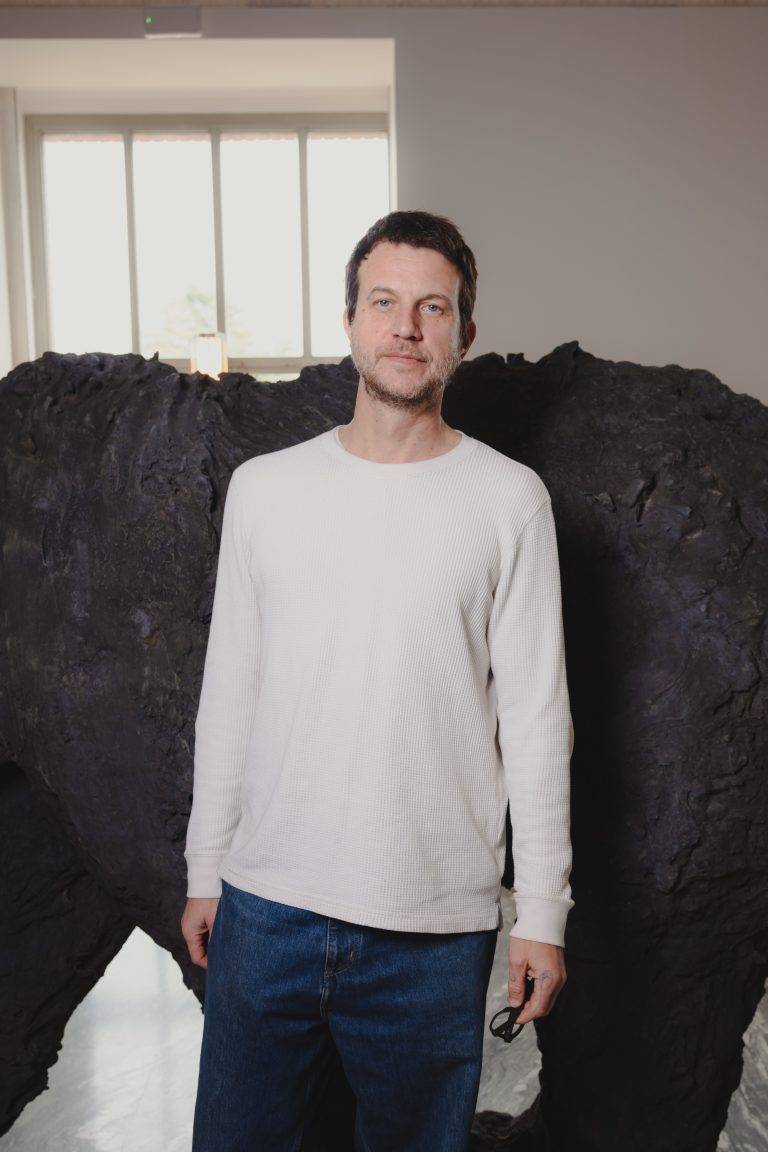
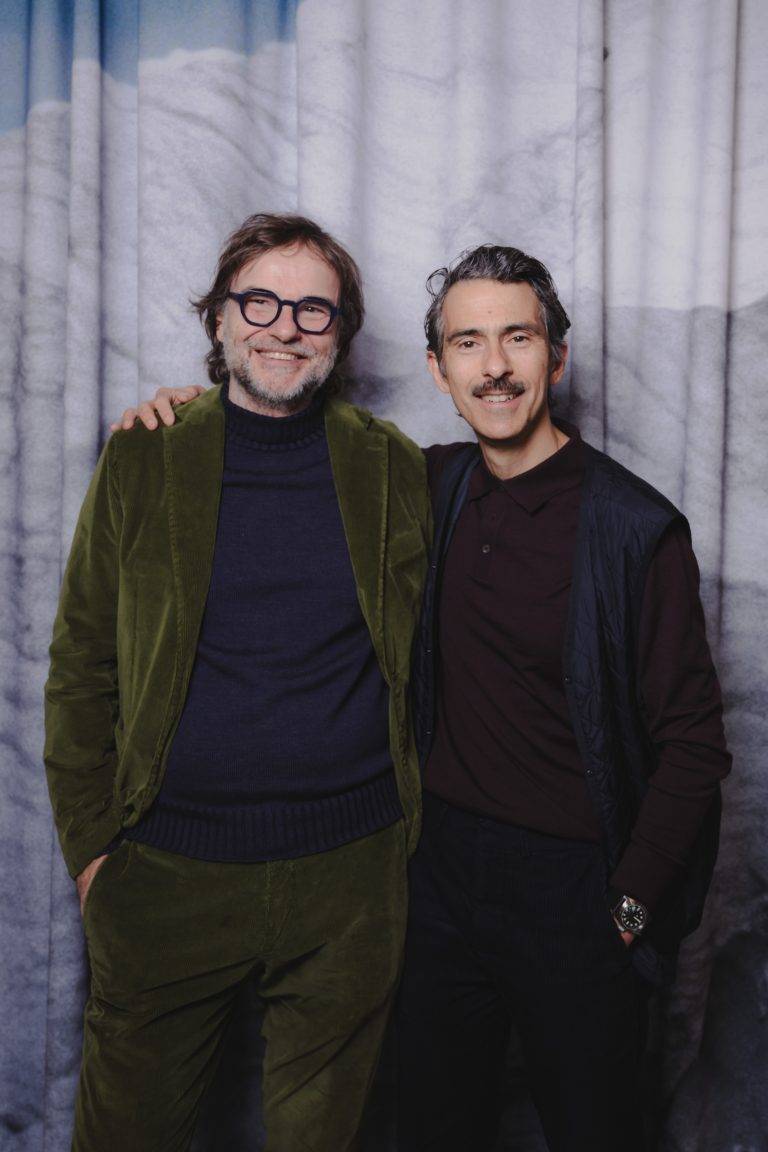
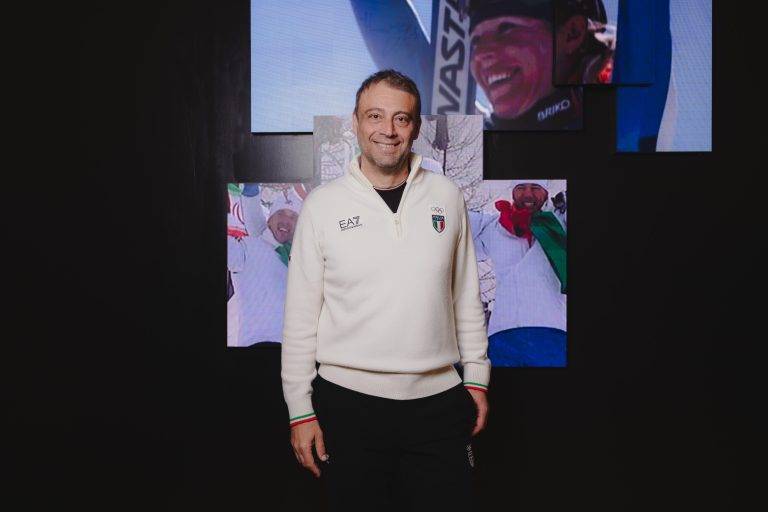
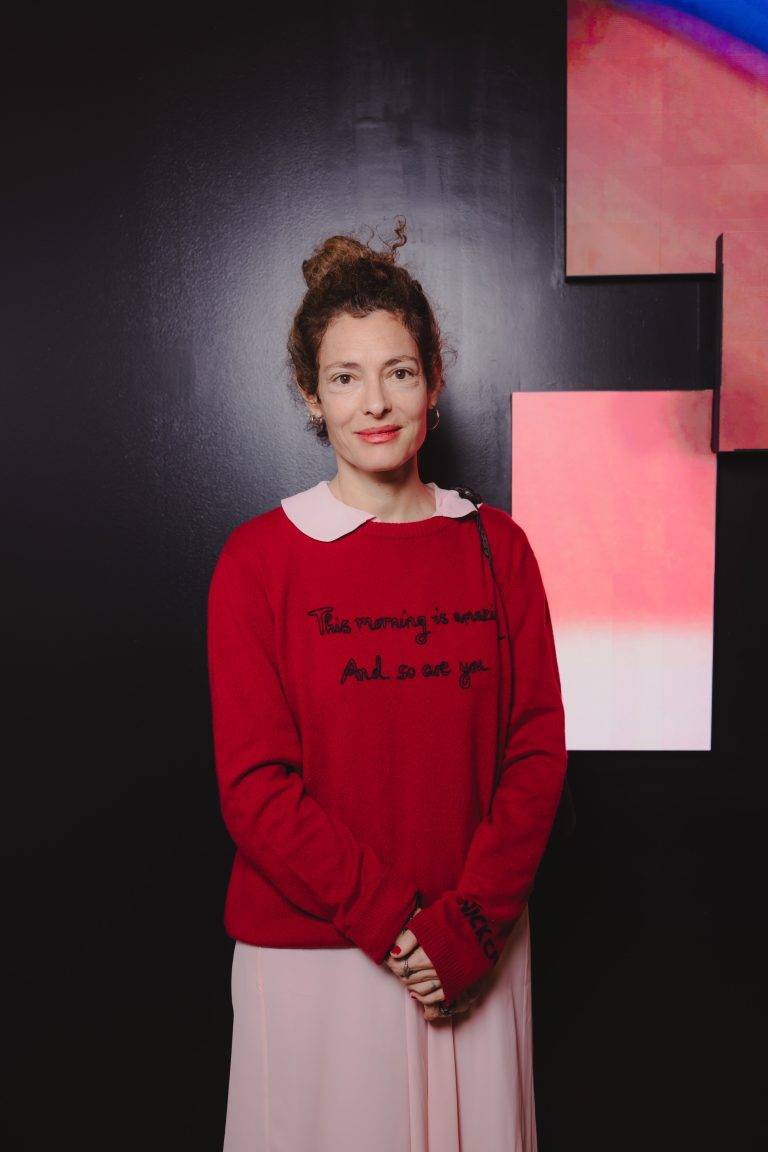
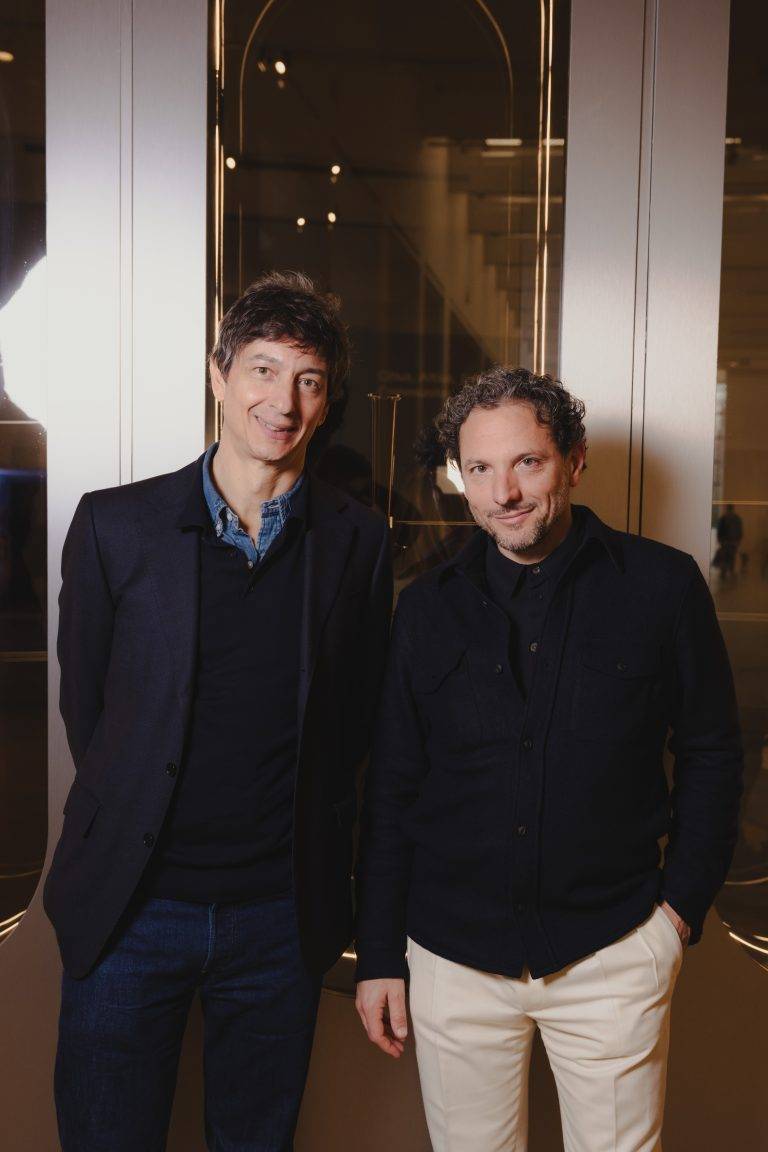
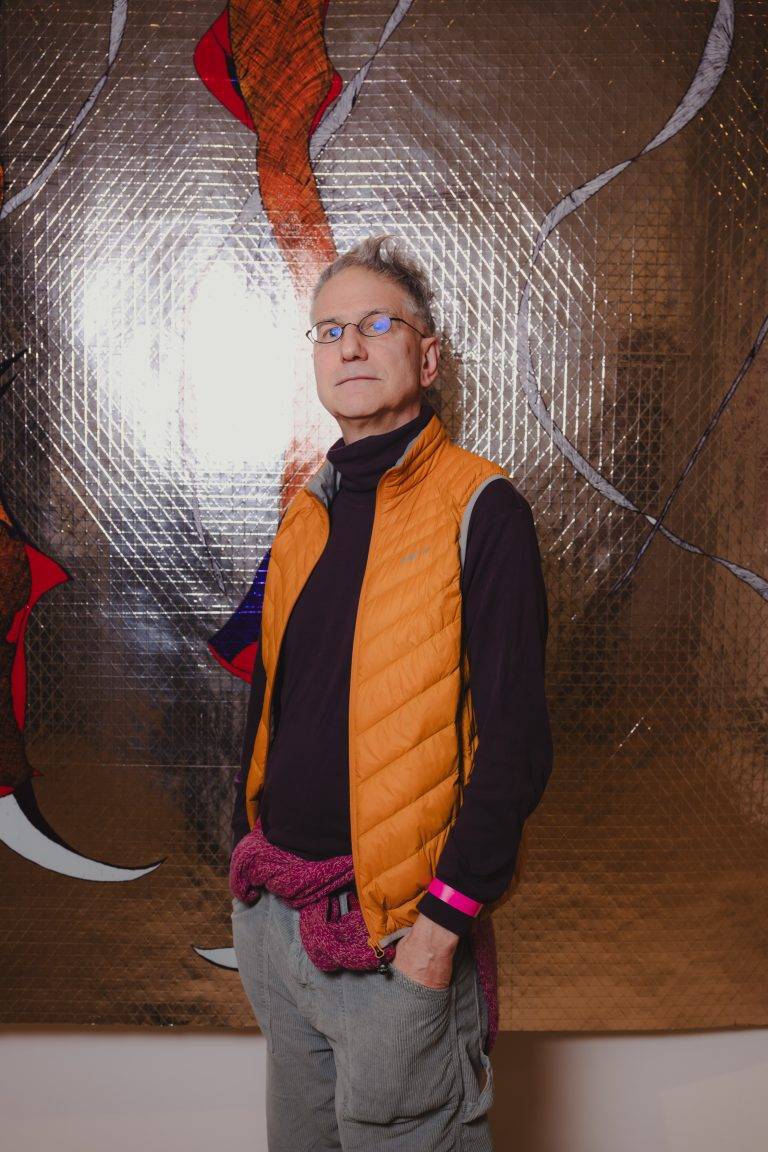
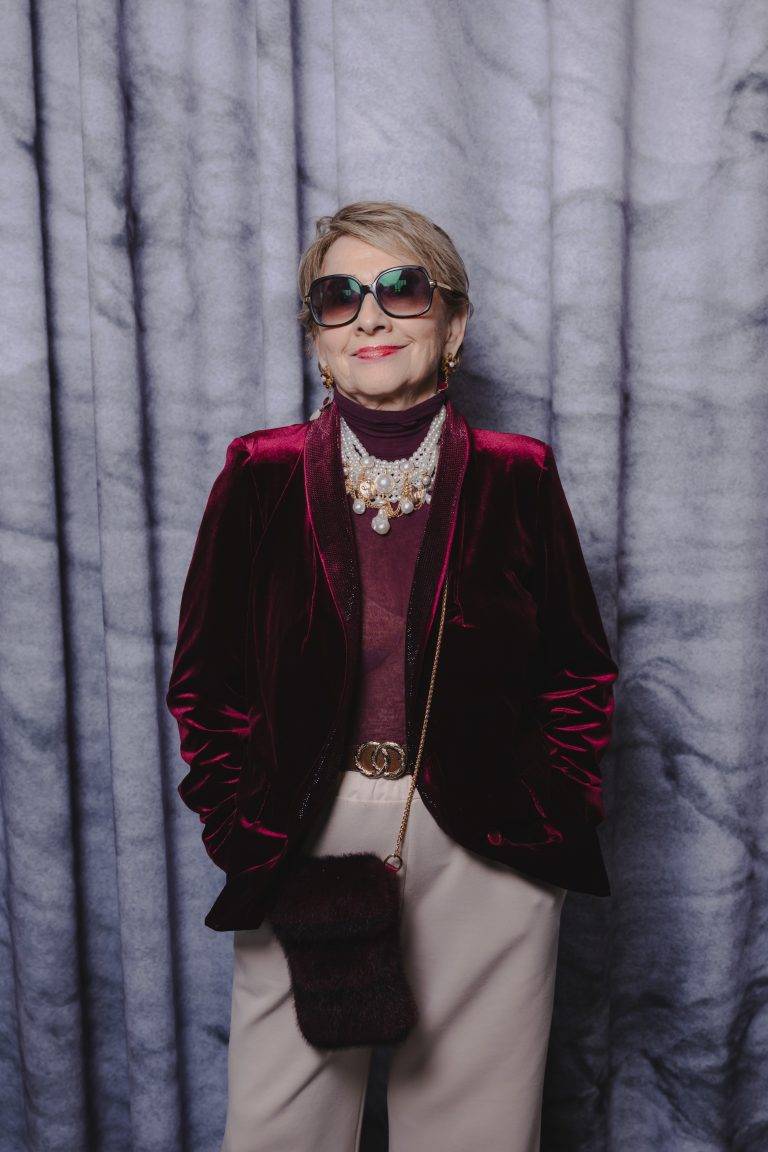
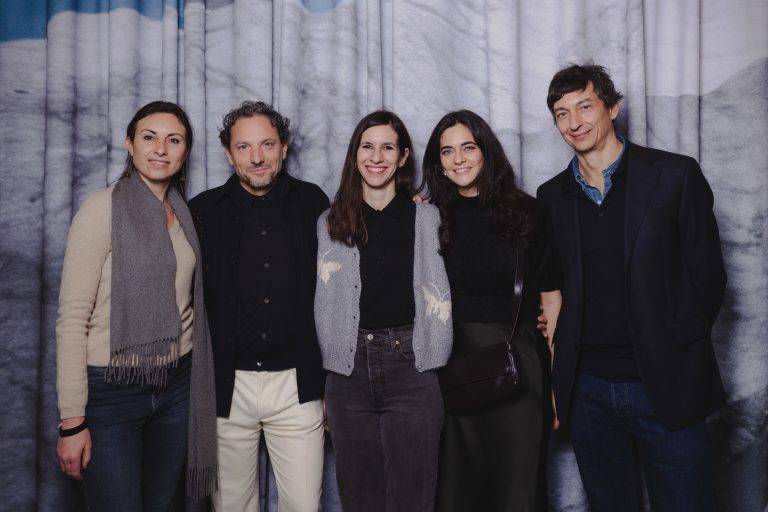
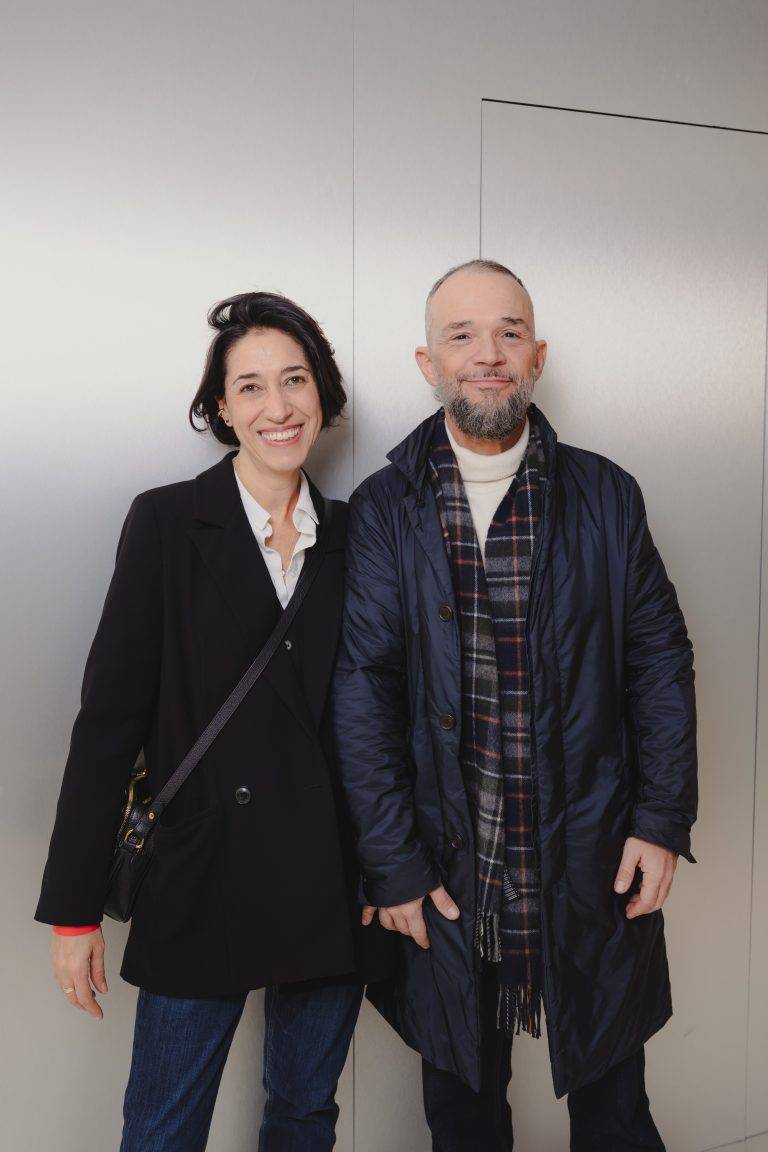
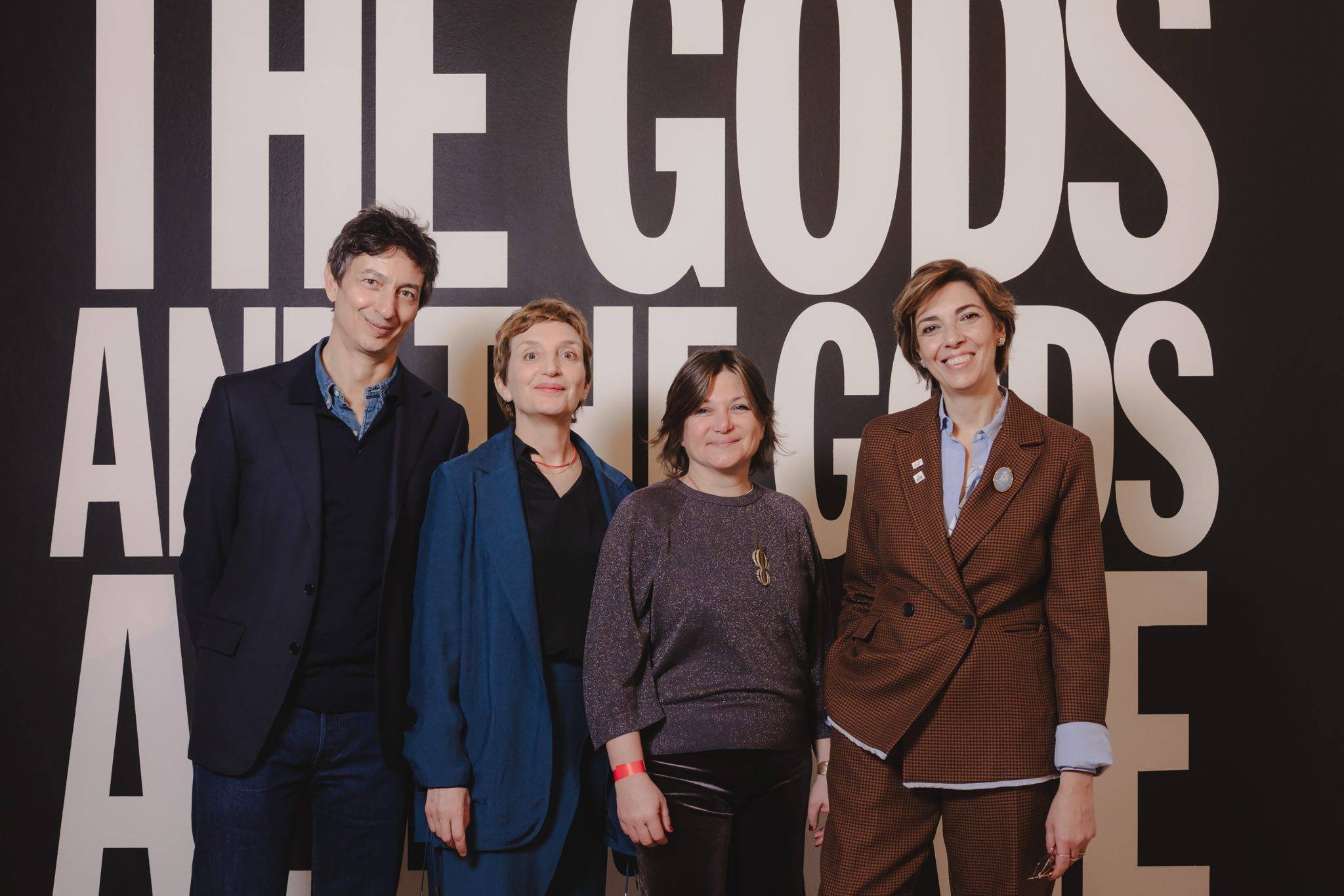
Opening it to the public — a public that on opening day included, among others, Carlo Mornati, Secretary General of CONI; Angelita Teo and Yasmin Meichtry, Director and Deputy Director of the Olympic Museum in Lausanne; John and Ginevra Elkann; Paride Vitale; Paolo Casati; Lorenzo Pellicelli, Head of CONI Marketing and Casa Italia Coordination; and the curators of the MUSA exhibition, Beatrice Bertini and Benedetta Acciari — means one simple thing: shifting the center of gravity. No longer a celebration for a few, but a shared narrative, where Olympic energy becomes a collective experience. In a country that too often relegates culture to the stands, Casa Italia makes a rare choice: it brings it onto the field.
Text: Germano D’Acquisto
Photos: Niccolò Campita