


Manfredi Gioacchini
Beauty and silence: these are the fundamental keys of my visual language
«For me it’s essential to exhibit my photographs in ‘living’ spaces, where people dwell, pass through and move»
Manfredi Gioacchini photographs the way one travels: slowly, with care, letting places speak before capturing them. Roman by origin but visually shaped between Europe and the United States, over the years he has developed a practice that brings together portraiture, interiors and documentary storytelling, always filtered through a sensibility rooted in classical art. He is not interested in the spectacular moment, but in the layering of time. His journey into photography began early, at the age of twelve, through his father’s Hasselblad and the family holiday pictures. It was there that he discovered photography as more than mere recording — as construction, choice and waiting. A lesson that became method, leading him to explore human action, the spaces we inhabit and the silences we leave behind. After the success of Portraits of Artists (2016), Gioacchini shifted his focus toward landscape with Floating Islands (2020), a poetic exploration of the planet’s last unspoiled areas. With Grand Tour (2024), the circle closes and opens again on Italy — not the postcard version, but a suspended, intimate country finally freed from the noise of mass tourism.
It is precisely this project that, until February 22, inhabits the spaces of Casa Monti, transforming the ground-floor common areas into a lived-in gallery, where photography becomes part of everyday life, like a slow breath. For Gioacchini, every image is born from study and listening: “To photograph a work of art, a monument or a place, you must first study it. Only through preparation can you grasp its true soul, its true beauty.” A philosophy that makes Grand Tour not a nostalgic tribute, but a refined and contemporary rereading of Italy’s heritage, where memory and the present meet in a silence full of meaning.
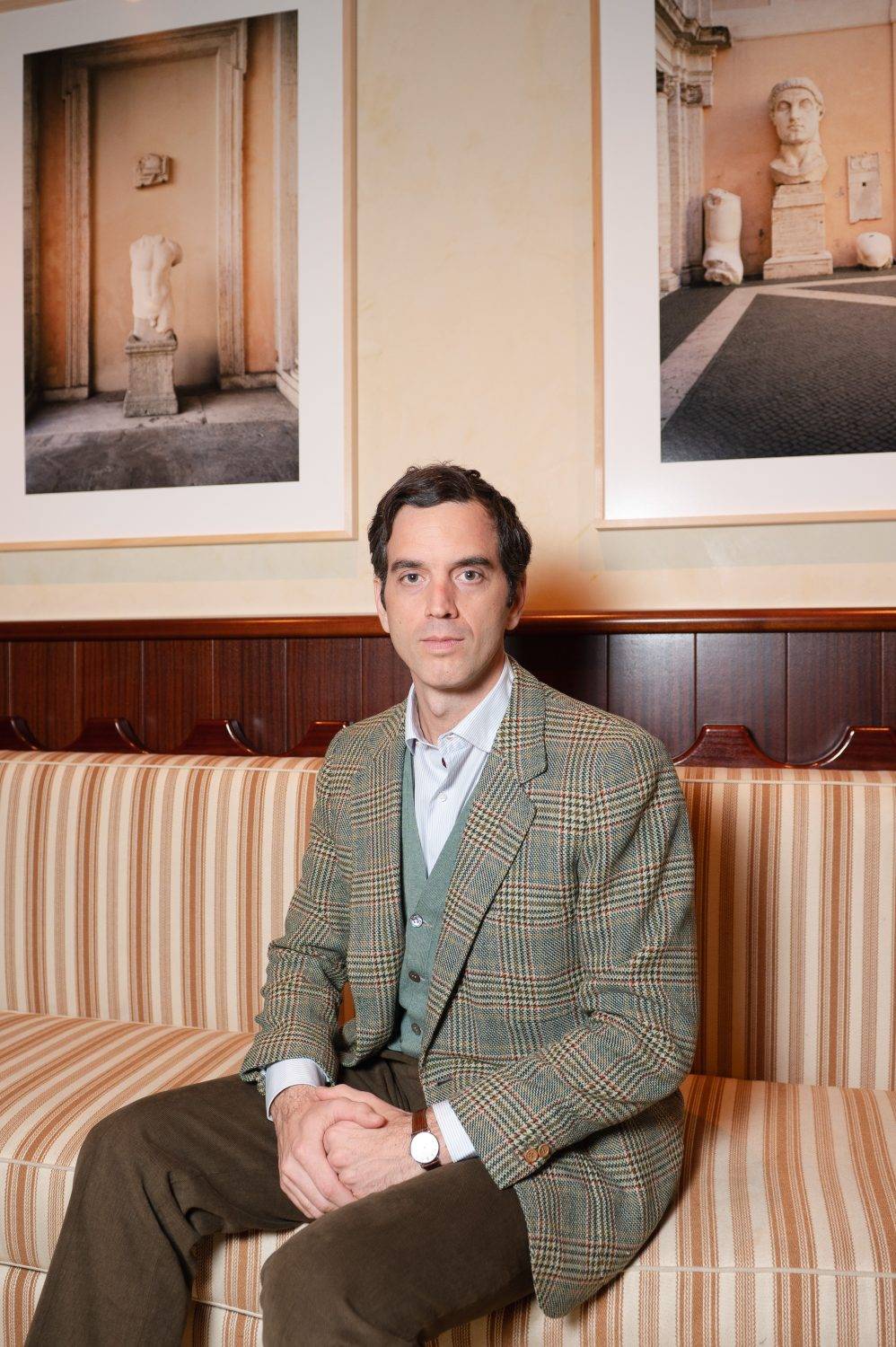
Casa Monti was conceived as a “Home of the Artist”: what did it mean for you to exhibit and work in a place that is at once a hotel, a home and a cultural space?
MANFREDI GIOACCHINI
The space lends itself perfectly to this kind of work: it’s welcoming, but above all real. For me it’s essential to show my work in “living” environments, where people dwell, pass through and move. The contemplation of beauty should be part of everyday life, not confined to exceptional moments.
Grand Tour revisits the historical idea of the formative journey. When did you realize this project was no longer just a series of photographs, but a unified narrative about Italy?
MANFREDI GIOACCHINI
When I returned to Italy, I felt the need to reconnect with the country, to rediscover a deep bond with it. That’s where everything began: it was no longer just a collection of images, but a journey, a relationship.
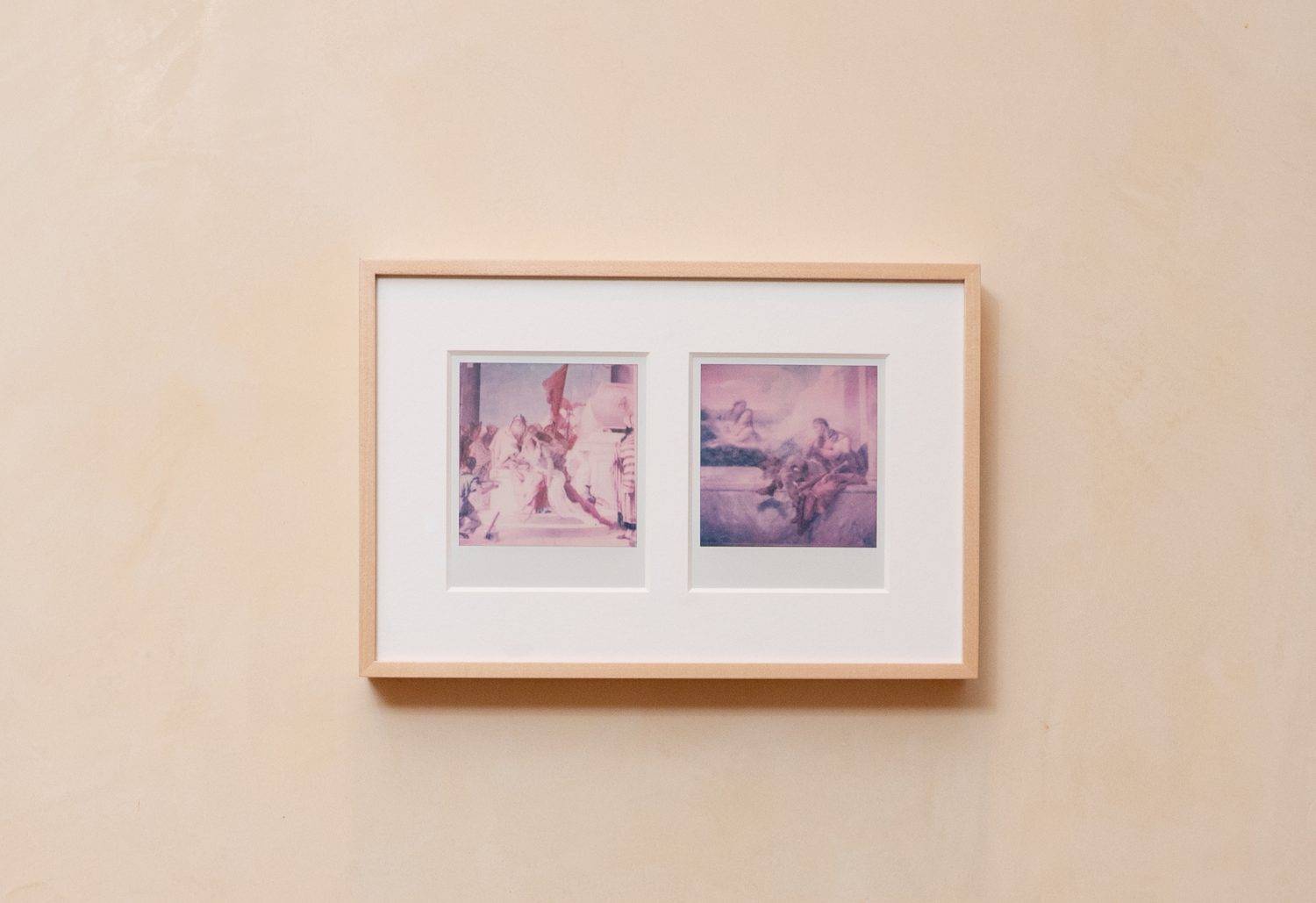
Many of the images were taken in moments of suspension, far from mass tourism. How did silence and absence change the way you looked at places?
MANFREDI GIOACCHINI
More than silence, I would speak of reclaiming places. It’s as if, stripped of noise and frenzy, they returned to truly belong to us again.
From the Mediterranean to the Dolomites, Grand Tour crosses very different landscapes. Was there a place that surprised you more than the others, forcing you to rethink your initial expectations?
MANFREDI GIOACCHINI
Every place has its own magic. Rome, for example, is always very difficult to portray. But the great archaeological sites of Southern Italy are absolutely extraordinary, just as the Palladian villas are — they constantly force you to rethink your expectations.
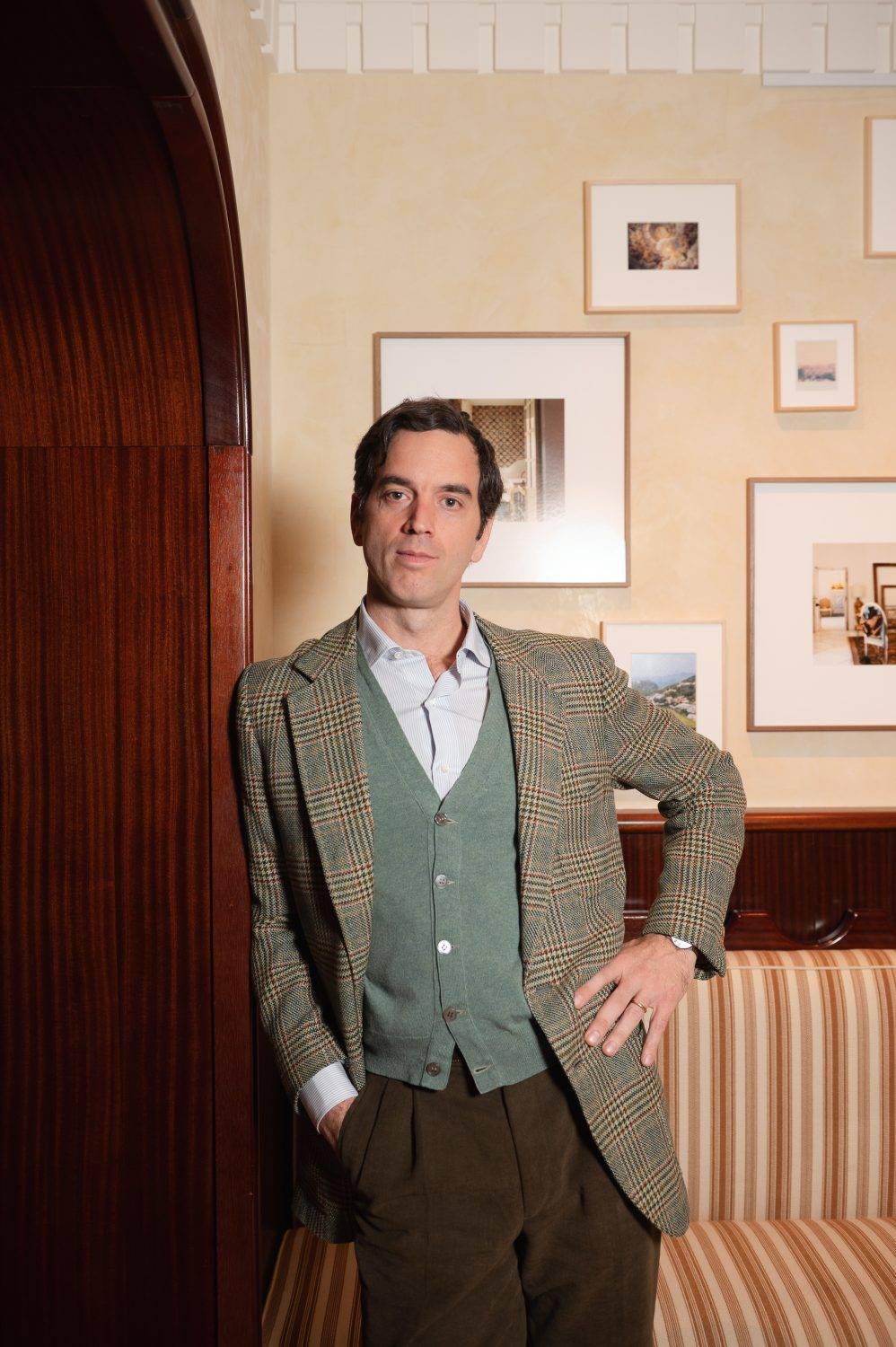
You’ve portrayed artists, remote islands, architecture and historic cities — what remains constant in your gaze, beyond the subjects?
MANFREDI GIOACCHINI
Beauty and silence. They are the fundamental keys of my visual language.
After this experience at Casa Monti, do you feel that your relationship with Italy — as a photographer and as a traveler — has changed?
MANFREDI GIOACCHINI
Coming to Casa Monti is always special. I truly feel “at home” there. I wouldn’t call it a residency, but it is certainly a place that welcomes me and makes me feel part of something.
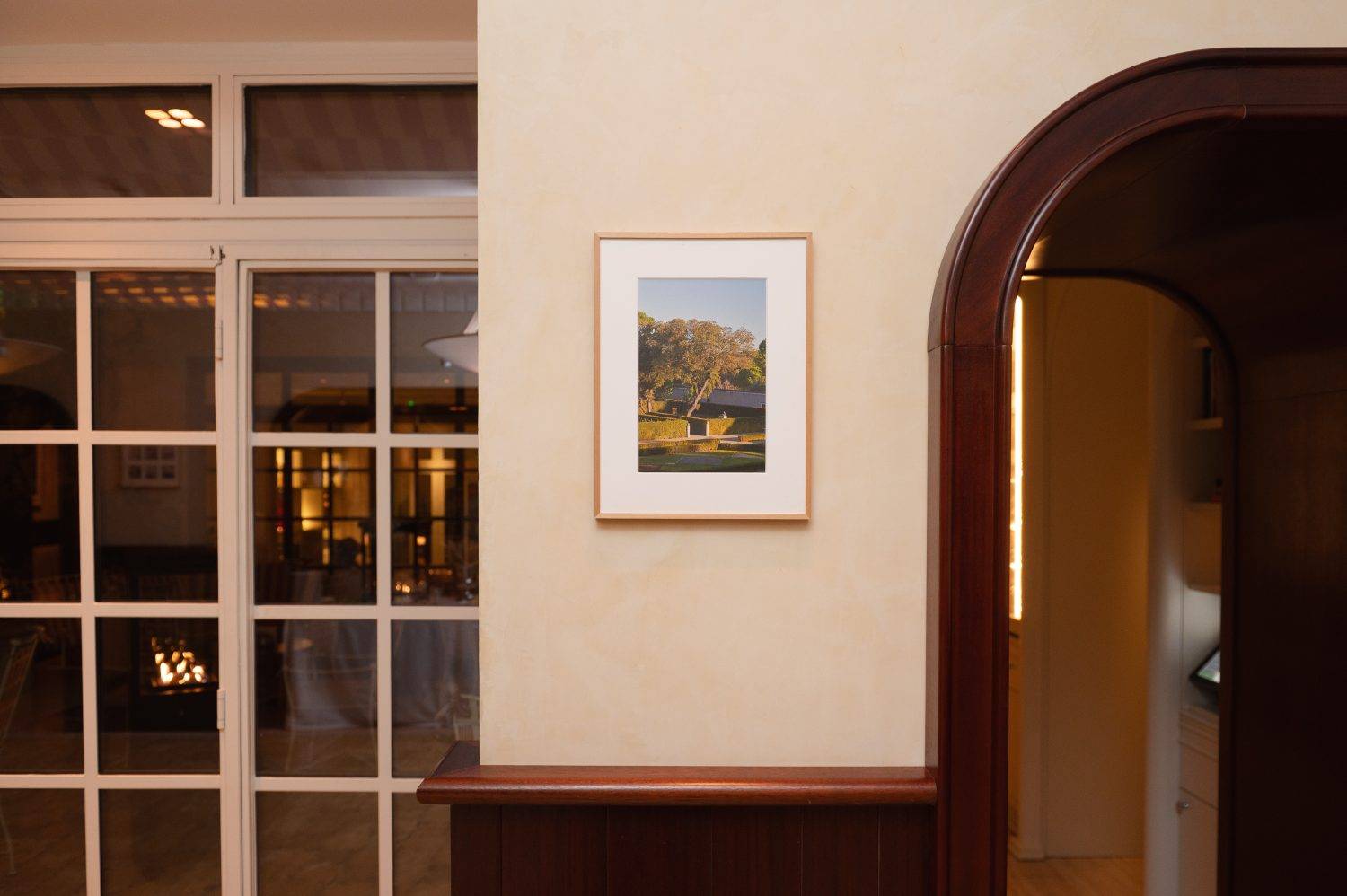
When you’re not working on a project, how does the way you look at the world change? Are you still able “not to photograph,” or does your eye remain constantly alert?
MANFREDI GIOACCHINI
When I don’t have a camera with me, I’m at rest. I can truly switch that gaze off.
Plans for 2026?
MANFREDI GIOACCHINI
For now, I have an exciting photographic project in Japan in April, and I’m working on two books to be released in 2027 — one in Italy and one in California.
Interview: Germano D’Acquisto
Portraits and installation views: Benedetta Guidantoni


