The mysterious Island of Ferdinandea Presented by Clément Cogitore at the Mucem
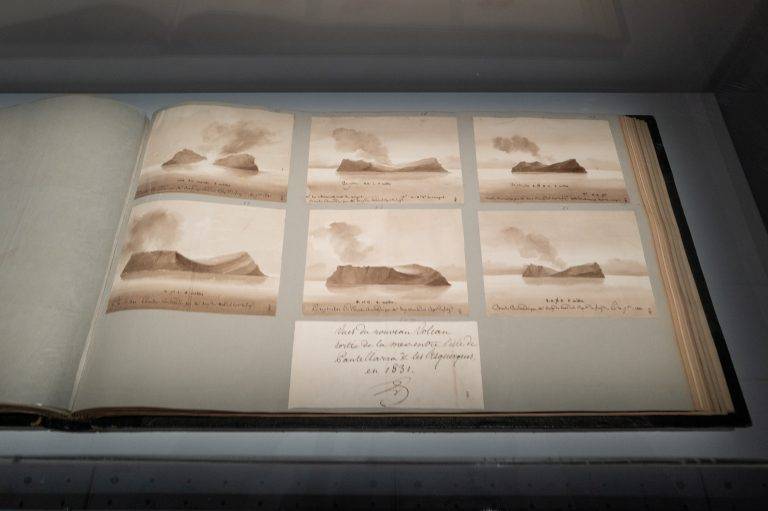
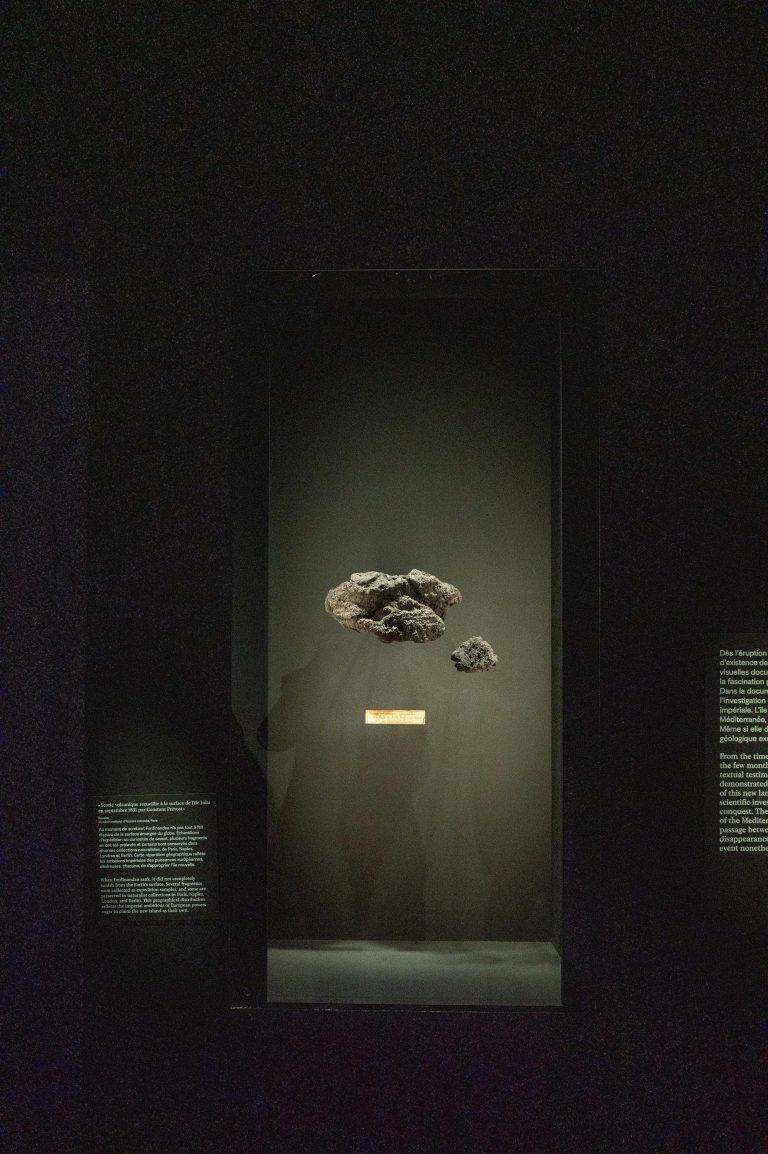
Behind this spectacular exhibition lies an age-old, unexplained phenomenon. Back in 1831, underwater volcanic activity gave rise to a new island in the Strait of Sicily across from Tunisia. This new land, seen by some as a mystical sign and by others as a strategic asset, immediately caught the attention of Great Britain, France, and the Kingdom of the Two Sicilies, who were all in the middle of a colonial race. The competition was short-lived: the island, named Ferdinandea (Sicily), Julia (France), Graham (England) or Nerita (local inhabitants), disappeared underwater barely six months after its appearance.
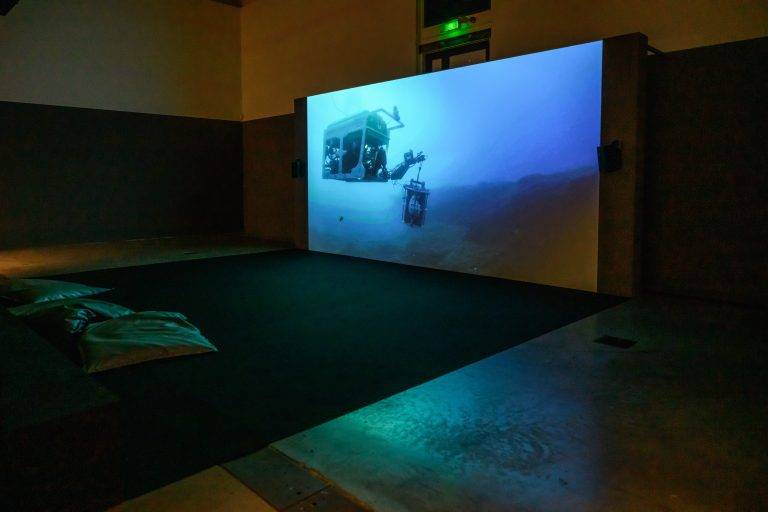
Today, the basalt rock lies six meters below the surface, closely monitored for its potential resurgence. French artist Clément Cogitore explores this island in a speculative work blending documentary and fiction, archives and scientific surveys. His exhibition, entitled “Ferdinandea, l’île éphémère” (Ferdinandea, the ephemeral island), uses this submerged utopia/dystopia as a starting point to reflect on our relationship with the world and future possibilities. Featuring some forty works and archival documents, the exhibition also includes seven works by Cogitore recently acquired by the Mucem, which are being shown in France for the first time.
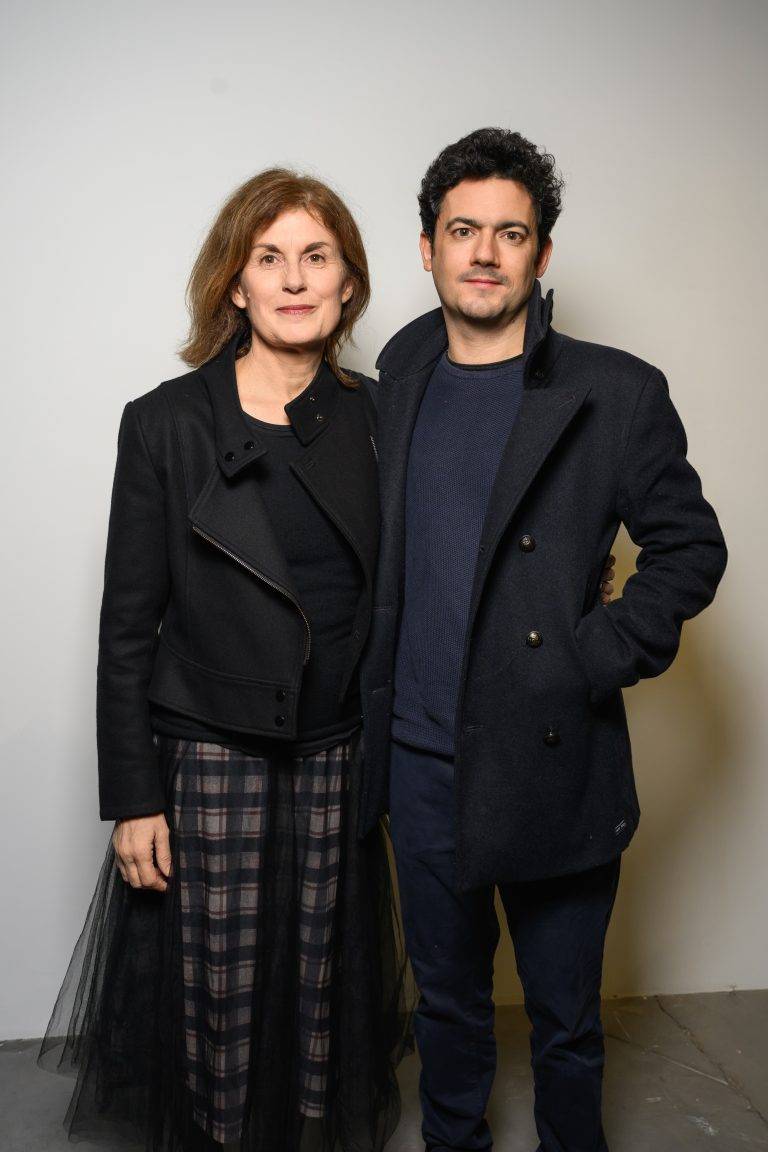
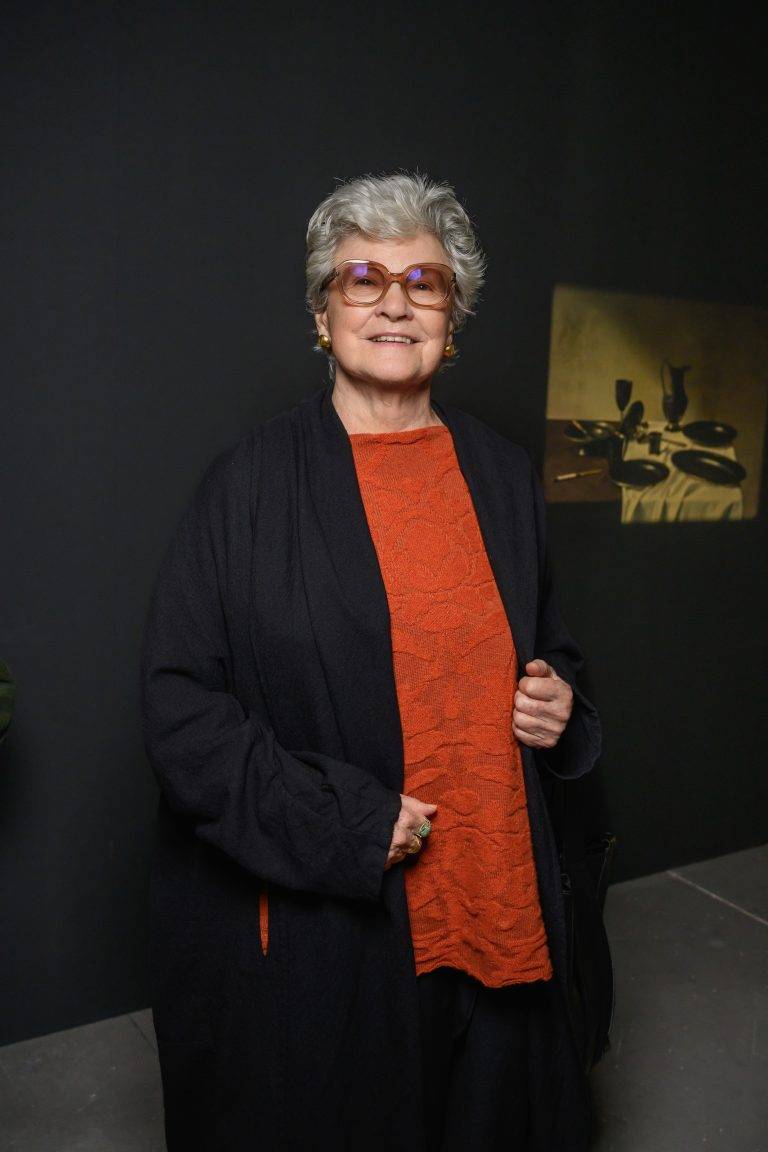
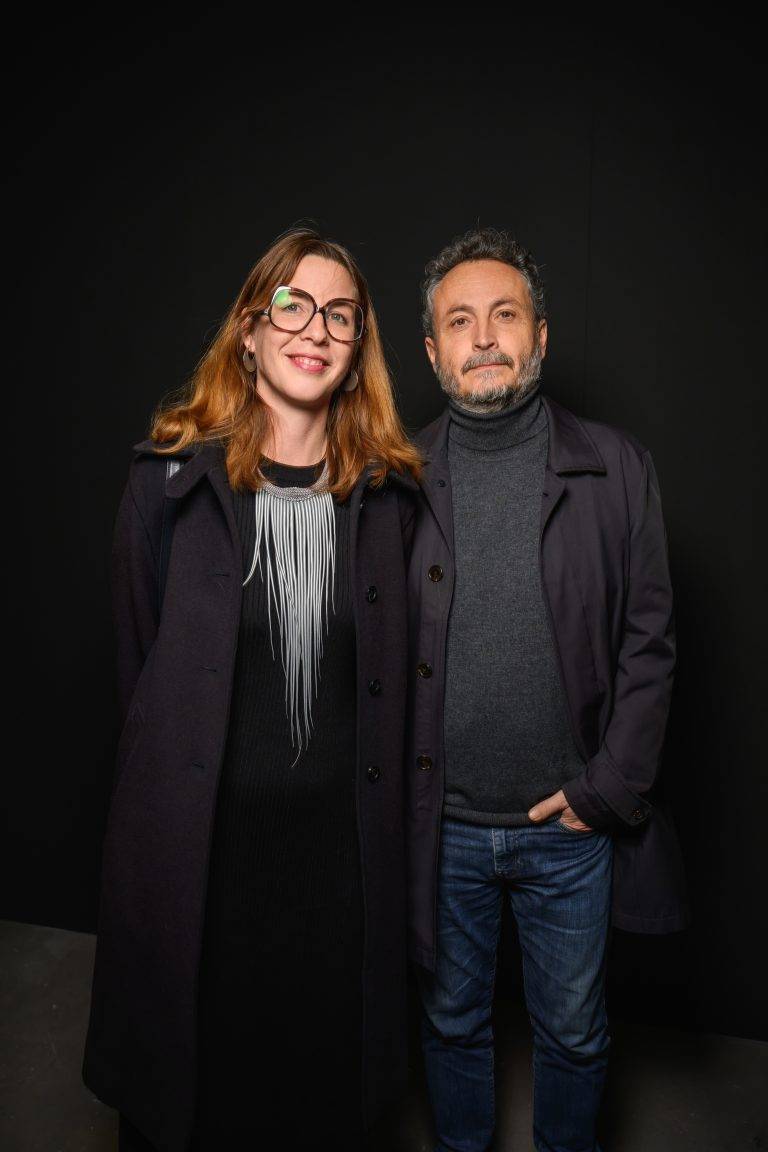
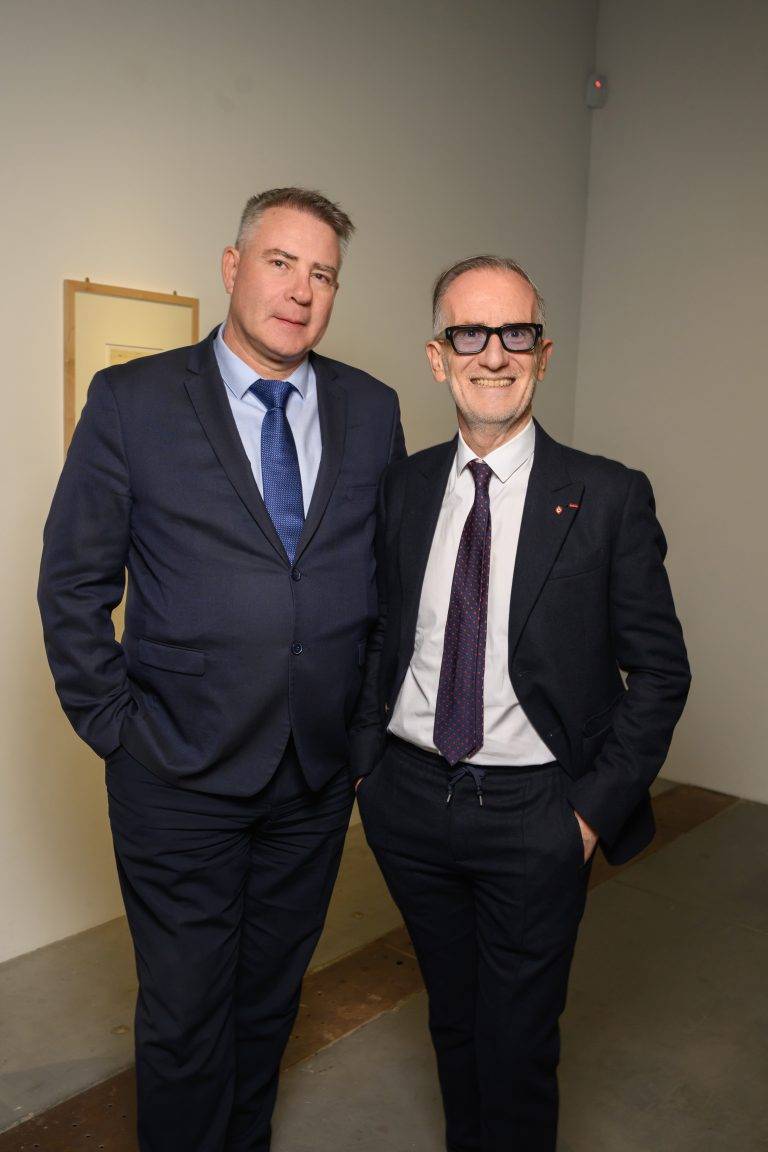
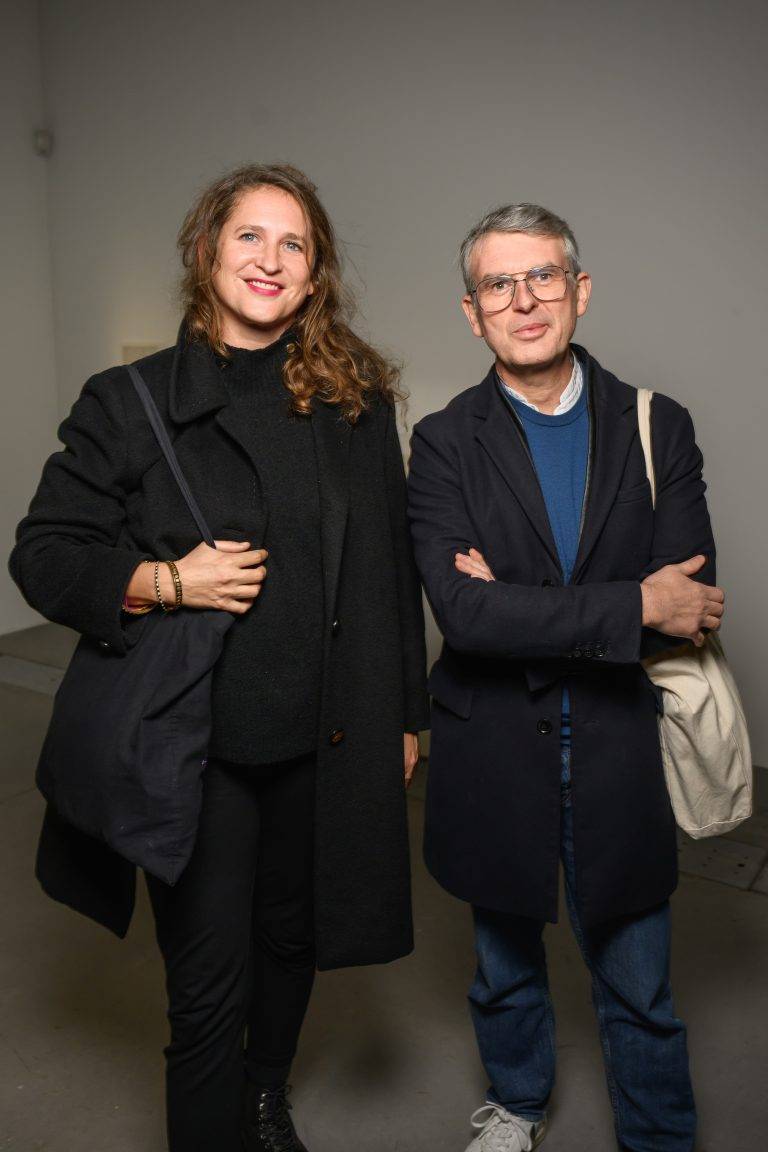
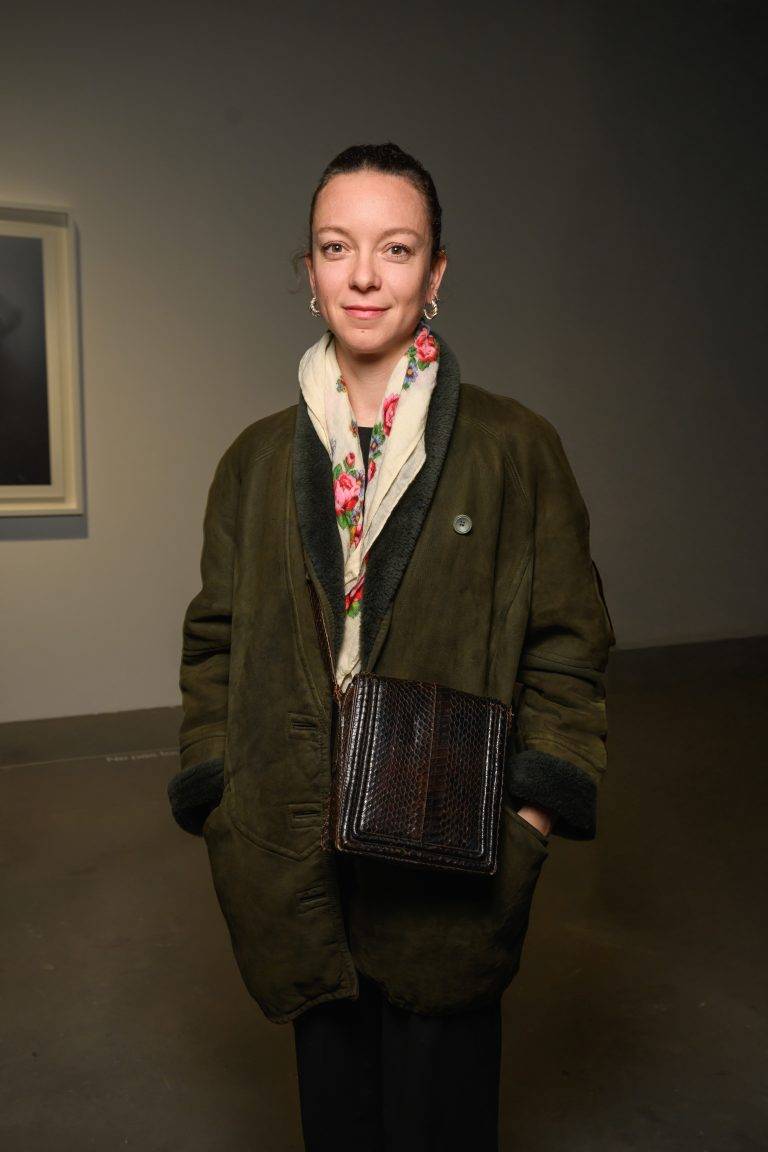
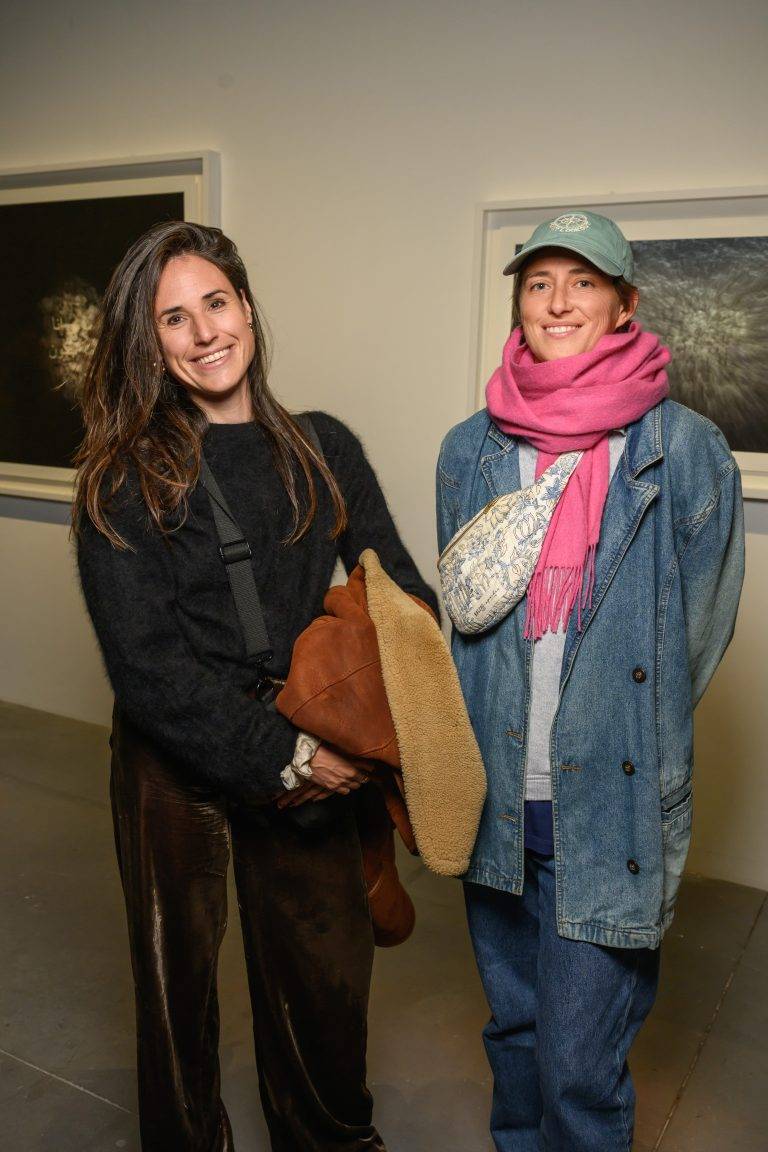
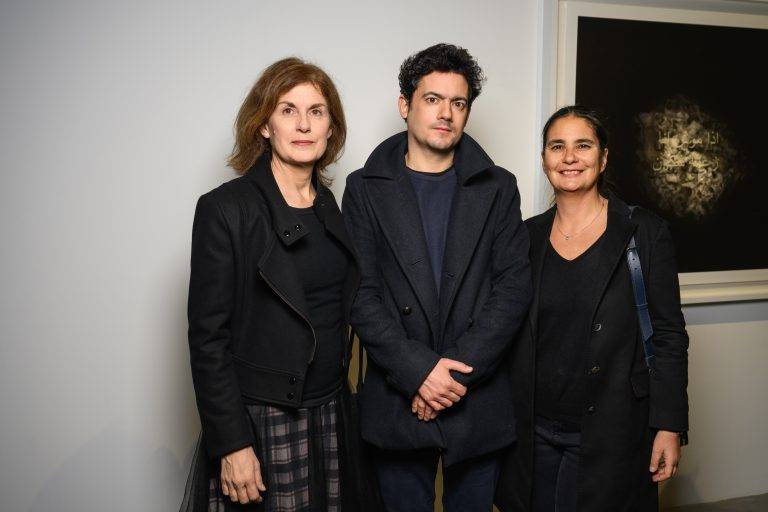
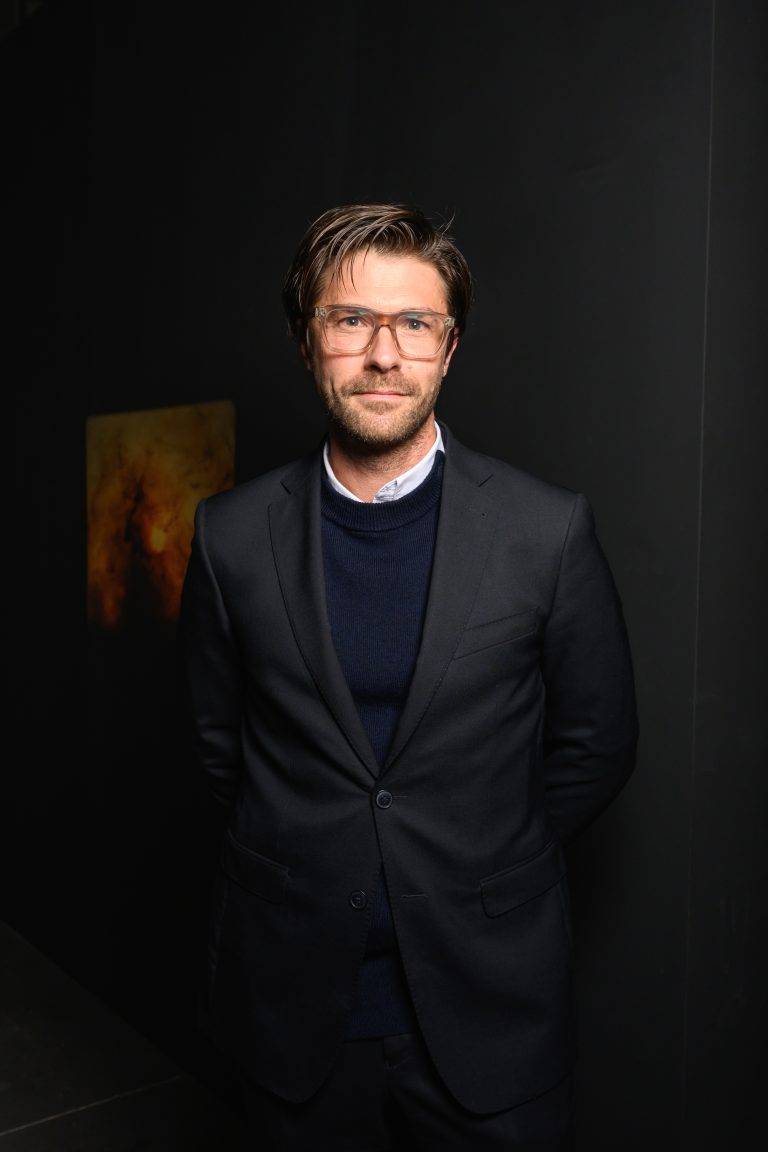
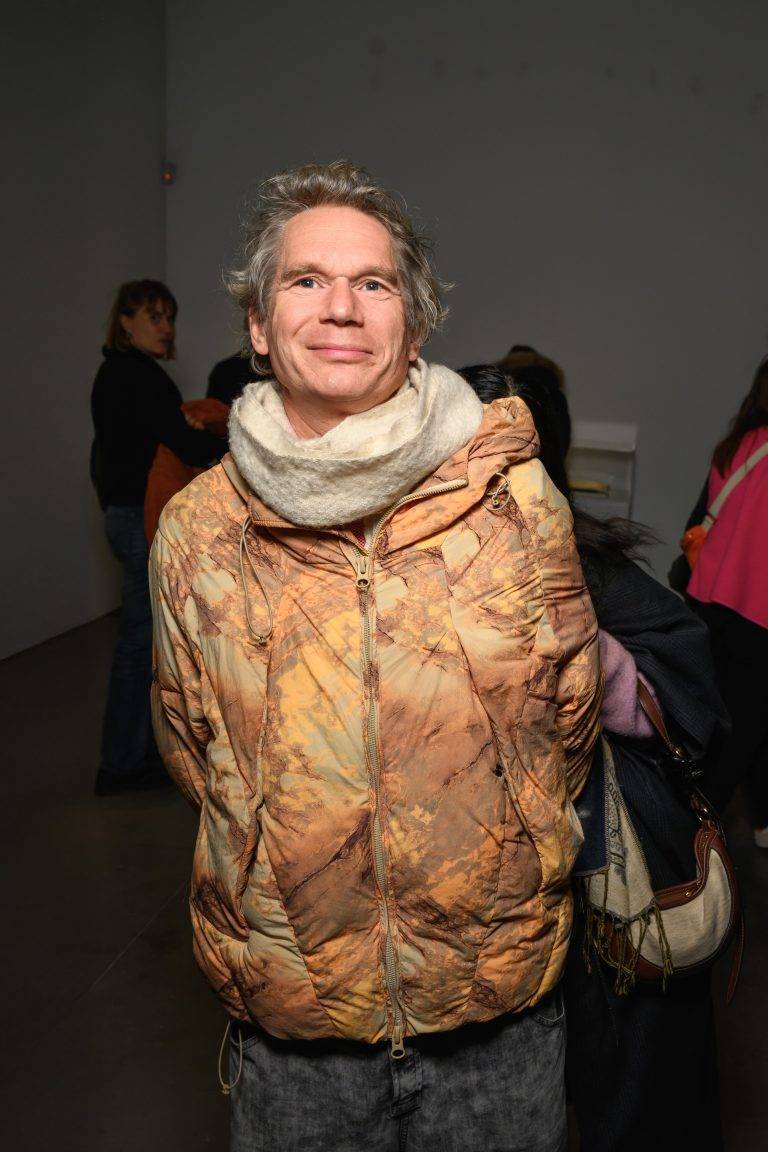
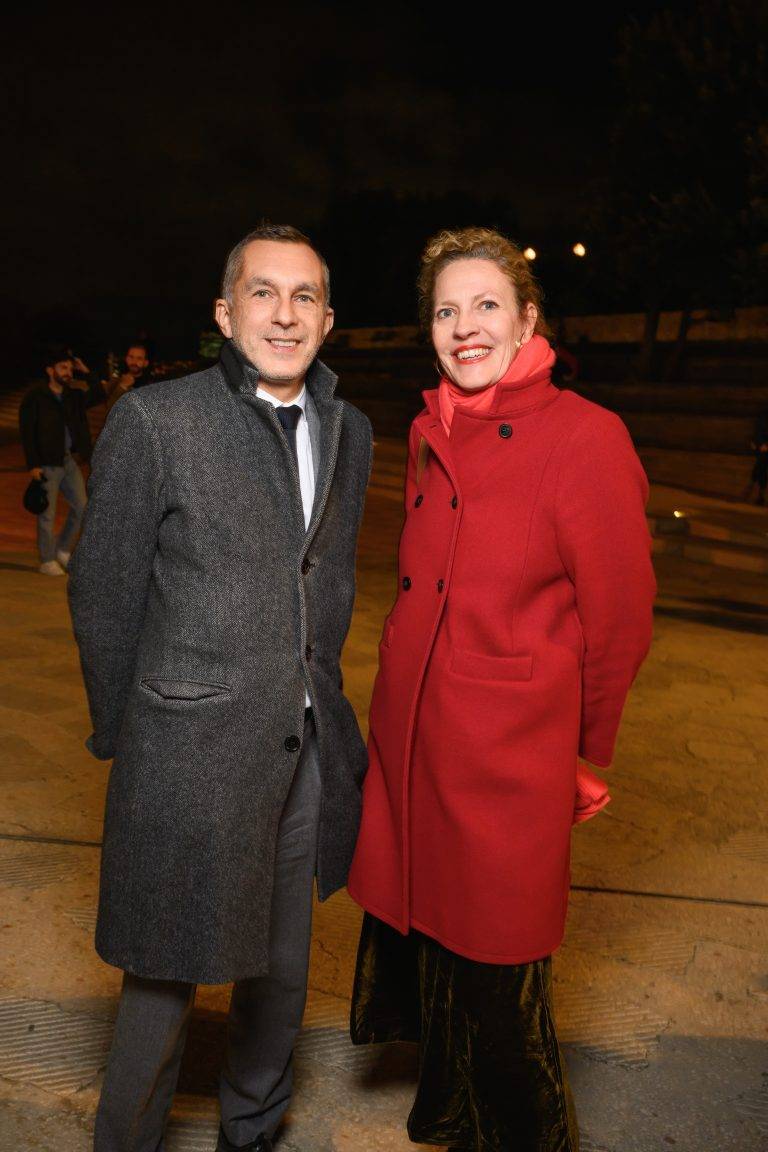
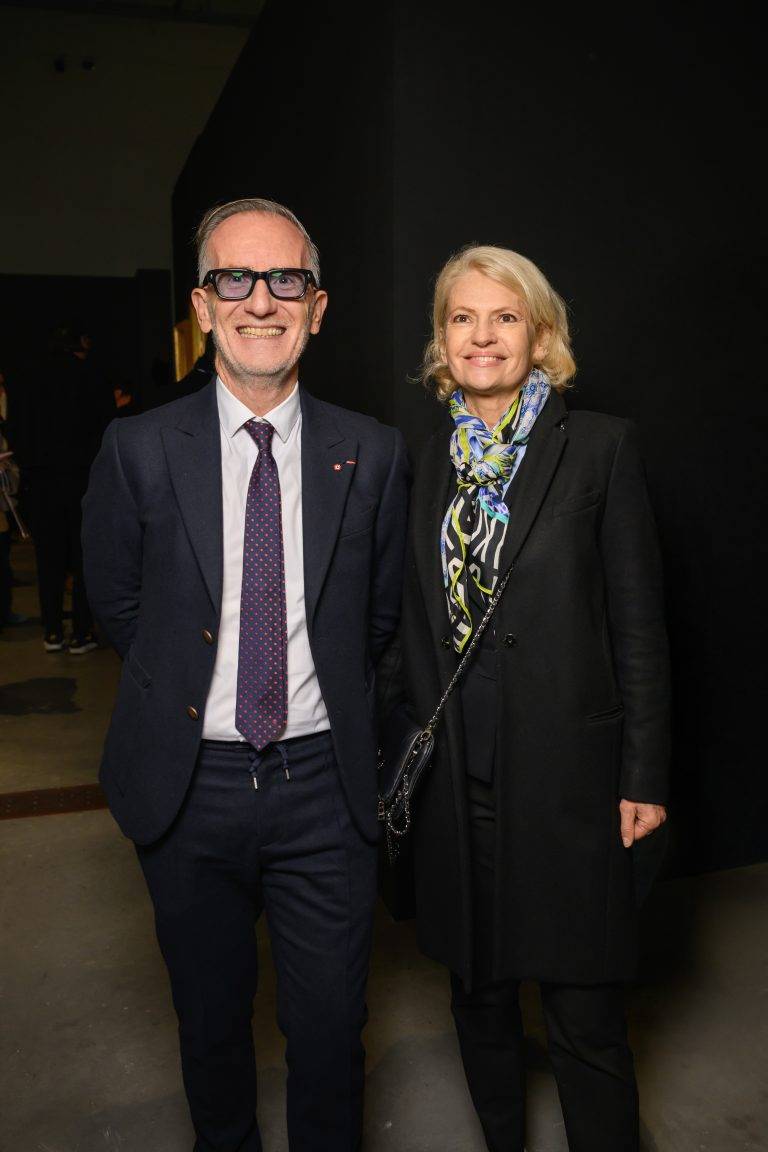
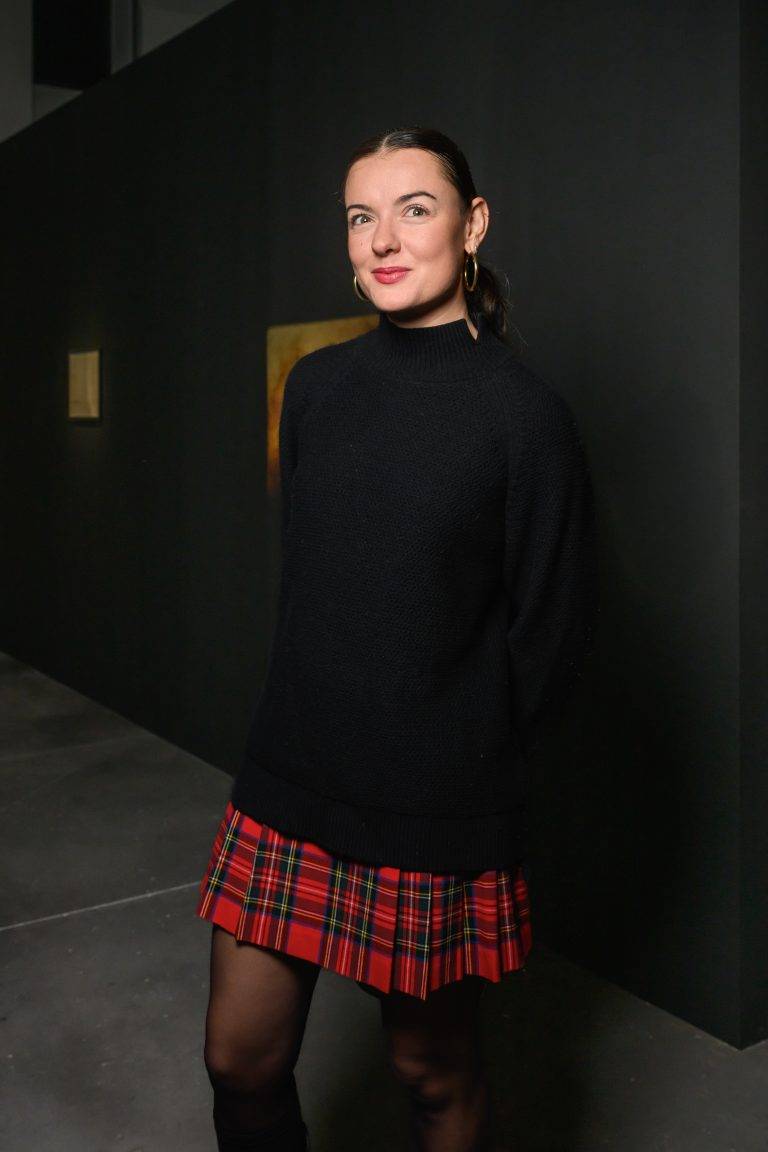
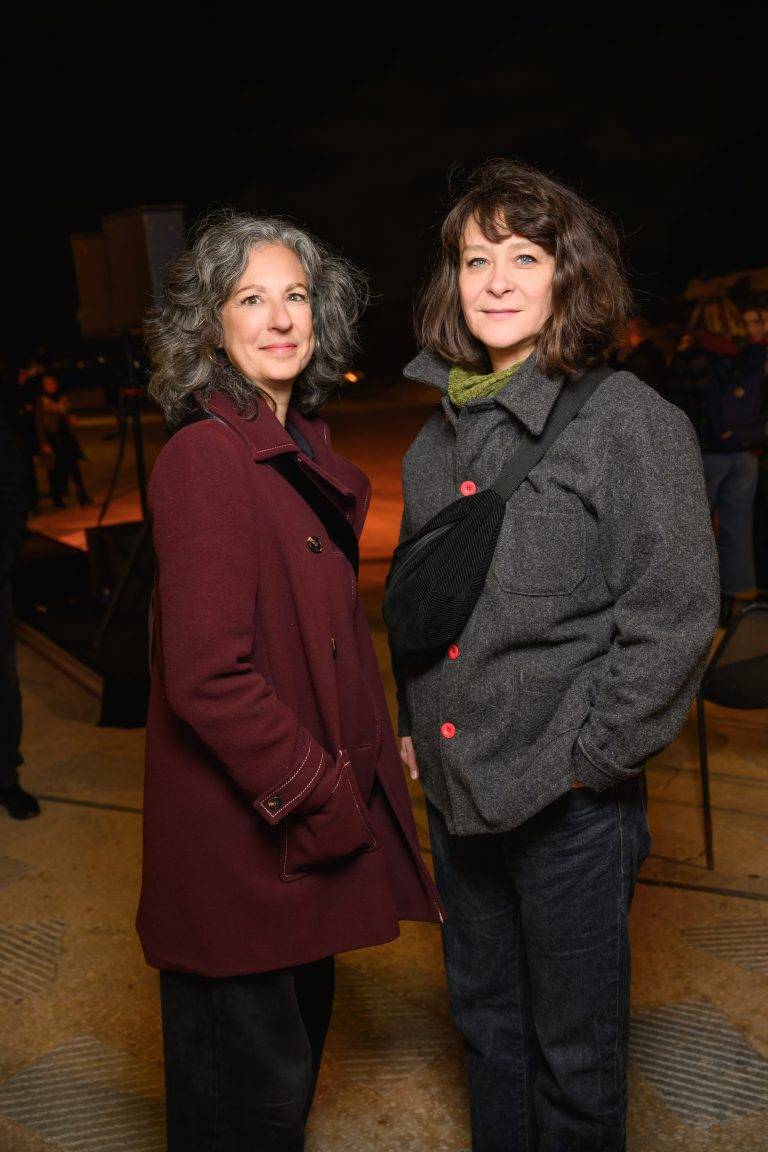
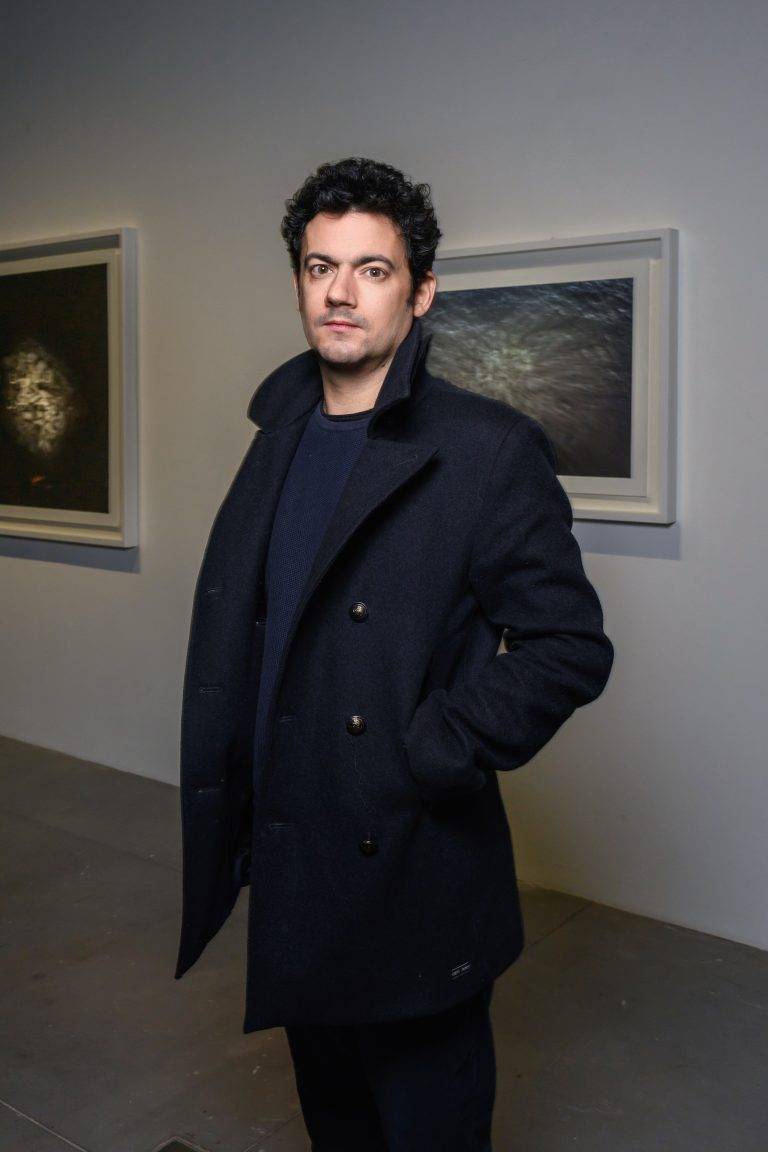
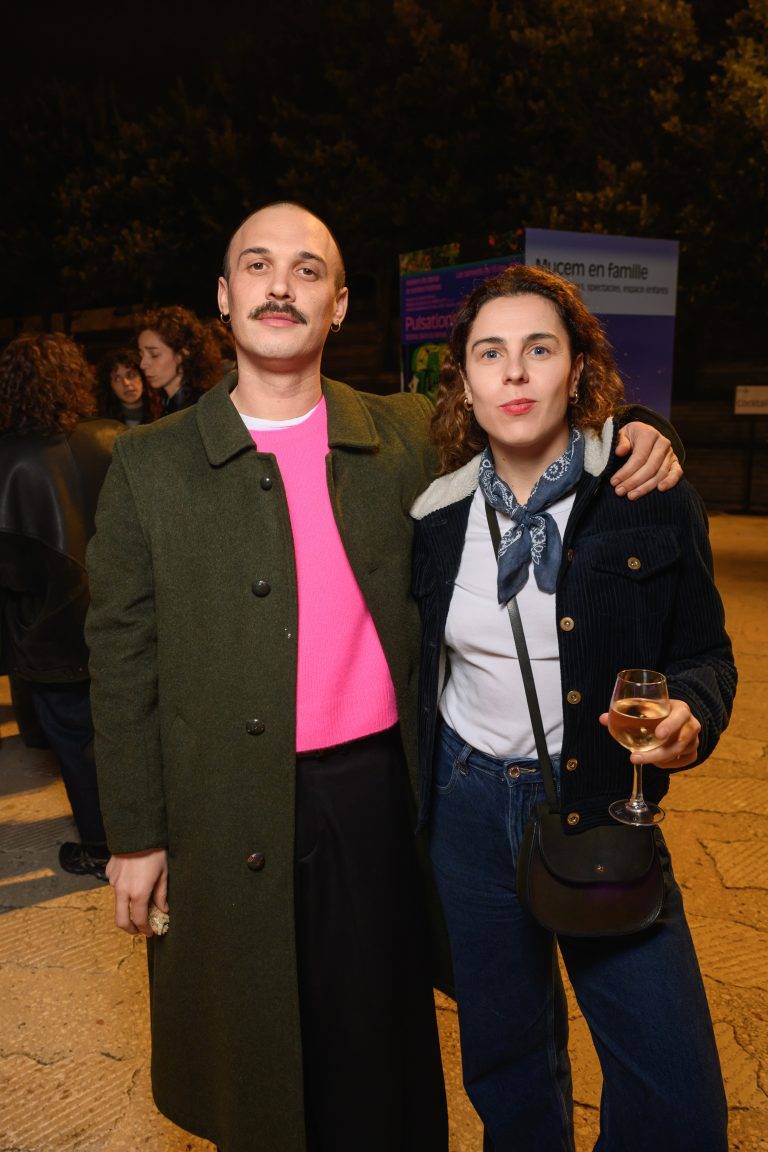
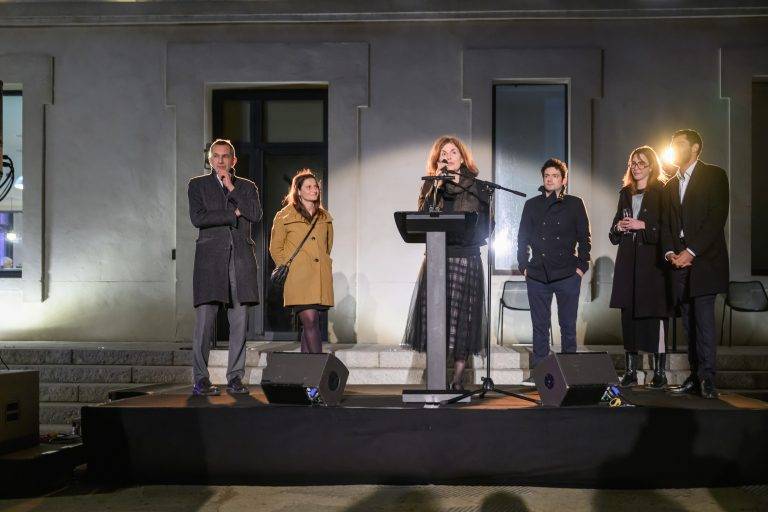
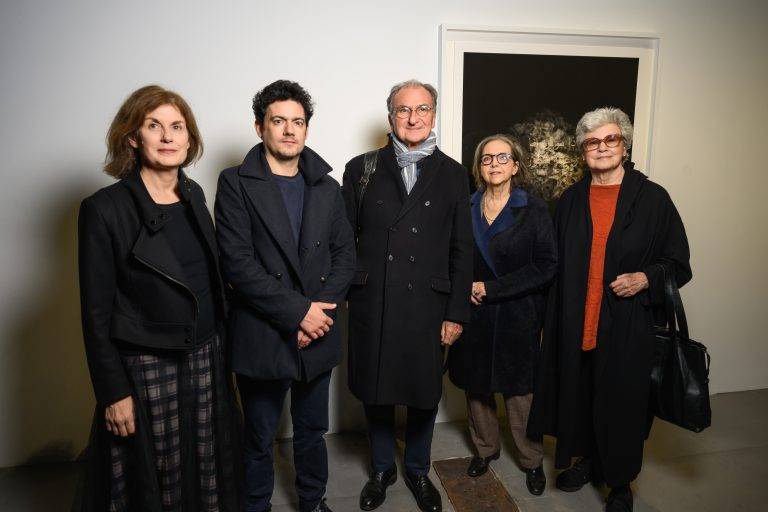
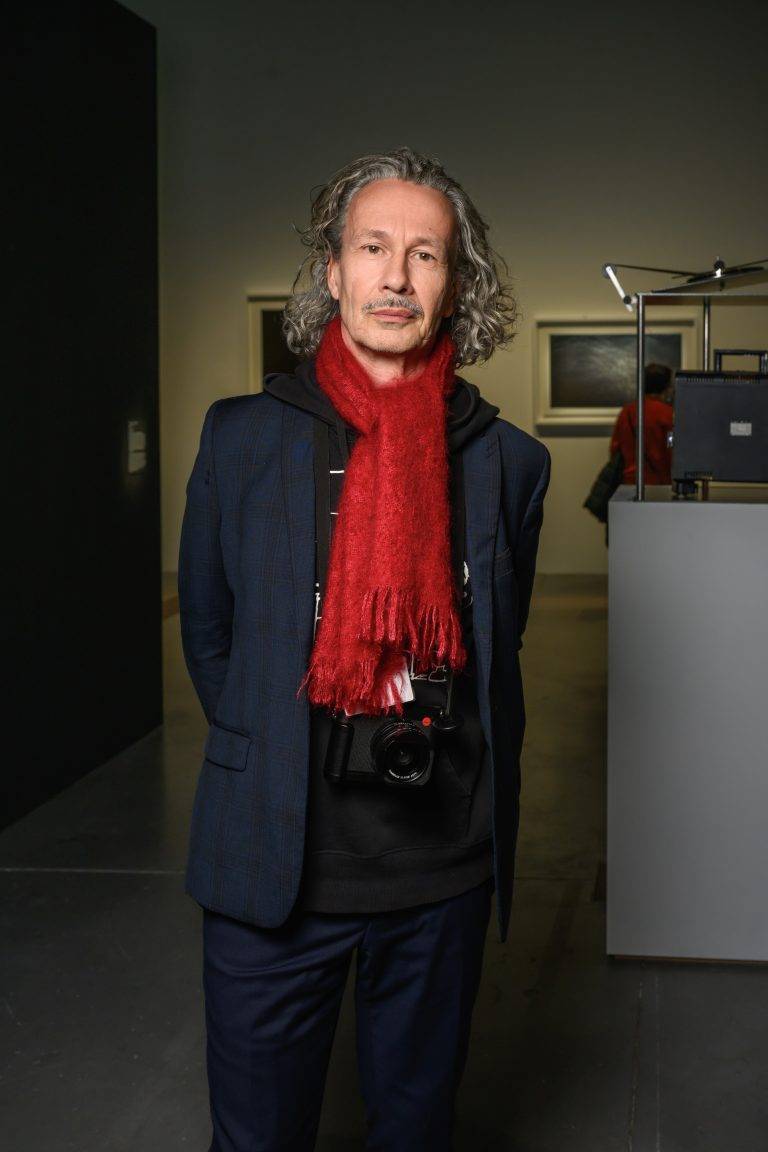
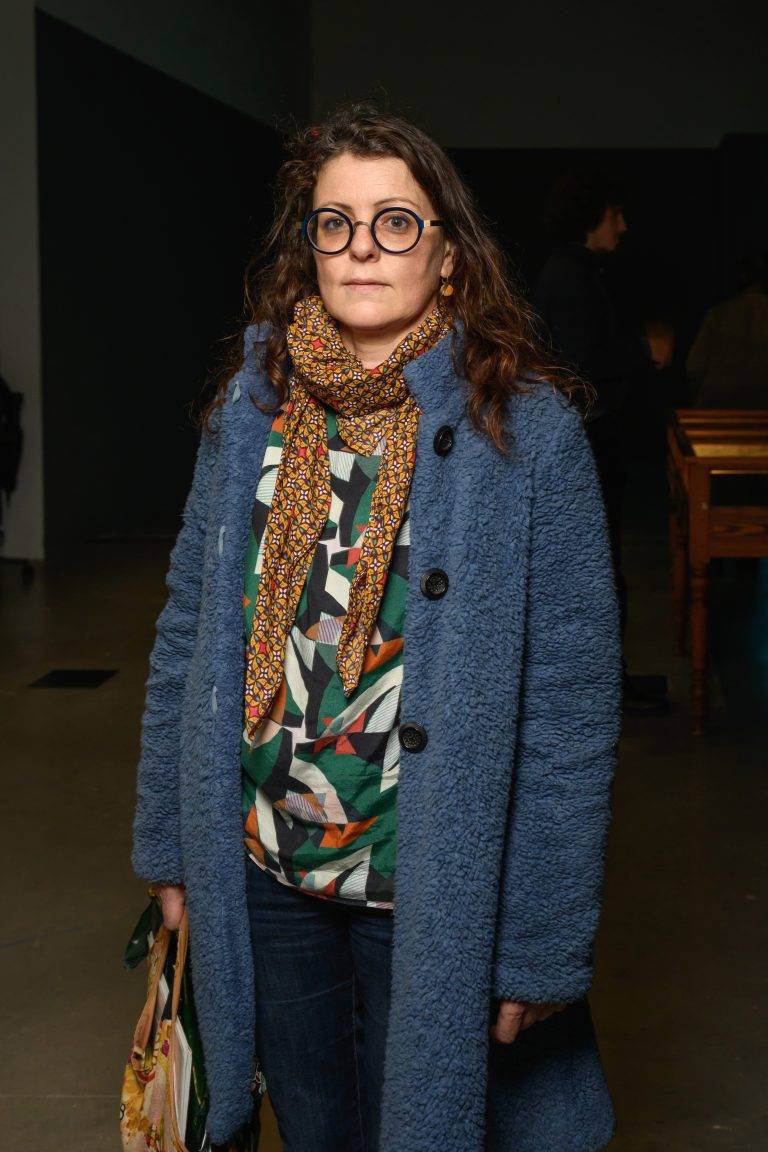
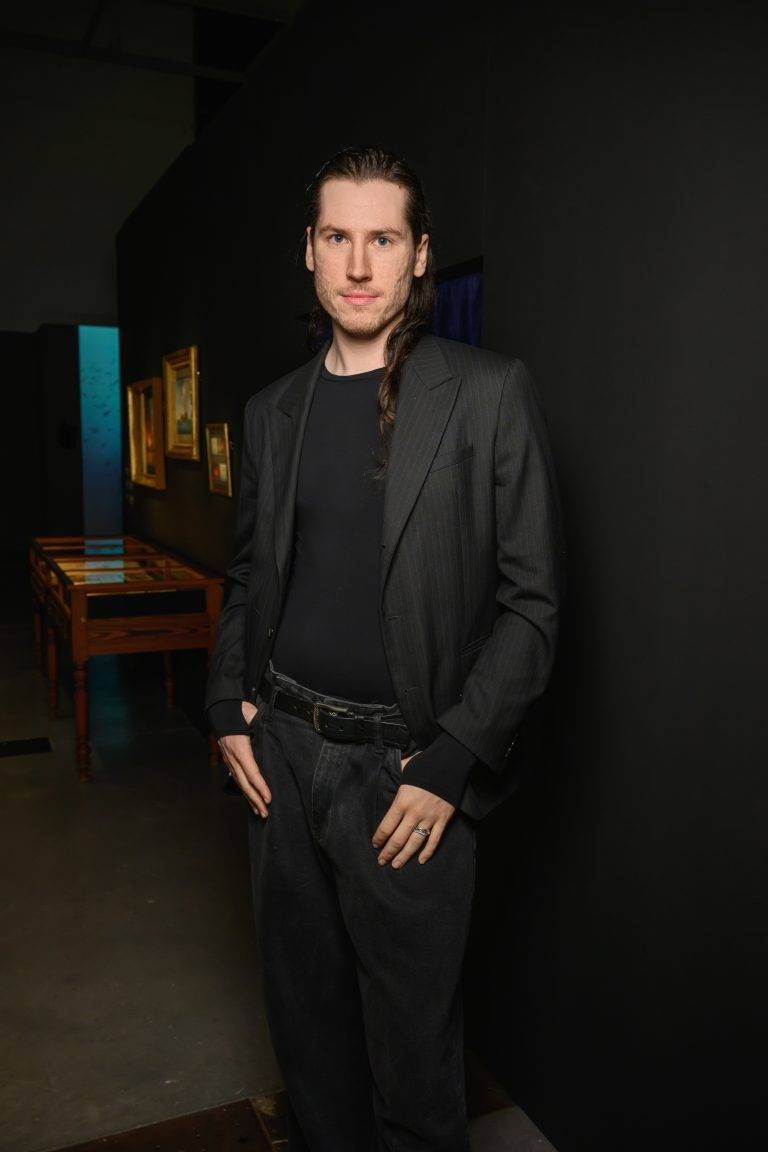
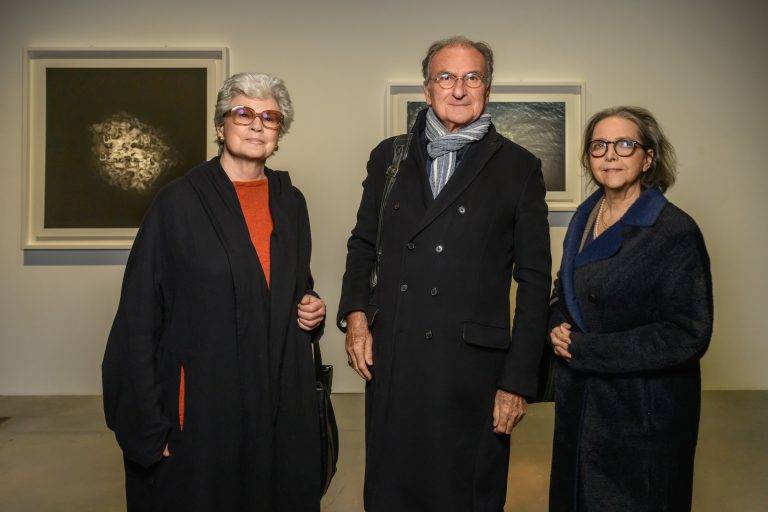
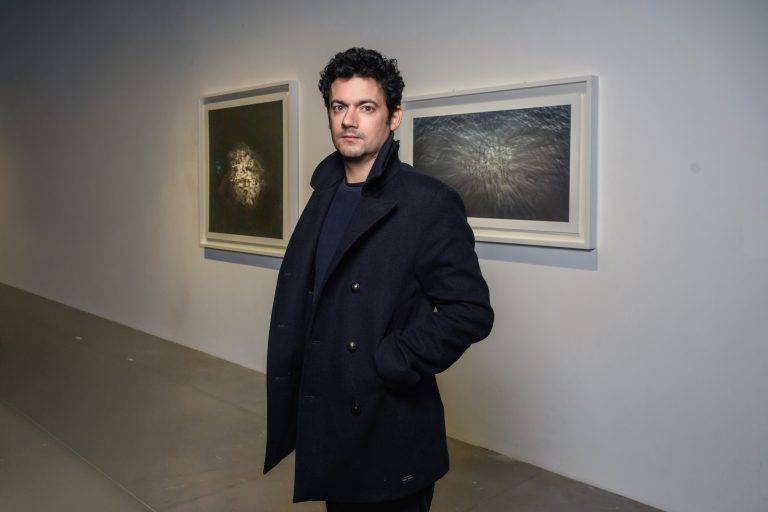
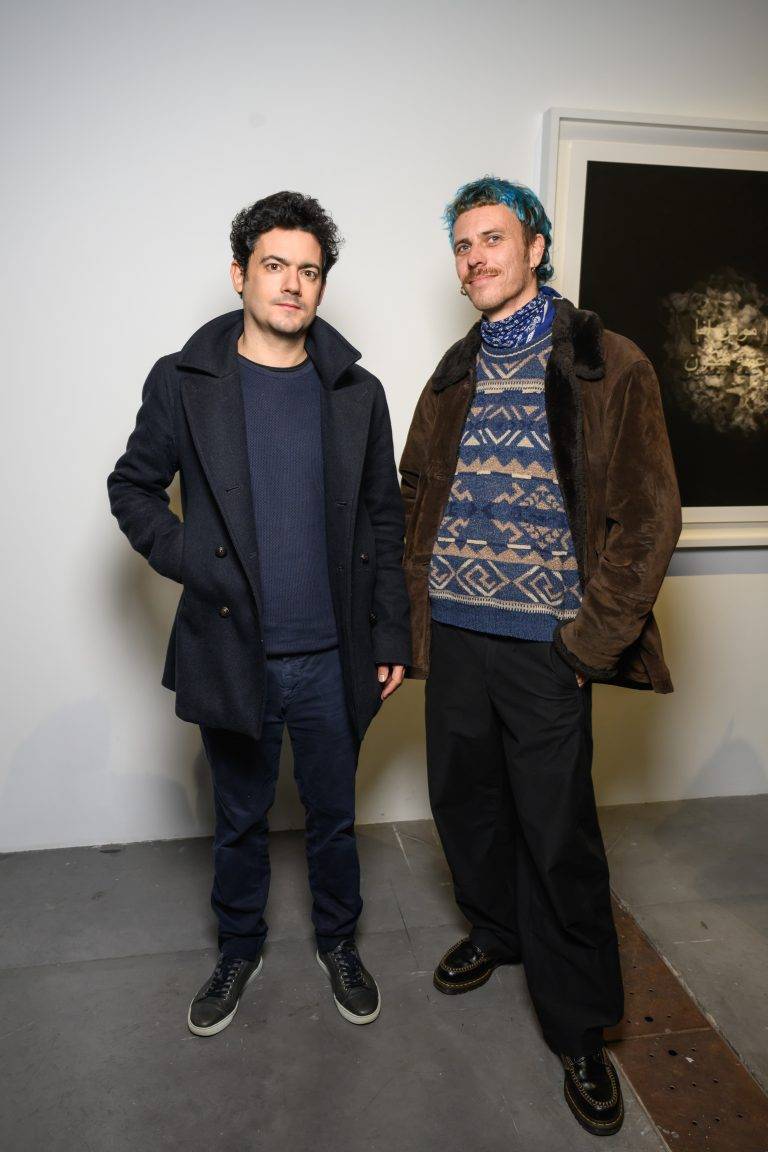
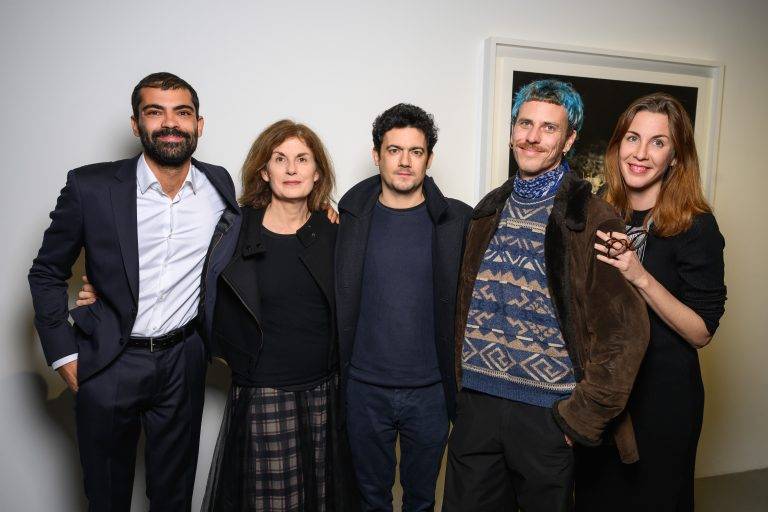
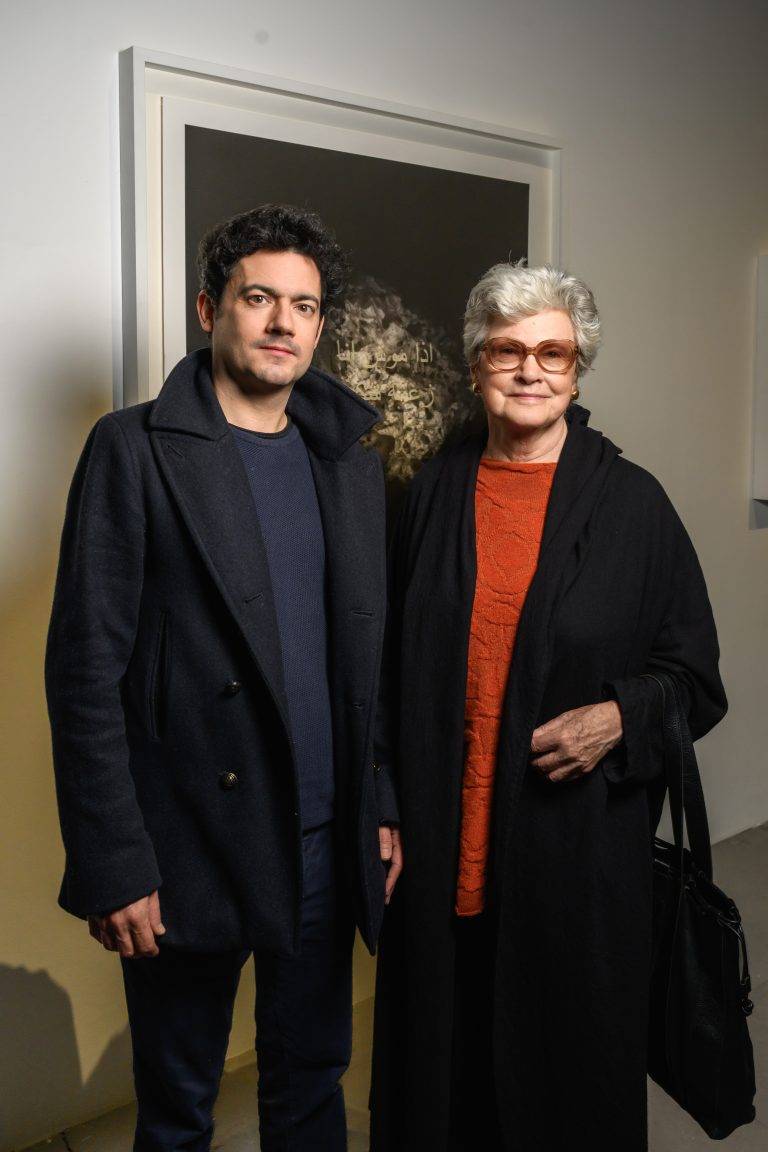
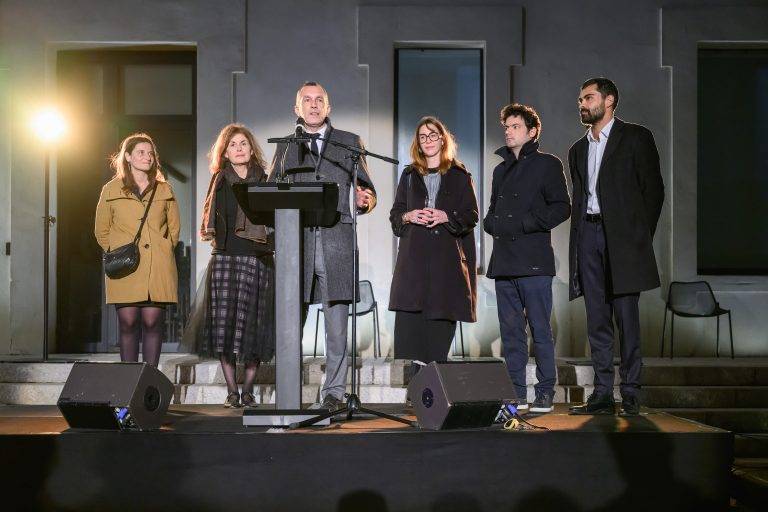
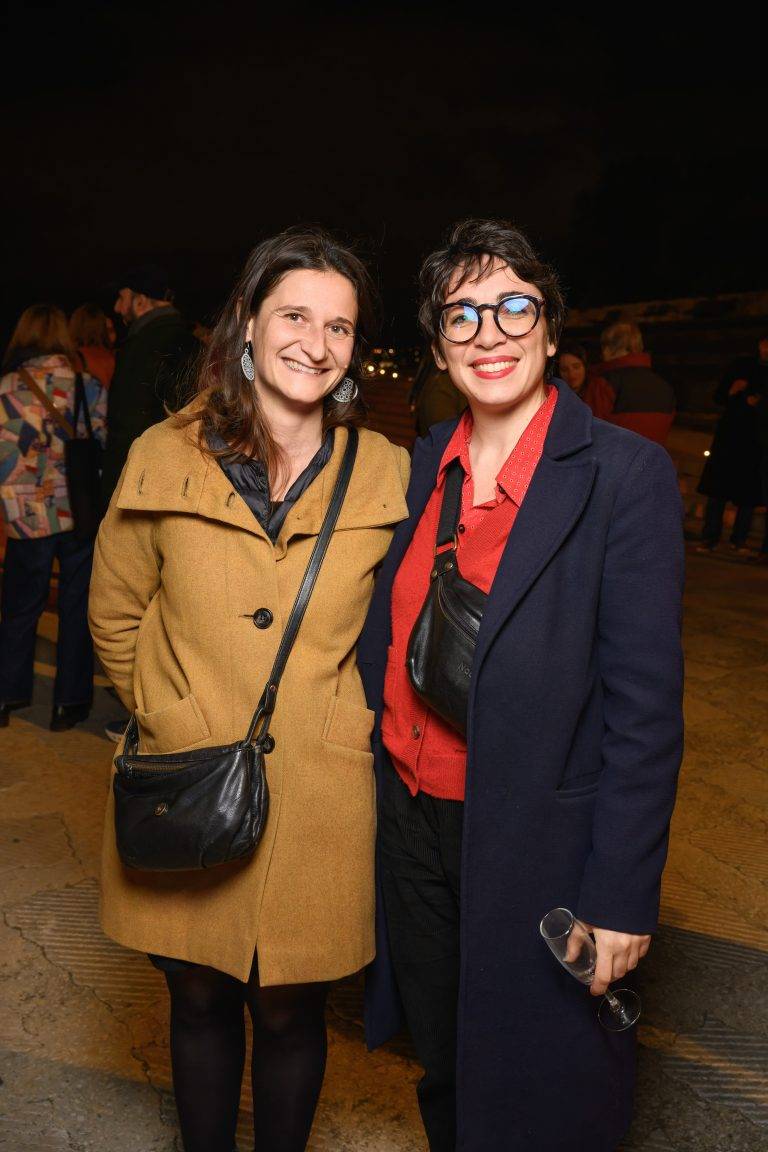
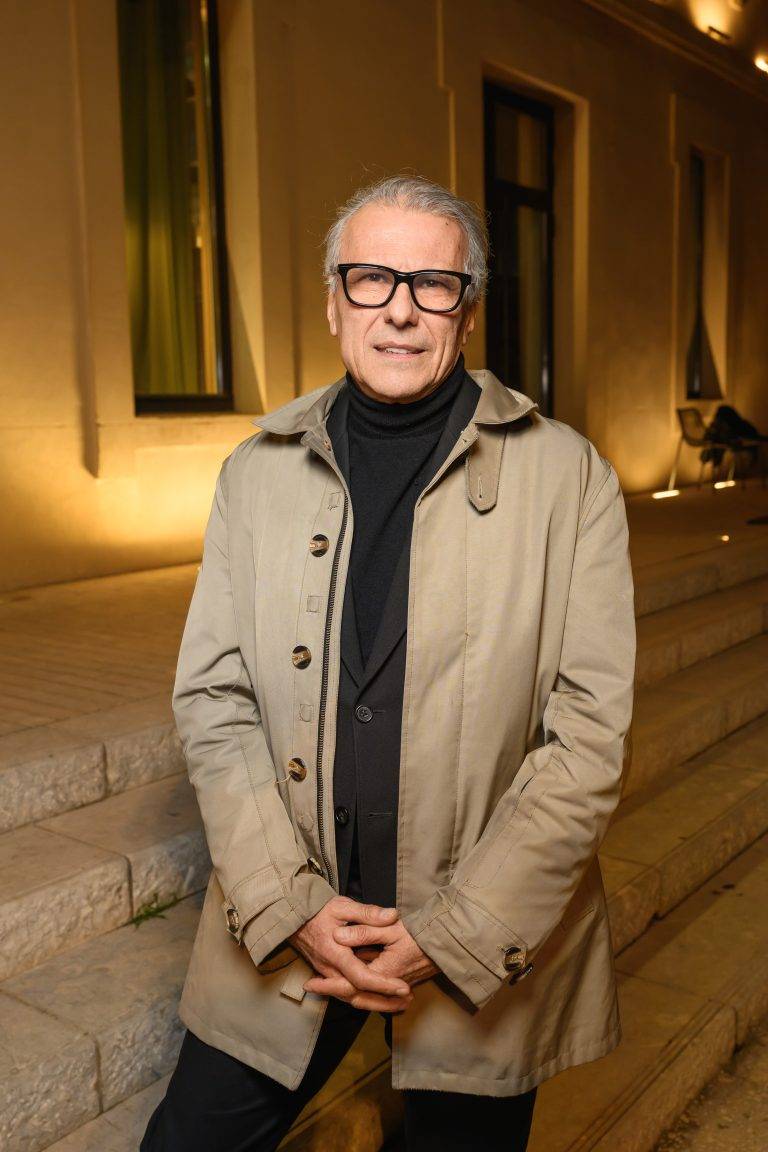
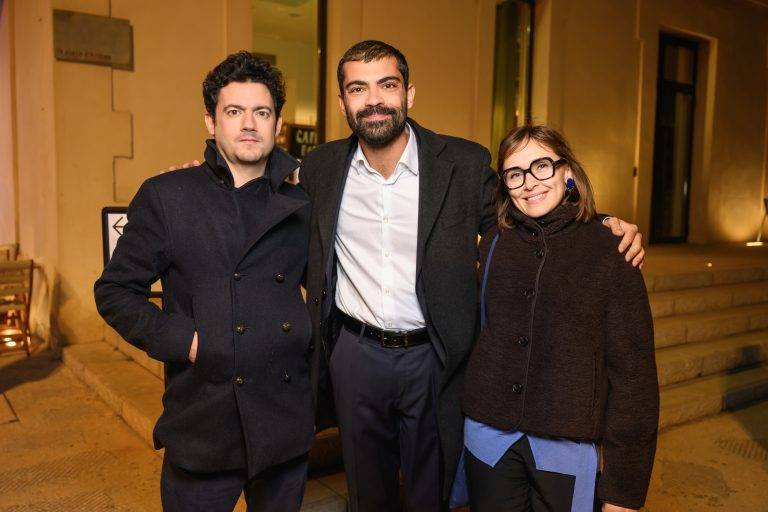
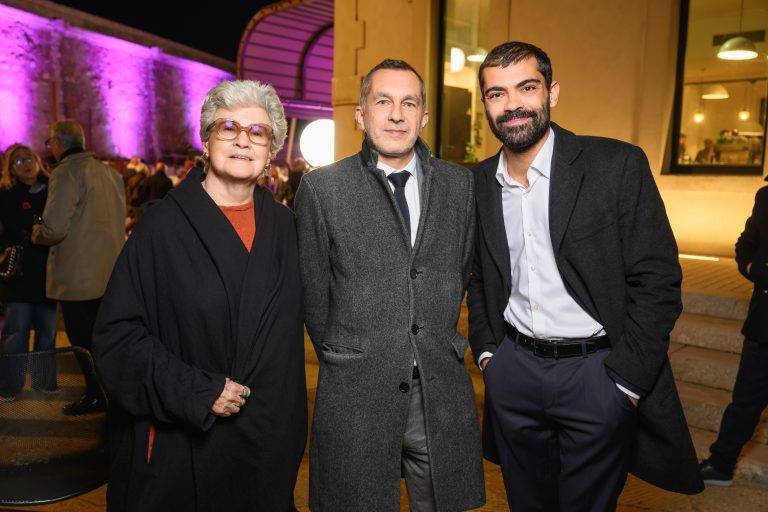
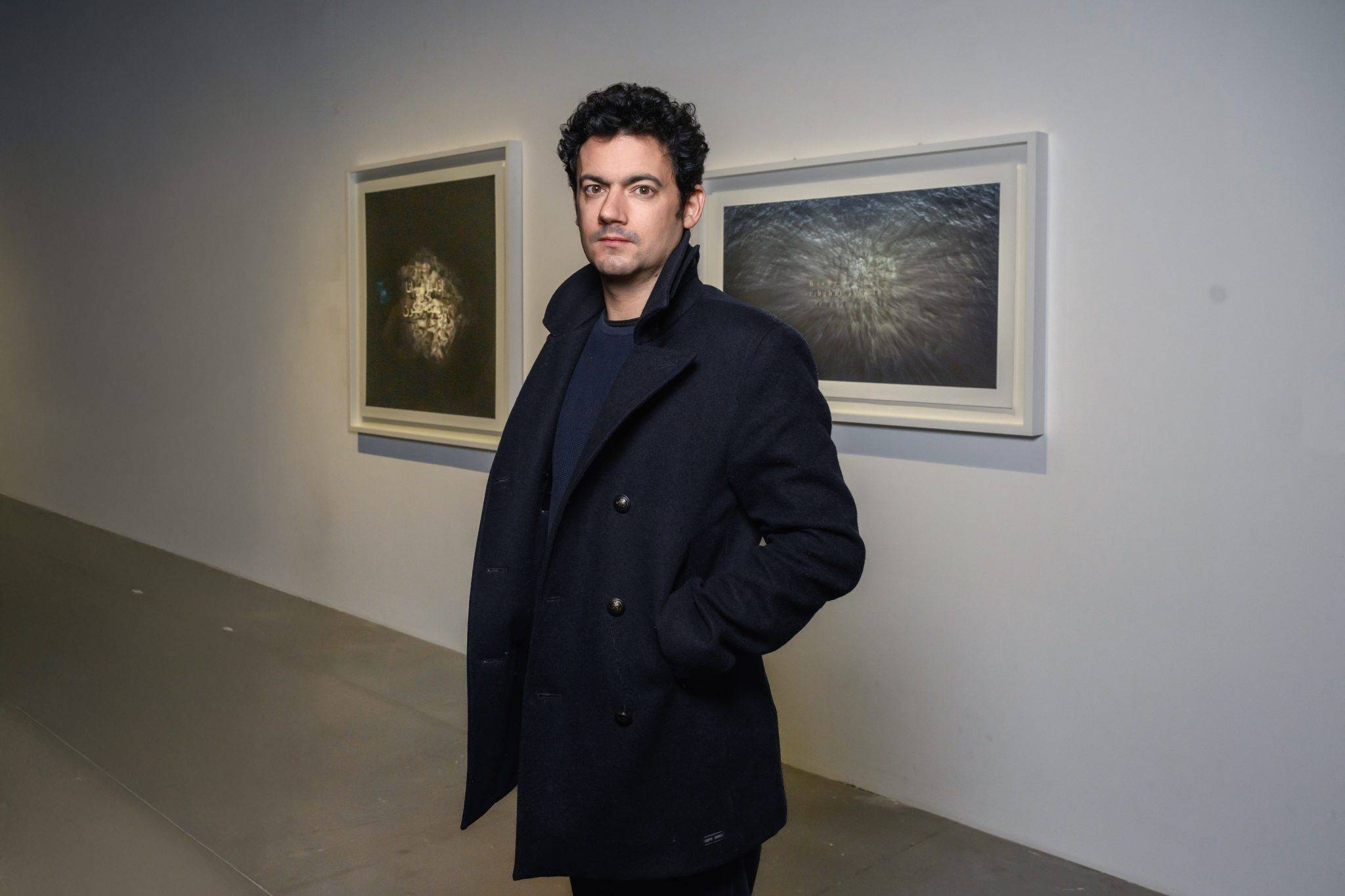
At the exhibition opening, we met the artist Clément Cogitore, alongside curators Kathryn Weir and Hélia Paukner, as well as Benjamin Saint-Maxent, Chantal Crousel, and many others.
Photos : Michael Huard