Seletti Redesigns Christmas: Where Visionary Pop, Kitsch Icons, and Pure Wonder Collide
In Seletti’s store on Corso Garibaldi, in the heart of Milan, the very idea of a “gift” seems to explode into a carnival of colors, mutating objects, and symbols bouncing between pop, sacred, ironic, and delightfully offbeat. After all, Seletti doesn’t just sell products: it stages micro-worlds, visual short circuits where everyday life — the kind that usually drifts anonymously between mugs and bedside lamps — gets jolted awake, as if it had just downed a double espresso with contemporary art.
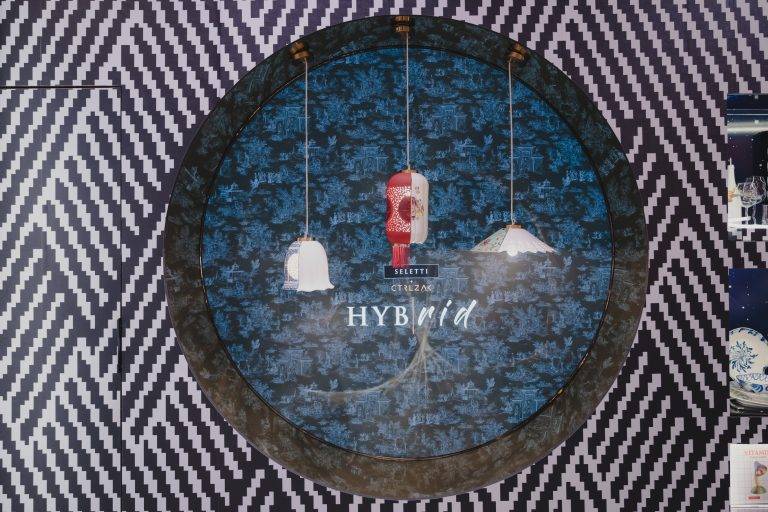
For the 2025 Holiday Season, the brand arrives armed with fresh creations: long-standing collaborations reborn, new creative flirts, incursions into l’art de la table, and lamps that look as though they walked straight out of a postmodern dream.
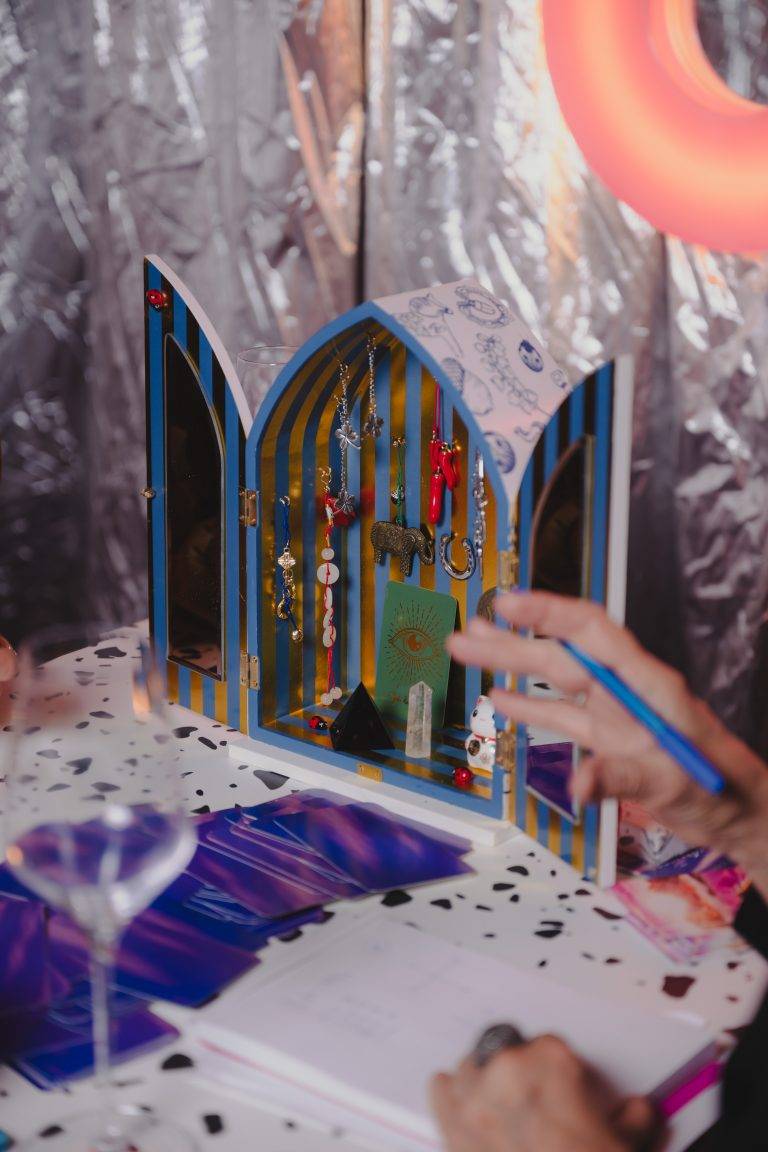
The beating heart of the new collection is Lucky Temple, a piece by Antar Elena Borghi: a portable altar seemingly conceived by an anthropologist with a sense of humor. It’s a pocket-sized temple of global syncretism, where the Neapolitan cornetto lives alongside the Maneki Neko, the four-leaf clover chats with Ganesha. It’s not just an object that brings good luck: it promises it, winks at it, theatrically performs it. Lucky Temple is a manifesto for what Seletti does better than anyone else: taking the world’s superstitions and turning them into a pop object halfway between ritual and laughter.
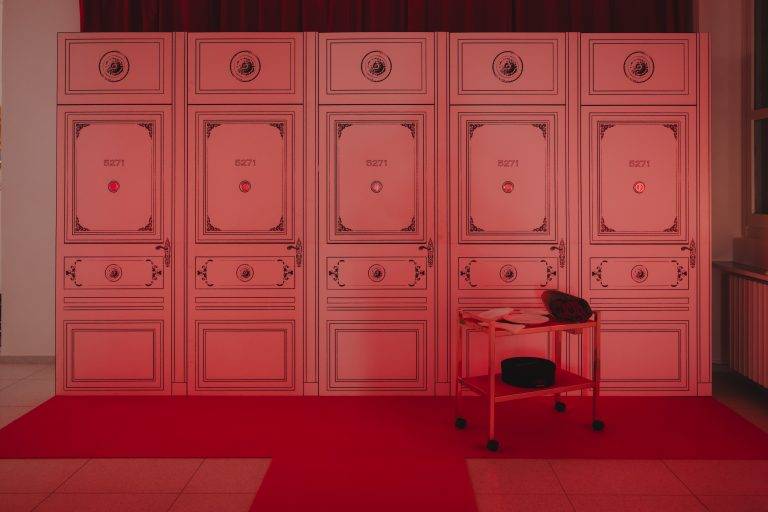
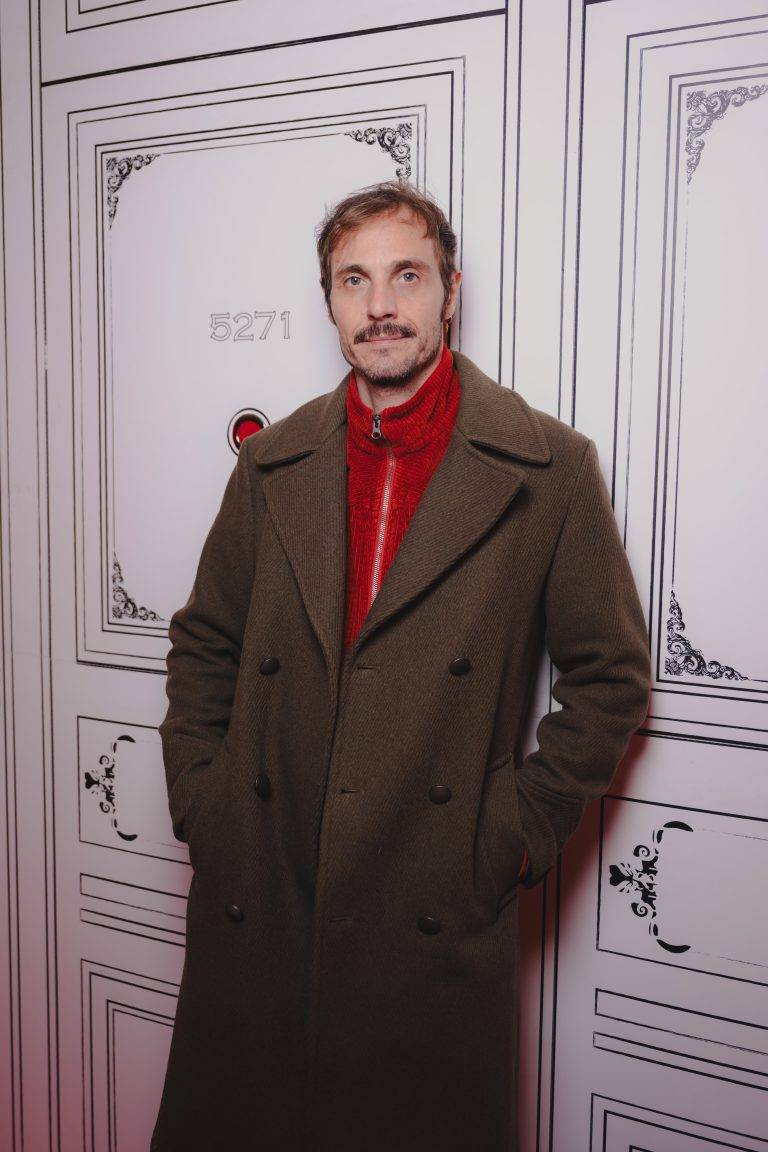
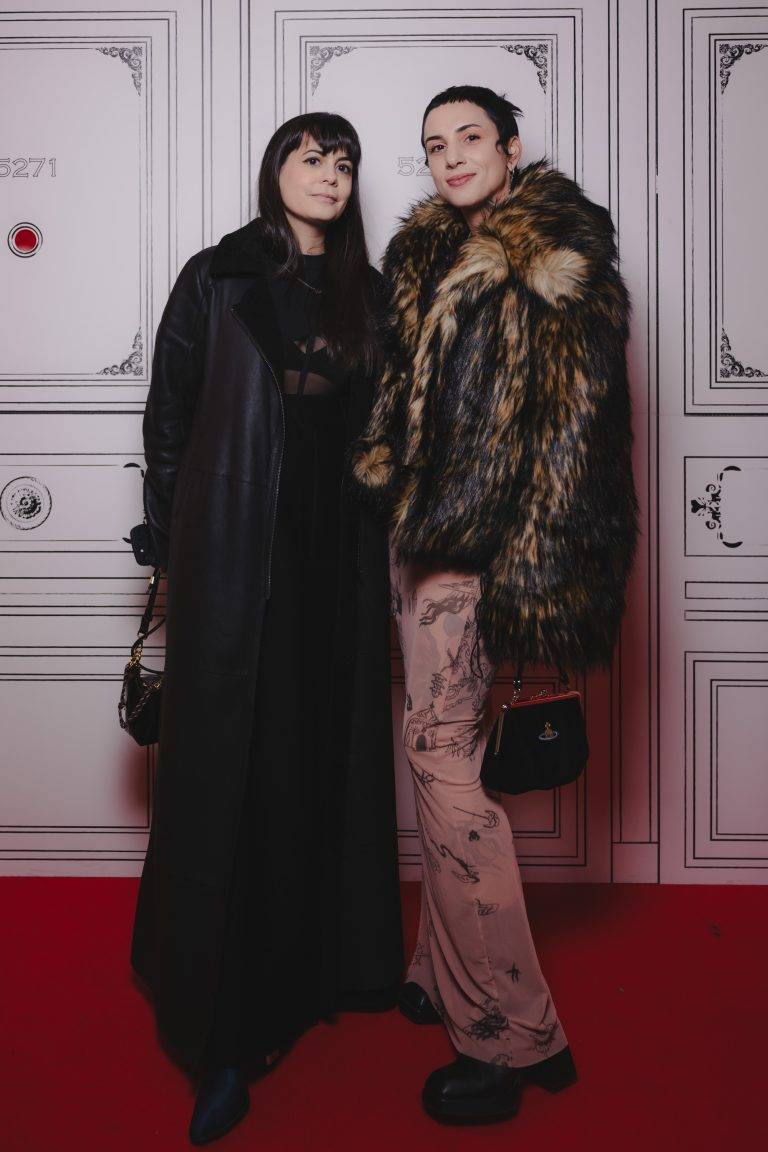
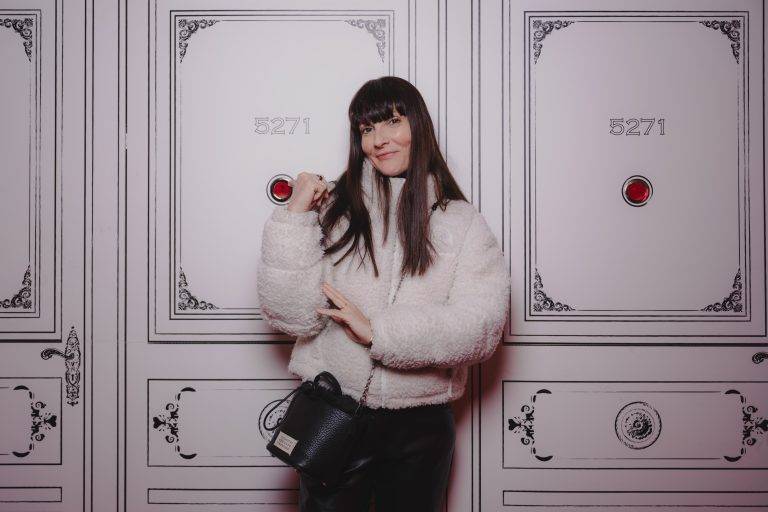
Beside this small contemporary epiphany pulses a project that pushes the brand’s sensorial vocation even further: SEIKANTAI5271 by Bruno Laurenzano. A collection of erotic-gastronomic tableware that doesn’t just engage with the body — it openly invites it to dinner. Each plate is decorated with an erotic illustration, but it’s the hidden QR code that triggers the short circuit: scan it, and you unlock an aphrodisiac recipe selected by the artist. An idea that turns the table into an emotional prequel, a waiting room for pleasure. Inspired by the Japanese concept of seikantai — pleasure that transcends sex — the service becomes a miniature theory of desire applied to design.
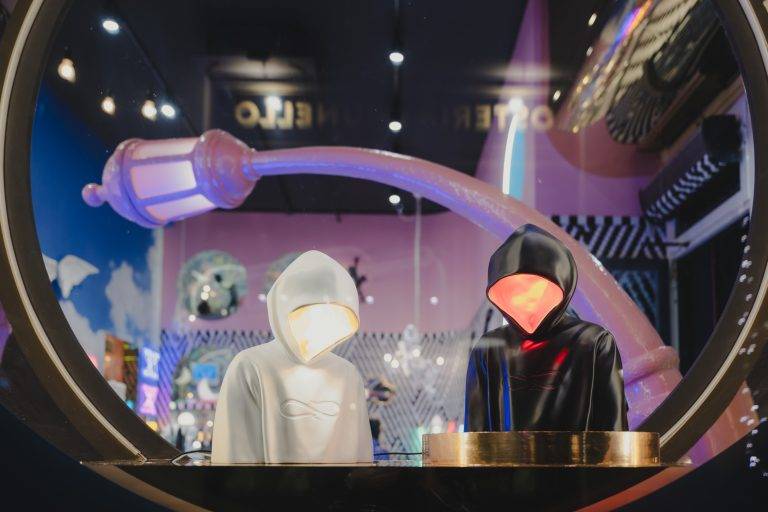
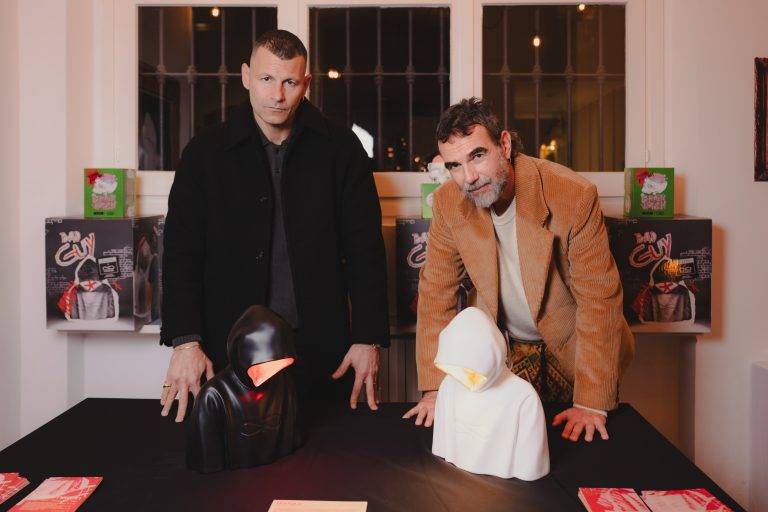
The new lamps shine too, though one alone deserves the title of instant icon: the Bad Guy Lamp by Uto Balmoral and Propaganda. A luminous hood, half street culture, half profane halo, carrying a cryptic message: “Never judge a shadow — it might be a bright idea in disguise.” It’s an object that could have come from the closet of an exhausted superhero or the bag of a nocturnal storyteller. Switched on, it casts a soft light that feels like an unspoken secret; switched off, it becomes a character on pause.
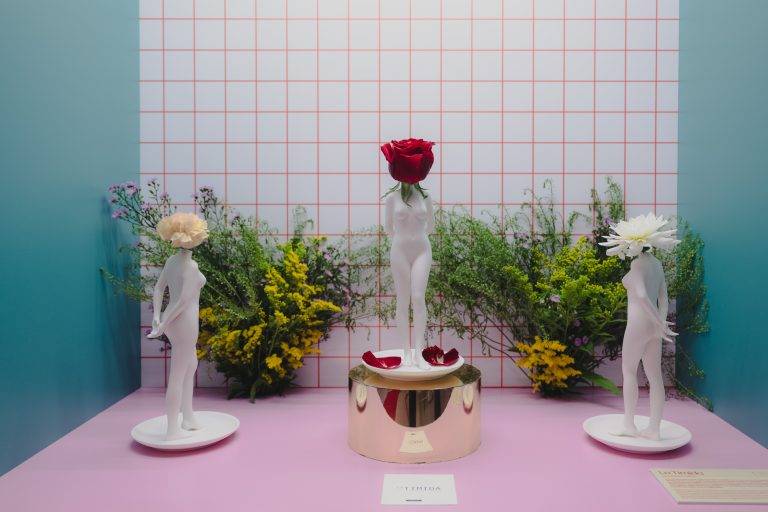
Marcantonio adds poetry with Amor Volat, Francesco Decio sends the table into another era with the Newlithic collection, and pop lovers will find joy in the disarming messages of Plastic Peace. But among these pop universes, another unexpected protagonist emerges: La Timida by Seletti, a nude, bashful figure that looks like she stepped out of a ’70s poster and reappeared as a domestic companion-object. It’s a sculpture that doesn’t take itself seriously, yet takes up all the space: a curled-up, stylized body ready to steal a smile even from the grumpiest souls. La Timida is the kind of object that seems to say: “Don’t mind me, I’m just decorating the room.”
And pop lovers will smile again at the old-school mermaid turned pitcher by Simone Falcetta, while the Diesel Living with Seletti universe wraps things up with its “Classics on Acid” candelabras and MELT-D candles: three flames fused into a single sculpture, like the glowing residue of a beautiful night just slightly out of control.
Then come the inevitable icons: TOILETPAPER HOME and the new chapter, TOILETPAPER Jewels, created by Cattelan and Ferrari. Candles, earrings, necklaces, and rings that transform pop symbols — from the “SHIT” mouth to tiny golden plungers — into cult objects. It’s domestic surrealism at its most sparkling.
Walking out of the store, just a few steps from Piazza XXV Aprile, you’re left with the impression that Seletti doesn’t sell objects — it sells states of mind. Which is, ultimately, the real magic of design when it stops being “function” and goes back to being, quite simply, wonder.
Text: Germano D’Acquisto
Photos: NIccolò Campita