


Thaddaeus Ropac
A gallery must be a place capable of inspiring its artists
“We cannot simplify art because art is not simple and never will be. But we can help those who are willing to dedicate time to it”
Last September 20th, Milan added a new, important chapter to its history of contemporary art: Galerie Thaddaeus Ropac inaugurates its first Italian venue in the neoclassical halls of Palazzo Belgioioso, with the exhibition L’aurora viene, a dialogue between Georg Baselitz and Lucio Fontana on view until November 21. Known as one of the world’s most influential gallerists, Thaddaeus Ropac, born in Klagenfurt in 1960, has built over the past forty years a cultural empire with spaces in Salzburg, Paris (Le Marais and Pantin), and London. With the Milan opening, Ropac reaffirms his vocation as a bridge between major art capitals, choosing to debut in Italy with a dialogue between Fontana’s revolutionary gesture and Baselitz’s painterly force, inside a palazzo that carries the legacy of Lombard Enlightenment.
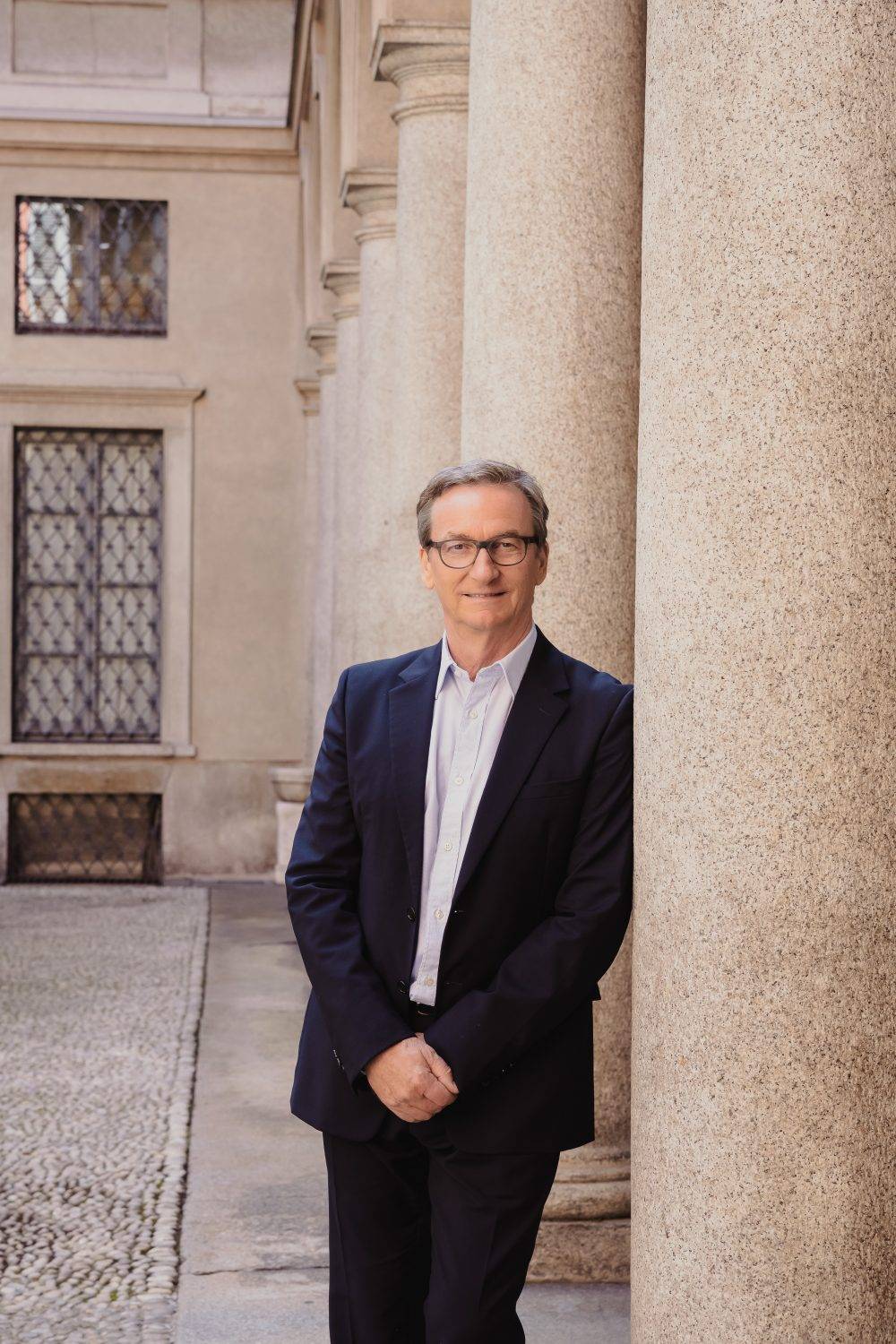
Palazzo Belgioioso is steeped in history. What kind of experience do you want to offer to those visiting the new Milanese gallery?
We wanted to be in the heart of the city, close to major museums, at the noble center of Milan, an area where culture has always played a central role. The space is small—the most intimate of all our venues—but it has extraordinary historical strength. It was originally the palace’s library: a place conceived for study and reading, two perfect metaphors for the work we do.
Milan is a city where fashion, design, and architecture intersect. How will the new space engage with this creative ecosystem?
When we first shared the news with our artists, we felt a genuine enthusiasm. For them, Milan is a source of inspiration. And I believe that’s the most important aspect for a gallery: being in a place that truly inspires its artists. With its rich cultural heritage, Milan has already sparked wonderful ideas among them—both for exhibitions and for future dialogues to build. It’s exciting to think not only about the inaugural show, but also much further ahead. We’re not short of ideas, and that’s a very good sign.
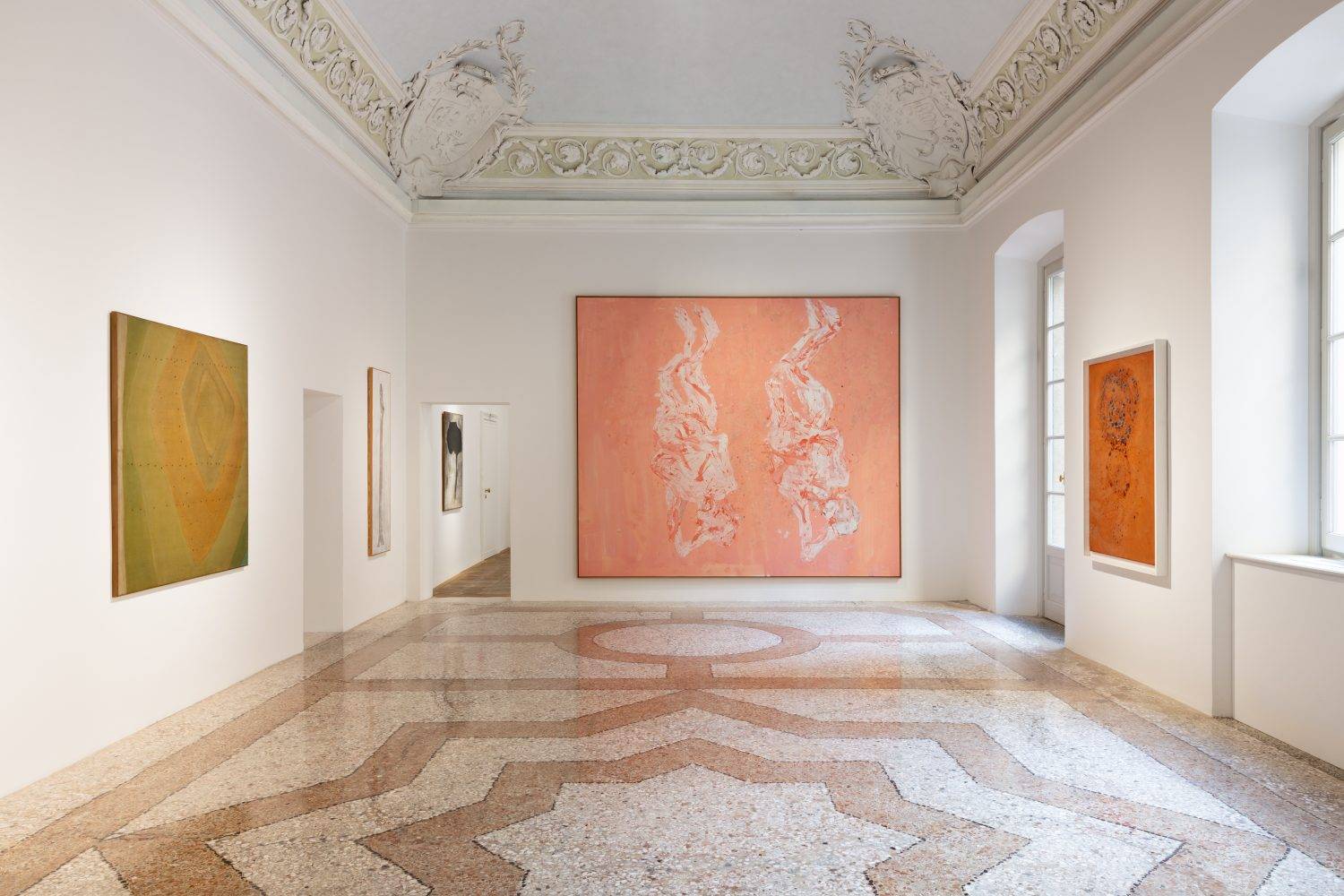
In a world dominated by fairs and algorithms, how important is the physical experience of the exhibition space?
It’s the most important thing. Fairs are useful for networking, but they don’t provide the ideal setting. We focus on exhibitions in our own spaces: venues designed with meticulous attention to detail, with light and atmosphere carefully calibrated. For artists, it’s essential to be able to design with calm and care. That remains the core of our work. Everything else—fairs, pop-ups, events—comes after.
If people don’t understand contemporary art, whose fault is it?
I’d say it’s partly theirs. Everyone is welcome to participate: we cannot simplify art to the point of “watering it down,” because art is not simple and never will be. But we can help those willing to dedicate time and effort: then yes, they will truly understand it. It requires commitment, and we cannot pretend everything is immediate, otherwise we’d strip art of its most essential dimension—and that’s something we cannot and must not do.
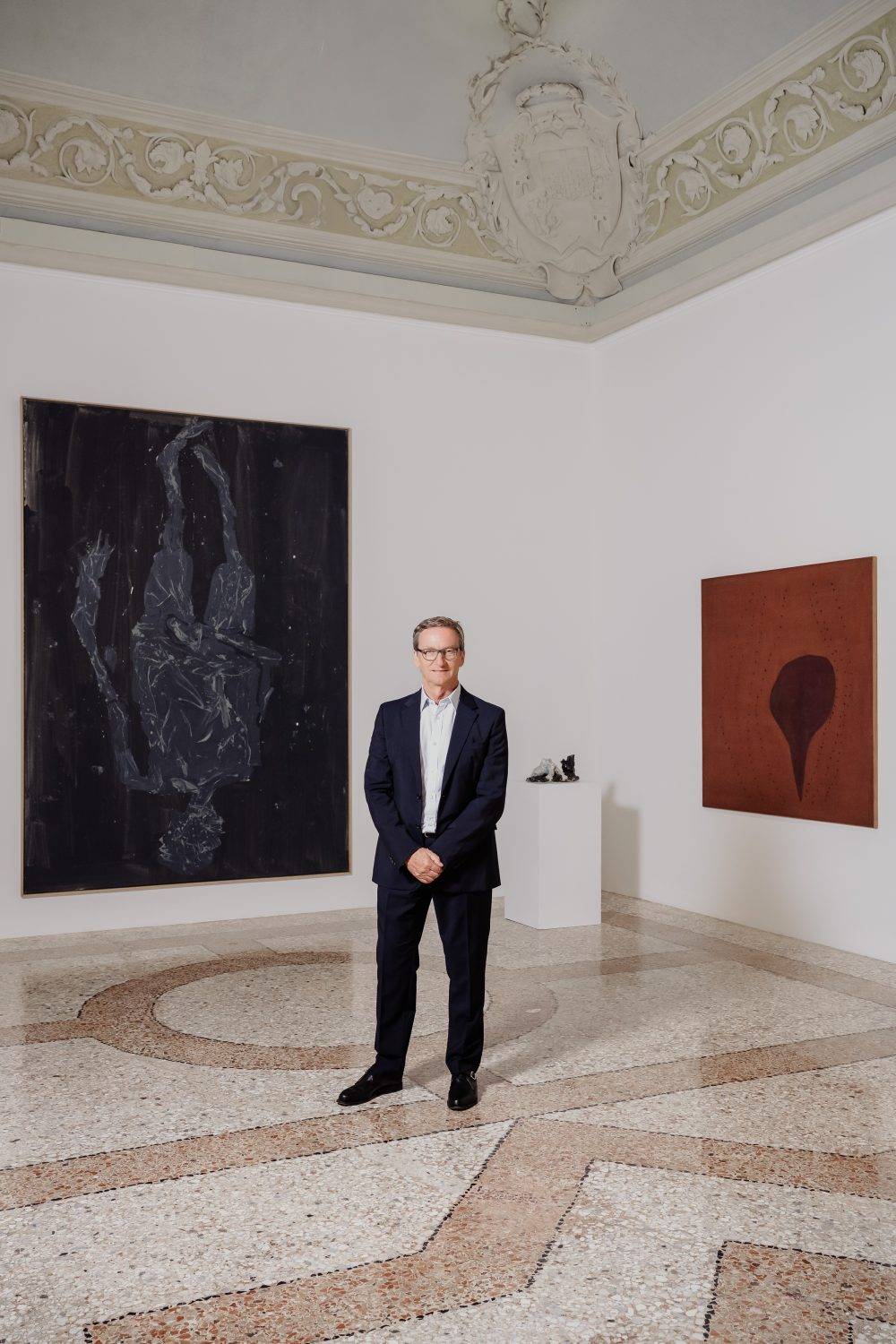
What’s the film of your life?
It’s hard to pick just one, but a video that has deeply impressed me is How to Explain Pictures to a Dead Hare by Joseph Beuys. In this performance, the artist walks carrying a dead hare in his arms, explaining art to this immobile “interlocutor.” It’s a powerful and symbolic image, encapsulating much of his philosophy. That work left a profound impression on me.
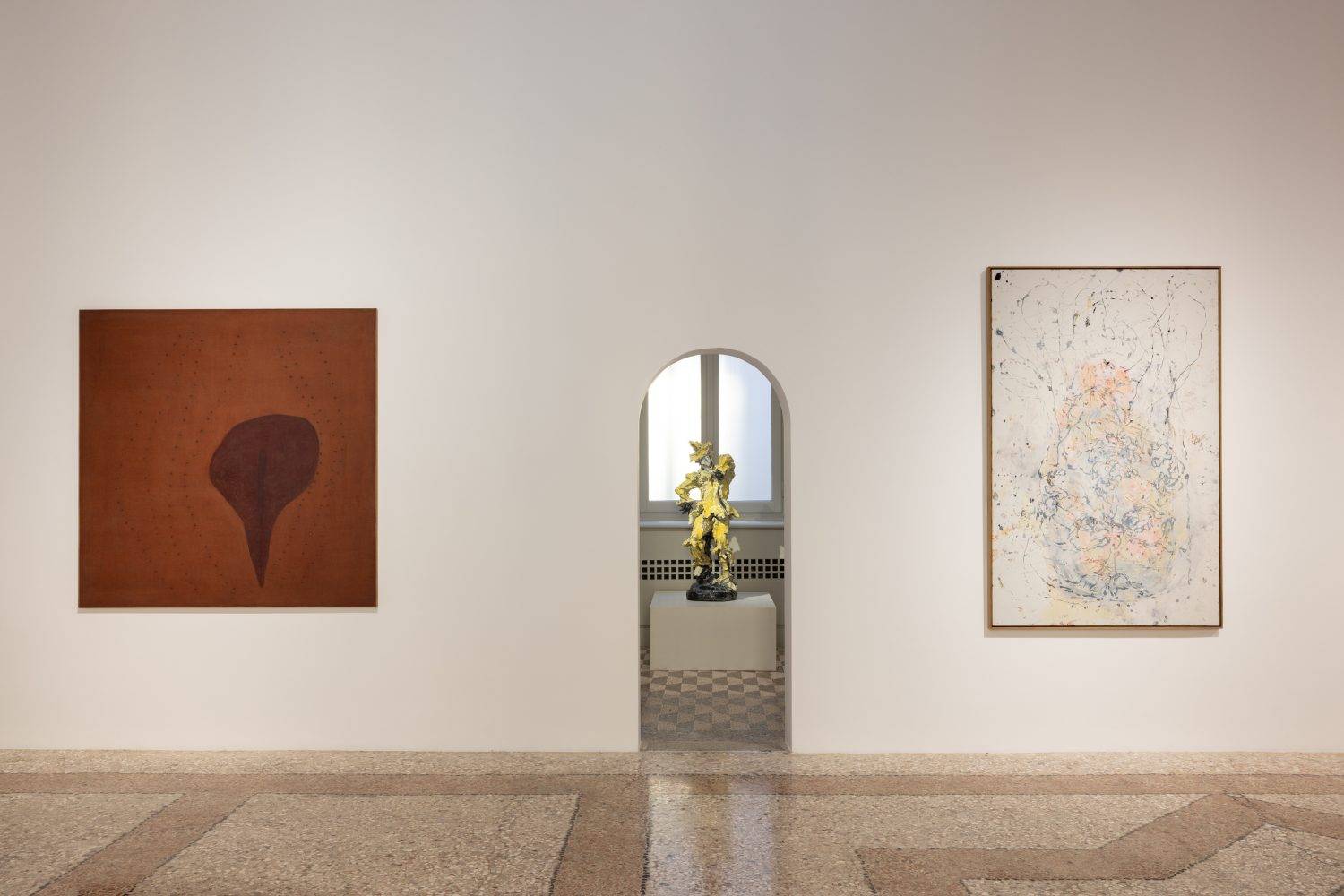
One last curiosity: would you like to be your own assistant?
I can be very demanding, it’s true, but I think I’m capable of managing every one of my requests. So, why not?
Portraits: Ludovica Arcero
Text: Germano D’Acquisto


