


Constance Guisset
A design object should feel welcoming and convey a sense of gentleness
“I think the poetic aspect of a project comes from the meeting of delicacy and rigor—from the effort to align form and function”
In a world of art and design that often moves in contrasts—black or white, full or empty, classic or contemporary—Constance Guisset pursues, with steadfast grace, the art of balance. At FAB Paris 2025, the international fair that transforms the Grand Palais into a stage of wonders from September 20th to 24th, the French designer presents, in collaboration with set designer Sylvie Zérat, an installation that hovers between architectural dream and shared refuge. Colored arches, structures that seem suspended between reality and imagination, a fluid space inviting pause and conversation. Not a mere backdrop, but an oasis designed with the precision of someone who knows that design is not just form, but atmosphere.
Constance Guisset has built her career precisely this way: bringing lightness to the everyday, making movement visible, giving shape to a poetics of welcome. Starting with the Vertigo lamp, now an absolute icon, she has explored diverse territories—from industrial design to theater scenography, interior design to children’s illustration—always with a recognizable style defined by delicacy, softness, and intuition. Her creations—whether a chair, a light, an installation, or an entire room—seem to capture a moment before it slips away, a pause before the next step. Her trajectory is unconventional and therefore fascinating: after studying economics and political science, a stint at the Japanese Parliament, she then moved to ENSCI, graduating in 2007. From there, a succession of international recognitions, collaborations, and theatrical projects—memorable ones with Angelin Preljocaj and Wang Ramirez—led her to conceive space as a living, mutable, empathetic organism. We met her to talk about movement and wonder, childhood and intuition, and that unique tension between technical solidity and dreamy lightness that turns each project into a small declaration of love to the world.
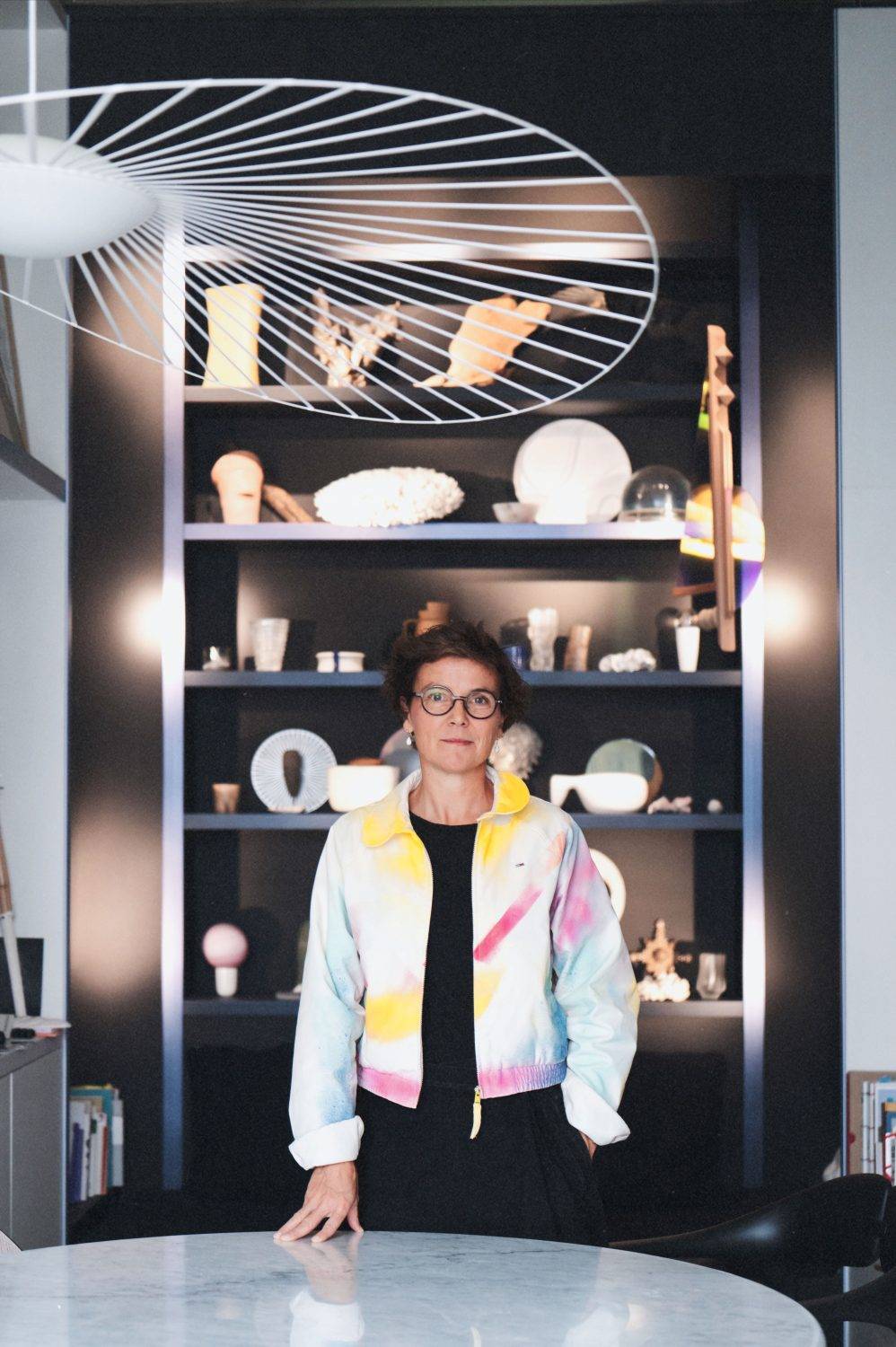
Your work is often described as a meeting point between delicacy and technical rigor. Where does this tension come from, and how does it transform into poetic objects?
It’s a very interesting way to put the question. I think the poetic aspect of an object comes precisely from that encounter between delicacy and rigor—aligning form and function, and finding a balance between abstraction and figuration. It’s a bit like poetry itself: evoking an entire universe with just a few words.
What role do surprise and the unexpected play in your creative process?
A huge role! It’s one of my favorite moments: seeing what emerges, recognizing when an idea is taking shape. I love experimenting, working by doing, making models. That’s how the Vertigo lamp was born. I was experimenting with ribbons. At some point, the shape twisted. Et voilà! It’s always a playful adventure, a small unexpected miracle.
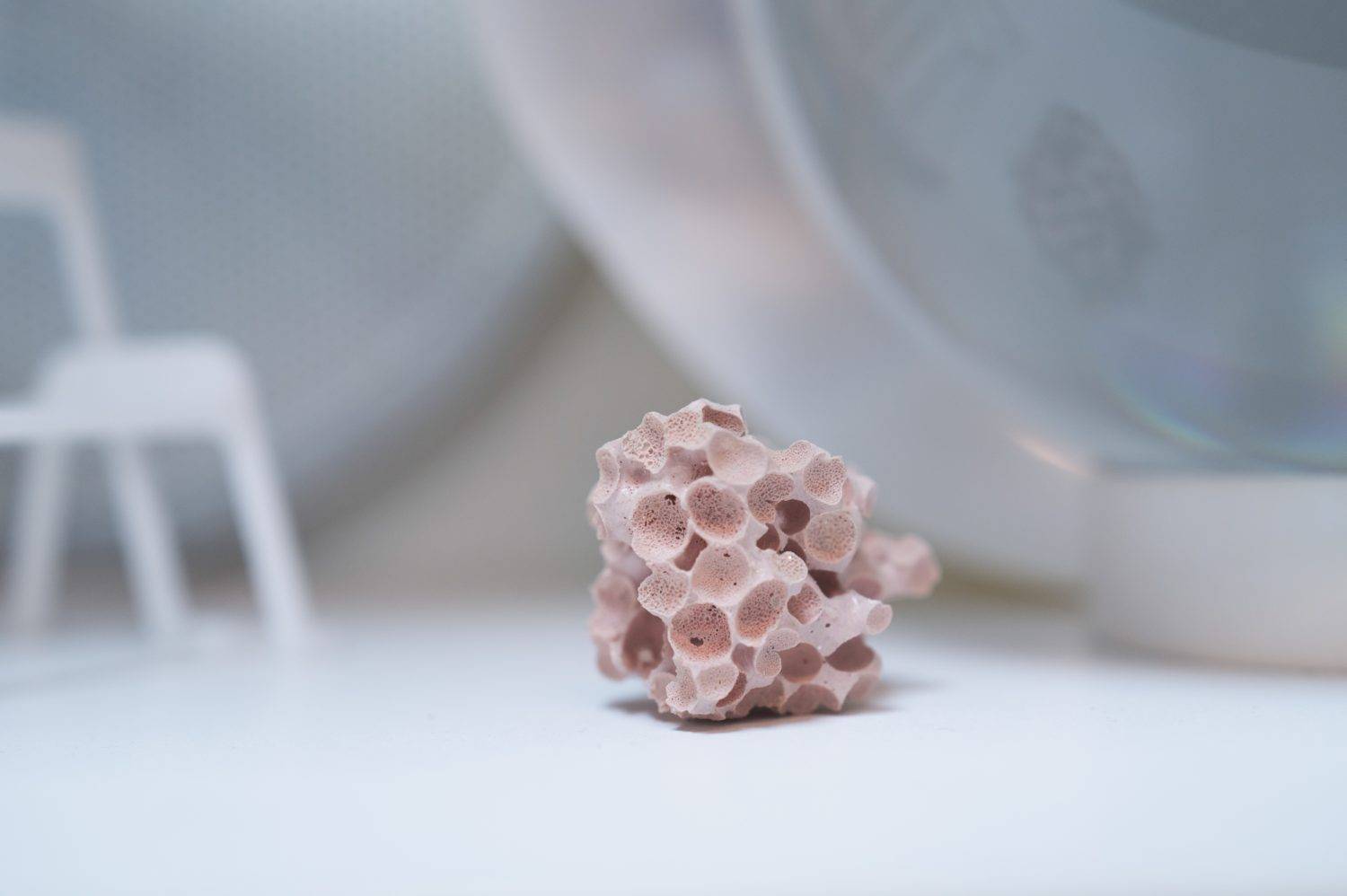
You’ve worked for theater, children, mass production, and the art world. How do you choose the projects you take on?
Actually, I think the projects choose me. I’m curious about everything, and every new project excites me. Rarely do I say no to something new, and when I do, it’s usually because of scheduling conflicts. I love learning, understanding how things are made, how people live and work.
You spoke of an “obsession with comfort.” What makes an object truly comfortable for you?
It’s an object that makes you feel welcome. It’s important to consider the user experience. The body should feel at ease; the hand should want to touch. But it should also welcome the mind—offering a moment of contemplation, opening a door to imagination, expressing gentleness. I think our days would feel different if we lived in a world of rounded forms rather than only right angles.
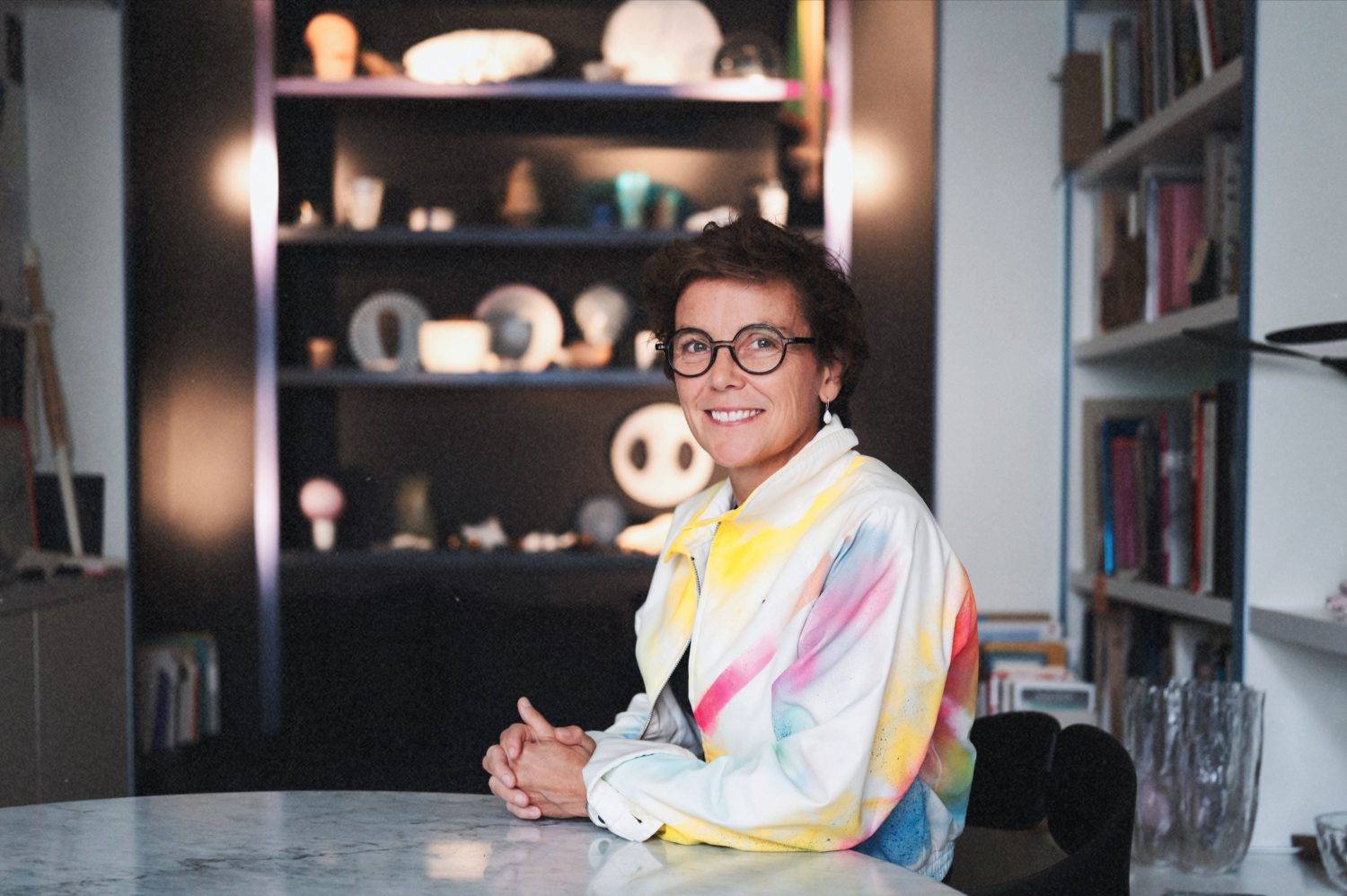
As director of Hermès Académie des savoir-faire for 2025, what kind of dialogue do you envision between traditional craftsmanship and contemporary design?
The Académie des savoir-faire was a truly stimulating program—for the public, academics, and myself! I learned so much and was fascinated by the crafts I discovered. Soon we’ll start two weeks of workshops with academics, and I’m very curious to see what both artisans and designers will bring.
Lightness is a recurring value in your work. Is it a formal, philosophical, or even political choice?
All of these together. First of all, I always try to use only what is necessary. Not more, not less. If it’s less, the object doesn’t work. But why more? To say what, to prove what? Finding the right balance is a search for harmony through work. A bit like in dance: you only see the lightness of movement, not the effort behind it. That’s what I want people to feel. And lightness allows movement, like with the Vertigo lamp. It’s two meters wide but weighs only 500 grams, so it floats slowly through the air. The object must live its own life.
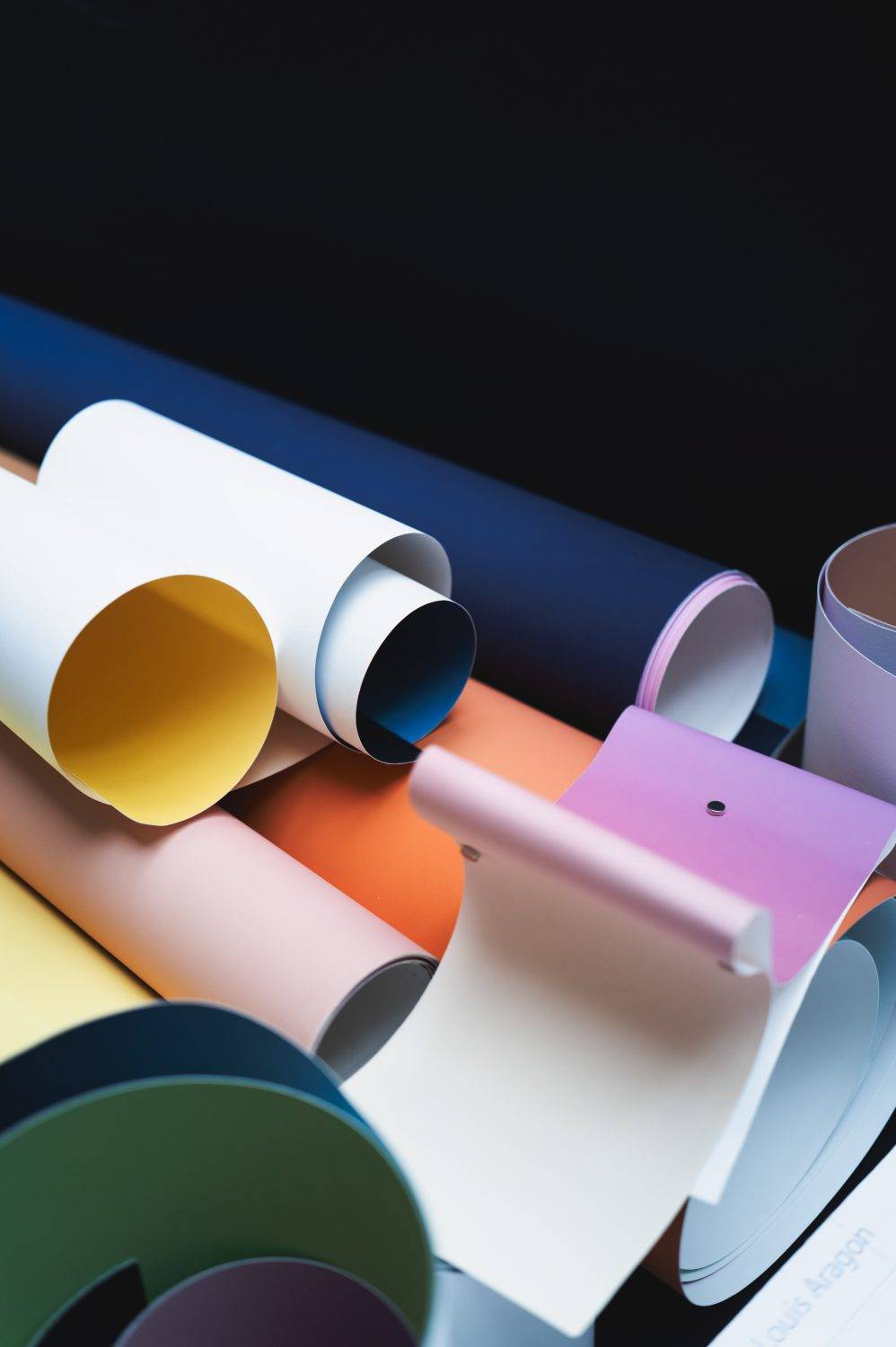
How do you see design evolving in the coming years, between AI, sustainability, and new aesthetics?
I don’t know, it’s hard to say because I feel we’re living in turbulent times. But one thing I’m sure of: we must focus on sustainability. That means materials and production, yes, but also visual sustainability—creating objects that people want to keep for decades. Emotional connection is key. In interior architecture projects, it also means working with existing architecture, not against it. Accepting that our project is only a part of a larger story.
You said you love to be surprised. What has surprised you recently, in work or life?
People. They always surprise me. Meeting someone new is always fascinating.
What are your plans for the end of 2025?
So many exciting things! I just designed my first collection of eyewear for Morel, which was presented a few days ago during Paris Design Week. Also in September, the Théâtre des Champs-Élysées in Paris, designed by Auguste Perret, will reopen: I was fortunate to design the new reception areas and the bar. I’m also working on the new collective spaces for the Institut National d’Histoire de l’Art. And there are many more projects coming in 2026, both in France and abroad!
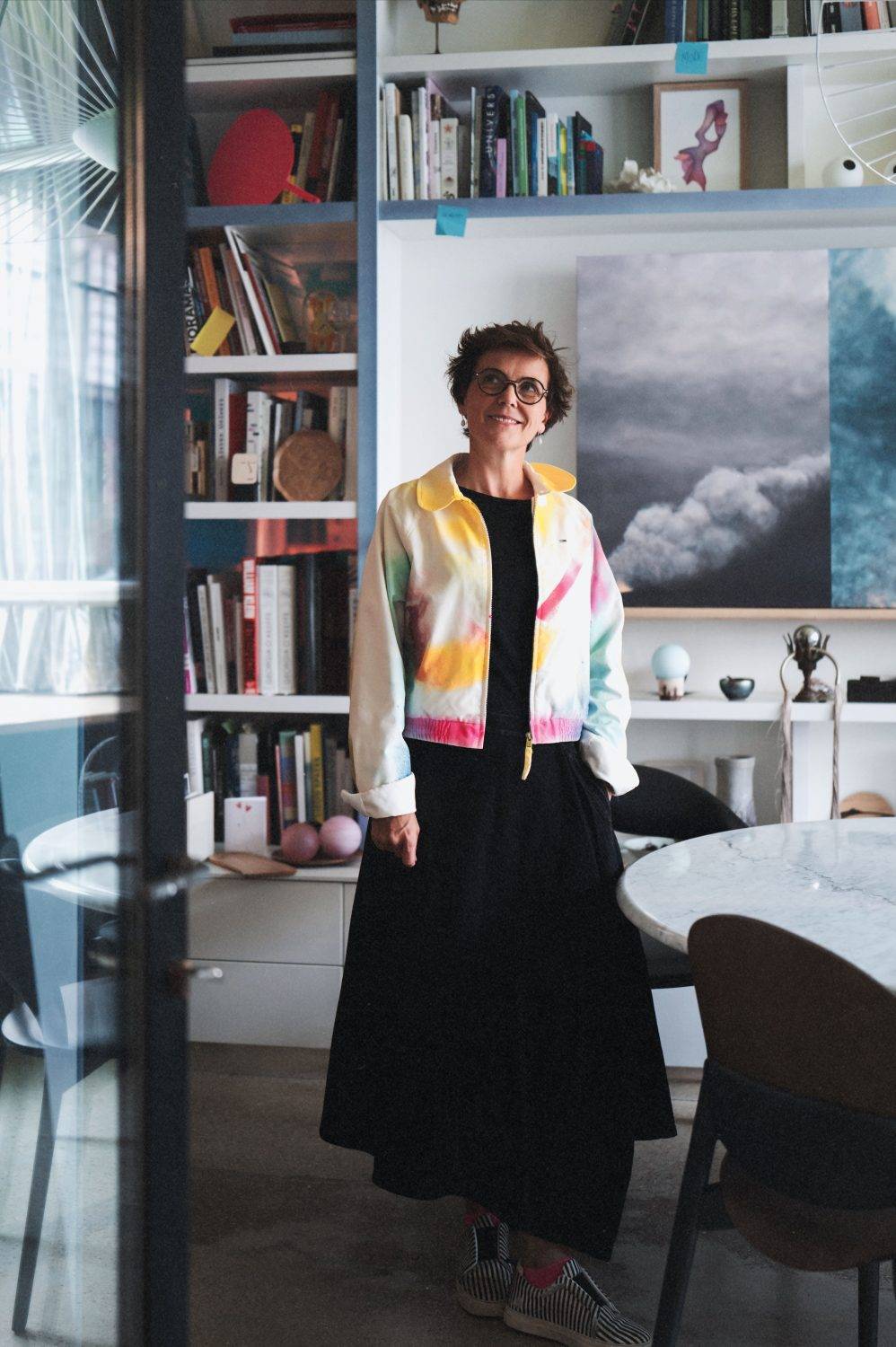
Photos: Jean Picon
Text: Germano D’Acquisto


