


Yuri Ancarani
I’m a contrarian who challenges conventions
“A good film starts after the last frame. If you take it home and it keeps making you think, then it’s powerful”
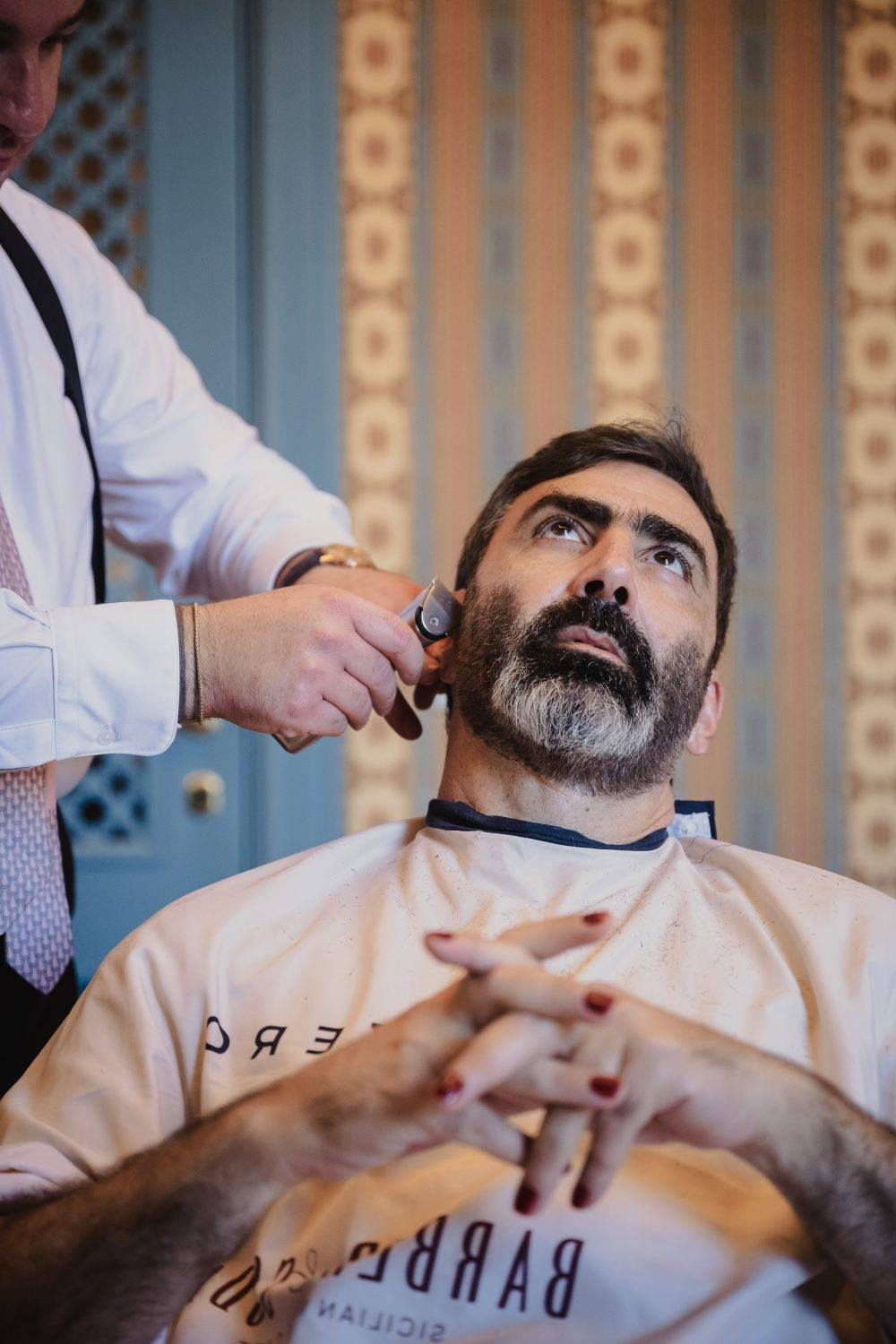
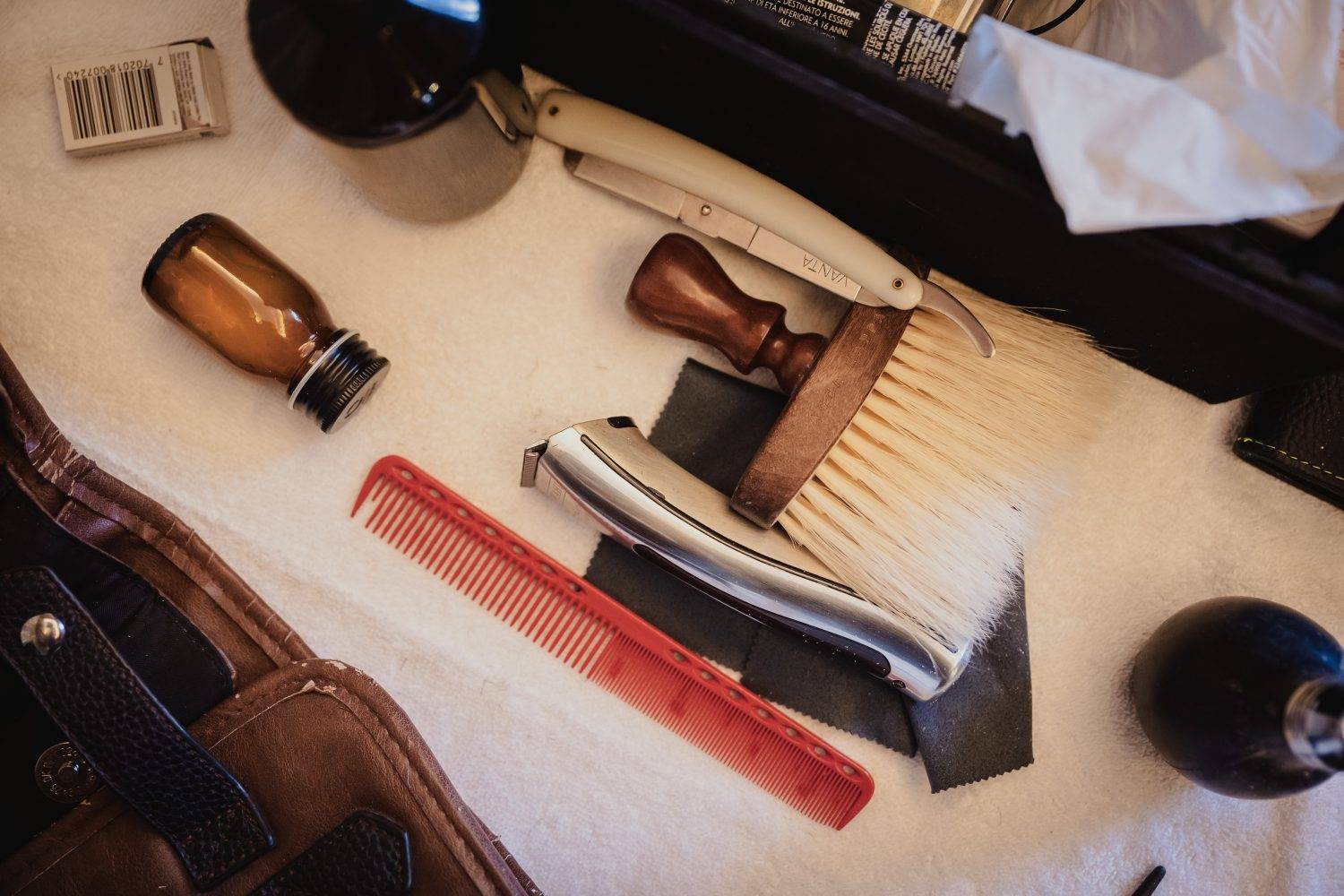
«At the barber’s, a man says things he would never say otherwise. With a razor at his throat. Even if the barber is a friend, there’s always that tension that makes you speak the truth. It’s a bit like it’s always the last day…», says Yuri Ancarani, 53, nails polished, reclining in the chair amid foam and mirrors in a room at the Excelsior Hotel. It’s a picture that already feels like a frame, his unique way of being both inside and outside cinema at the same time. In 2021, he arrived in Venice in competition with Atlantide, a nocturnal, hypnotic film about the lagoon’s youth. Today, however, the Ravenna-born director and video artist finds himself on the other side: he has been appointed to the jury of Orizzonti, the Venice Film festival’s boldest section, the one that looks to the future by spotting trends, debuts, and lesser-known cinematographies with the force of novelty that shifts perspective. It’s an important recognition, which Ancarani—known especially for his video art works marked by a documentary approach—welcomes with pride, but also with that contrarian streak that always leads him to challenge conventions and blur genre boundaries. From his trusted barber Leandro Scordio, originally from Gela and owner of Barber&Soda in Milan, with the blade grazing his skin, there’s time to talk about cinema, jury politics, and films that linger long after the credits roll. But above all, there’s the chance to look, once again, at that future he says he glimpses while staring at a white wall.
Watching a hundred films in ten days. What do you fear more: getting bored in front of a film or having to pretend you liked it?
I usually try to watch what I think will interest me most. Venice is an extraordinary opportunity because it lets me discover works I might never have encountered otherwise. You come across films of all kinds, even works that you think might not suit your sensibility. In the end, you almost consider it a gift: you’re happy to see things you otherwise wouldn’t have. Because ultimately, everything can enrich you.
In the jury, do you reward courage or diplomacy?
There’s no single best attitude. There’s a lot of politics, because you have to assert your opinion when you’re passionate about a film, convince someone who might not see it the same way. If you’re alone, you achieve nothing. You need to be clever, and a little bold. Let’s say you need courageous diplomacy, the right balance.
Your works, spanning from marble quarries to Venetian trap music, always seem to walk a line between art and entertainment. Do you feel more like a saboteur or a tightrope walker?
I mostly feel like a contrarian. In the cinema world, they call me an artist; in the art world, a director. I certainly highlight the blind spots of the system, and I believe this exaggerated division between genres is wrong. I try to cross-pollinate environments as much as possible.
You said, “I experiment; I don’t have to please anyone.” Is there a work you now regret, not for its form but for having tried too hard to please?
No. But the issue is different. I care about the audience and want them to understand what they’re watching, but I don’t aim to please. I trust the viewer and believe you can take risks creating new things. My path is slow and thoughtful, but also instinctive. I’ve made projects I truly believe in, which I can defend at any time in my life.

Any projects in the works?
The Venice Film Festival is the perfect place to think about the future. You meet everyone here. I once had a great production meeting at three in the morning, on the beach, eating a toast with pink sauce. That’s where we laid the right foundations for the next project.
If the image is at the center of everything, what remains out of frame, and why?
A good film starts after the last frame. If you take it home and it continues to make you think, then it has truly succeeded. If you forget it, it has failed its purpose. Out of frame remains everything that belongs to the spectator’s mind: that’s where each person builds their own film, after the credits, when discussing it and carrying it within themselves. I make films with images to leave the audience the possibility of seeing others—their own—afterwards.
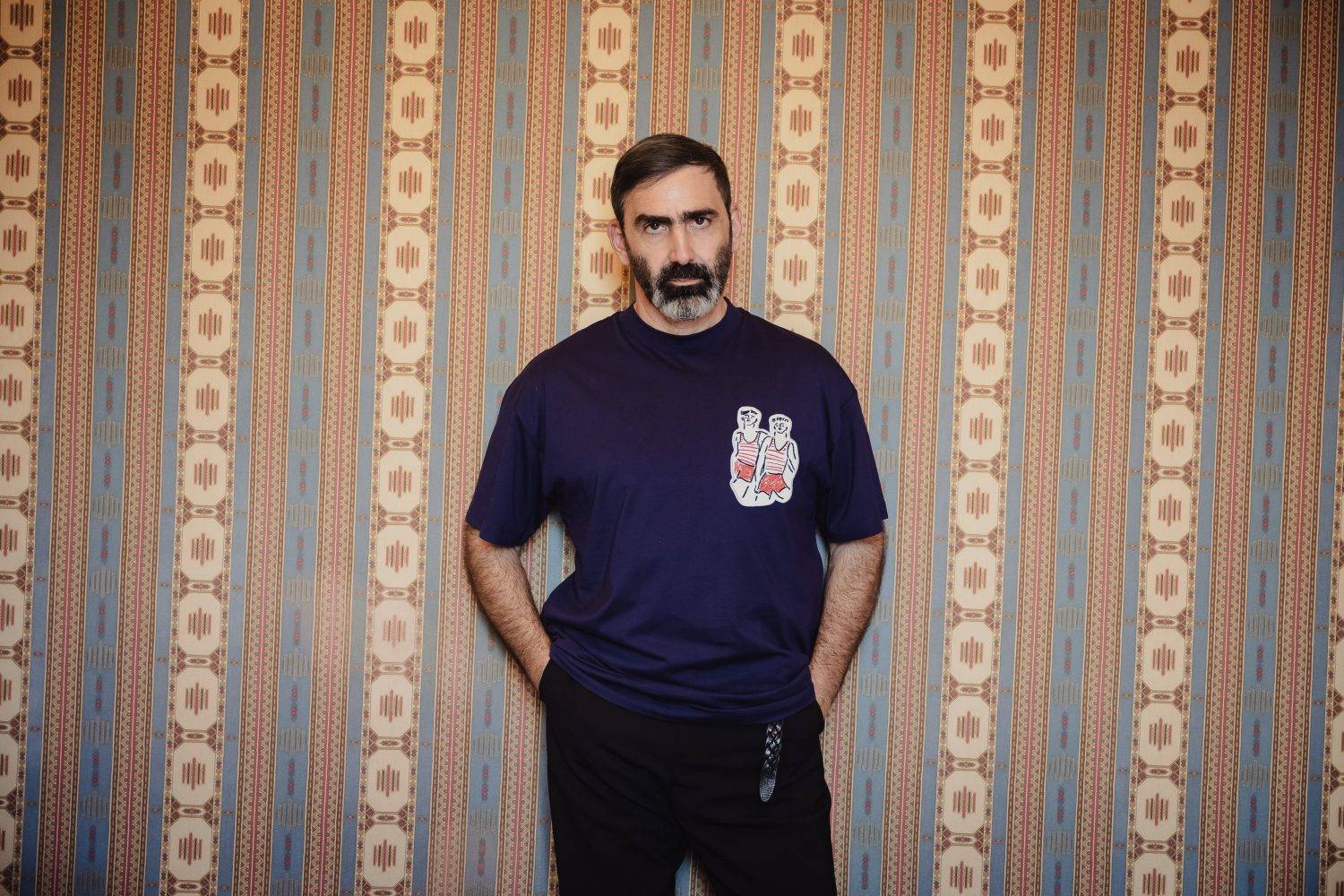
When you’re not filming, what do you watch: Netflix or the white wall of your studio?
I watch beyond the white wall. When Leandro shaves me and sees me lost in thought, he asks, “What are you looking at?” And I reply, “The future.” By now, he knows: every time he sees me staring into space, I’m looking at the future.
Portraits: Ludovica Arcero
Text: Germano D’Acquisto


